Removing a dental nerve is a procedure that often raises curiosity and concern among patients. At Livera Clinic, understanding the nuances of dental nerve removal is essential to demystify the process and provide clear scientific insights.
What Is a Dental Nerve and Why Is It Important?
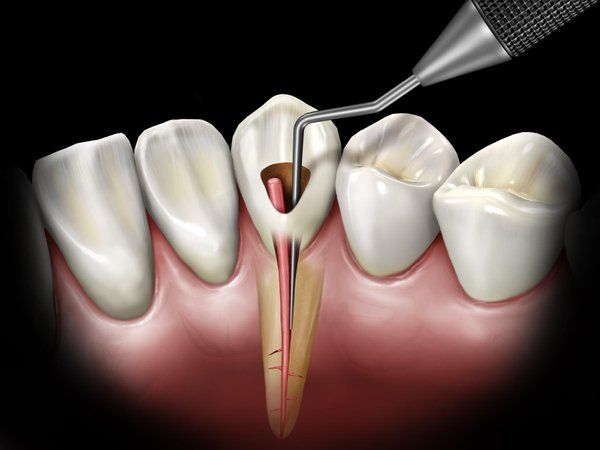
The dental nerve, also known as the dental pulp, is a soft tissue located in the center of your tooth. It contains blood vessels, connective tissue, and nerve fibers that are essential for tooth vitality. The presence of a healthy dental nerve ensures proper sensory response to stimuli such as temperature and pressure.
Scientific research shows that the pulp not only responds to pain but also contributes to the formation of secondary dentin. Without this vital tissue, the tooth may become brittle over time, highlighting why dental nerve removal is a decision that should be well-understood and justified.
Common Reasons for Dental Nerve Removal
Several dental conditions can necessitate dental nerve extraction:
- Deep decay penetrating the enamel and dentin to reach the pulp.
- Trauma leading to nerve damage even without visible cracks.
- Infections or abscesses causing inflammation and severe pain.
- Repeated dental procedures that stress the pulp.
Clinical studies indicate that untreated pulp infections can spread to surrounding bone, highlighting the importance of timely intervention.
How Is Dental Nerve Removal Performed?
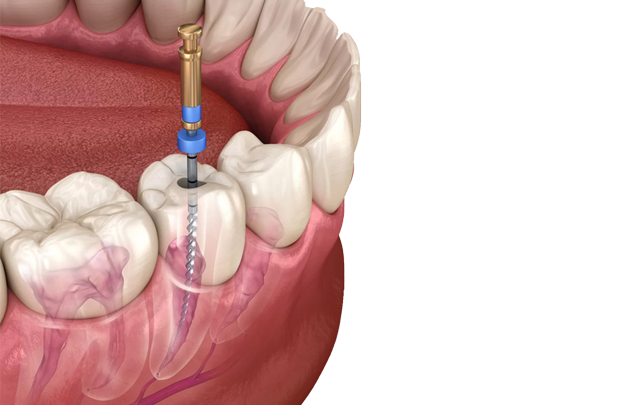
The removal of a dental nerve is commonly known as endodontic therapy or root canal treatment. The process is highly technical and precise:
- Diagnosis and Imaging: X-rays or 3D imaging determine the extent of pulp damage.
- Local Anesthesia: Ensures the procedure is pain-free.
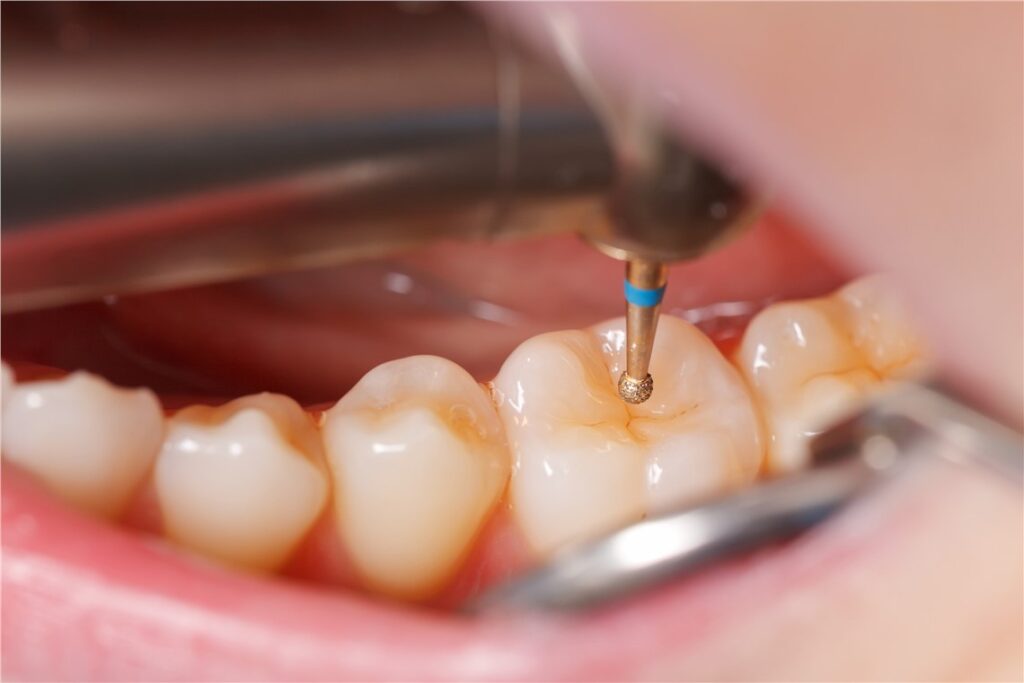
- Access Opening: The dentist creates a small opening in the tooth to reach the pulp chamber.
- Pulp Extraction: Using specialized instruments, the infected or damaged dental nerve is carefully removed.
- Cleaning and Shaping: The canals are disinfected and shaped for filling.
- Filling and Sealing: The empty canals are sealed with biocompatible materials.
Research indicates a success rate exceeding 90% when procedures are performed under strict aseptic conditions.
Post-Removal Care and Recovery
After a dental nerve removal, proper care is critical to prevent complications:
- Mild discomfort or sensitivity may occur for a few days.
- Avoid chewing hard foods on the treated tooth initially.
- Maintain rigorous oral hygiene to prevent secondary infection.
Interestingly, recent studies suggest that adjunct therapies like ozone treatment may enhance recovery, although these are supplementary measures rather than standard practice.
Alternatives to Dental Nerve Removal
In some cases, preserving the pulp may be possible through procedures such as:
- Pulp capping: Applying a protective material over exposed pulp.
- Partial pulpotomy: Removing only the inflamed portion while keeping the healthy tissue intact.
These approaches are particularly beneficial for younger patients, as a healthy dental nerve promotes continued dentin formation and long-term tooth strength.
Myths and Facts About Dental Nerve Removal
The topic of dental nerve removal is often clouded with misconceptions:
| Myth | Fact |
| Removing the nerve always causes pain | The procedure is performed under anesthesia and is generally painless. |
| The tooth dies permanently | The tooth is no longer vital but remains functional with proper restoration. |
| All teeth with pain need nerve removal | Some pain can be managed conservatively without extraction. |
Understanding these nuances helps patients make informed decisions and reduces anxiety associated with endodontic treatments.
Risks and Complications of Dental Nerve Removal
Even though dental nerve removal is a common procedure, understanding potential risks is important:
- Infection: If bacteria persist in the canal, reinfection may occur.
- Instrument Breakage: Rarely, tools may break inside the canal.
- Incomplete Removal: Can lead to persistent pain or further treatment.
- Tooth Fracture: A tooth without a nerve may become more brittle over time.
Studies in endodontics show that strict sterilization protocols and modern imaging significantly reduce these risks, making the procedure highly reliable when performed by experienced professionals.
Advances in Dental Nerve Treatment
Recent research has focused on less invasive and more biologically friendly approaches for dental nerve care:
- Regenerative endodontics: Uses stem cells and scaffolds to regenerate pulp tissue.
- Laser-assisted treatment: Enhances disinfection while minimizing tissue trauma.
- 3D guided canal shaping: Improves precision and reduces post-operative complications.
These innovations indicate that while removal is sometimes necessary, the field is moving towards preservation and regeneration whenever possible.
Long-Term Effects of Dental Nerve Removal
Removing a dental nerve changes the physiology of the tooth but does not necessarily compromise function:
- The tooth loses vitality and its natural ability to sense stimuli.
- Secondary dentin formation stops, which may make the tooth more brittle.
- With proper restoration, the tooth can function for decades.
Longitudinal studies suggest that teeth treated with root canal therapy have survival rates comparable to healthy teeth when restored properly.
How to Maintain Dental Health After Nerve Removal
Post-procedure care is vital to maintain tooth integrity:
- Regular dental check-ups: Monitoring ensures early detection of any issues.
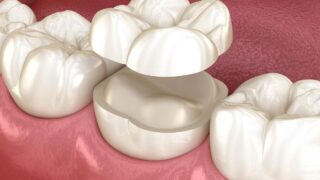
- Protective restorations: Crowns or onlays provide structural support.
- Oral hygiene: Brushing, flossing, and antimicrobial rinses reduce risk of reinfection.
Adhering to these measures ensures that teeth without a dental nerve remain functional and aesthetically pleasing.
When Is Dental Nerve Removal Unavoidable?
Although modern dentistry emphasizes pulp preservation, some conditions make dental nerve removal unavoidable:
- Extensive decay that reaches the pulp chamber.
- Severe trauma causing irreparable nerve damage.
- Chronic infection or abscess resistant to conservative therapy.
- Recurrent pain or inflammation despite repeated treatments.
Dental literature confirms that timely intervention in these cases prevents more serious complications like jawbone infections.
Understanding Dental Nerve Removal
A dental nerve is essential for tooth vitality, and its removal is a significant dental procedure. Understanding why removal is necessary, the steps involved, post-procedure care, and modern alternatives allows patients to make informed decisions. Livera Clinic emphasizes evidence-based methods and patient education to ensure the procedure is safe, efficient, and minimally stressful.
Whether for infection control, trauma repair, or long-term dental health, dental nerve removal is a cornerstone of modern endodontic practice.