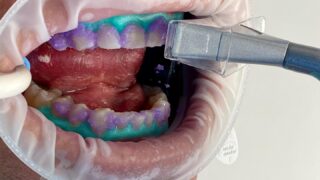
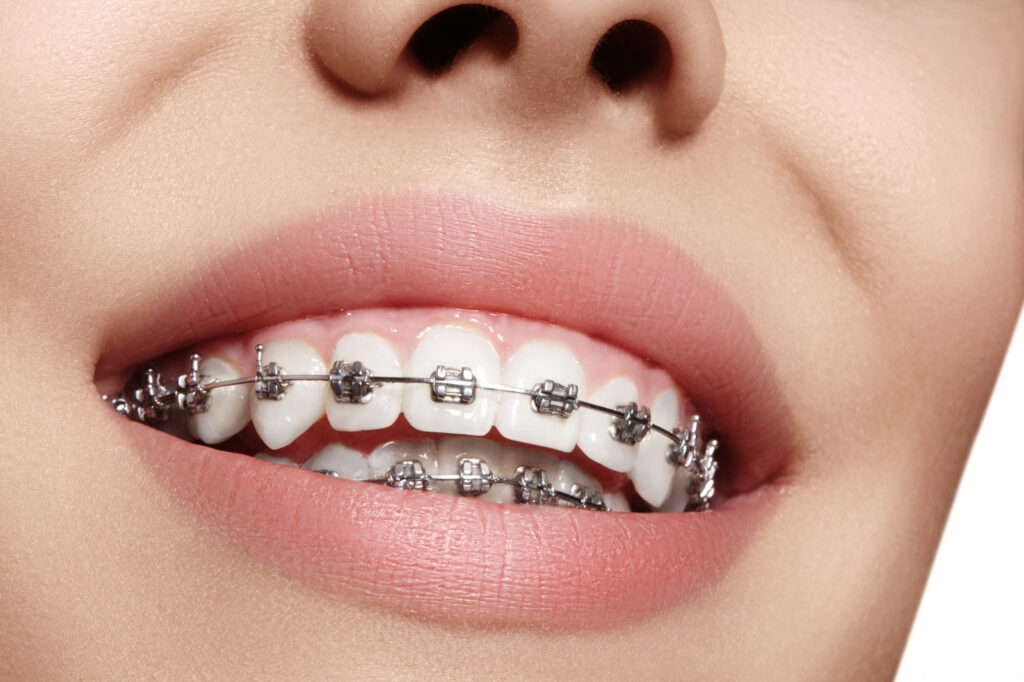
Childhood is the most dynamic period of dental and jaw development, and during this stage Orthodontics evaluations play a critical role. For many parents, the idea of braces or clear aligners may feel overwhelming at first. However, with the right information and proper preparation, this process can become comfortable and even empowering for both children and families. At Livera Clinic, our goal is to explain Orthodontics approaches in a clear, scientific, and reassuring way while monitoring each child’s natural growth.
What Is Orthodontics and Why Early Evaluation Matters for Children?
Orthodontics is a specialized field of dentistry that focuses on aligning teeth and jaws into their ideal positions. Crooked teeth, bite irregularities, jaw discrepancies, or protruding teeth are not only aesthetic concerns. They may also affect chewing, speaking, and overall oral hygiene.
Early Orthodontics assessments allow professionals to guide jaw growth while bones are still developing. This creates opportunities for simpler solutions compared to waiting until adulthood. For example, a narrow jaw detected early may be improved with functional appliances rather than more complex procedures later.
Research often suggests that ages 7 to 9 are suitable for an initial Orthodontics consultation. At this stage, permanent teeth begin to erupt, and growth patterns become easier to evaluate.
Signs That Your Child May Need Orthodontics
Every child’s dental structure is unique. Therefore, the need for Orthodontics should not be based solely on appearance. Functional signals can also indicate that an evaluation may be helpful.
Common signs parents may notice include:
- Crowded or overlapping teeth
- Upper or lower jaw positioned too far forward or backward
- Mouth breathing habits
- Early loss of baby teeth
- Difficulty chewing or biting
- Prolonged thumb sucking or pacifier use
When these indicators are present, consulting an Orthodontics specialist may help clarify the situation. Early awareness can positively influence treatment duration and comfort.
Psychological Preparation for Orthodontics Treatment
For a child, wearing braces or aligners can initially feel intimidating. Explaining Orthodontics as a health focused process rather than a problem can reduce anxiety. Taking their questions seriously and exploring the journey together builds trust.
Avoid negative language. Instead of saying “it will hurt,” try realistic yet reassuring explanations such as “there might be a short adjustment period.” Children often mirror their parents’ emotions. A calm attitude encourages confidence.
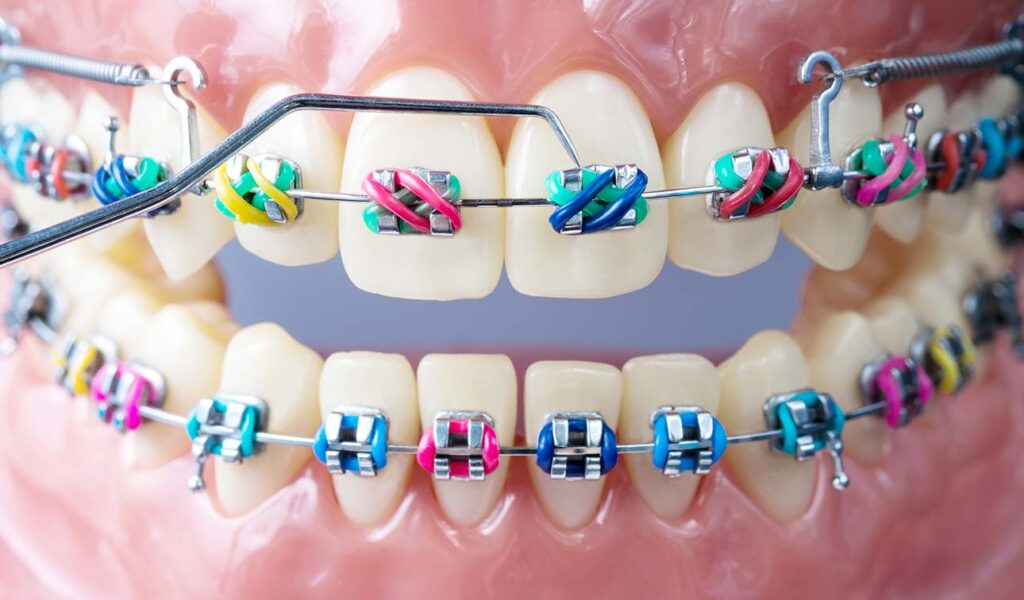
Allowing your child to personalize their Orthodontics experience, such as choosing colorful elastics or meeting peers who also use braces, can make the process feel more enjoyable and normal.
Practical and Daily Preparations Before the First Orthodontics Visit
Before starting Orthodontics, strengthening daily oral hygiene habits is extremely important. Treatment appliances require extra care to keep teeth and gums healthy.
Helpful routines may include:
- Brushing at least twice daily
- Cleaning between teeth
- Reducing sugary snacks
- Attending regular dental checkups
These habits make adapting to Orthodontics much easier. They also help minimize plaque buildup and gum sensitivity during treatment.
Teaching children responsibility early supports long term success.
Orthodontics Treatment Options for Children
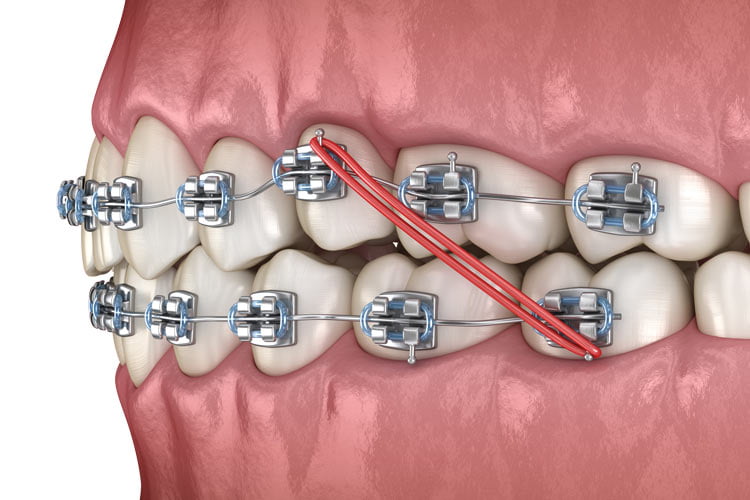
Modern Orthodontics technologies offer a wide range of solutions. Traditional metal braces are no longer the only choice. Today, more comfortable and aesthetic alternatives are available.
Below is a simple comparison table:
| Method | Features | Suitable for |
| Metal braces | Durable and effective | Complex crowding |
| Ceramic braces | Less visible | Aesthetic concerns |
| Clear aligners | Removable and comfortable | Mild to moderate cases |
| Functional appliances | Guide jaw growth | Growing children |
Each Orthodontics plan is personalized. Specialists evaluate growth potential, dental structure, and lifestyle before deciding on the most appropriate option.
Nutrition and Daily Habits During Orthodontics
Once treatment begins, small adjustments in daily life can make a big difference. Orthodontics appliances may be sensitive to very hard or sticky foods.
General recommendations often include:
- Avoiding very hard snacks
- Limiting chewing gum and caramel
- Reducing acidic drinks
- Cleaning teeth after meals
These habits protect Orthodontics devices and improve comfort. Carrying a small hygiene kit at school can help children maintain their routine easily.
Healthy habits support both dental development and overall well being.
The Role of Family Support in Orthodontics Success
A successful Orthodontics journey depends not only on clinical procedures but also on family involvement. Children need guidance to attend appointments regularly, wear appliances correctly, and maintain hygiene.
Positive reinforcement is powerful. Recognizing small improvements motivates children to stay consistent. This approach makes the discipline required for Orthodontics more sustainable and less stressful.
Open communication with the dental team also ensures that expectations remain realistic and manageable.
Expectations After Orthodontics and Long Term Follow Up
Finishing treatment does not necessarily mean the process ends completely. After Orthodontics, retainers may be used to help maintain the new tooth positions. This phase protects the results achieved during treatment.
Long term follow ups allow specialists to observe growth changes and stability. Regular monitoring supports lasting Orthodontics success and helps preserve a healthy smile over time.
Preparing your child for Orthodontics involves more than scheduling appointments. It requires knowledge, patience, and teamwork between families and professionals. With early evaluation, supportive parenting, and expert guidance, children can experience a healthier bite, improved function, and greater confidence.
At Livera Clinic, we approach every Orthodontics plan with scientific insight and personalized care. Our aim is to transform treatment into a clear, safe, and positive journey for both children and parents.