Can Implant Be Removed? is one of the most searched questions in modern dentistry. Many patients who are planning implant treatment wonder whether this structure is permanent or whether it can be taken out later. The idea of a Implant being both a fixed and potentially removable solution may sound contradictory at first, but clinically it has a very specific meaning.
Can Implant Be Removed? Clinical Reality Behind the Question
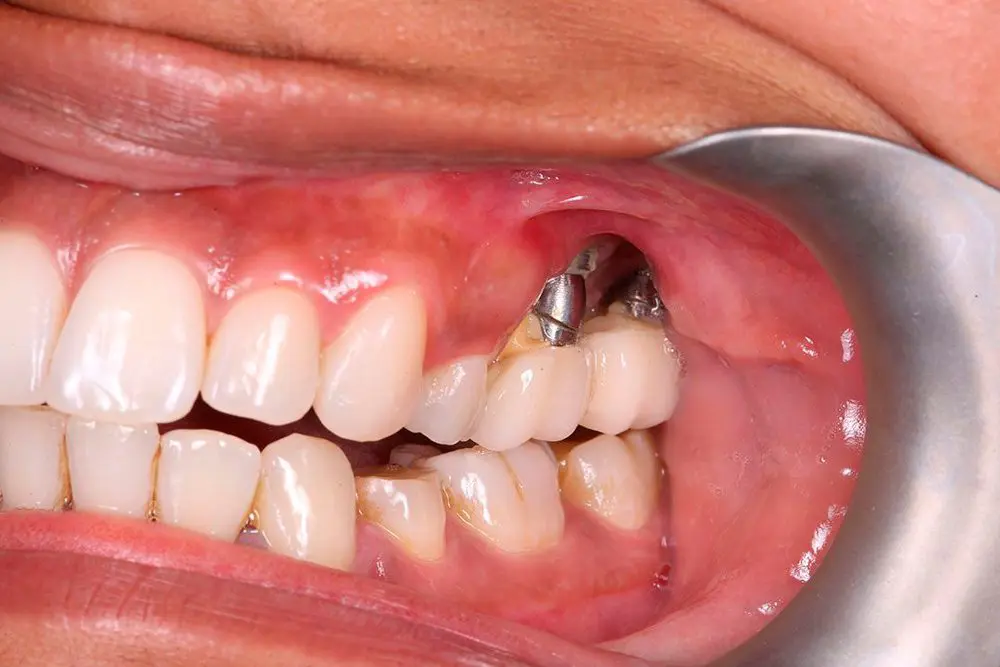
The question Can Implant Be Removed? usually comes from the assumption that implants might behave like removable dental prosthetics. However, modern implant systems are designed to integrate with bone tissue and function as a stable structure.
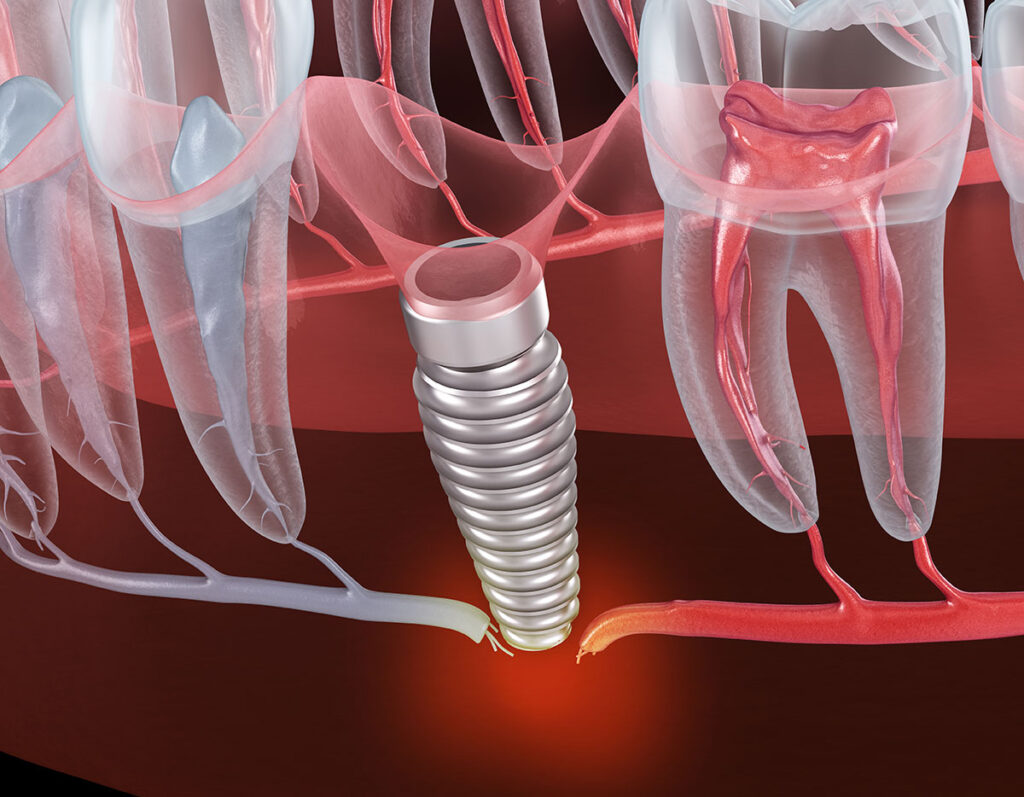
A Implant is intended to become part of the jaw system through a biological process called osseointegration. This process creates a strong connection between bone and implant surface, making removal unnecessary in most cases.
However, removal is not impossible. It is simply not part of the normal treatment goal. In rare situations, clinical intervention may require implant extraction due to complications or treatment failure.
Implant Treatment Planning and Biological Adaptation
Successful implant treatment begins with detailed planning. Before placement, the bone structure, gum condition, and overall oral health are evaluated carefully. At this stage, the long term behavior of the Implant is predicted based on biological compatibility.
Biological adaptation is a key factor. The body must accept the implant material without triggering an adverse reaction. Titanium is widely used because of its high biocompatibility.
Important planning factors include:
- Bone density and volume
- Gum tissue condition
- Bite force distribution
- Patient’s general health status
- Oral hygiene consistency
These elements directly influence whether the implant remains stable or develops complications over time.
For additional clinical background, you may review WHO oral health resources.
Osseointegration and Long Term Implant Stability
After placement, the implant enters a critical healing phase called osseointegration. During this process, bone cells gradually attach to the implant surface, creating a stable biological bond.
The Implant surface is engineered to support this cellular interaction at a microscopic level. This is what transforms it from a foreign object into a functional part of the jaw system.
Main stages of osseointegration:
- Initial healing response
- Cellular attachment phase
- Bone remodeling process
- Full structural integration
Once this process is complete, the implant becomes highly stable. At this point, removal is generally not considered unless a clinical issue arises.
Can Implant Be Removed? Clinical Indications for Removal
Although implants are designed for long term use, there are specific situations where removal may be required. These cases are relatively uncommon but clinically important.
The most common reasons include:
- Peri-implant infection (peri-implantitis)
- Insufficient bone integration
- Mechanical damage or fracture
- Incorrect positioning affecting function
In these cases, the decision regarding a Implant is made based on imaging, clinical evaluation, and patient symptoms.
Clinical steps usually include:
- Radiographic assessment
- Bone quality evaluation
- Surgical planning if needed
- Consideration of replacement options
Each case is evaluated individually because no two implant situations are exactly the same.
For more technical references, you may check AAOMS clinical dental resources.
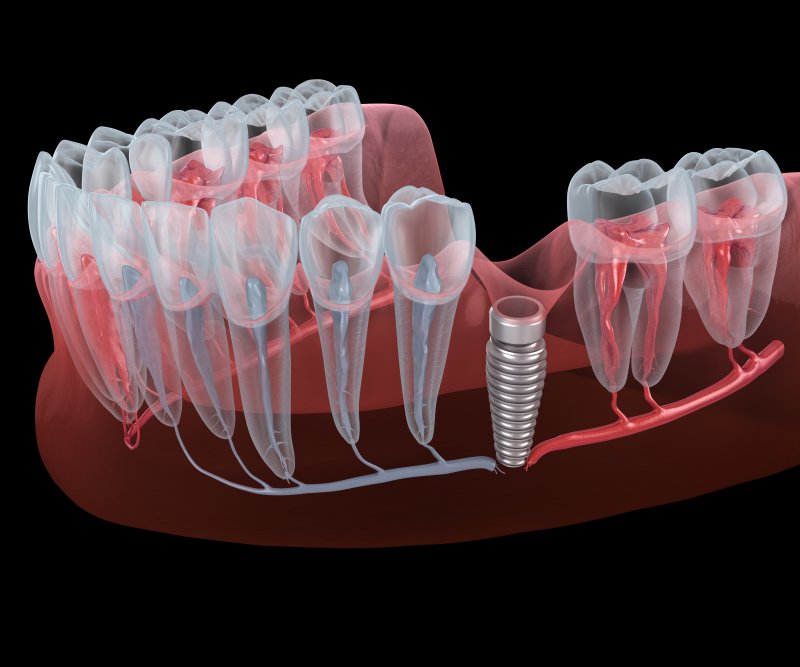
Implant Removal Procedure and Clinical Considerations
When removal becomes necessary, the procedure is performed under controlled clinical conditions. It is not a routine process and often requires specialized surgical techniques.
The Implant is carefully separated from surrounding bone tissue to minimize damage and preserve future treatment options.
Key considerations during removal:
- Preservation of surrounding bone
- Minimizing tissue trauma
- Managing infection if present
- Planning future restoration options
In many cases, after removal, the area may require healing time before any new implant or alternative treatment is considered.
Long Term Behavior of Implant Systems in the Mouth
Over time, implants interact continuously with surrounding tissues. While they are designed for durability, biological and mechanical factors can influence long term performance.
A Implant that is properly integrated can function for many years, but it still requires periodic monitoring to ensure stability.
Long term factors include:
- Bone level maintenance
- Gum tissue health
- Bite force balance
- Oral hygiene habits
Even small changes in these factors can influence implant stability. However, these changes do not always indicate failure. They often reflect natural biological adaptation.
Clinical Perspective on Implant Longevity and Success
Dental implants are considered one of the most predictable solutions in restorative dentistry. Their success depends on multiple interacting variables rather than a single factor.
The performance of a Implant is influenced by surgical precision, biological response, and long term patient care.
Key success indicators include:
- Primary stability at placement
- Healthy bone response
- Proper load distribution
- Absence of chronic inflammation
When these conditions are met, implants can remain stable for many years. However, clinical evaluation remains essential because each case evolves differently over time.
The question Can Implant Be Removed? does not have a simple yes or no answer. In standard conditions, a Implant is designed to remain fixed within the jawbone as a long term solution. Removal is only considered in specific clinical situations such as infection, failure of integration, or mechanical complications.
Overall, dental implants represent a highly stable and biologically integrated system when properly planned and maintained. Their removability is not a normal expectation but a clinical exception based on individual cases.