Pain that starts as a faint sensitivity and grows into a throbbing ache often traces back to one common culprit: tooth decay. This widespread dental condition affects people of all ages and backgrounds, quietly progressing beneath the enamel before announcing itself with discomfort. While many people search for quick relief, understanding how tooth decay develops, why it hurts, and what approaches may reduce that pain can make the experience far less confusing and far more manageable.
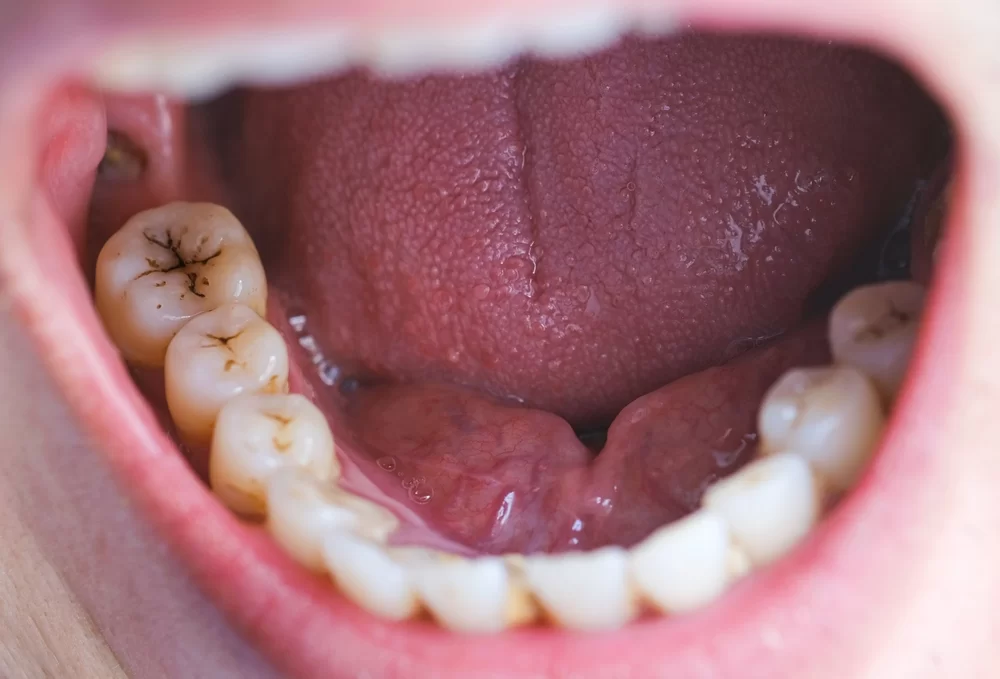
How tooth decay Begins at the Microscopic Level
Dental caries, often referred to as tooth decay, begins long before pain appears. Bacteria in the mouth feed on sugars and produce acids as byproducts. These acids soften the enamel surface, gradually dissolving minerals such as calcium and phosphate.
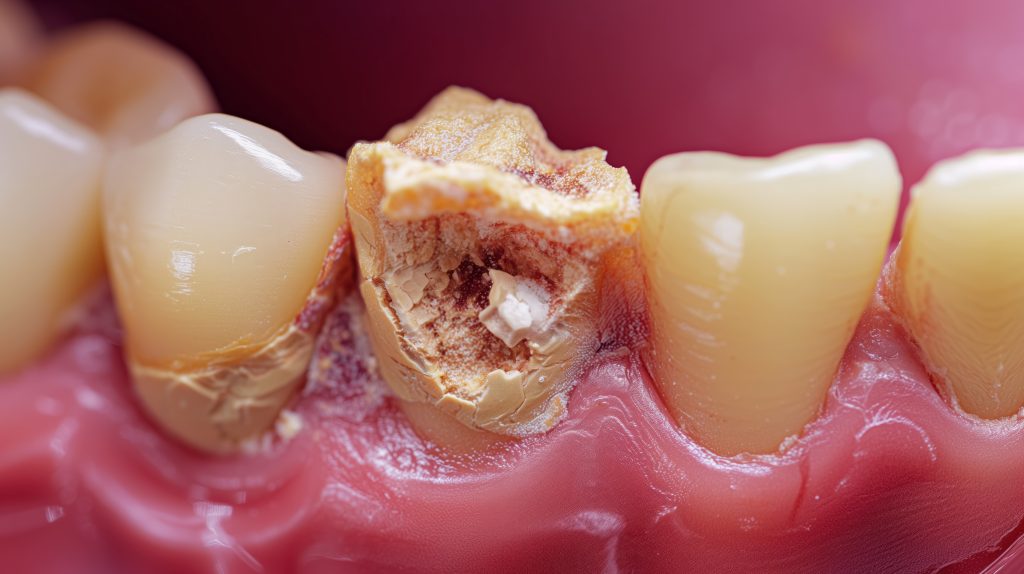
At first, this demineralization is invisible. You might notice nothing more than slight sensitivity to cold drinks. Yet beneath the surface, tiny pores widen. Over time, those pores form cavities that allow bacteria to travel deeper into the dentin, a softer tissue filled with microscopic tubules connected to the nerve.
When bacteria reach these channels, signals travel quickly to the pulp. This is often when people begin searching urgently for relief from tooth decay pain.
Why tooth decay Pain Feels Sharp or Throbbing
Pain perception is not random. It follows anatomy. The dentin layer contains thousands of fluid filled tubules that act like tiny communication wires. When exposed by tooth decay, cold, heat, or pressure changes the movement of fluid inside these tubules, stimulating nerve endings.
If the decay approaches the pulp, inflammation increases pressure within a confined space. This pressure creates the classic throbbing sensation many people describe. It may intensify at night because blood flow changes when lying down.
Interestingly, early tooth decay may produce only mild discomfort, while advanced stages may trigger continuous pain. The progression explains why small cavities sometimes feel worse than expected.
Early Signals of tooth decay You Should Not Ignore
Pain is not always the first sign. Many subtle indicators appear earlier and recognizing them may reduce later discomfort.
Common observations include:
- Sensitivity to sweets or cold beverages
- Rough or chalky spots on enamel
- Dark staining or tiny pits
- Food frequently getting trapped between teeth
- Intermittent ache after chewing
These clues often point toward developing tooth decay before severe inflammation begins. Paying attention to such signals may help prevent the escalation that leads to persistent pain.
From a preventive perspective, early awareness is often more effective than any later remedy.
What Helps Relieve tooth decay Pain at Home
Although professional dental evaluation is essential, many people look for ways to temporarily ease discomfort. Certain strategies may reduce irritation without claiming to cure tooth decay.
Here are commonly discussed approaches supported by practical observations:
| Method | Why It May Help | Scientific Logic |
| Warm salt water rinse | Reduces debris and soothes tissues | Mild osmotic cleansing effect |
| Cold compress outside cheek | Limits inflammation | Vasoconstriction slows swelling |
| Desensitizing toothpaste | Blocks tubules | Potassium nitrate reduces nerve signals |
| Gentle cleaning | Removes acidic plaque | Reduces bacterial load |
| Avoiding sugary foods | Limits acid production | Fewer substrates for bacteria |
These measures may provide comfort by decreasing stimulation around areas affected by tooth decay. However, they do not reverse structural damage.
Think of them as temporary noise reduction rather than repair.
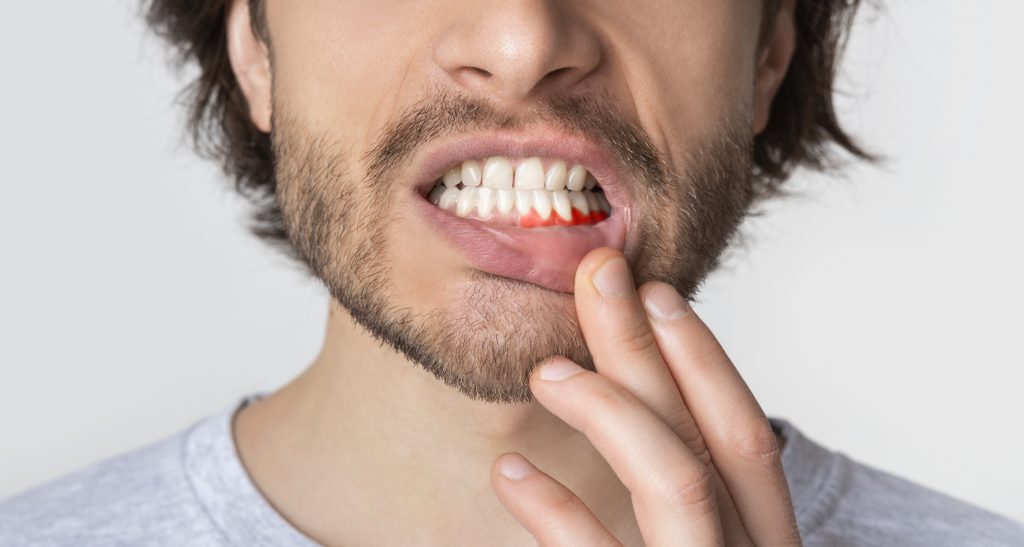
Professional Options for Managing Advanced tooth decay
When tooth decay penetrates deeper layers, professional treatment becomes the only predictable path to long term relief. Modern dentistry offers several minimally invasive options designed to preserve healthy tissue while eliminating infected areas.
Dentists may consider procedures such as fillings, inlays, or crowns depending on the size of the cavity. In cases where bacteria reach the pulp, root canal therapy may remove inflamed tissue and protect the remaining tooth structure.
At Livera Clinic, treatment planning typically follows diagnostic imaging and clinical evaluation rather than guesswork. Each stage of tooth decay requires a different solution. Matching the approach to the biology often results in faster and more lasting comfort.
The key concept is not just removing pain but eliminating the source.
Nutrition and Lifestyle Factors Linked to tooth decay Sensitivity
Dietary habits strongly influence the environment where tooth decay develops. Frequent snacking keeps oral pH low, allowing acids to attack enamel for extended periods. Conversely, saliva naturally repairs enamel when given time.
Scientific observations suggest that certain lifestyle patterns may affect sensitivity:
Short intervals between meals
High intake of refined carbohydrates
Low hydration
Irregular oral hygiene
Nighttime snacking
In contrast, mineral rich foods and adequate saliva flow may support enamel stability. Crunchy vegetables, dairy products, and water consumption often appear in studies related to reduced cavity risk.
Rather than strict rules, these are patterns that influence how quickly tooth decay progresses and how intense symptoms may feel.
The Psychological Side of tooth decay Pain
Pain is not only biological. Anxiety can amplify it. Research in pain neuroscience shows that stress hormones increase sensitivity to inflammatory signals. When people worry about worsening tooth decay, their perception of discomfort may intensify.
Calm breathing, distraction techniques, and structured information sometimes reduce this amplification. Understanding what is happening inside the tooth often decreases fear.
Knowledge transforms pain from a mystery into a manageable process.
This mind body interaction explains why education is often part of care at Livera Clinic. Clear explanations can be as valuable as clinical tools.
Long Term Strategies to Minimize Future tooth decay
Once discomfort subsides, prevention becomes the most reliable strategy. Preventive measures focus on protecting enamel and controlling bacterial activity.
Common long term practices include:
Regular dental checkups
Fluoride exposure
Balanced nutrition
Consistent brushing with soft technique
Interdental cleaning
Reduced frequency of sugar intake
These habits do not guarantee immunity, but they significantly lower the likelihood of recurring tooth decay and its associated pain.
In many ways, prevention is the most comfortable form of relief.
Relieving pain related to tooth decay involves more than chasing symptoms. It requires understanding how bacteria, enamel, dentin, and nerves interact over time. Temporary methods may soothe irritation, while professional evaluation addresses structural damage. Lifestyle and psychological factors also shape how intensely pain is perceived.
By combining scientific awareness with thoughtful habits, people often find that managing tooth decay becomes less intimidating and more predictable. At Livera Clinic, our goal is to empower patients with clear information and evidence based options so that dental discomfort never feels mysterious or overwhelming.
Comfort begins with knowledge, and knowledge begins with understanding your teeth.