Receding Gums often enter public conversation when people start noticing subtle shifts in how their smile looks or feels. The term covers a wide spectrum of gum margin changes that gradually expose more of the tooth surface. Although many discussions focus on everyday triggers, the topic becomes far more intriguing when scientific observations highlight how soft tissues respond to long term mechanical, bacterial or genetic influences. This makes the subject rich with nuance and opens the door to a deeper exploration of what actually happens as gum levels shift across different stages.
Understanding these stages requires looking beyond simple surface changes. The gum line is part of a dynamic structure responsible for protection, sensory communication and microbial balance. When its position changes, the surrounding tissues, bone and oral environment often adapt in their own ways. This interplay is what makes the progression of Receding Gums particularly compelling to researchers and individuals who want to know what is happening beneath the visible shifts.
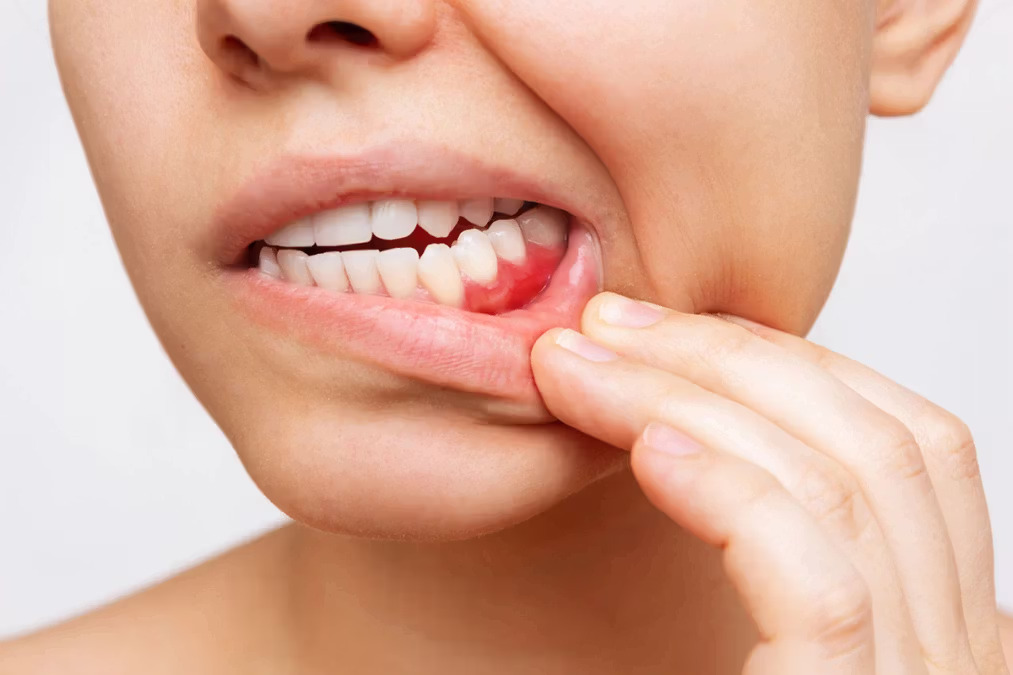
Early Tissue Signals That May Hint At Receding Gums
In the earliest stage, soft tissue behavior tends to shift in subtle ways. Some people notice changes in texture or mild sensitivity, while others detect no symptoms at all. What makes this stage interesting is how studies suggest that the gum margin can respond to prolonged minor irritation or microbial patterns before any visible retreat occurs. This makes the early period less about aesthetic change and more about predicting how tissues might behave under continuing internal or external influences.
The complexity of early stage behavior becomes clearer when considering how varied the responses can be. Some individuals show a inflammatory pattern while others show almost none. Researchers point out that these differences may relate to genetic factors, brushing patterns or natural tissue thickness. As a result, early stage evaluation often involves observing gradual changes rather than expecting a dramatic shift.
How Structural Shifts Progress in Stage Two of Receding Gum Movement
By the time gum changes enter the next stage, small but noticeable shifts in the margin begin to appear. This stage does not always correlate with discomfort. Instead, it often reflects the tissue’s attempt to stabilize itself against ongoing mechanical or microbial factors. In several academic discussions, researchers highlight how connective tissue fibers begin reorganizing in response to continued exposure to uneven forces.
Another point of interest comes from how bone and gum tissue interact. While the gum margin changes position, the underlying bone processes may also shift. This does not necessarily mean bone loss is occurring. Rather, it shows that oral structures function as a coordinated system that adapts based on the information it receives through pressure, hygiene habits and natural remodeling cycles. This systemic coordination is often cited as a reason why the second stage of Receding Gums can vary widely among individuals.
Stage Three and Increasing Visibility of Gum Margin Changes
The third stage tends to draw more attention because the change in appearance becomes more distinct. At this point, the gum line has retracted enough that the tooth appears longer. What makes this stage scientifically interesting is how the exposed root surface interacts with the oral environment. Being more porous, the root surface responds differently to stimulation, temperature and microbial presence. These interactions contribute to the increasingly noticeable experiences that many people associate with gingival recession.
Another layer of complexity involves how the periodontal ligament adapts. Researchers often describe this ligament as a responsive structure capable of shifting its tension depending on changes around the tooth. As the gum margin moves, the surrounding support system sometimes attempts to compensate. These micro-adjustments may influence sensitivity, chewing patterns and how the tissues respond to future changes. Rather than viewing stage three as a fixed point, scientific literature often presents it as an ongoing negotiation between tissues and environmental pressures.
Advancing to Stage Four and the Structural Depth of Receding Gum Patterns
In stage four, the changes associated with Receding Gums often extend beyond the surface and begin influencing a broader structural network. At this point, the gum margin has moved enough that the underlying anatomy becomes more involved. Researchers examining this stage frequently reference how the soft tissue, periodontal ligament and supporting bone participate in a shared adaptive cycle. While the visible appearance might be the most noticeable shift, the internal reorganization offers the deeper scientific intrigue.
What distinguishes this stage from earlier ones is the level of tissue commitment to its new configuration. The gum line is no longer making minor adjustments; it is settling into a different structural relationship with the tooth. This settling phase can reflect years of accumulated influence, whether mechanical, microbial or related to personal habits. Scientific discussions often highlight how the body attempts to maintain stability even when structural challenges arise, a process that reinforces the complexity of interpreting stage four progression.
Stage Five and Long Term Implications of Extensive Gum Movement
Stage five represents the most advanced form of Receding Gums, where the gum margin has shifted significantly. This stage is not defined solely by visible recession but by how the surrounding tissues respond to the long term consequences of exposure. The root surface may experience more environmental interaction, and the nearby soft tissue can demonstrate patterns of adaptation that differ from earlier stages. These changes highlight the sensitive balance between protection, functionality and biological response.
What makes this stage an important subject of study is the range of experiences individuals report. Some describe heightened sensitivity, while others mention differences in chewing perception or temperature response. These experiences align with clinical observations that advanced gum movement influences more than appearance. Researchers often explore how the periodontal complex modifies itself in this stage, noting that each layer of tissue plays a role in establishing equilibrium after prolonged structural change.
Behavioral Elements That Influence Receding Gum Progression
Beyond structural and biological factors, the progression of Receding Gums may also intersect with behavioral elements. Eating habits, brushing patterns and stress-related habits like clenching can contribute to shifts in the oral environment. Although these elements do not cause identical outcomes in everyone, they offer insight into why recession patterns vary so widely. Behavioral influences introduce variability that makes each case unique and adds depth to scientific interpretations.
Researchers often highlight how personal routines shape the microenvironment around the gum line. The combination of pressure, friction and microbial diversity can create subtle pathways that the tissues gradually respond to. These responses, when experienced over months or years, contribute to the progression from one stage to another. Understanding these behaviors does not assign blame; instead, it helps explain how dynamic the oral system is and how sensitive the gums can be to long term patterns.
Environmental Shifts and Their Role in Gum Recession Dynamics
Environmental factors surrounding Receding Gums extend beyond oral hygiene. Diet composition, changes in general health and even hormonal fluctuations can affect how tissues behave. These influences shape the biochemical environment that gums operate within. Some studies suggest that fluctuations in salivary composition or microbial communities play a more significant role than previously assumed, particularly in later stages of recession.
Another point of interest comes from how the oral environment adapts to ongoing change. When the gum margin moves, the mouth often reorganizes its microbial patterns, sensory responses and protective barriers. This reorganization does not occur overnight; it unfolds gradually, reflecting the body’s attempt to maintain homeostasis. These environmental adaptations contribute meaningfully to the scientific understanding of why stage progression differs so greatly among individuals.
System Level Responses Connected to Receding Gum Progression
In the advanced phases of Receding Gums, the body begins to demonstrate responses that go beyond the immediate gum line. The oral cavity is a network in which saliva, soft tissues, neural pathways and microbial populations all communicate. When gum positioning changes significantly, this network responds in ways that provide valuable insight into long term adaptation. Researchers studying these responses often examine shifts in sensory interpretation, salivary patterns or microbial balance, each of which reflects the body’s attempt to maintain internal stability.
Another system level aspect involves how the nerves surrounding the tooth react to continued exposure. Some individuals report changes in temperature perception or tactile sensitivity, while others note no transformation at all. This variability adds to the scientific richness of the topic. Observing these patterns helps build a more comprehensive picture of how recession interacts with biological signals, especially as the body learns to interpret a new structural arrangement.
Mapping Long Term Patterns of Receding Gum Adaptation
Long term adaptation within cases of Receding Gums highlights how dynamic the oral system truly is. Over time, the gum margin may stabilize, continue shifting or interact with surrounding tissues in new ways that reflect the individual’s unique physiological responses. These variations are at the core of academic interest, as they illustrate how gums negotiate their role within a constantly changing environment.
Scientific discussions often emphasize how tissues modify themselves in response to prolonged exposure. For example, some studies reference changes in collagen density or shifts in local vascular behavior as the body adjusts to new conditions. While these observations differ among populations, they underline the complexity of recession as a progressive and adaptive process rather than a simple linear trend. Understanding these long term patterns provides clarity on why recession presents differently from person to person.
Comparative Perspectives and the Broader Receding Gum Landscape
When researchers compare Receding Gums across groups, they frequently discover significant variation. Some individuals show gradual progression over many years, while others experience more noticeable changes in shorter intervals. This diversity reinforces the importance of examining recession not as a uniform process but as a spectrum shaped by internal, external and behavioral influences.
Comparative work also highlights how different biological factors intersect. For example, studies might examine how inflammation levels interact with mechanical forces or how dietary habits shape microbial composition. These insights broaden the understanding of recession, revealing how multiple variables converge to create the patterns seen across various stages. The broader landscape of recession research continues to expand as new technologies make it easier to observe these subtle interactions.
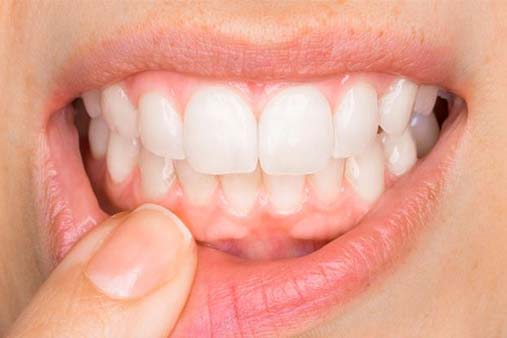
Behavioral Recalibration and the Human Experience of Gum Recession
Another rich area of analysis focuses on the human experience surrounding Receding Gums. Many individuals describe a recalibration of daily habits as they become more aware of gum sensitivity or aesthetic changes. This behavioral adaptation is an important component of the overall progression, as it influences how people interact with food textures, brushing techniques or temperature variations.
Researchers often use these firsthand accounts as qualitative data. These narratives help contextualize laboratory findings and bring depth to discussions about long term gum behavior. While personal experiences differ widely, they consistently point to the relationship between perception and physiological response. Understanding this connection allows scientists to study recession not only through tissue measurements but through lived human feedback, creating a more holistic scientific foundation.
Structural Interpretation and the Final Stages of Receding Gum Study
In the context of Receding Gums, the final stages of study involve examining how structural, behavioral and biological elements combine to form a cohesive pattern. Researchers frequently analyze how different tissue layers contribute to gum positioning or how long term biochemical influences shape the stability of the margin. These structural interpretations bring clarity to the later stages of recession, where the gum line’s movement has far reaching effects on sensation and oral dynamics.
What emerges from these analyses is an understanding of recession as an evolving phenomenon. It is not static and rarely follows a predictable path. Instead, it unfolds through a tapestry of influences that vary from one individual to another. By studying these influences side by side, experts gain deeper insight into the nature of recession and the systems that support or adapt to it over time.
Viewing Receding Gum Stages as a Dynamic Biological Journey
The exploration of Receding Gums across multiple stages reveals far more than shifting soft tissue. It uncovers a dynamic biological journey shaped by structural change, behavioral evolution, environmental influence and long term adaptation. Each stage offers a different perspective into how the oral system negotiates its internal balance, making the topic scientifically engaging and relevant.
Rather than framing recession as a simple outcome, examining its stages highlights the complexity of how gums respond to years of subtle cues and influences. This perspective enriches scientific understanding and supports a more holistic appreciation of the oral environment. In the end, considering all five stages allows researchers and readers alike to see the broader, interconnected story behind gum movement and the body’s remarkable capacity to adapt.