In today’s high-stress environment and intense pace, you may find yourself unconsciously clenching or grinding your teeth. The most effective and common solution for this condition, known medically as bruxism, is the use of a night guard.
These custom-designed transparent appliances prevent tooth-to-tooth contact during sleep, stopping wear and tear while minimizing jaw joint pain. By using a proper night guard, you not only protect your teeth but also wake up feeling more refreshed with a pain-free jaw structure.
Table of Contents
What is a Night Guard?
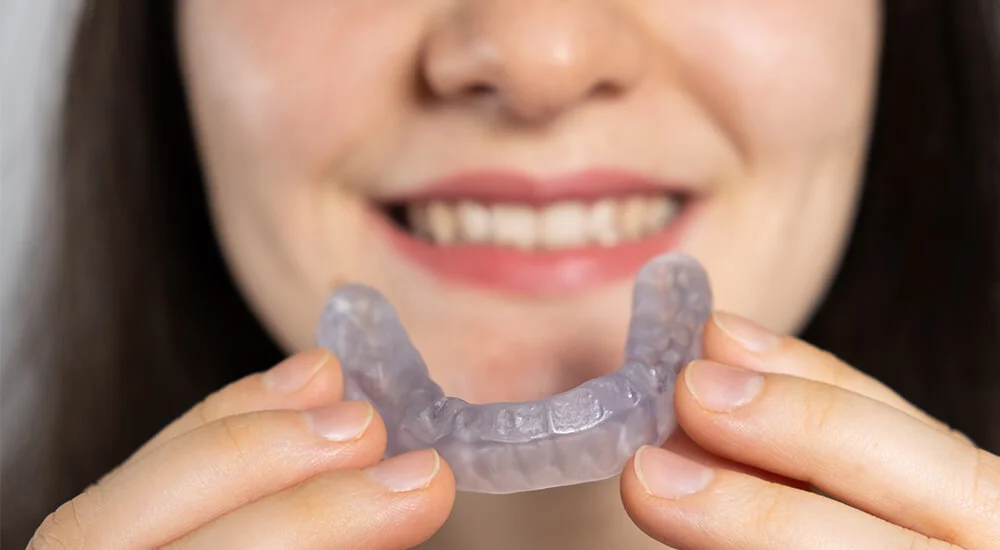
The answer to “what is a night guard” is a protective layer worn over the teeth during sleep. Technically, these are occlusal appliances made from biocompatible materials that prevent the teeth from locking and grinding against each other. Also known as a bruxism plate, these products can have a hard or soft texture; your dentist will decide this based on the severity of your clenching.
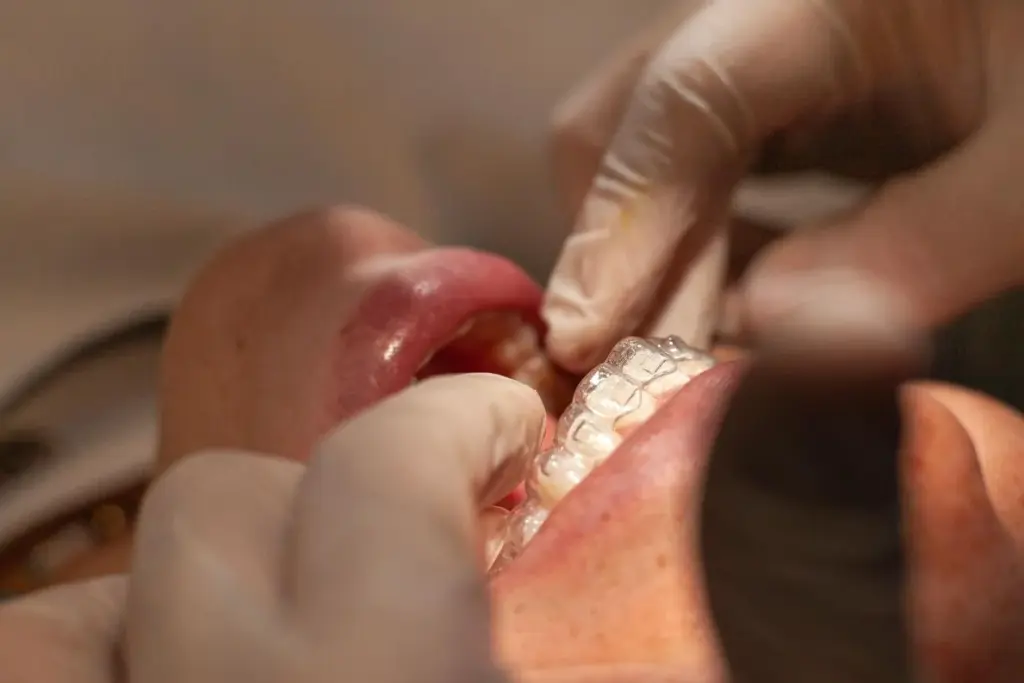
In modern clinics, digital intraoral scanners are now used instead of traditional putty impressions. Thanks to this technology, the night guard can fit your teeth with micron-level precision. A perfectly fitting guard reduces the sensation of a foreign object in the mouth, providing maximum protection without disrupting sleep quality.
Why is a Night Guard Used?
To understand why teeth need a guard, one must look at the effects of bruxism. So, why is a dental guard worn? The primary reason is to distribute the pressure—often amounting to hundreds of pounds—that teeth exert on each other. Uncontrolled clenching can lead to cracks in tooth enamel, broken fillings, and even damage to dental implants.
The benefits of a night guard include:
- Protecting Tooth Enamel: By reducing friction to zero, it stops enamel wear.
- Supporting Joint Health: It lightens the load on the temporomandibular joint (TMJ), preventing damage to cartilage tissue.
- Reducing Muscle Tension: By preventing the constant contraction of the chewing muscles (masseter), it can relieve facial pain experienced in the morning.
- Protecting Restorations: If you have porcelain laminates or zirconium crowns, these guards can extend their lifespan.
Another answer to what a night guard does is improved sleep quality. Individuals who clench their teeth often cannot reach a deep, restful sleep; the relaxation provided by the guard can offer a more uninterrupted sleep process.
How to Use a Night Guard?
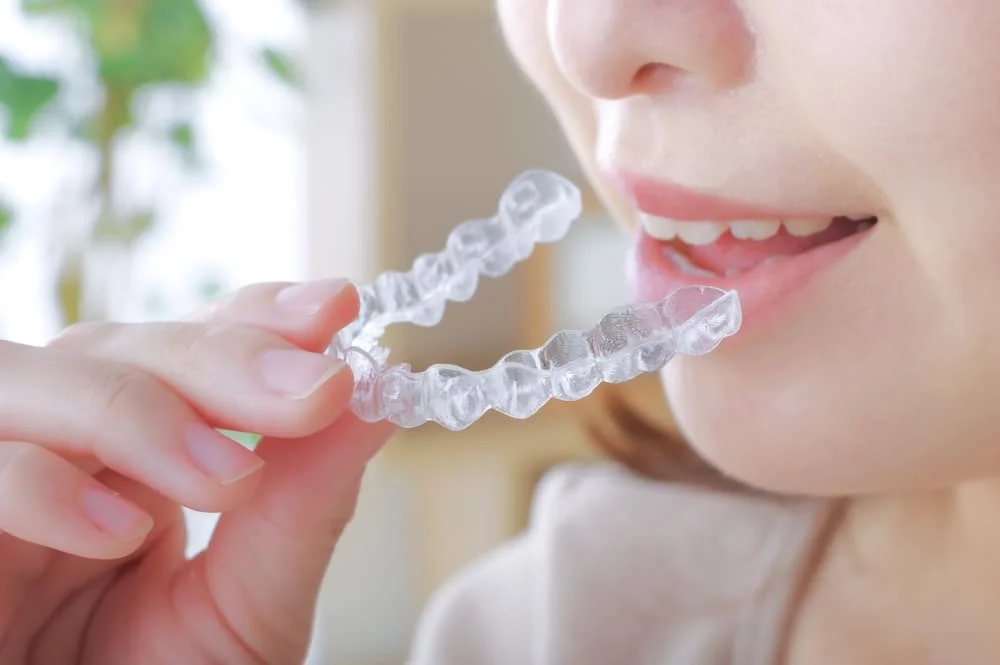
It may take a few days to get used to a new appliance. Regarding how to use a night guard, the most important rule is that it must be placed in a clean mouth. Immediately after brushing your teeth before bed, place the guard on your upper or lower jaw (as recommended by your dentist). Press it into place gently, but never try to “bite” it into place, as this can cause the guard to break.
A common question from patients is: “Should I wear my night guard every night?” Yes, bruxism is a continuous condition. If you neglect to wear your guard, your jaw muscles may quickly return to their previous stressed state.
How to Clean a Night Guard?
To ensure your guard remains transparent and does not cause mouth odors, maintenance is vital. The healthiest answer to “how to clean a night guard” is to wash it with cold or lukewarm water every morning when you wake up. Hot water must be strictly avoided as it can warp the structure and form of the guard.
You can follow these steps for cleaning:
- Brushing: Gently brush it with a soft toothbrush dedicated only to the guard and a non-abrasive toothpaste.
- Special Tablets: Once or twice a week, you can use denture or retainer cleaning tablets available at pharmacies.
- Drying: Do not put the guard in its case without drying it first; damp, closed environments lead to bacterial growth.
When examining night guard user reviews, the biggest complaint is often yellowing over time. This yellowing is usually caused by irregular cleaning or leaving the guard out in the open when not in the mouth.
Things to Consider When Using a Night Guard
To increase your comfort during the process, it is useful to check this list of considerations. To guarantee the success of the treatment:
- You should never eat anything after putting your guard in. Stay away from drinks other than water (tea, coffee, juice, etc.), as colored liquids can permanently stain the transparent structure.
- It is normal to feel a slight pressure on your teeth during the first few nights. This shows the guard is working to keep your teeth in their ideal position.
- If you feel that your night guard is making your teeth ache excessively or if the pain persists throughout the day, you must consult your dentist to check the fit.
- If you notice holes, thinning, or deep cracks on your guard, it means the appliance has completed its task and needs to be replaced to maintain protection.
When Does a Night Guard Relieve Jaw Pain?
Treatment is a process that requires patience. While the answer varies from person to person, muscle spasms usually begin to decrease after the first two weeks of regular use. It may take up to a month for the jaw joint to fully relax and for that feeling of “morning stiffness” to pass. If you have severe pain, your dentist may recommend muscle-relaxing exercises or Botox applications in addition to the guard.
FAQ: Frequently Asked Questions
Does a night guard straighten teeth?
No, the purpose of these guards is not orthodontic treatment, but rather to protect the existing alignment and reduce pressure on the joint. Clear aligner treatments are used to straighten teeth.
How often should I replace my guard?
This depends on the frequency of use and the severity of your clenching. An average guard can last 1 to 2 years. However, replacement is recommended if holes, cracks, or discoloration occur.
Is it hard to sleep while wearing a night guard?
It is natural to feel a sense of fullness in the mouth for the first few nights. However, the adaptation period for custom-made digital guards is very short; within a few days, patients often report that they find it difficult to sleep without the guard.
Is Botox or a night guard more effective?
Botox relaxes the chewing muscles to reduce clenching force, while a night guard physically prevents the teeth from touching. Usually, the best result is obtained by combining these two treatments.
Are over-the-counter guards harmful?
Yes, standard guards bought from pharmacies or the internet do not fit your specific jaw structure. Due to incorrect contact points, they can make your teeth or jaw joint condition worse; therefore, custom-produced guards should always be preferred.