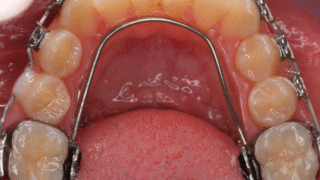
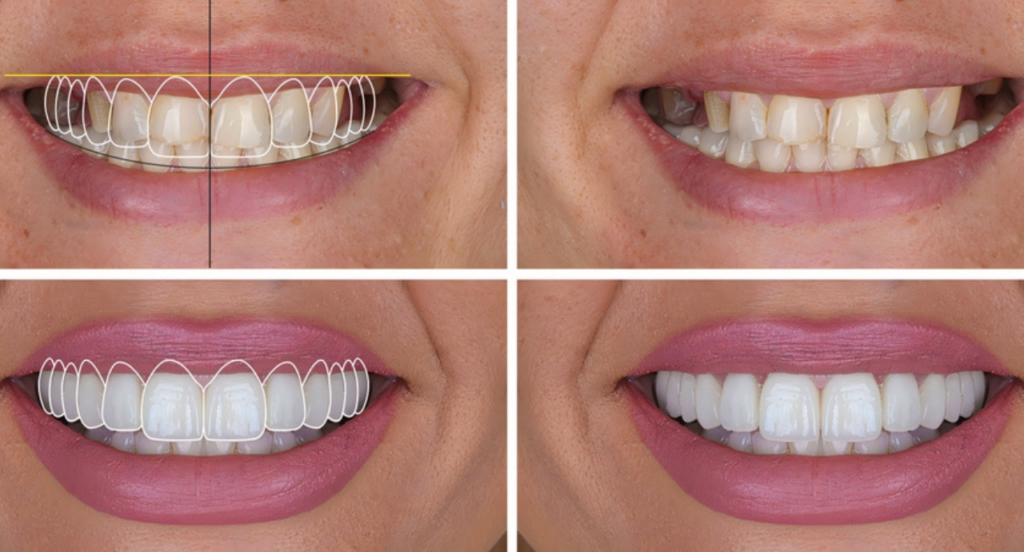
Digital Smile Design has revolutionized the field of cosmetic dentistry, offering patients an unprecedented level of customization and predictability. This innovative approach combines advanced digital imaging, facial analysis, and aesthetic planning to create a smile that harmonizes with each individual’s unique features. In this comprehensive guide, we will explore the principles, tools, and benefits of digital smile design, providing insights into why this approach is becoming the gold standard in modern dentistry.
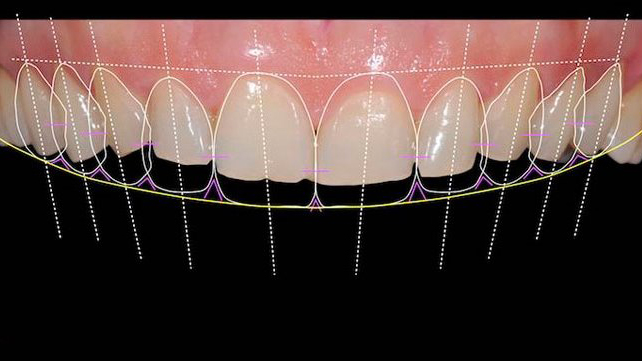
Understanding the Concept of Digital Smile Design
Digital Smile Design (DSD) is more than just a technological tool; it is a systematic process that merges art and science. By using 2D and 3D digital imaging, dentists can simulate potential outcomes before any treatment begins. This allows both the clinician and the patient to visualize the final results and make informed decisions.
DSD also emphasizes the relationship between the teeth, gums, lips, and overall facial structure. Unlike traditional methods that focus solely on the teeth, digital smile design considers the broader context, ensuring a natural and aesthetically pleasing outcome. Studies have shown that incorporating facial analysis into smile design significantly enhances patient satisfaction.
Key Technologies in Digital Smile Design
Modern digital smile design relies on a combination of cutting-edge technologies. High-resolution photography captures detailed images of the patient’s teeth and facial expressions. Intraoral scanners create accurate 3D models of the oral cavity, eliminating the need for conventional molds.
Software platforms such as Exocad and 3Shape enable precise digital modeling. These tools allow dentists to adjust tooth size, shape, and color, and even simulate dynamic changes in the smile during speech or laughter. This integration of technology ensures predictability and minimizes errors during treatment.
Benefits of Digital Smile Design
The advantages of digital smile design extend beyond aesthetics. Firstly, it improves communication between the patient and the dental team, as everyone can clearly visualize the treatment plan. Secondly, it enhances precision in restorative procedures, reducing chair time and improving overall efficiency.
Another key benefit is patient empowerment. By participating in the design process, individuals can make informed choices about their smile, resulting in higher satisfaction rates. Research indicates that patient involvement in DSD planning can lead to better adherence to post-treatment care and long-term success.
Applications in Cosmetic Dentistry
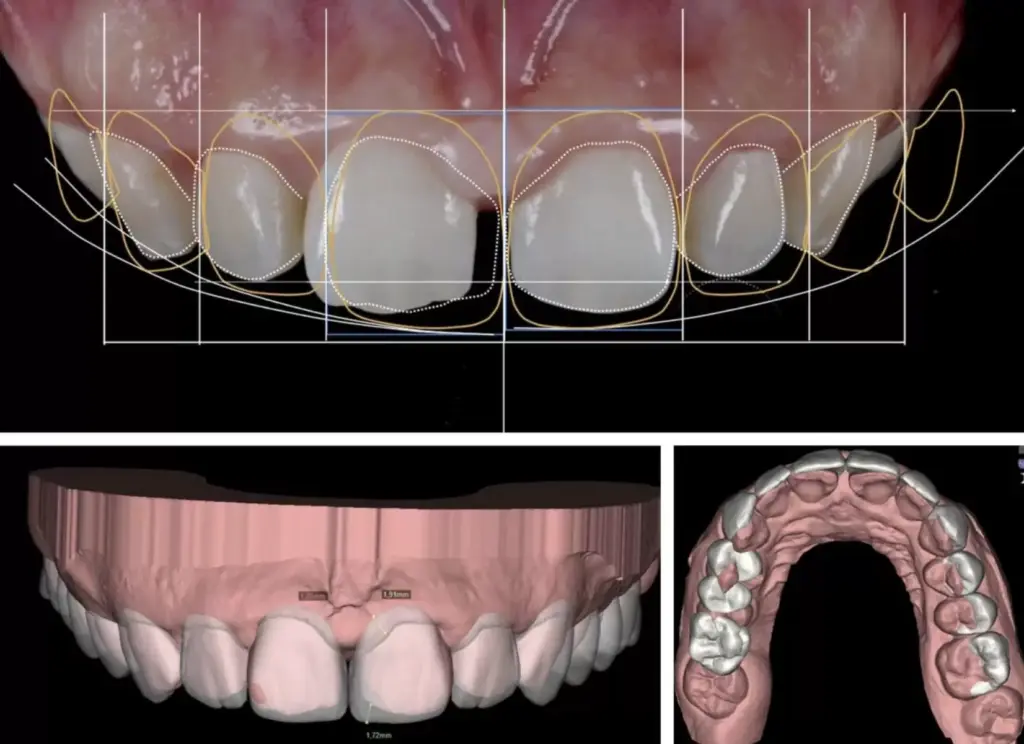
Digital smile design is applicable to a wide range of cosmetic procedures. Veneers, crowns, bridges, and orthodontic treatments all benefit from the predictive capabilities of DSD. For instance, when planning porcelain veneers, DSD allows for precise color matching and alignment, avoiding common issues like uneven spacing or disproportionate sizing.
In orthodontics, DSD assists in visualizing tooth movement and predicting treatment duration. This holistic approach ensures that the final smile is not only beautiful but also functional and harmonious with the patient’s facial features.
The Process of a Digital Smile Design Consultation
A typical DSD consultation involves multiple steps. Initially, high-resolution photographs and videos of the patient’s smile and facial expressions are captured. These are combined with intraoral scans to create a comprehensive digital model.
Next, the dentist analyzes facial symmetry, lip dynamics, and dental proportions. This analysis informs the design of a customized smile. The proposed design is then presented to the patient for feedback. Adjustments are made collaboratively, ensuring the final plan meets both aesthetic and functional goals. Finally, mock-ups or temporary restorations may be created to simulate the outcome before permanent treatment.
Challenges and Considerations
Despite its many benefits, digital smile design has challenges. Accurate outcomes depend on high-quality imaging and meticulous planning. Small errors in scanning or alignment can impact the final result. Additionally, the software and equipment required are costly, which may limit accessibility in some regions.
Patient expectations also need careful management. While DSD provides predictive insights, biological factors and healing responses may influence the final outcome. Dentists must communicate these variables clearly, maintaining realistic expectations.
Future Trends in Digital Smile Design
The future of digital smile design is poised for exciting advancements. Artificial intelligence and machine learning are increasingly integrated into smile design software, offering predictive analytics and automated suggestions for optimal aesthetics. Virtual reality simulations may soon allow patients to ‘experience’ their new smile in real-time.
Furthermore, 3D printing technology is becoming more accessible, enabling rapid production of custom restorations. As digital workflows continue to evolve, patients and dentists can expect even greater precision, efficiency, and satisfaction in cosmetic dental procedures.
Digital Smile Design represents a paradigm shift in cosmetic dentistry, blending artistry, technology, and patient collaboration. By leveraging advanced imaging, software, and analytical tools, it offers predictable, personalized, and aesthetically pleasing results. While challenges remain, the benefits of this approach make it a cornerstone of modern dental practice.