Gum recession is one of the most overlooked oral health issues, yet it affects millions worldwide. As gums gradually pull away from the teeth, the risk of tooth sensitivity, decay, and aesthetic concerns rises. But the burning question many have is: is it ever too late for treatment?
Understanding Gum Recession: What Happens to Your Gums
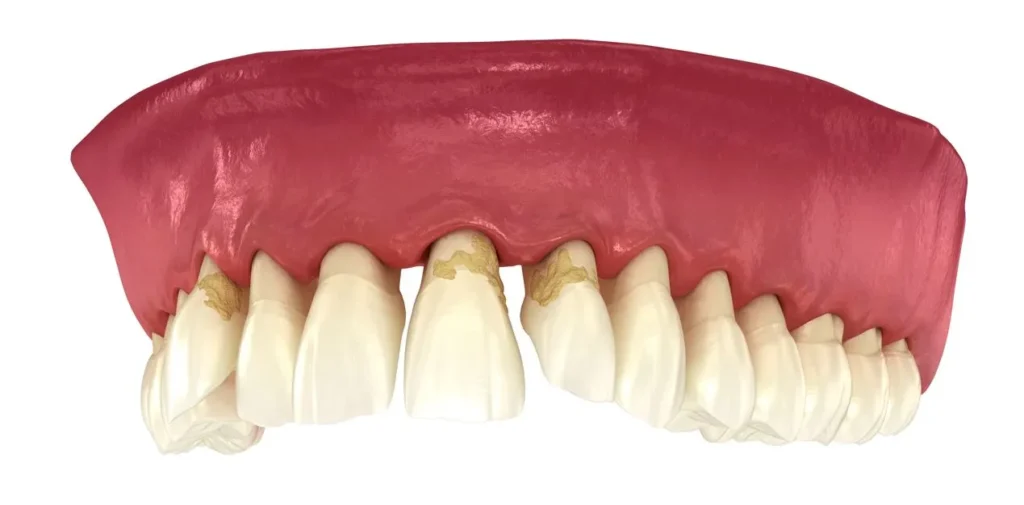
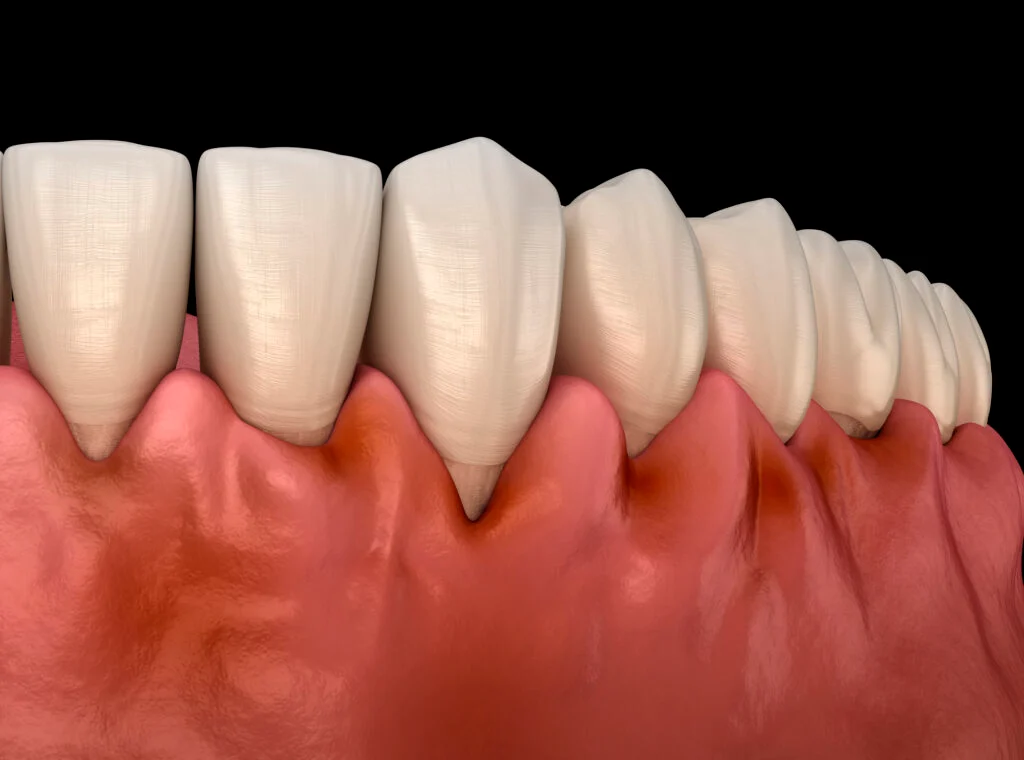
Gum recession occurs when the gingival tissue that surrounds the teeth starts to shrink or recede, exposing more of the tooth or even the tooth root. This phenomenon is not just a cosmetic concern it can impact overall oral health. Research suggests that nearly 50% of adults over 30 experience some degree of gum recession.
The process is often gradual, making it difficult to notice until sensitivity or cosmetic issues appear. Early signs can include minor root exposure, slight inflammation, and bleeding after brushing. Understanding the mechanics of gum tissue and how it responds to various factors is key in assessing the potential for treatment.
Causes of Gum Recession: Beyond Poor Brushing
While improper brushing techniques are a well-known cause, gum recession has multiple contributors. Genetics, aggressive flossing, hormonal changes, and systemic conditions like diabetes can all play a role. Additionally, habits such as teeth grinding (bruxism) or using tobacco can accelerate tissue loss.
Interestingly, studies have shown that even individuals with excellent oral hygiene may develop gum recession due to genetic predisposition. Therefore, awareness and monitoring are essential, as preventive strategies may vary depending on individual risk factors.
Symptoms of Gum Recession: Spotting the Early Warning Signs
Identifying gum recession early can make a significant difference in treatment outcomes. Common symptoms include:
- Increased tooth sensitivity to hot, cold, or sweet foods
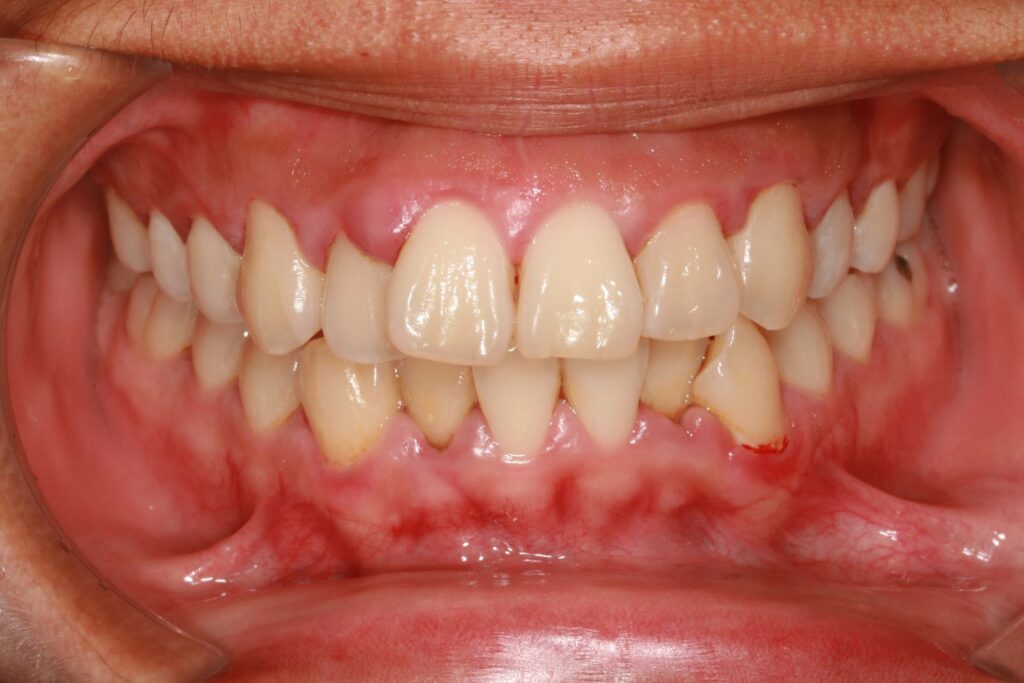
- Noticeable elongation of teeth due to exposed roots
- Mild swelling or redness along the gum line
- Gaps forming between teeth where the gum has pulled away
Early detection allows for minimally invasive interventions. However, in advanced cases, where bone loss accompanies gum recession, more complex procedures may be required.
Treatment Options for Gum Recession: Can It Be Reversed?
Contrary to popular belief, not all cases of gum recession are irreversible. Treatment depends on severity and the underlying cause. Approaches include:
- Non-surgical interventions: Desensitizing toothpaste, specialized oral hygiene techniques, and targeted fluoride applications can manage early-stage recession.
- Surgical options: Procedures like gum grafts or regenerative therapies aim to restore tissue and protect tooth roots.
Emerging studies in periodontal regeneration show promising results using stem cells and growth factors to rebuild gum tissue. While these treatments are still evolving, they demonstrate the potential for more effective solutions in the near future.
Preventing Gum Recession: Lifestyle and Oral Care Habits
Prevention is always better than treatment. Simple adjustments in daily oral care routines can reduce the progression of gum recession:
- Use a soft-bristled toothbrush and gentle circular brushing motion
- Avoid tobacco products and limit alcohol consumption
- Consider custom night guards if you grind your teeth
- Maintain regular dental check-ups to monitor gum health
Scientific reports indicate that lifestyle modifications, combined with consistent professional care, significantly reduce the risk of progressive gum loss.
Advanced Gum Recession: When Treatment Becomes Complex
In severe cases, gum recession may be accompanied by bone loss and periodontal disease. These scenarios require comprehensive periodontal assessment and may involve:
- Guided tissue regeneration
- Connective tissue grafting
- Long-term maintenance programs
Even in advanced stages, modern dentistry provides options that can restore function and appearance, although results may vary depending on individual factors. Research consistently emphasizes early intervention as the most effective strategy.
Taking Action Against Gum Recession
Gum recession is not merely a cosmetic issue it has functional implications that can affect oral health for life. While early intervention offers the best prognosis, advances in periodontal therapy provide hope for those with more advanced conditions. Monitoring your gums, understanding the risk factors, and seeking professional assessment are crucial steps in managing this pervasive oral health concern.
At Livera Clinic, we emphasize education, awareness, and personalized treatment approaches for optimal gum health. No matter the stage of gum recession, staying informed and proactive is key to preserving both the beauty and function of your smile.