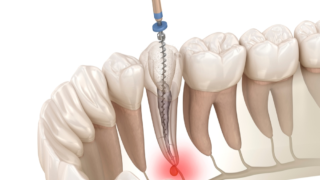
Root canal treatment is an essential procedure performed to alleviate severe toothache and preserve the natural tooth structure. When the living tissue inside the tooth, known as the “pulp,” becomes infected or damaged, a root canal becomes inevitable. However, the successful completion of the treatment is not limited to the time spent in the clinic.
The recovery process after root canal treatment is just as critical as the procedure itself. The recovery period is part of the body’s natural response to the treatment. During this time, the tooth needs time to reintegrate with the surrounding tissues and for the risk of infection to be completely eliminated.
Table of Contents
Is Pain and Soreness Normal After Root Canal Treatment?
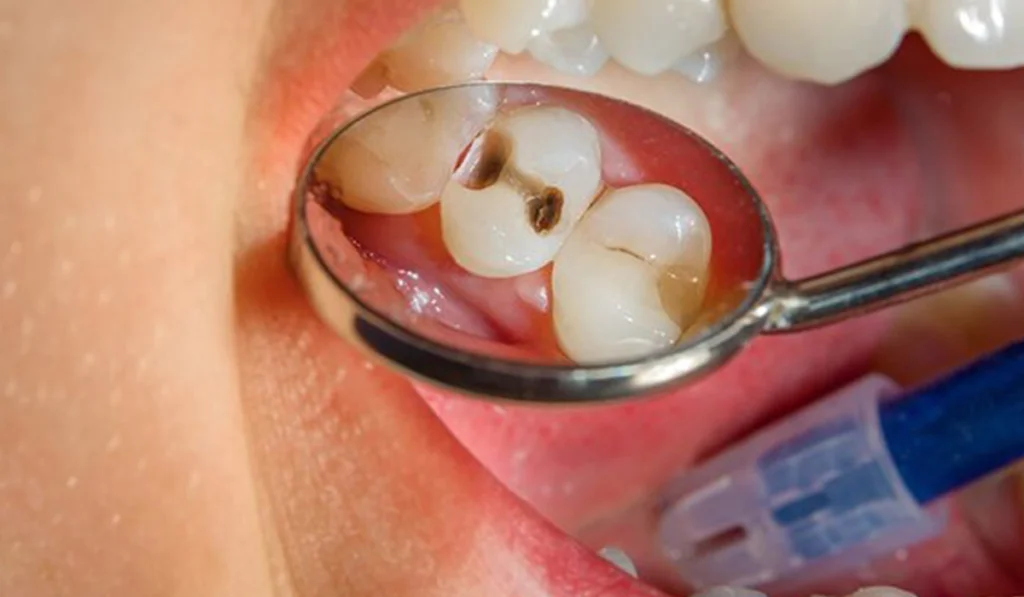
Since a root canal involves removing the nerves inside the tooth, pain originating from the tooth itself is not expected. However, the answer to the question “will there be pain after root canal treatment?” depends on the sensitivity of the surrounding tissues. The tissues connecting the tooth to the bone and the bone structure itself may experience some irritation during the procedure. Therefore, mild sensitivity, throbbing, or a slight stinging sensation when pressure is applied is normal once the numbness wears off.
This condition can usually be managed with simple painkillers recommended by your dentist. So, how long does pain last after root canal treatment? This mild sensitivity typically begins to subside within a few days and usually disappears within a week at most. However, the symptoms you experience may not be limited to mild pain.
Inability to Apply Pressure and Sensitivity
One of the most common complaints from patients is the inability to bite down on the tooth after root canal treatment. This indicates that the surrounding tissues of the tooth are still sensitive and the healing process is ongoing. Avoiding excessive pressure on this area allows the tissues to rest and heal faster.
The height of the temporary or permanent filling material can also cause this sensation. If sensitivity after root canal treatment lasts longer than a few weeks, the height of the filling may need to be checked by your dentist.
Severe Pain and Swelling
In contrast to mild sensitivity, experiencing severe pain after root canal treatment may be a sign of a hitch in the recovery process. If the pain is increasing, not responding to painkillers, or is accompanied by swelling in the area or the gums, this may indicate a complication.
In rare cases, the treatment may not have completely eliminated the infection in the surrounding tissues, or additional canals in the tooth’s anatomy may have been missed. In such cases, there is a risk of abscess formation after root canal treatment, and you should consult your dentist immediately.
Nutrition After Root Canal Treatment: What to Eat and What to Avoid
Your diet after root canal treatment is of great importance for both protecting the treated area and supporting the body’s healing process. The most important rule to follow immediately after treatment is to wait for the numbness to wear off completely.
So, when can you eat after root canal treatment? Eating while still numb can lead to accidentally biting your cheek or tongue, causing injury. Therefore, you can start eating approximately 2-3 hours after the procedure, once the anesthesia has worn off.
Soft Food Recommendations for the First Few Days
Since the surrounding tissues of the treated tooth will be sensitive, it is best to consume soft and warm foods that do not require heavy chewing:
- Yogurt, ayran, and kefir
- Pureed vegetable soups (not too hot)
- Fruit purees (especially soft fruits like bananas)
- Boiled vegetables
- Puddings or milk-based desserts
Things to Avoid
To ensure the healing process is not negatively affected, you should stay away from certain foods and habits:
- Hard and Sticky Foods: Hard-shelled nuts like hazelnuts or walnuts, or sticky candies like caramel, can dislodge your temporary filling or cause stinging by putting excessive load on the tooth.
- Extremely Hot and Cold Foods: Since the treated tooth may have temporary sensitivity, extreme temperatures can increase discomfort after root canal treatment.
- Smoking and Alcohol: Specifically, smoking after root canal treatment negatively affects blood circulation in the mouth, slowing down tissue healing. If possible, minimize smoking until recovery is complete.
How Should Dental Care Be Handled After Root Canal Treatment?
Protecting the treated tooth and maintaining maximum oral hygiene are key to a successful recovery.
- Brushing: You should brush your teeth even immediately after the procedure. However, brushing after root canal treatment should be done more gently in the area where the tooth was treated. Using a soft-bristled toothbrush helps prevent tissue damage.
- Flossing: Flossing is necessary to prevent plaque buildup between teeth. However, if you have a temporary filling, be careful not to dislodge it when pulling the floss up. It is safer to pull the floss out sideways after passing it between the teeth.
- Mouthwash: If recommended by your dentist, using an alcohol-free mouthwash can help reduce the bacterial load in the mouth. However, this does not replace brushing.
When Should You Call Your Dentist?
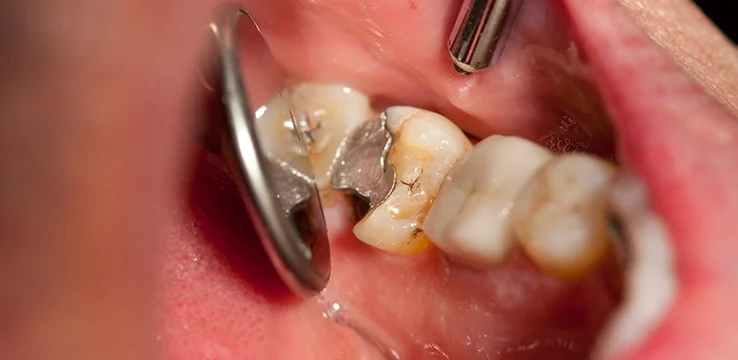
While mild soreness or sensitivity is considered normal, some symptoms can be signs of complications. You should contact your dentist immediately if you experience the following:
- Severe and Increasing Pain: Pain that does not respond to painkillers, is throbbing, or worsens over time.
- Swelling: Visible swelling around the treated tooth or that specific area of the face.
- Changes in the Filling: If your temporary filling falls out, breaks, or becomes loose.
- Allergic Reaction: Signs of an allergy such as a rash, itching, or shortness of breath in response to medications or materials.
- Bad Taste or Odor: A persistent bad taste or smell in the mouth.
What is the Lifespan of a Root Canal Treated Tooth?
With a correctly performed procedure and diligent care after root canal treatment, this tooth can stay in the mouth for a lifetime. The lifespan depends on the dentist’s expertise, the quality of the materials used, and the patient’s oral hygiene.
However, it should be noted that because a root canal treated tooth no longer has pulp tissue, it can become more brittle. To strengthen the tooth structure, an aesthetic and durable filling or crown restoration is usually applied. The durability of this restoration and regular dental check-ups are the most important factors determining the tooth’s lifespan.
Things to Consider After Root Canal Treatment
To guarantee the success of the treatment and speed up the recovery, we can summarize the things to consider after root canal treatment in the following list:
- Do not eat anything until the numbness wears off.
- Eat soft foods for the first few days.
- Avoid chewing hard foods with the treated tooth.
- Use medications recommended by your dentist (e.g., antibiotics after root canal treatment, if necessary) regularly.
- Mild pain or soreness is normal; do not worry.
- Pay attention to oral hygiene; brush gently.
- Minimize smoking and alcohol consumption.
- Do not put excessive load on the tooth until your permanent restoration (filling or crown) is completed.
- Do not skip regular dental check-ups.
FAQ
Can a tooth with a root canal decay again?
Yes. A root canal cleans the inside of the tooth from infection but does not protect the external structure from decay. Poor oral hygiene can lead to new cavities in the surrounding tissues or at the gum line.
Is it necessary to use antibiotics after root canal treatment?
Usually, no. Root canal treatment removes the source of the infection, allowing the body to heal itself. However, if the infection has spread to surrounding tissues, if swelling is severe, or if the patient’s immune system is weak, your doctor may prescribe antibiotics.
Can I brush my teeth after root canal treatment?
Yes, you should brush your teeth even on the day of the procedure. Maintaining oral hygiene speeds up healing. However, be careful to clean the treated area more gently with a soft brush.
How long does it take for a tooth to heal after root canal treatment?
The sensitivity that occurs after treatment usually passes on its own within 3 to 7 days. The full integration of the tooth with the surrounding tissues and the complete healing process can take a few weeks depending on the case.
How do you know if a root canal treatment has failed?
Severe pain that does not go away long after the treatment, swelling in the gums, or an abscess are the clearest signs of failure. Additionally, extreme sensitivity during chewing and a persistent bad odor in the area may indicate that the procedure needs to be repeated.