Oral health is closely linked with daily habits, professional care, and preventive dentistry. One of the most commonly discussed procedures in modern dental hygiene is Tartar Removal, a clinical process designed to eliminate hardened plaque deposits from teeth and gums. While brushing and flossing help reduce plaque, mineralized plaque known as tartar often requires professional Tartar Removal performed by dental professionals.
At Livera Clinic, specialists frequently explain that Tartar Removal is not simply a cosmetic cleaning procedure. It is commonly associated with maintaining gum health, supporting overall oral hygiene, and preventing complications related to bacterial buildup. Understanding how Tartar Removal works, what happens during the procedure, and how costs are determined can help patients approach dental care with more clarity.
What Is Tartar and Why Tartar Removal Becomes Necessary
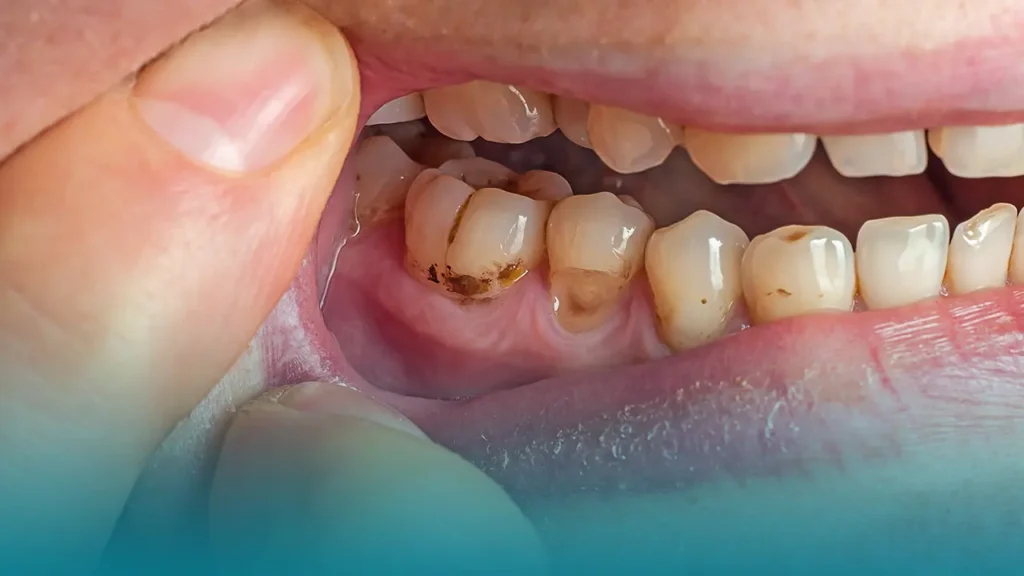
Tartar, sometimes referred to as dental calculus, forms when plaque remains on the tooth surface and gradually mineralizes due to saliva minerals. Once plaque hardens, normal brushing cannot eliminate it. This is where Tartar Removal becomes an essential part of professional dental hygiene.
Plaque is composed of bacteria, food debris, and proteins. If it stays on the teeth long enough, it calcifies into tartar. This hardened structure firmly attaches to enamel and may extend below the gumline. Dentists often emphasize that Tartar Removal is the only reliable method to remove these deposits once they solidify.
Without professional Tartar Removal, tartar accumulation may create an environment where bacteria thrive. Over time, this environment could potentially affect gum tissue and lead to inflammatory conditions. The main goal of Tartar Removal is therefore not only cleaning the teeth but also disrupting bacterial colonies that may develop around hardened plaque.
Another important aspect of Tartar Removal is accessibility. Tartar often accumulates in areas that toothbrush bristles cannot reach effectively, such as between teeth or along the gum margin. Professional instruments used during Tartar Removal allow dental professionals to carefully access these areas.
How Dental Tartar Forms on Teeth
Understanding how tartar forms helps explain why Tartar Removal is periodically required. The process begins with plaque formation, which may occur within hours after brushing.
Plaque is soft and sticky. If it remains undisturbed for extended periods, minerals from saliva gradually integrate into the plaque structure. This mineralization process transforms plaque into a hardened substance that adheres strongly to tooth enamel.
Once tartar forms, it acts as a rough surface where additional plaque accumulates more easily. This cycle makes Tartar Removal a recurring preventive procedure in dentistry. Even individuals with excellent oral hygiene may still require professional Tartar Removal because plaque can mineralize in hard to reach areas.
Several factors influence how quickly tartar develops, including saliva composition, diet patterns, oral hygiene habits, and individual biological differences. For this reason, the frequency of Tartar Removal may vary between individuals.
Dental professionals sometimes observe that tartar forms most frequently around the lower front teeth and upper molars due to the location of salivary glands. These areas often receive particular attention during Tartar Removal sessions.
Tartar Removal Procedure: Step by Step
The Tartar Removal procedure is usually performed during a professional dental cleaning appointment. While the exact process may vary depending on dental clinics and patient conditions, several common stages are typically involved.
1. Initial Oral Examination
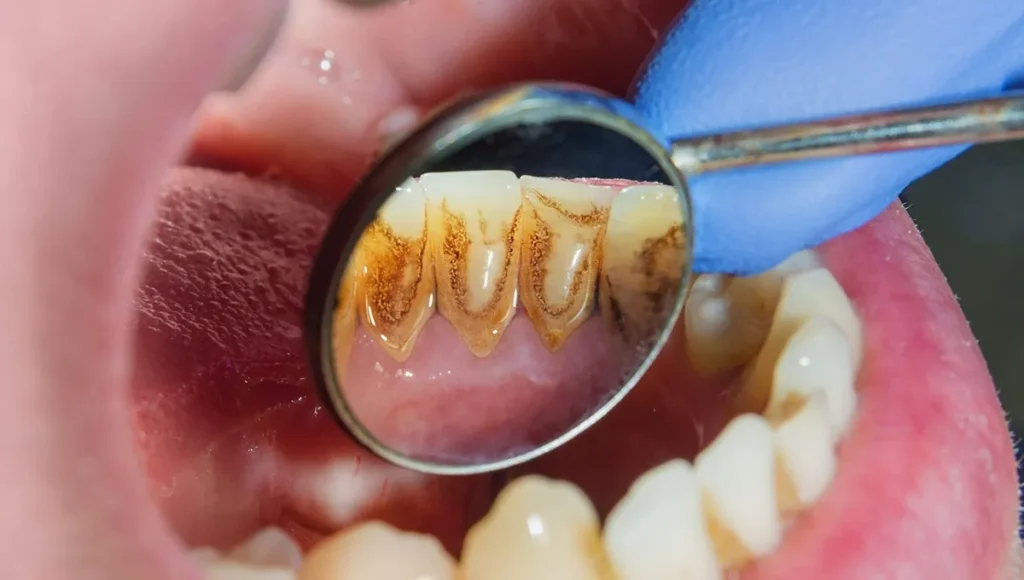
Before beginning Tartar Removal, the dental professional usually evaluates the mouth using mirrors and diagnostic tools. This step helps identify areas where tartar accumulation is most prominent.
2. Scaling Stage
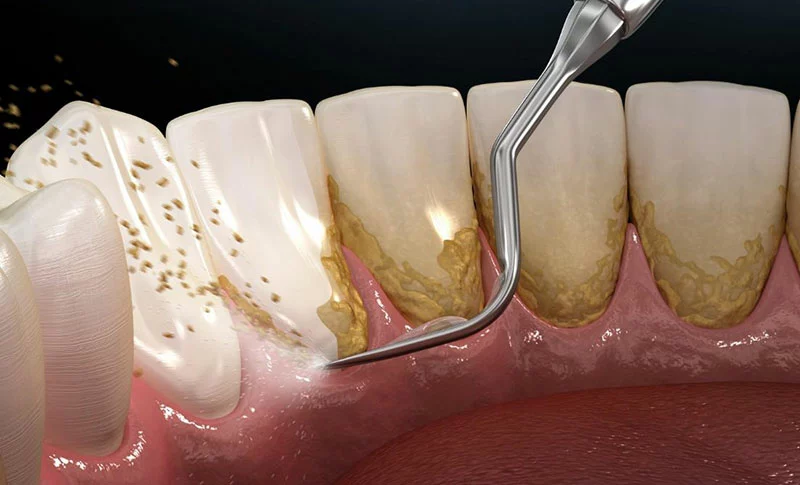
Scaling is the primary stage of Tartar Removal. During this step, specialized instruments called scalers remove hardened deposits from tooth surfaces and along the gumline.
Scaling may involve either manual instruments or ultrasonic devices. Both techniques aim to detach tartar safely without damaging the enamel.
3. Subgingival Cleaning
If tartar extends beneath the gums, deeper Tartar Removal may be required. This process targets areas where bacteria might accumulate below the gum margin.
4. Tooth Polishing
After Tartar Removal, polishing is often performed to smooth the enamel surface. This stage reduces microscopic roughness where plaque may adhere in the future.
5. Rinse and Final Check
The procedure usually concludes with a thorough rinse and a final inspection to ensure that the Tartar Removal process has addressed all visible deposits.
Although the entire Tartar Removal process is generally straightforward, the duration can vary depending on the level of tartar buildup.
Techniques Used for Professional Tartar Removal
Modern dentistry uses several technologies and instruments to perform Tartar Removal efficiently and comfortably. The choice of method often depends on the patient’s dental condition and the location of tartar deposits.
Ultrasonic Scaling
Ultrasonic devices use high frequency vibrations to break apart tartar. These tools also spray water to wash away debris during Tartar Removal.
The vibration mechanism can help loosen deposits while minimizing manual scraping. Many clinics incorporate ultrasonic scaling as a standard step in Tartar Removal procedures.
Manual Scaling Instruments
Traditional dental scalers are thin, curved tools designed to reach precise areas around teeth. Manual Tartar Removal allows dental professionals to control pressure and angle carefully.
These instruments are particularly useful when removing tartar from narrow spaces between teeth.
Air Polishing Systems
Some clinics complement Tartar Removal with air polishing. This technique sprays a mixture of water, air, and fine powder to remove stains and residual plaque.
Air polishing does not replace Tartar Removal, but it may enhance the cleaning process by improving the smoothness of tooth surfaces.
Factors That Influence Tartar Removal Costs
The cost of Tartar Removal varies across countries, clinics, and treatment plans. Several variables can influence pricing.
Below is a simplified overview of common cost factors related to Tartar Removal.
| Factor | Description |
| Level of tartar buildup | Heavier buildup may require longer Tartar Removal sessions |
| Geographic location | Dental service prices vary between regions |
| Clinic technology | Advanced equipment used during Tartar Removal may affect cost |
| Additional treatments | Polishing, fluoride, or deep cleaning may be included |
| Dentist expertise | Experience and specialization sometimes influence Tartar Removal fees |
In some cases, deeper gum cleaning procedures may be recommended alongside Tartar Removal, which could alter the overall treatment cost.
Patients considering Tartar Removal at clinics such as Livera Clinic often receive a personalized evaluation before pricing details are determined.
Potential Benefits of Regular Tartar Removal
Many dental professionals discuss the advantages associated with periodic Tartar Removal as part of preventive care strategies.
One commonly mentioned benefit of Tartar Removal is the removal of bacterial reservoirs that develop in hardened plaque. By eliminating these deposits, dental cleanings aim to support healthier oral conditions.
Another potential benefit of Tartar Removal is improved surface smoothness on teeth. When tartar is removed, the enamel surface becomes less favorable for new plaque accumulation.
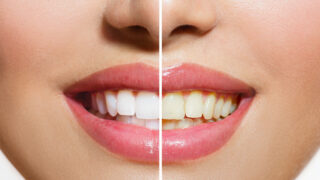
Some individuals also notice aesthetic improvements after Tartar Removal, since tartar deposits can appear yellow or brown on the teeth.
Dental professionals often suggest that Tartar Removal contributes to routine dental maintenance rather than serving as a treatment for existing conditions. Its role is typically described as preventive.
How Often Tartar Removal May Be Recommended
The frequency of Tartar Removal appointments can differ depending on oral hygiene habits, genetics, and lifestyle factors.
Many dental professionals commonly suggest professional cleaning once or twice a year. However, individuals who develop tartar quickly may require Tartar Removal more frequently.
People with orthodontic appliances, crowded teeth, or limited access for brushing may experience faster tartar accumulation. In such cases, dentists might advise shorter intervals between Tartar Removal visits.
Lifestyle factors such as diet, smoking habits, and saliva composition may also influence how quickly tartar forms. These variables often play a role when determining a personalized Tartar Removal schedule.
Regular dental checkups allow professionals to monitor plaque and tartar levels and decide when another Tartar Removal session may be appropriate.
Professional Tartar Removal plays an important role in modern dental hygiene. By removing hardened plaque that cannot be eliminated with daily brushing alone, the Tartar Removal procedure helps maintain cleaner tooth surfaces and supports routine oral care.
The process typically involves scaling, polishing, and evaluation performed by trained dental professionals. Although the details may vary depending on individual conditions, Tartar Removal is widely recognized as a standard preventive dental practice.
Understanding how tartar forms, how Tartar Removal is performed, and which factors influence treatment costs can help individuals make informed decisions about their dental care. Clinics such as Livera Clinic emphasize patient education so that individuals can better understand the value and purpose of Tartar Removal within a broader oral health strategy.
With advancements in dental technology and preventive care, Tartar Removal continues to remain a fundamental part of maintaining long term oral hygiene.