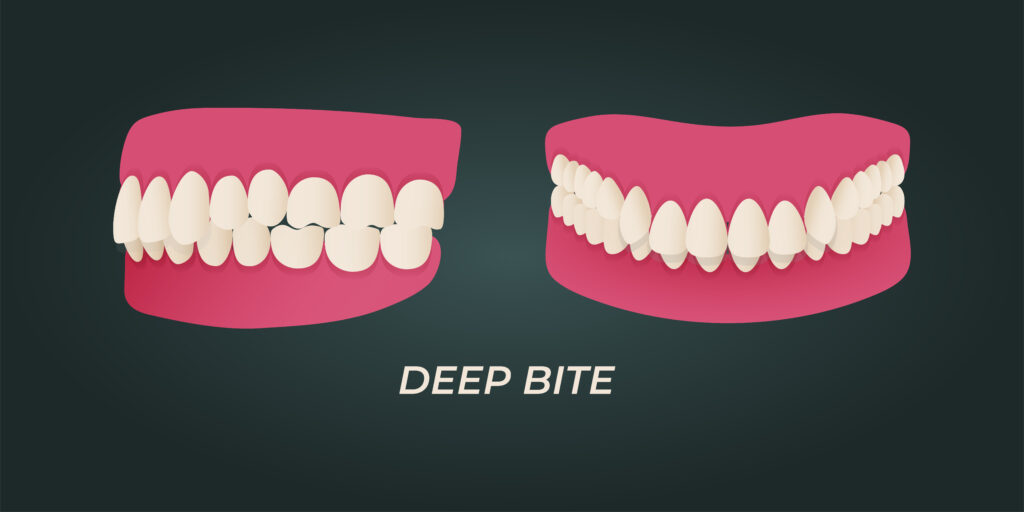
A deep bite is a common dental condition where the upper front teeth excessively overlap the lower front teeth when the jaw is closed. While it may seem like a simple alignment issue, this condition can affect oral health, facial aesthetics, and even overall comfort. Understanding what a deep bite entails, its causes, implications, and treatment options can help patients make informed decisions about their dental care.
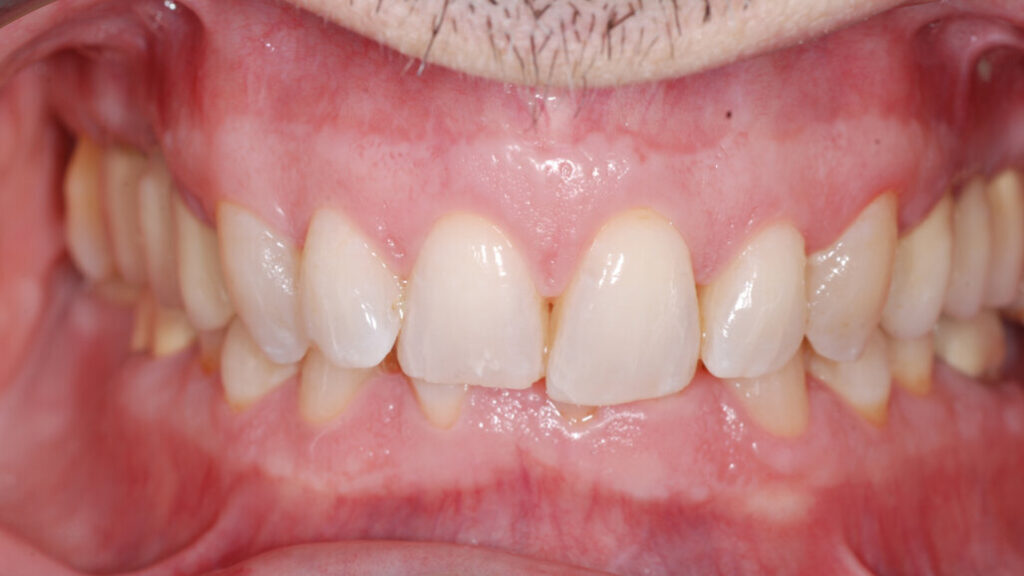
Understanding the Mechanism of a Deep Bite
A deep bite, also referred to as an overbite or vertical overlap, occurs when the upper teeth cover the lower teeth more than the normal range. Typically, the upper front teeth should overlap the lower ones by 2–3 millimeters, but in a deep bite, this overlap is much greater.
Causes of a deep bite vary widely. Genetics often play a significant role, influencing jaw size and tooth alignment. Habits like prolonged thumb-sucking or tongue-thrusting in childhood can also contribute. Additionally, tooth wear or loss of posterior teeth may exacerbate the condition over time.
Types of Deep Bite and How They Differ
Not all deep bites are identical. Dentists categorize them primarily into two types:
- Skeletal Deep Bite: This form arises from jaw discrepancies, where the upper jaw grows more than the lower jaw.
- Dental Deep Bite: This form results from misaligned teeth rather than jaw structure.
Understanding the type is crucial for determining the most effective treatment. Skeletal cases may require orthodontics combined with surgical interventions, while dental cases often respond well to braces or aligners.
Symptoms and Potential Complications of a Deep Bite
A deep bite isn’t always visibly obvious, but it can present several symptoms:
- Excessive wear on lower teeth
- Jaw pain or temporomandibular joint discomfort
- Gum irritation or recession
- Speech difficulties in severe cases
Over time, an untreated deep bite can lead to accelerated tooth wear, enamel erosion, and even functional issues like biting or chewing difficulties. Research in orthodontics emphasizes that early detection can prevent long-term complications.
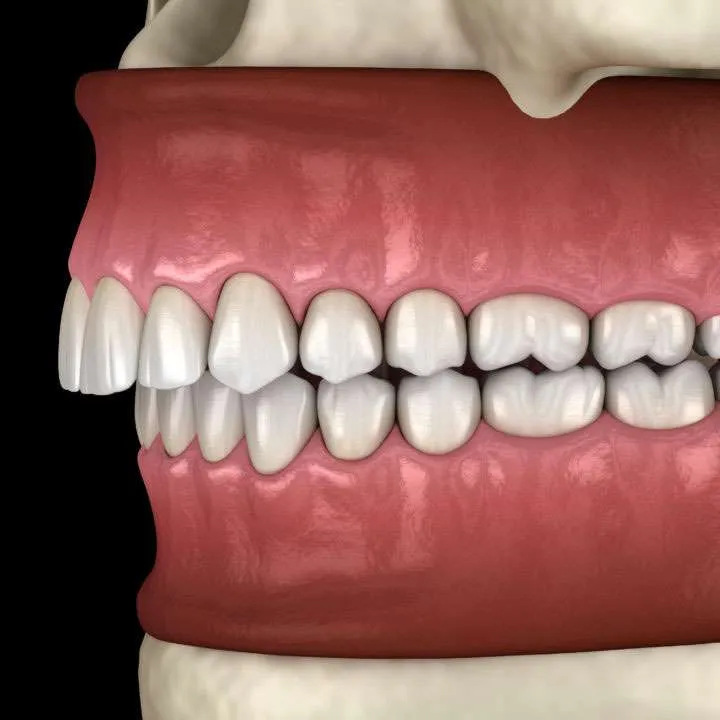
Diagnostic Approaches for Deep Bite Assessment
Accurate diagnosis of a deep bite involves both clinical examination and imaging. Dentists evaluate:
- Vertical overlap between upper and lower teeth
- Jaw alignment
- Tooth wear patterns
- Bite force distribution
Advanced tools, such as digital cephalometric X-rays and 3D scans, allow clinicians to visualize the precise structure of the jaw and teeth. This data is essential for creating a personalized treatment plan.
Treatment Options for Deep Bite
Addressing a deep bite depends on the severity and underlying cause. Common approaches include:
- Braces: Traditional orthodontic braces can gradually realign teeth to correct the overlap.
- Clear Aligners: Invisible aligners offer a discreet alternative for mild to moderate cases.
- Dental Restorations: Crowns, veneers, or bonding may be used to restore worn teeth and adjust bite.
- Surgical Intervention: Severe skeletal cases may require orthognathic surgery to correct jaw positioning.
A combination of these approaches is sometimes necessary. Treatment duration varies, often ranging from several months to a few years depending on complexity.
Preventive Measures and Long-Term Maintenance
While genetics and skeletal structure cannot be changed, certain habits and practices help minimize the risk of a deep bite worsening:
- Regular dental check-ups for early detection
- Avoiding habits like nail-biting, thumb-sucking, or excessive teeth grinding
- Maintaining oral hygiene to prevent tooth wear and gum issues
Long-term success also depends on post-treatment retention. Retainers or bite splints are commonly prescribed to maintain the corrected alignment and prevent relapse.
The Psychological and Aesthetic Impact of a Deep Bite
Beyond physical symptoms, a deep bite can affect facial appearance and self-confidence. Severe overbites may alter the profile, giving the chin a recessed look or creating an uneven smile. Addressing a deep bite not only improves dental function but can also enhance overall facial harmony and patient confidence.
Table: Deep Bite vs Normal Bite
| Feature | Normal Bite | Deep Bite |
| Upper-lower teeth overlap | 2–3 mm | >4 mm |
| Jaw alignment | Balanced | May have skeletal discrepancies |
| Tooth wear | Minimal | Significant over time |
| Treatment complexity | Low to moderate | Moderate to high |
A deep bite is more than just an aesthetic concern it is a functional dental condition that can impact oral health and overall quality of life. Early diagnosis, personalized treatment, and consistent follow-up care are key to achieving optimal results. By understanding the causes, symptoms, and interventions, patients can take informed steps to correct a deep bite and maintain long-term dental well-being.