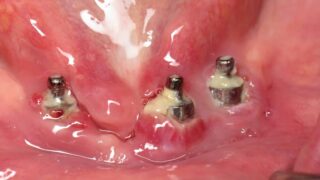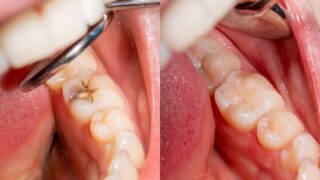
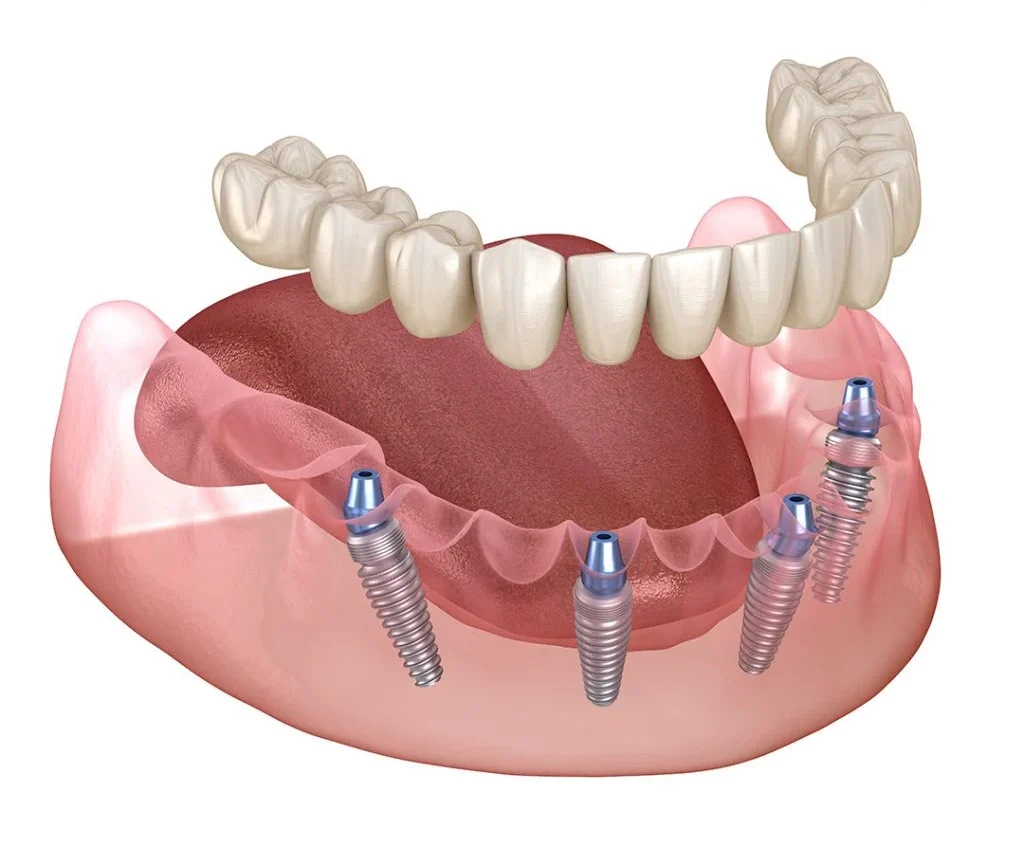
If you’ve ever looked in the mirror and thought, “I wish that missing tooth could come back,” chances are a Dental Implant has crossed your mind. For people living in the UK, the question becomes even more specific: does the NHS cover it, or is it mostly a private-clinic thing?
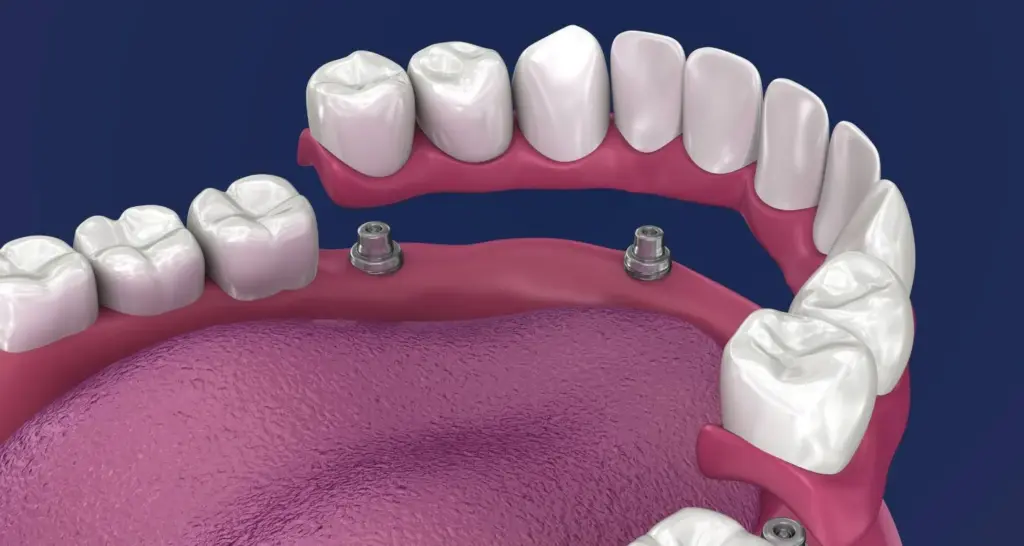
NHS Coverage for a Dental Implant: Possible, or Unlikely?
As a general rule, the NHS does not provide Dental Implant treatment as a routine service. The reasons usually relate to cost-effectiveness assessments and clinical prioritisation. In simple terms, implants are not a standard option for most patients within NHS dentistry.
That said, there are situations where a Dental Implant may be considered within NHS care. The key distinction is often between “cosmetic preference” and “medical necessity.” When an implant is linked to significant functional need such as trauma, congenital absence, or post-cancer reconstruction the likelihood of NHS consideration can be higher than in purely aesthetic scenarios.
Clinical Situations Where the NHS May Consider a Dental Implant
The NHS does not evaluate Dental Implant requests with a one-size-fits-all checklist. Decisions can vary depending on oral health, general health, the cause of tooth loss, and how much daily function is affected.
For example, severe facial or jaw trauma with tooth loss, or major tooth and tissue loss following head and neck cancer treatment, may be viewed as more medically justified because chewing and speech can be seriously impacted. On the other hand, where missing teeth can be managed acceptably with lower-cost options (like bridges or dentures), NHS services may be less likely to prioritise implants.
The table below summarises a simplified “priority logic” similar to how publicly funded systems often think (not a strict rule, just a helpful framework):
| Situation / Rationale | NHS Dental Implant Likelihood | Why it may matter |
| Significant tooth/tissue loss after cancer surgery | Higher | Function and quality-of-life impact can be substantial |
| Serious trauma-related tooth loss | Medium–High | Rehabilitation may be clinically prioritised |
| Congenital missing teeth (some cases) | Variable | Often requires multidisciplinary planning |
| Single missing tooth with viable alternatives | Lower | More cost-effective treatments may be available |
| Primarily cosmetic motivation | Very low | Clinical priority is usually limited |
Key Factors in Dental Implant Eligibility Assessments
Whether someone is a candidate for a Dental Implant is not decided by “Is there a gap?” alone. Both NHS pathways and private clinics typically consider a similar set of fundamentals.
First: bone and gum conditions. Implant placement usually requires adequate bone volume and a stable, healthy soft-tissue environment. Second: overall health. Certain systemic conditions, medication profiles, and smoking habits may influence healing and long-term outcomes.
Another factor that quietly carries weight is oral hygiene routine. A Dental Implant is not something you “get done and forget.” It requires maintenance and monitoring. In a resource-managed system like the NHS, the sustainability of long-term care and prevention can be part of the broader decision-making context.
How an NHS Dental Implant Pathway Might Work
For patients who may qualify for a Dental Implant, the journey often begins with an NHS dentist. If the dentist believes there is a clinically appropriate reason, a referral to a hospital-based specialist service may be considered. This is usually a layered process rather than a straightforward “book and place” scenario.
Assessment may include radiographic evaluation, periodontal checks, and functional analysis. A treatment plan is then developed. In complex cases, planning may involve multiple disciplines orthodontics, oral and maxillofacial surgery, restorative dentistry because implant rehabilitation can intersect with bite alignment, bone structure, and prosthetic design.
Waiting lists can also affect timelines, and these can differ by region and service demand. So, time to treatment is often a major variable in real-world experiences.
For an official overview of NHS dental services, you can read: NHS dental services
Private Clinics as an Alternative: Choosing a Dental Implant Outside the NHS
Because NHS Dental Implant provision is limited, many people explore private treatment. The most obvious differences in the private setting are access and flexibility shorter waiting times, broader implant system choices, and more personalised scheduling and planning.
However, “private” doesn’t mean “automatic.” Suitability still depends on factors like bone availability, bite dynamics, gum health, and parafunctional habits such as teeth grinding (bruxism). So while speed can be a benefit, careful case selection and expectation management become even more important.
From a Livera Clinic perspective, the most common sticking point is this: “Is an implant actually my best option, or would a bridge/denture be smarter for my situation?” That’s why many implant-focused clinics treat Dental Implant planning less like a product purchase and more like a structured rehabilitation project.
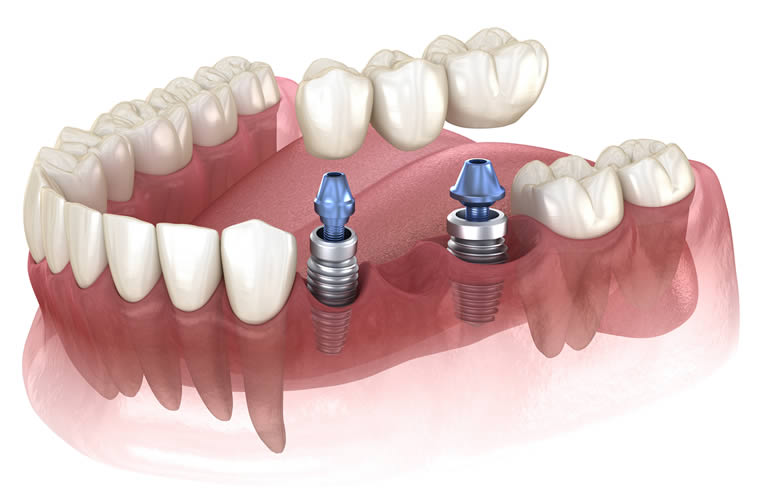
Options Instead of a Dental Implant
Not every missing tooth requires a Dental Implant. In some cases, more conservative solutions can align better with clinical conditions and personal priorities.
A common alternative is a dental bridge. Bridges rely on adjacent teeth for support, which can be beneficial in some scenarios but may be a drawback if healthy teeth need preparation. Another option is removable dentures. Modern materials can improve comfort and aesthetics, but adaptation varies from person to person.
Here are a few practical considerations people often weigh:
- If bone volume is limited, a Dental Implant may require additional procedures first.
- If neighbouring teeth already have large restorations, a bridge may feel more practical.
- For multiple missing teeth, implant-supported dentures may offer different stability than conventional dentures.
- Budget and time preferences can directly shape treatment choice.
You may also hear terms like “implant treatment,” “dental implant therapy,” or “implant placement.” In everyday speech they often point back to the same idea: a Dental Implant as part of restoring function and aesthetics.
Cost, Time, and Longevity: A Mini Decision Analysis for a Dental Implant
A Dental Implant decision often lives at the intersection of cost, time, and long-term expectations. On the NHS side, personal costs may be lower or absent if eligibility is met, but access and waiting times can be major constraints. In private care, speed and customisation may be stronger, but financial planning becomes more central.
Time splits into two different realities: clinical time and biological time. Clinical time is appointments and procedural steps. Biological time is healing and bodies don’t heal on identical schedules. That’s why treating Dental Implant timelines as “instant” can create unrealistic expectations.
Longevity discussions also tend to circle back to maintenance. Peri-implant tissues can be affected by inflammation much like natural gums. So implant placement is best understood as a long-term care commitment, not just a one-off intervention.
For a broader look at healthcare quality oversight in England, see: Care Quality Commission (CQC)
Livera Clinic Notes: How People Think Through Dental Implant Questions
In implant-focused clinics like Livera Clinic, people’s questions often cluster around themes: “Am I suitable?”, “How long will it take?”, “Will it hurt?”, “Will it look natural?” The reality is that Dental Implant answers rarely fit into one sentence because treatment is highly individual.
Pain-related questions depend on procedure scope, anxiety levels, and healing response. “Natural appearance” involves the design of the final crown/bridge, gum architecture, and shade matching with neighbouring teeth. In that sense, a Dental Implant is not just a titanium fixture it’s a system where function and aesthetics are planned together.
A helpful way to navigate decisions is to ask the right questions in the right order:
First, “How much is this gap affecting my function?” then “What are my alternatives?” and then “Are my biological conditions suitable for implants?” This sequence tends to make the Dental Implant decision feel clearer and more rational.
Can You Get a Dental Implant from the NHS?
Getting a Dental Implant through the NHS can be possible in specific, clinically justified scenarios but for most people it remains limited and selectively assessed. So the most accurate answer to “Does the NHS do implants?” is often: “Sometimes, for certain cases.”
For those seeking a more accessible route, private clinics may offer an alternative provided suitability is properly assessed, alternatives are considered, and expectations are set realistically. Implant therapy may sound like a single-step fix, but in practice it gains meaning through planning, biology, and long-term maintenance.