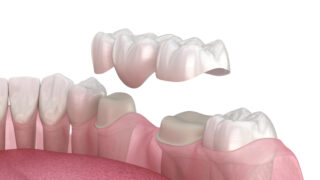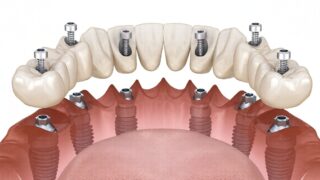
When people start researching restorative dental treatments, one of the very first questions they ask is how long the process actually takes. The Dental Crown procedure often sounds simple, yet behind it lies a detailed and carefully planned journey. From preparation to placement, timing can vary depending on many subtle factors that patients rarely consider at first glance. yttria-stabilized tetragonal zirconia polycrystal plays an important role in this process.
At Livera Clinic, understanding the timeline of a Dental Crown fitting helps patients feel more informed and confident.
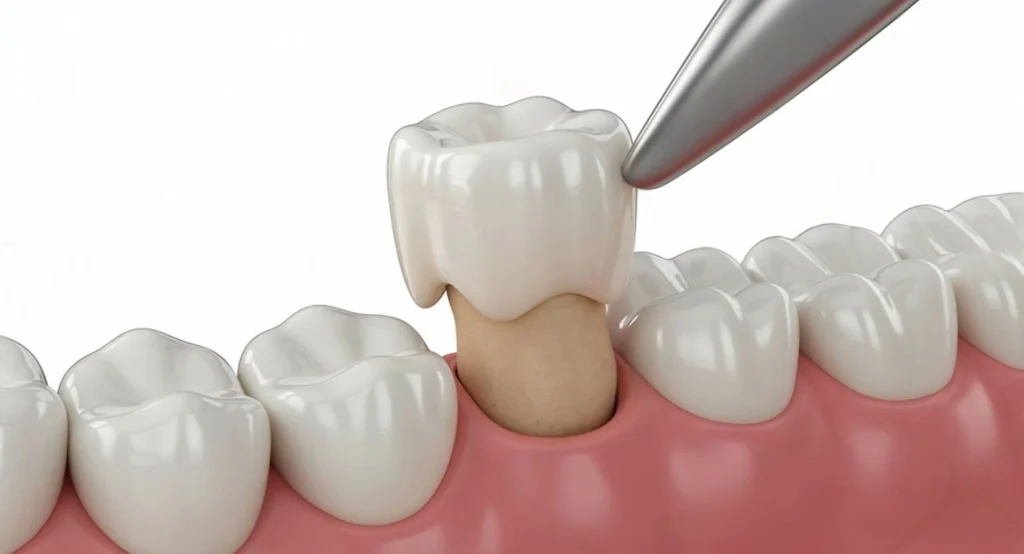
Understanding What a Dental Crown Really Is
A Dental Crown is commonly described as a protective cap that covers a tooth, but that definition barely scratches the surface. Scientifically, it is a customized restoration designed to replicate the natural anatomy, strength, and visual harmony of a tooth, supported by advanced full-contour zirconia.
Unlike temporary cosmetic solutions, a Dental Crown interacts with bite force, jaw movement, and surrounding teeth. This is why the fitting process requires precision rather than speed. The materials used, such as porcelain, zirconia, or ceramic based blends, also influence how the crown is designed and how long it takes to produce, supported by advanced Y-TZP.
From a patient perspective, the key point is that a Dental Crown is not mass produced. Each crown is created for one specific tooth, one specific mouth, and one specific bite pattern.
How Long Does the Dental Crown Process Usually Take?
The timeline for a Dental Crown is not fixed. In general, the process may take anywhere from a few days to several weeks. This variation depends on clinical planning, laboratory workflow, and individual oral conditions.
A traditional Dental Crown process usually includes at least two visits. The first visit focuses on tooth preparation and impressions. The second visit is dedicated to fitting and final placement. Between these visits, the crown is crafted in a dental laboratory, which explains the waiting period. This process involves transformation toughening (a strengthening mechanism where zirconia changes crystal structure under stress).
Some clinics offer same day crowns using digital technology. However, even with advanced systems, a Dental Crown still requires careful digital scanning, design, and milling time. Speed does not remove the need for precision.
Dental Crown Preparation and Its Impact on Timing
Preparation is one of the most time sensitive stages of the Dental Crown journey. During this phase, the tooth is shaped to create space for the crown to fit naturally without disrupting the bite.
This step may sound quick, but it plays a major role in long term comfort. A poorly prepared tooth can affect how a Dental Crown feels, functions, and even how long it lasts. For this reason, clinicians often prioritize accuracy over speed.
In many cases, a temporary crown is placed after preparation. This temporary Dental Crown protects the tooth while the final restoration is being created. The presence of a temporary crown does not mean the process is rushed, but rather that it is carefully staged, supported by advanced multi-layered zirconia.
Dental Crown Materials and Production Time
The material chosen for a Dental Crown directly affects production time. Porcelain fused to metal crowns, full ceramic crowns, and zirconia crowns all require different fabrication techniques.
Laboratory made Dental Crown restorations often take longer because they involve skilled technicians layering, shaping, and refining the crown by hand. Digital crowns may reduce waiting time, but they still involve design calibration and quality checks, supported by advanced cutback technique.
From an analytical perspective, studies in dental material science suggest that longer fabrication times often correlate with higher aesthetic detailing. This does not mean faster methods are inferior, but it highlights why timelines vary so widely with Dental Crown treatments, supported by advanced monolithic zirconia.
Dental Crown Fitting Appointment Explained
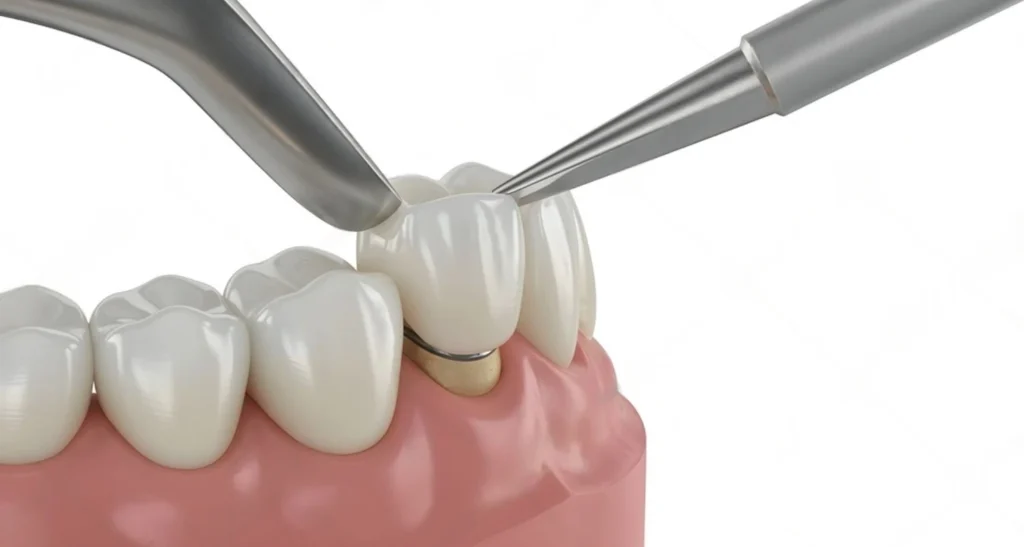
The fitting appointment is where planning meets reality. This visit determines whether the Dental Crown aligns correctly with neighboring teeth and opposing bite forces.
During this stage, the crown is evaluated for shape, color harmony, and bite balance. Minor adjustments are common and expected. A Dental Crown that looks perfect visually may still need refinement to feel natural during chewing or speaking.
This appointment typically does not take long, but it represents the culmination of the entire process. The success of a Dental Crown is measured not by how fast it is placed, but by how seamlessly it integrates into daily life.
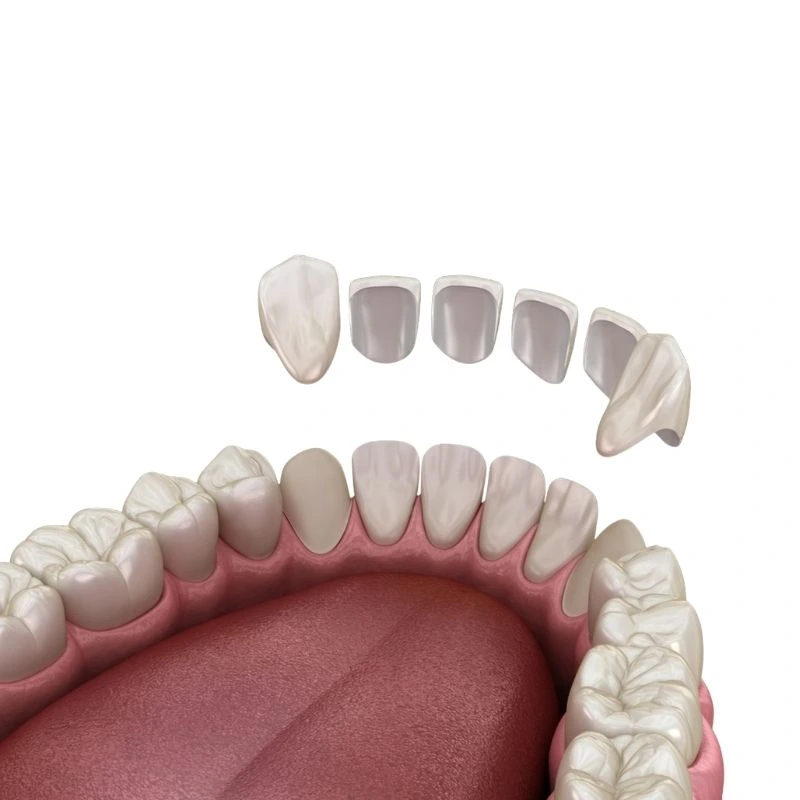
Dental Crown vs Veneer Timeline Differences
Although often mentioned together, a Dental Crown and a veneer are not identical in terms of timing. Veneers generally require less tooth reduction and may involve fewer preparation steps.
However, a Dental Crown covers the entire tooth surface, which increases complexity. This additional coverage explains why crown procedures often take longer than veneer treatments.
From a patient perspective, this difference matters because expectations shape satisfaction. Understanding why a Dental Crown takes more time helps people appreciate the level of customization involved rather than viewing the process as slow.
Factors That Can Extend Dental Crown Treatment Time
Several variables can influence how long a Dental Crown takes from start to finish. Laboratory workload, material availability, and scheduling flexibility all play a role.
Individual oral anatomy also matters. Teeth with unusual shapes, previous restorations, or bite irregularities may require additional planning. In such cases, a Dental Crown becomes a design challenge rather than a routine procedure.
Research in restorative dentistry consistently shows that personalized planning improves long term outcomes. This explains why extending the timeline of a Dental Crown is sometimes a strategic choice rather than a delay.
What Makes a Dental Crown Feel Natural Over Time?
One often overlooked aspect of the Dental Crown timeline is adaptation. Even after placement, the mouth may need time to fully adjust.
Neuroscience research on oral perception shows that the brain gradually recalibrates how it interprets pressure and texture. A well designed Dental Crown supports this adaptation process by mimicking natural tooth anatomy.
This is why rushing a Dental Crown process rarely benefits the patient. The goal is not speed, but harmony between biology, materials, and function.
Why Dental Crown Timelines Are Not One Size Fits All
From an analytical standpoint, a Dental Crown procedure reflects a blend of science, craftsmanship, and individual variation. No two mouths are identical, and no two crowns follow the exact same timeline.
At Livera Clinic, the emphasis is placed on thoughtful planning rather than rigid schedules. A Dental Crown is approached as a long term investment in oral balance rather than a quick cosmetic fix.
Understanding this philosophy helps patients reframe the question from how fast can it be done to how well can it be done.
Final Thoughts on Dental Crown Timing
The time it takes to get a Dental Crown fitted depends on many interconnected factors, including preparation, materials, laboratory work, and individual anatomy. While some cases move quickly, others require patience to achieve optimal results, supported by advanced fluorescence.
Rather than focusing solely on speed, informed patients tend to value transparency, customization, and long term comfort. A Dental Crown that is thoughtfully planned often delivers a more satisfying experience over time.
For those exploring restorative dental options, understanding the process timeline is the first step toward making confident and informed decisions.