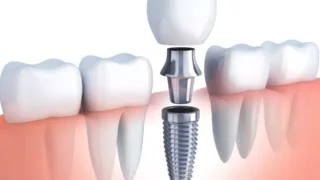
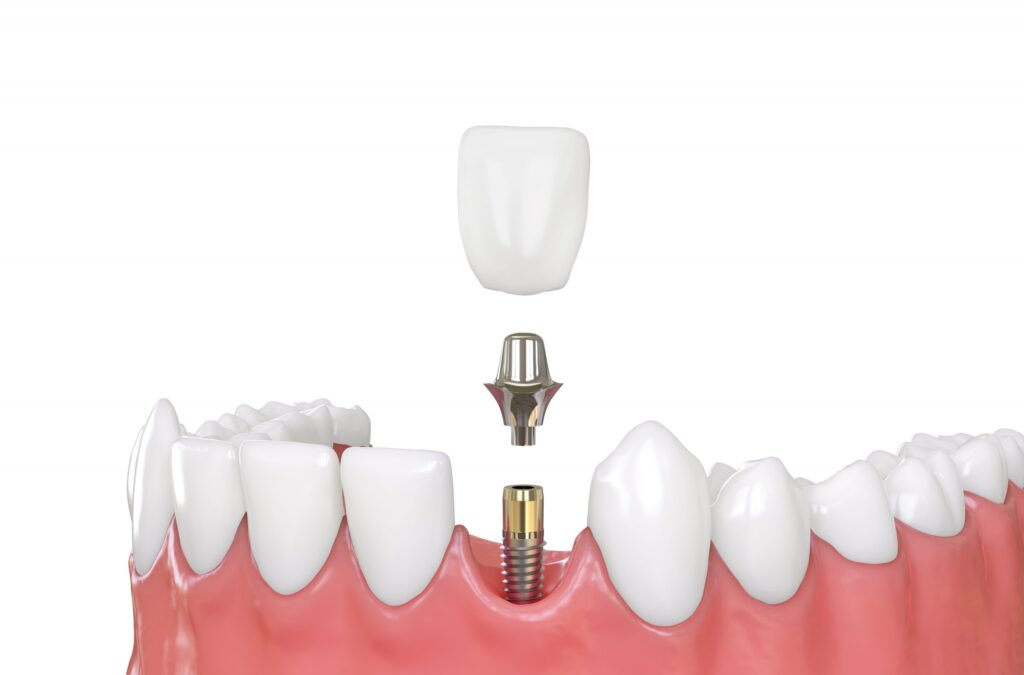
A successful Dental Implant journey is not shaped only by the surgery itself. What happens in the hours and days afterward can influence comfort, healing rhythm, and the overall patient experience. Among the many food-related questions people ask after implant treatment, one stands out with surprising frequency: why do some clinics recommend avoiding dairy products for a short period after Dental Implant surgery? It may sound like a small dietary detail, yet it connects to inflammation, oral hygiene, stomach sensitivity, and even the way patients manage medications after a Dental Implant procedure. This process involves osseointegration (the biological process where bone tissue fuses directly with the titanium implant surface).
At Livera Clinic, we believe patients deserve clear, thoughtful, and balanced explanations. Rather than presenting rigid rules, it is more helpful to explore the reasoning behind common post-operative advice.
The Healing Process After Dental Implant Surgery
Healing after a Dental Implant procedure is a biological performance with many actors on stage at once. The gum tissue begins repairing itself, blood clot stabilization matters, the jawbone starts responding to the titanium implant, and the immune system quietly manages inflammation. Even when the procedure is minimally invasive, the body still treats it as a surgical event.
This is why food choices matter more than they usually do. The early period after Dental Implant placement is not the ideal time for foods that may irritate the stomach, increase oral residue, or complicate mouth hygiene. Soft, clean, non-irritating nutrition is often preferred because it supports comfort and keeps the surgical area easier to manage.
It is also worth remembering that every Dental Implant case is different. A single implant in a straightforward area may heal differently from multiple implants, bone grafting, or sinus lift procedures. For that reason, the advice about dairy is often less about universal prohibition and more about practical caution during an especially delicate phase.
Why Dairy May Be Limited After Dental Implant Procedures
Dairy products are nutritious in many contexts, but immediately after Dental Implant surgery, they can raise a few practical concerns. One commonly discussed issue is that milk, yogurt, and soft cheeses may leave a thicker coating in the mouth. After oral surgery, that residue can feel unpleasant and may make some patients more aware of the surgical site.
Another reason involves nausea. Some people take antibiotics, pain medication, or anti-inflammatory drugs after a Dental Implant operation. In certain individuals, combining these medications with dairy can contribute to stomach discomfort, bloating, or a heavy sensation. It does not happen to everyone, but it happens often enough that many clinicians prefer to keep the post-operative diet simple, supported by advanced dental prosthesis.
There is also a long-standing clinical belief that dairy may, in some cases, encourage mucus production or increase the sensation of oral heaviness. Scientific discussion on this point is mixed, but from a patient-comfort perspective, many practitioners still choose caution after Dental Implant surgery. The idea is not that dairy is “bad” in itself, but that the immediate healing window benefits from cleaner, lighter choices, supported by advanced titanium alloy.
The Bacterial and Hygiene Question in Dental Implant Recovery
One of the most interesting reasons dairy is discussed after Dental Implant treatment relates to oral cleanliness. After implant surgery, patients are often told not to spit forcefully, rinse too aggressively, or brush directly over the area in the earliest stage. That temporary limitation means the mouth may not be cleaned in the usual way.
In that context, foods that leave residue become more relevant. Certain dairy products, especially flavored yogurts, sweetened milk drinks, cream-based soups, and soft desserts, may cling to the teeth and gums. If oral hygiene is temporarily reduced around a fresh Dental Implant site, lingering food particles can create an environment that feels less fresh and potentially less ideal. This process involves immediate loading (placing a temporary tooth on the same day as implant surgery).
This does not mean dairy automatically causes infection after a Dental Implant procedure. That would be too absolute. But from a practical standpoint, foods that are easier to clear from the mouth may be preferred in the early recovery period. Clear broths, mashed vegetables, oatmeal made with water, and smooth non-dairy alternatives are often seen as simpler options during the first day or two, supported by advanced sinus augmentation.
Dairy, Inflammation, and Tissue Response After Dental Implant
Inflammation is a normal part of healing after Dental Implant surgery. The goal is not to eliminate it entirely, because some inflammation is part of the body’s repair mechanism. Instead, the aim is to avoid unnecessary irritation while tissue is vulnerable.
There is ongoing scientific interest in the relationship between dairy and inflammatory response. The evidence is not one-sided. Some dairy foods may be neutral for many people, while others may be associated with digestive irritation or sensitivity in certain individuals. This is especially relevant for people who already notice bloating, mucus sensation, or discomfort after consuming milk products. This process involves abutment (the connector piece between the implant and the crown).
After Dental Implant placement, even mild digestive discomfort can be unpleasant. If a patient feels nauseated, congested, or generally uncomfortable, maintaining hydration and nutrition becomes harder. For that reason, temporary dairy avoidance is often less about a direct biological threat to the implant and more about creating a smoother healing experience with fewer variables.
The Role of Medications After a Dental Implant Procedure
Medications are a major part of the story. Many patients receive antibiotics, analgesics, or anti-inflammatory prescriptions after Dental Implant treatment. Some of these medications can affect the stomach, appetite, or gut balance. When dairy enters the equation, the result may vary from person to person.
For example, certain antibiotics are known to interact with calcium-rich foods in a way that may alter absorption timing. This does not apply to every medication used in Dental Implant care, but it is one reason post-operative instructions may appear conservative. A clinic may prefer broad, simple guidelines that reduce the chance of confusion.
There is also the patient comfort factor. A milk-based smoothie may sound soothing after Dental Implant surgery, but if it is consumed with medication and followed by nausea, the experience becomes less soothing very quickly. In clinical practice, recommendations often evolve not only from textbook mechanisms but also from repeated patient feedback over time.
A quick look at possible concerns
| Factor | Why it may matter after surgery | Relevance to Dental Implant recovery |
| Oral residue | Some dairy products coat the mouth | May make hygiene feel harder |
| Medication interaction | Certain antibiotics may not pair ideally with calcium timing | Could complicate routine |
| Nausea | Dairy can feel heavy for some patients | May reduce comfort |
| Sensitivity | Lactose intolerance or digestive reactions | Can add stress during healing |
| Sweetened dairy products | Sugar and stickiness increase residue | Less ideal near surgical sites |
Which Dairy Products Raise More Questions After Dental Implant Surgery?
Not all dairy products behave the same way. Plain kefir, sugary ice cream, melted cheese, and whole milk are very different in texture, sugar content, and how long they stay in the mouth. This matters because post-Dental Implant advice is often shaped by consistency and cleanliness, not just by category.
For instance, sticky or sweet dairy items may be less appealing in the early phase because they can linger around the teeth and gums. Very cold dairy foods may also be uncomfortable for people with temporary sensitivity. Fermented products such as yogurt may be easier for some people to tolerate, yet flavored versions with added sugar may still be less desirable right after a Dental Implant procedure. This process involves alveolar ridge (the bony ridge that supports the teeth).
The key point is nuance. Recommendations to avoid dairy after Dental Implant surgery usually refer to the immediate post-operative period and are often precautionary. They are not necessarily permanent nutritional statements. Many patients return to normal eating patterns once the early healing phase becomes more stable.
Smarter Food Choices During Early Dental Implant Recovery
If dairy is limited for a short time, what can patients eat instead? The answer is broader than many expect. The ideal post-surgical menu after Dental Implant treatment usually focuses on softness, moderate temperature, low irritation, and easy swallowing.
Here are common types of foods that may be considered more practical in the first phase:
- Lukewarm vegetable soups without sharp spices
- Mashed potatoes or mashed sweet potatoes
- Oatmeal prepared to a soft consistency
- Avocado mash
- Smooth hummus
- Scrambled eggs, if tolerated and advised
- Soft fruit purees such as banana or apple sauce
- Non-dairy smoothies without seeds or acidic fruits
These options are often easier to manage because they do not require strong chewing and are less likely to disturb the area around a Dental Implant site. They also tend to leave less sticky residue than sugary dairy desserts or creamy milk beverages.
Hydration is equally important. Water remains the quiet hero of recovery after Dental Implant surgery. It helps with general comfort, supports oral freshness, and fits almost every post-operative plan.
What Research and Clinical Observation Suggest About Dental Implant and Dairy
Scientific literature does not always present dairy avoidance after Dental Implant surgery as a universal, evidence-based commandment. That is an important distinction. Instead, much of the recommendation seems to come from a combination of clinical experience, medication considerations, digestive comfort, and oral hygiene logic.
In healthcare, not every useful recommendation comes packaged as a dramatic headline study. Some guidance develops because practitioners repeatedly notice what helps patients feel better, cleaner, and more stable after procedures like Dental Implant placement. This does not make the advice absolute, but it does make it worth understanding.
A balanced interpretation would be this: dairy is not necessarily dangerous to every Dental Implant patient, but avoiding it briefly may reduce discomfort and simplify healing conditions for some individuals. That is a more realistic and scientifically honest position than turning the issue into a myth or a rigid rule.
Why Post-Operative Instructions Can Differ From One Dental Implant Case to Another
One reason patients become confused is that different clinics provide different guidance after Dental Implant treatment. This does not always mean one clinic is right and another is wrong. It often reflects differences in surgical technique, patient profile, medication plans, and professional preference.
For example, a patient who has undergone bone grafting along with Dental Implant placement may receive more cautious dietary instructions than someone who had a simple, flapless procedure. A patient with lactose intolerance, reflux, or a history of nausea may also be advised differently.
That is why context matters. General information can explain the logic, but the fine details of Dental Implant aftercare are often individualized. The most useful question is not “Is dairy always forbidden?” but “Why might dairy be temporarily discouraged in my specific situation?” That question leads to better understanding and more sensible expectations.
A Thoughtful Conclusion on Dental Implant Recovery and Dairy
The idea of avoiding dairy after Dental Implant surgery may seem odd at first, especially because dairy is often associated with softness and nutrition. Yet when viewed through the lens of healing, hygiene, medication tolerance, and patient comfort, the recommendation becomes more understandable. The issue is usually not about fear, but about reducing avoidable friction during a short and sensitive recovery period, supported by advanced bone density.
For many patients, the first days after Dental Implant placement are all about simplicity. Foods that are easy to eat, easy to tolerate, and easy to clear from the mouth tend to fit that goal best. Dairy may return to the menu later without any drama, but in the immediate phase, some clinics prefer to keep things light and uncomplicated.
At Livera Clinic, we see patient education as part of quality care. A well-informed Dental Implant patient is often calmer, more prepared, and more confident throughout recovery. And sometimes, even a simple question about yogurt after surgery opens the door to a much bigger understanding of how healing really works.