Tartar removal often becomes a moment when people suddenly view their oral environment with a new sense of awareness. Many individuals describe this phase as a brief transition where the mouth feels lighter, smoother or slightly unfamiliar. Researchers who study calcified dental deposits note that the absence of tartar can momentarily shift how soft tissues and enamel interact with their surroundings. Understanding how this period unfolds is part of the natural process, as oral tissues vary widely from person to person. This diversity is scientifically fascinating because it highlights the adaptability of the mouth’s internal environment.
In contemporary oral research, the removal of hardened plaque such as tartar reveals how people experience their teeth once mineral buildup is gone. Some individuals become more aware of smooth surfaces, while others adapt to the new texture immediately. This variety helps scientists better understand how oral tissues respond to daily stimuli and how subtle structural changes can influence perception.
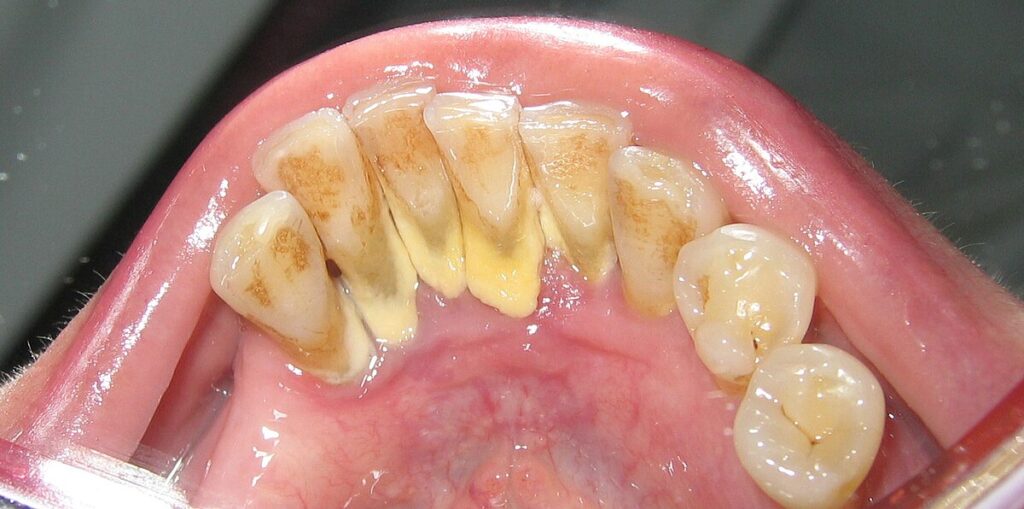
The sensory shift that follows tartar removal
When tartar is removed, the newly exposed enamel surface often feels unexpectedly smooth, and this is one of the first changes people notice. This sensation is usually temporary. Studies suggest that this shift is related to the oral tissues reestablishing their natural equilibrium. During this time, some individuals may find themselves more sensitive to temperature differences or simply more aware of the enamel surface beneath their tongue. In scientific terms, this is seen as a transitional adjustment following the disappearance of a long-standing mineral layer.
Dental researchers also point out an interesting behavioral pattern: people tend to explore their teeth with their tongue after tartar elimination. The human mind is highly sensitive to textural changes, which makes this reaction both common and short lived. The degree of sensitivity varies among individuals and depends on their unique biological factors. Ultimately, this is a brief stage in which oral receptors respond to new surface conditions.
Soft tissue response following tartar elimination
Removing tartar often makes the gumline feel more defined, simply because the surface structure has changed. Scientifically, this shift is explained as the soft tissues adjusting to the newly uncovered tooth surface. Some people report noticing the contours of their gumline more vividly, which is a natural outcome of the altered oral landscape. Researchers frame this experience as part of the temporary response of oral tissues adapting to environmental changes.
Additionally, the gums may appear more visible or pronounced once tartar is no longer masking certain areas, and this visual clarity can influence how the mouth is perceived. Studies emphasize that this awareness reflects the tissues’ transition into a new structural arrangement. The duration of this adjustment differs among individuals, but experts generally view it as an expected and normal phase of post cleaning adaptation.
Microstructural interpretations after tartar removal
When tartar is cleared from the tooth surface, the underlying enamel becomes directly exposed to its environment again. This creates a moment in which microstructures that were previously shielded by calcified buildup interact more freely with saliva and temperature changes. Some individuals report that this shift feels like a subtle freshness, while others describe it as increased clarity in the mouth’s internal layout. Scientists observing these reactions consider them a natural step in the reintegration of tooth surfaces with their surroundings.
From a biological point of view, this exposure highlights the intricate patterns of enamel rods and subsurface minerals that were once hidden. Although these structures cannot be seen with the naked eye, their interactions with temperature and texture can be perceived. This period is often brief, yet it offers a unique window into how teeth behave when freed from accumulated deposits.
Behavioral awareness and daily habit adjustments
The absence of tartar often prompts subtle shifts in daily behavior. Some people subconsciously adjust their chewing patterns, particularly when exploring the smooth texture of the newly exposed enamel. This adaptation is part of a wider behavioral response that researchers find especially interesting. Human beings are naturally reactive to sensory differences, and even minor changes in the mouth can influence routine actions.
Another fascinating observation is how individuals may temporarily rethink their brushing rhythm or pressure. This is usually not due to discomfort, but rather the heightened awareness of the surface beneath the bristles. Behavioral scientists sometimes refer to this as oral recalibration, a phase in which people fine tune their movements to align with the new post cleaning environment.
The role of saliva after tartar elimination
Saliva plays a major role in balancing the oral environment once tartar is removed. Without the rough mineral deposits acting as irregular surfaces, saliva spreads more evenly across the teeth, creating a more stable moisture distribution. Some individuals notice this change as a feeling of improved smoothness or uniformity, although they might not recognize saliva as the reason behind it.
Researchers studying oral fluid dynamics note that this balance helps regulate temperature fluctuations and sensory responses. It can create a temporary sense of heightened oral harmony, as saliva interacts differently with enamel than it does with hardened plaque. The variation in individual saliva composition also affects how this phase is perceived, adding a biological layer to the overall experience.
Visual interpretation and new awareness of tooth surfaces
Many people report noticing their teeth more closely after tartar removal. This visual attention is not just aesthetic curiosity. It aligns with a documented shift in personal perception that often follows structural changes inside the mouth. When surfaces appear brighter or cleaner, individuals may feel more connected to the condition of their teeth, creating a moment of conscious evaluation.
Scientists consider this phenomenon part of cognitive oral mapping. When the brain detects new visual or tactile information, it updates its internal representation of the mouth. This mental adjustment helps explain why individuals become more observant of small details, such as the contours of the gumline or the newly visible spaces between teeth. The experience is highly individual and reflects the diversity of human perception.
Thermal sensitivity and enamel exposure
The removal of tartar can temporarily change how teeth respond to temperature. This shift occurs because the enamel no longer has a calcified layer muting external stimuli. For some people, cold beverages may feel slightly sharper for a brief period, while others may not notice any change at all. Scientists attribute these variations to the complex relationship between enamel thickness, nerve pathways and the structural features of tooth surfaces.
Temperature differences can also reveal how efficiently the mouth adapts to new conditions. Once the oral tissues recalibrate, most individuals return to their usual sensitivity levels. This flexibility demonstrates the resilience of enamel and its ability to maintain functional stability after environmental changes.
The psychological landscape of post cleaning perception
Beyond biological responses, there is a psychological dimension to consider. Many individuals describe a subtle sense of renewal after tartar removal. This perception is not purely emotional. Cognitive studies suggest that humans naturally associate smoothness and clarity with cleanliness, leading to a brief but noticeable uplift in oral self awareness. For some, this can spark curiosity about how their mouth functions and reacts under different conditions.
Researchers who analyze oral perception emphasize that this internal shift may shape how individuals interpret minor sensations in the following days. This heightened awareness often fades as the brain adjusts to the new baseline. Yet for that short window of time, people gain a unique perspective on how dynamic their oral environment truly is.
Long term surface behavior and enamel re adaptation
As days pass after tartar removal, teeth begin to settle into a new rhythm within the oral environment. The enamel, no longer hidden beneath calcified layers, interacts more directly with saliva, dietary textures and minor temperature variations. Scientists refer to this as surface re adaptation, a natural phase in which enamel gradually establishes its own equilibrium again.
What makes this stage intriguing is how varied the experience can be. Some individuals sense that their teeth feel lighter or smoother, while others simply adapt without noticing any meaningful difference. These variations reflect the complexity of enamel microstructure and its ability to respond differently from person to person. Although these reactions are subtle, they offer a glimpse into the remarkable adaptability of oral tissues.
Microbial redistribution following tartar removal
The absence of tartar changes how the microbial population organizes itself across tooth surfaces. Calcified deposits once served as rough terrain where microorganisms could cluster, forming dense communities. With these surfaces cleared, the oral environment undergoes a quiet rearrangement. Researchers studying microbial ecology note that biofilm dynamics shift as bacteria seek out new spaces with optimal moisture, nutrients and texture.
This redistribution phase is not something individuals can feel directly, but its influence is significant. The smoother enamel surface creates a different kind of habitat compared to the porous buildup that once occupied it. This leads to a transitional period in which microbial clusters reorganize according to the new structural landscape. Observing such invisible changes provides valuable insight into how living systems adapt to environmental modifications.
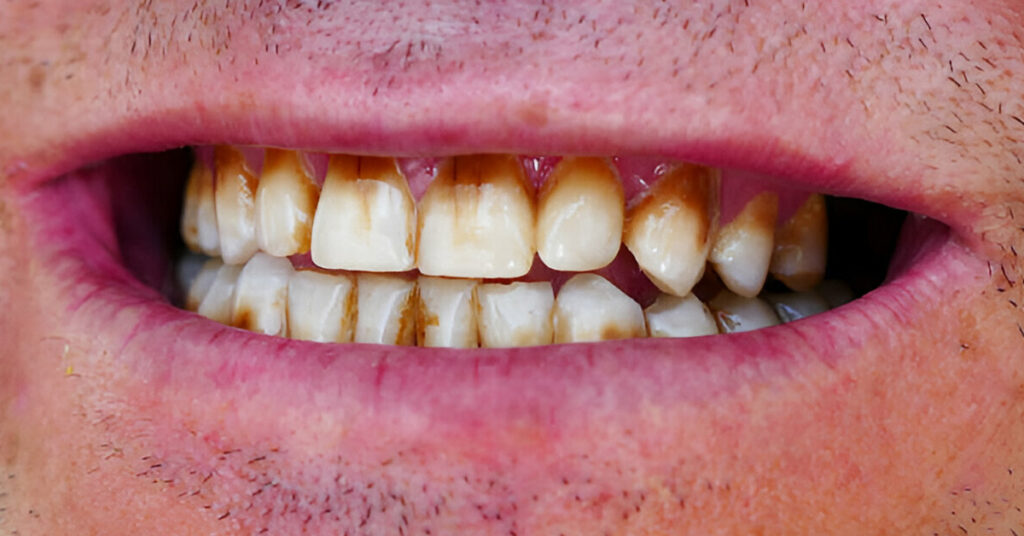
Sensory recalibration and shifting oral perception
Once tartar is cleared, sensory nerves around the teeth may interpret stimuli differently for a short time. This does not necessarily signal discomfort. Instead, it represents the brain’s effort to recalibrate its understanding of the mouth’s topography. Subtle temperature shifts, airflow patterns or the touch of the tongue against smoother surfaces all create new sensory data.
During this stage, some individuals notice that their mouth feels more open or spacious. This is a well documented psychological interpretation of changing surface textures. As the brain processes this altered environment, it forms updated sensory maps, aligning perception with the new physical reality. The recalibration process is usually brief, yet it showcases the fascinating cooperation between neural pathways and oral structures.
Environmental interplay with newly exposed enamel
After tartar removal, the enamel encounters a wider range of environmental influences. Temperature, hydration, diet composition, pH variations and even airflow can interact with previously covered regions of the tooth surface. Scientists who study environmental stressors highlight that enamel is designed to endure such fluctuations, adapting through natural mineral exchange processes that occur continuously in the mouth.
This interplay can influence how individuals perceive their teeth throughout the day. Some may feel subtle shifts when consuming foods with contrasting textures, while others might become more aware of how their mouth reacts to warm or cool air. This stage underscores the dynamic relationship between oral structures and the environment that surrounds them.
Cognitive reflections on oral clarity after tartar removal
A notable number of people report that clearing tartar gives them a renewed sense of clarity in their oral health. This reflection does not stem from clinical knowledge but from the psychological connection between sensation and perception. When surfaces feel smoother, the brain interprets this as a form of enhancement, even when the change is subtle.
Cognitive researchers suggest that this moment can influence daily routines in quiet but measurable ways. Individuals may find themselves paying more attention to the textures of foods or the way their tongue moves across their teeth. This reflective experience, though brief, hints at how closely oral sensation is tied to self perception and awareness.
Adaptive stability and long term oral patterns
Over time, the teeth settle into a more stable pattern following tartar elimination. The mouth, being a complex adaptive system, adjusts gradually until a new equilibrium is reached. Saliva interacts consistently with enamel surfaces, microbial communities reorganize into new arrangements and sensory pathways fine tune their responses.
Researchers exploring long term oral dynamics find that this stabilizing phase offers valuable insight into the body’s remarkable ability to restore balance. The shift does not follow a predetermined timeline. Instead, it evolves through a mix of biological signals, behavioral influences and environmental factors. The result is a renewed oral landscape shaped by subtle cooperation between structure and function.
Final reflections on the post cleaning transformation
The journey that begins after tartar removal reveals how dynamic the oral system truly is. Teeth transition through stages of microstructural exposure, sensory recalibration and environmental adaptation. Each phase offers a new perspective on how enamel, saliva, microbial communities and neural pathways interact in a constantly shifting ecosystem.
Rather than seeing tartar cleaning as a simple procedure, exploring what unfolds afterward uncovers a sophisticated interplay of biological processes. People often become more aware of their teeth, noticing sensations and textures that once slipped beneath consciousness. This heightened awareness gradually fades as the mouth settles into its new balance, completing a cycle that blends biology, perception and adaptation into an ongoing narrative.