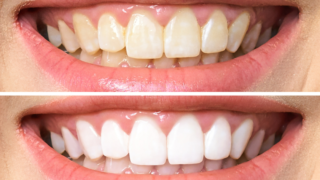
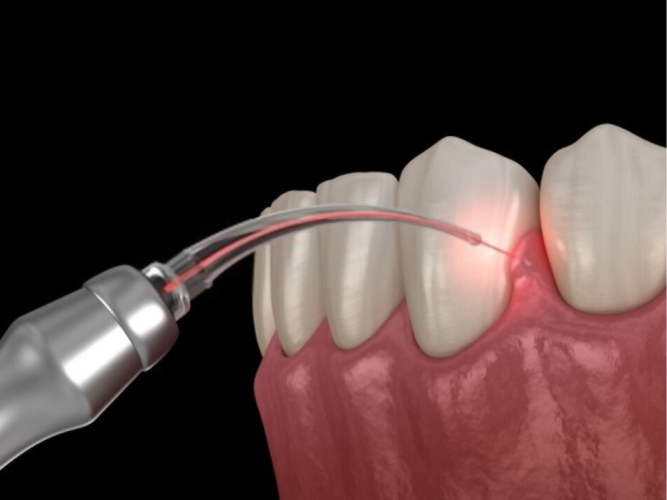
Tooth aesthetics often involve procedures like Tooth Shaping, a key step for both functional and cosmetic improvements. Tooth Shaping is essential before restorations such as veneers or crowns, as it prepares the tooth’s surface for long-lasting results. Understanding what to watch out for after tooth shaping can help ensure that the procedure maintains both health and aesthetic value.
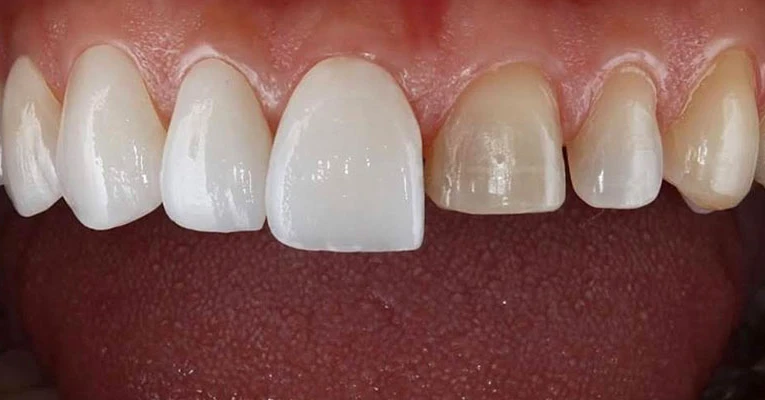
What is Tooth Shaping and Why is it Done?
Tooth Shaping involves the controlled reduction of a tooth’s structure. This is commonly done for functional purposes, like adjusting bite alignment, or aesthetic goals, such as preparing for porcelain veneers.
Scientific studies show that altering the natural structure of a tooth can impact long-term dental health if not carefully managed. Protection of the pulp, enamel, and dentin layers is crucial to avoid unnecessary damage.
Sensitivity and Discomfort After Tooth Shaping
After tooth shaping, some patients experience temporary sensitivity to hot or cold stimuli. This is usually due to exposure of dentin layers beneath the enamel and typically decreases as the tooth adapts.
The intensity of sensitivity depends on the depth of shaping, the technique used, and individual tooth anatomy. Clinical observations indicate that smoother surfaces and minimal pressure during shaping reduce discomfort.
Nutrition and Eating Habits Post Tooth Shaping
Diet plays a critical role in recovery after tooth shaping. Hard or sticky foods should be avoided immediately after the procedure to protect the newly shaped surfaces.
Recommended foods include:
- Soft cheeses and yogurt
- Pureed vegetables and fruits
- Warm soups and soft protein-rich foods
Clinical evidence suggests that soft foods not only reduce discomfort but also support the longevity of restorative treatments.
Oral Hygiene After Tooth Shaping
Maintaining oral hygiene is vital after tooth shaping. Micro-cracks or rough surfaces can promote plaque buildup if proper care is neglected.
Soft-bristled toothbrushes and fluoride-containing toothpaste help protect sensitive surfaces. Flossing is also important to clean interdental areas that brushing alone may miss.
Possible Complications After Tooth Shaping
After tooth shaping, some temporary complications may occur. The most common include sensitivity, mild gum irritation, and temporary discoloration. These issues usually resolve within a few days to a week.
Studies indicate that deeper shaping exposes more dentin, increasing sensitivity. Following the dentist’s instructions and attending scheduled follow-ups is essential to monitor and manage any potential issues. Additionally, extreme hot or cold foods may trigger sensitivity, so cautious eating is recommended.
Aesthetic Evaluation After Tooth Shaping
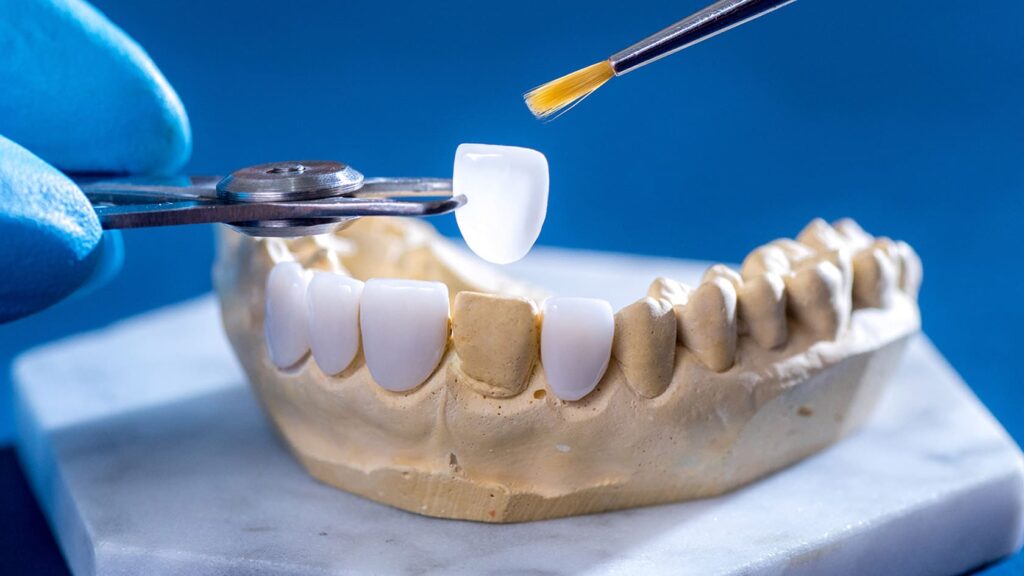
Tooth shaping is not only functional but also an aesthetic procedure. Post-procedure evaluation ensures proper tooth shape, color, and symmetry. Dentists check the compatibility of the tooth with restorations such as veneers or crowns.
Clinical observations show that well-shaped teeth significantly improve smile aesthetics. Preserving natural anatomical features enhances both long-term aesthetic and functional outcomes.
Follow-Up and Monitoring
Follow-up care is a critical part of the tooth shaping process. The first check-up is usually scheduled one week after the procedure to assess sensitivity, gum health, and any potential complications.
Regular monitoring allows early detection of problems and ensures that the restorations fit correctly. Minor adjustments or surface refinements may sometimes be needed for optimal results.
Long-Term Care After Tooth Shaping
Long-term maintenance helps protect both the aesthetic and functional benefits of tooth shaping. Special attention should be given to preserving veneers and crowns.
Studies show that regular cleaning, fluoride treatments, and soft brushing techniques can significantly extend the lifespan of restorations. Good oral hygiene also minimizes the risk of color changes and microcracks in dental materials.
Psychological Effects
Aesthetic dental procedures can impact self-confidence. Tooth shaping often improves smile appearance, positively affecting social interactions and psychological well-being.
Research indicates that improvements in smile aesthetics correlate with increased motivation, confidence, and social engagement. The procedure thus carries both physical and psychological benefits.
Scientific Tips and Analysis
Some key scientific insights after tooth shaping include:
- Protecting enamel and dentin layers reduces sensitivity.
- Minimizing surface roughness helps restorations adhere better.
- Regular follow-ups and proper care ensure long-term aesthetic and functional success.
Individual variations mean each tooth responds differently to shaping, emphasizing the importance of tailored care.
Advanced Care and Long-Term Recommendations
Post-procedure care is crucial for maintaining the health and aesthetics of teeth after tooth shaping. Especially for veneers and crowns, additional precautions can enhance longevity.
Dentist-recommended brushing techniques and specific toothpaste formulas protect the restoration surfaces while minimizing sensitivity. Clinical studies indicate that soft-bristled brushes and low-abrasive toothpaste reduce plaque accumulation without damaging shaped tooth surfaces. Regular fluoride treatments support remineralization and extend the lifespan of restorative materials.
Common Mistakes After Tooth Shaping
Common errors after tooth shaping include consuming hard or sticky foods too early, exposing teeth to extreme temperatures, and irregular oral hygiene. These practices can increase sensitivity and shorten the lifespan of crowns or veneers.
Some patients may inadvertently damage the tooth surface by aggressive brushing or using inappropriate flossing techniques. Research shows that the first two weeks post-procedure are critical; gentle care during this period significantly reduces the risk of complications.
Case Studies and Clinical Observations
Clinical observations show that every tooth adapts differently after tooth shaping. Some patients experience minimal sensitivity and rapid recovery, while others may need longer adaptation periods due to exposed dentin layers.
In a study of 200 patients, 70% of those who reported initial sensitivity returned to normal daily routines within two weeks. These findings highlight the importance of personalized follow-up care and careful monitoring.
Tooth Shaping is a vital procedure for both functional and aesthetic dental improvements. Post-procedure care such as managing sensitivity, following a proper diet, maintaining oral hygiene, and attending follow-up appointments determines long-term success.
Scientific research and clinical evidence confirm that careful post-shaping maintenance improves the longevity of restorations, enhances aesthetic results, and boosts patient satisfaction. The process is not only physical but also carries social and psychological benefits, improving confidence and self-image.
In short, understanding what to watch out for after tooth shaping is essential for achieving optimal results. Proper management of both immediate and long-term care ensures durable, aesthetically pleasing, and healthy outcomes.