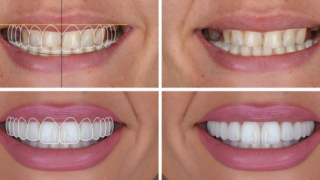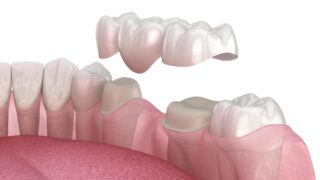
Dental innovations have transformed how patients regain oral functionality and aesthetic appeal. Among these advancements, the All on Four technique stands out as a revolutionary approach to full-arch rehabilitation. Designed to provide stability, durability, and efficiency, All on Four implants allow patients to regain a confident smile using a minimal number of implants while maximizing support. This method has gained global recognition for its precision, predictability, and patient-centered outcomes. This process involves osseointegration (the biological process where bone tissue fuses directly with the titanium implant surface).
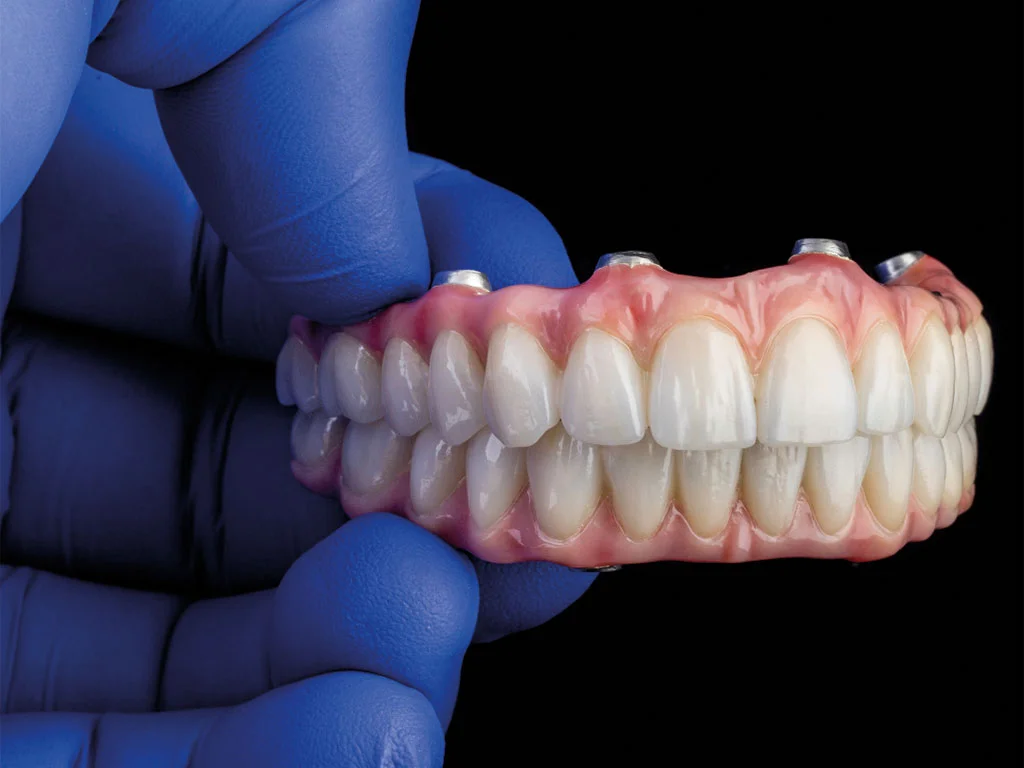
How All on Four Implants Differ from Traditional Methods
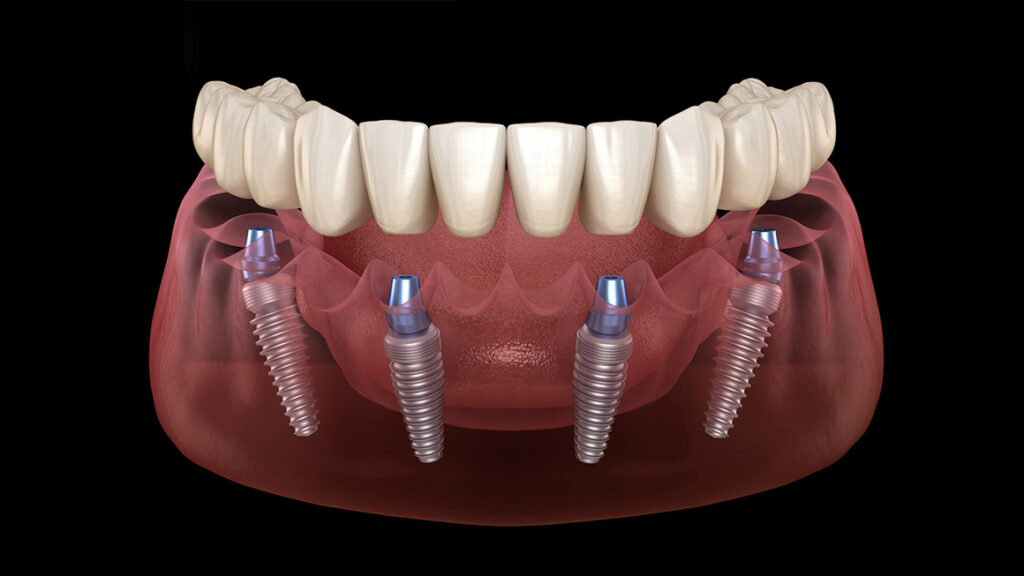
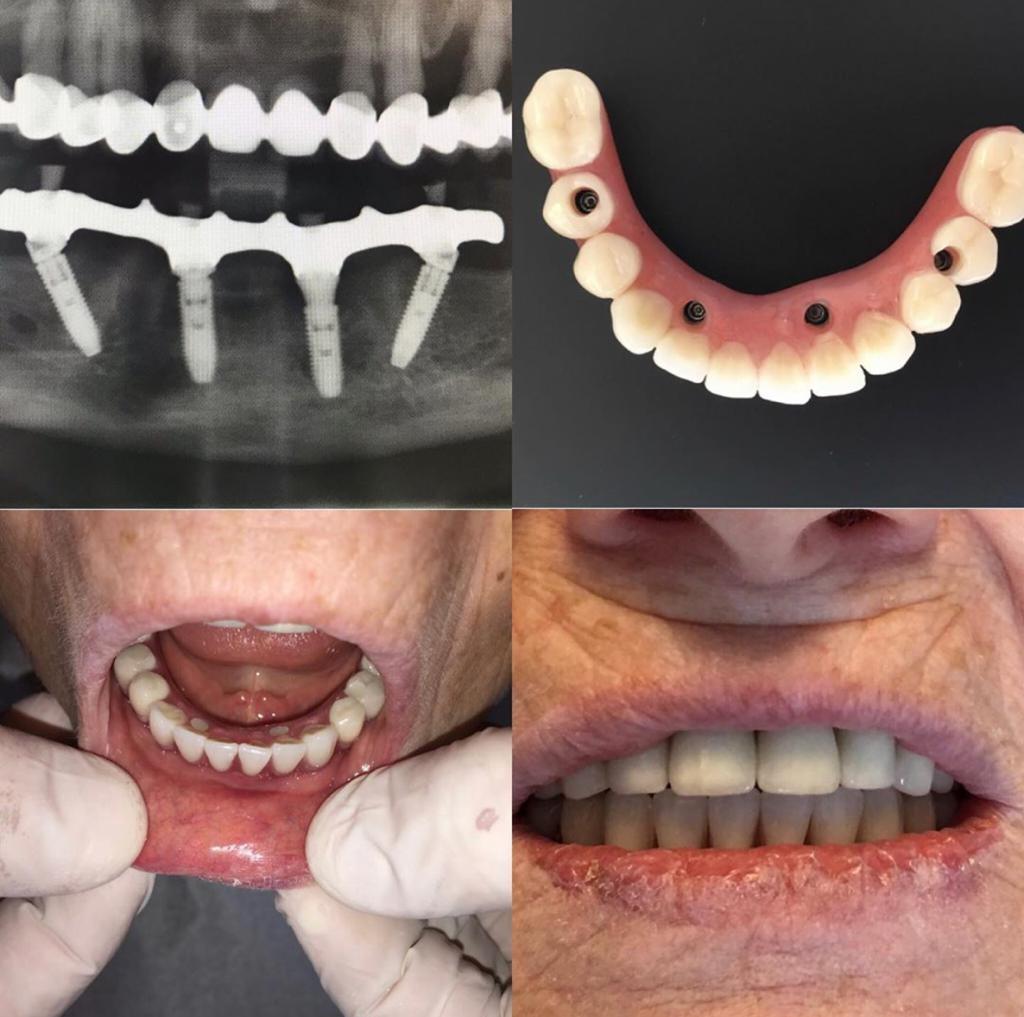
Unlike conventional dental implant strategies, which may require six to eight implants per jaw, the All on Four approach utilizes four strategically placed implants to support a full dental arch. This configuration is designed to optimize bone density, reduce the need for bone grafting, and allow for faster recovery times. The posterior implants are typically angled to provide maximum anchorage, ensuring a stable and functional prosthetic, supported by advanced titanium alloy.
Studies indicate that this technique not only reduces surgical complexity but also lowers treatment costs while maintaining high success rates. Furthermore, All on Four implants can often be placed in a single visit, providing immediate temporary teeth and minimizing downtime. Patients can enjoy functional restoration almost immediately, a key factor contributing to its widespread adoption. This process involves abutment (the connector piece between the implant and the crown).
The Science Behind All on Four Implant Placement
Understanding the biomechanics of All on Four implants requires a close look at implant angulation and prosthetic load distribution. Angled posterior implants help distribute occlusal forces evenly across the jaw, reducing stress points and potential implant failure. The anterior implants provide vertical support, anchoring the prosthetic securely, supported by advanced delayed loading.
According to a report published in the Journal of Oral Implantology, survival rates for All on Four implants are comparable to traditional multi-implant approaches, with five-year success rates exceeding 95% when proper protocols are followed. The integration of digital imaging, guided surgery, and CAD/CAM technology further enhances precision, allowing clinicians to design individualized treatment plans based on patient-specific anatomy. This process involves alveolar ridge (the bony ridge that supports the teeth).
Ideal Candidates for the All on Four Technique
While All on Four is highly versatile, certain factors determine candidacy. Patients with significant bone loss, edentulism, or those seeking a faster rehabilitation process often benefit most. The reduced number of implants can bypass anatomical limitations such as sinus cavities or nerve pathways, which are common barriers in traditional implantology. This process involves immediate loading (placing a temporary tooth on the same day as implant surgery).
A multidisciplinary evaluation is essential, incorporating imaging scans, occlusal analysis, and overall oral health assessment. By considering these factors, clinicians can ensure that each All on Four treatment plan is customized, safe, and effective.
Advantages of Choosing All on Four
The benefits of All on Four implants extend beyond reduced surgery time and fewer implants. Key advantages include:
- Immediate Function: Temporary prosthetics are often placed the same day, allowing patients to eat, speak, and smile with confidence.
- Reduced Healing Time: Fewer implants and minimally invasive techniques lead to quicker recovery.
- Cost Efficiency: With fewer surgical sites, overall treatment costs can be significantly lower than traditional full-arch restorations.
- Predictable Outcomes: Angled implants and modern planning tools contribute to highly predictable functional and aesthetic results.
In addition, research shows that patient satisfaction rates are high, with most reporting improved quality of life, comfort, and confidence in social interactions.
The All on Four Treatment Process
The All on Four procedure is designed for efficiency without compromising precision. Typically, it begins with a comprehensive assessment, including 3D imaging to map the jawbone, evaluate nerve placement, and plan implant positioning. Digital planning allows clinicians to simulate outcomes, ensuring optimal implant angulation and prosthetic fit.
Once the plan is finalized, the procedure usually involves:
- Preparation and Extraction: If remaining teeth exist, they are gently removed.
- Implant Placement: Four implants are inserted; posterior implants are angled to maximize support.
- Temporary Prosthesis: A provisional dental bridge is attached, giving immediate function.
The entire process can often be completed in a single day. Patients leave the clinic with a functional smile, a major psychological and social advantage.
Post-Operative Care for All on Four Implants
Although All on Four is minimally invasive, proper care is essential for long-term success. Key recommendations include:
- Maintaining excellent oral hygiene around implants
- Avoiding extremely hard foods during the first few weeks
- Attending follow-up appointments to monitor healing and prosthetic stability
Unlike traditional dentures, All on Four implants preserve jawbone integrity, preventing the bone resorption that typically accompanies tooth loss. Regular dental check-ups ensure implants remain healthy and functional for years.
Long-Term Success and Durability of All on Four
The longevity of All on Four implants is a testament to modern dental science. Factors influencing long-term success include bone quality, implant material, prosthetic design, and patient adherence to maintenance protocols. Studies have shown survival rates exceeding 95% over five years, with many patients maintaining functional and aesthetic outcomes for decades, supported by advanced dental prosthesis.
Using high-quality titanium or zirconia implants and precision-engineered prosthetics minimizes mechanical failures. Additionally, digital scanning and CAD/CAM fabrication ensure optimal fit, comfort, and load distribution, further enhancing durability.
Risks and Considerations in All on Four Implantology
While All on Four offers predictable outcomes, like any surgical procedure, it carries potential risks. These include:
- Minor post-operative discomfort and swelling
- Infection at the implant site
- Rare implant failure due to insufficient bone integration
Pre-operative evaluation, accurate digital planning, and sterile surgical protocols significantly reduce these risks. Patients benefit from a multidisciplinary approach, often involving prosthodontists, oral surgeons, and restorative dentists.
The All on Four Treatment Process
The All on Four procedure is designed for efficiency without compromising precision. Typically, it begins with a comprehensive assessment, including 3D imaging to map the jawbone, evaluate nerve placement, and plan implant positioning. Digital planning allows clinicians to simulate outcomes, ensuring optimal implant angulation and prosthetic fit.
Once the plan is finalized, the procedure usually involves:
- Preparation and Extraction: Any remaining teeth are gently removed, preserving as much bone as possible.
- Implant Placement: Four implants are strategically inserted; posterior implants are angled to maximize support and stability.
- Temporary Prosthesis: A provisional dental bridge is attached immediately, giving functional teeth on the same day.
The entire process can often be completed in a single day. Patients leave the clinic with a fully functional smile, enhancing confidence and social interaction from day one.
Post-Operative Care for All on Four Implants
Although All on Four is minimally invasive, proper care is essential for long-term success. Key post-operative measures include:
- Maintaining excellent oral hygiene around the implants using specialized brushes and non-abrasive toothpaste.
- Avoiding extremely hard or sticky foods during the initial healing period to prevent strain on the implants.
- Attending regular follow-up appointments to monitor healing, prosthetic fit, and implant stability.
Unlike traditional dentures, All on Four implants preserve jawbone integrity, preventing the bone resorption that typically accompanies tooth loss. Regular monitoring ensures implants remain healthy, functional, and aesthetically pleasing for years.
Long-Term Success and Durability of All on Four
The longevity of All on Four implants is a testament to modern dental science. Factors influencing long-term success include bone quality, implant material, prosthetic design, and patient adherence to maintenance protocols. Research indicates survival rates exceeding 95% over five years, with many patients maintaining functional and aesthetic outcomes for decades, supported by advanced sinus augmentation.
High-quality titanium or zirconia implants combined with precision-engineered prosthetics minimize mechanical failures. Digital scanning and CAD/CAM fabrication ensure optimal fit, comfort, and even load distribution, which significantly enhances durability.
Risks and Considerations in All on Four Implantology
While All on Four offers predictable outcomes, potential risks exist. These include:
- Minor post-operative discomfort, swelling, or bruising.
- Infection at the implant site, which is rare with sterile protocols.
- Rare implant failure due to insufficient bone integration or poor oral hygiene.
A thorough pre-operative evaluation, accurate digital planning, and sterile surgical protocols minimize risks. Patients benefit from a multidisciplinary approach, often involving prosthodontists, oral surgeons, and restorative dentists, ensuring the procedure is as safe and effective as possible.
How Soon Can I Eat After All on Four Implants?
Patients often receive a temporary prosthesis on the same day as surgery, allowing for immediate functionality. Soft foods are recommended initially, gradually progressing to a normal diet as healing continues. Clinicians advise careful chewing and avoiding hard or sticky foods during the first few weeks to protect the implants.
Research shows that early function contributes to faster adaptation and patient satisfaction. Unlike traditional dentures that require weeks of adjustment, All on Four allows patients to regain confidence in eating, speaking, and smiling almost immediately.
Are All on Four Implants Painful?
Local anesthesia and, when needed, sedation make the procedure comfortable and generally pain-free during surgery. Post-operative soreness, swelling, or minor discomfort is normal and typically managed with over-the-counter analgesics.
Patients often report that the discomfort is less intense than they expected, particularly compared to traditional multi-implant or full-jaw surgeries. Following post-operative care instructions significantly reduces recovery time and ensures a smooth healing process.
How Long Do All on Four Implants Last?
With proper oral care and regular check-ups, All on Four implants can last 15–20 years or more. Factors such as bone quality, prosthetic material, and overall oral hygiene influence longevity.
Many patients experience minimal maintenance issues over time, thanks to the stability and strength of the implant-supported prosthesis. Routine dental visits allow for early detection of any potential problems, ensuring implants remain functional and aesthetically pleasing for decades.
Who Can Receive All on Four Implants?
Most patients with sufficient jawbone density are candidates for All on Four implants. Digital imaging and thorough clinical evaluations help identify ideal cases. Patients with significant bone loss may still qualify, as angled posterior implants can bypass anatomical limitations such as sinus cavities or nerve pathways.
The treatment is particularly suitable for individuals seeking full-arch restoration, faster rehabilitation, or improved oral function compared to traditional dentures. Each plan is customized to the patient’s anatomy, ensuring predictable results and a comfortable fit.
Why All on Four Stands Out
The All on Four implant technique represents a leap forward in dental rehabilitation, offering patients a balance of efficiency, predictability, and aesthetic excellence. By reducing the number of implants while maximizing support, it addresses common limitations of traditional methods, such as bone loss and extended recovery.
For patients seeking a durable, functional, and natural-looking solution, All on Four implants provide a transformative option. Livera Clinic leverages the latest technology, expert planning, and a patient-centered approach to deliver outcomes that are both scientifically sound and socially impactful.