Orthodontics is a specialized field of dentistry focused on diagnosing, preventing, and correcting irregularities in teeth and jaw alignment. This discipline not only enhances the aesthetic appeal of a smile but also contributes to long-term oral health, bite function, and overall well-being. From traditional braces to cutting-edge aligners, orthodontics offers a variety of treatment options tailored to individual needs.
Understanding the Basics of Orthodontics
Orthodontics is more than just straightening teeth. It is a science that examines the growth and development of the jaw, teeth positioning, and bite patterns. Irregularities in these areas can lead to a range of issues including difficulty chewing, speech impediments, and even jaw pain. The core principle of orthodontics is to create harmony between dental structures and facial aesthetics, ultimately promoting both health and confidence.
Research has shown that early intervention in childhood orthodontics can prevent complex dental problems in adulthood. Modern techniques also allow for treatments to be effective across all age groups, demonstrating the versatility and significance of orthodontics in contemporary dentistry.
Types of Orthodontic Treatments
The field of orthodontics encompasses a variety of treatment modalities designed to address different dental concerns. The most common types include:
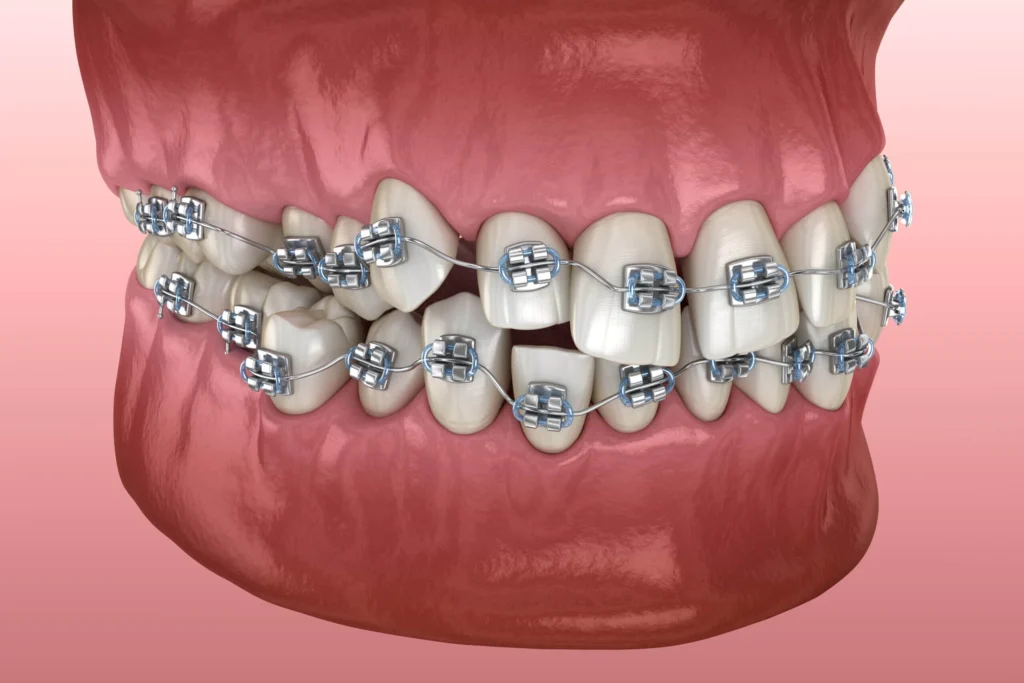
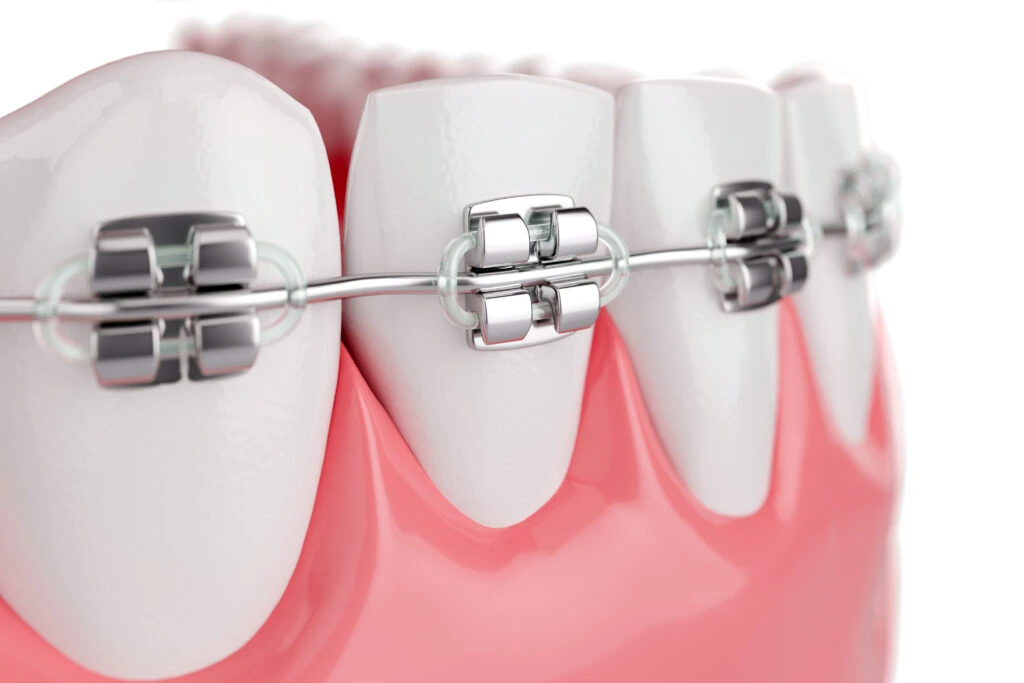
- Traditional Metal Braces: These are the classic braces consisting of metal brackets and wires. Despite their appearance, modern designs are more comfortable and efficient.
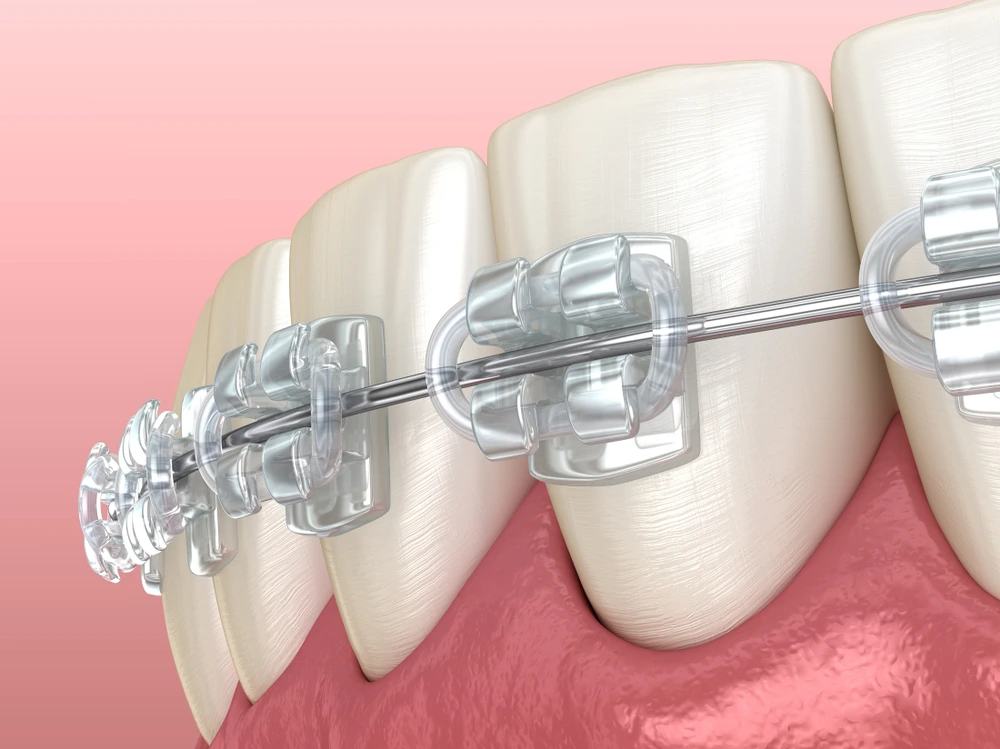
- Ceramic Braces: Made from tooth-colored materials, ceramic braces offer a less noticeable alternative to metal braces while maintaining effectiveness.
- Lingual Braces: Placed on the inner side of teeth, these braces remain invisible from the outside, making them ideal for those prioritizing aesthetics.
- Clear Aligners: Removable and transparent, aligners like Invisalign provide a flexible, discreet option for mild to moderate dental misalignments.
Each treatment has its own set of advantages, and the choice depends on factors such as severity of misalignment, age, lifestyle, and personal preference.
Benefits of Orthodontics
Investing in orthodontics provides numerous benefits that extend beyond cosmetic improvement. These include:
- Enhanced Oral Health: Properly aligned teeth are easier to clean, reducing the risk of cavities, gum disease, and tooth decay.
- Improved Functionality: Correcting bite issues helps in chewing, speaking, and overall jaw function.
- Long-Term Health Benefits: Misaligned teeth can cause uneven wear, TMJ disorders, and even headaches. Orthodontics prevents these complications.
- Psychological and Social Confidence: A well-aligned smile can boost self-esteem and improve social interactions.
Studies suggest that adults undergoing orthodontic treatment experience not only improved oral health but also significant positive psychological effects, underlining the holistic value of orthodontics.
Orthodontics for Different Age Groups
Orthodontics is not limited to children or teenagers. Treatments are tailored for various age groups:
- Children (Early Intervention): Early orthodontic assessments can detect issues such as crowded teeth, overbites, and jaw discrepancies, allowing preventive measures to reduce future complications.
- Teenagers: This age group often undergoes traditional braces or aligners to address active growth and tooth movement efficiently.
- Adults: Adult orthodontics has become increasingly popular due to aesthetic concerns and health motivations. Innovations like clear aligners and lingual braces make treatments convenient and effective.
Adapting treatments to age-specific needs ensures optimal outcomes and reduces the likelihood of relapse.
How Orthodontics Works: Techniques and Innovations
Modern orthodontics combines biomechanics, advanced materials, and digital technology. Treatments begin with a comprehensive assessment including X-rays, dental impressions, and sometimes 3D imaging to map out tooth movement precisely.
Some innovative techniques include:
- Self-ligating Braces: Braces that use a specialized clip mechanism to hold wires, reducing friction and treatment time.
- Accelerated Orthodontics: Utilizing micro-osteoperforation or vibration technology to speed up tooth movement.
- Digital Treatment Planning: AI-based modeling predicts results, ensuring precise and predictable outcomes.
These innovations allow patients to experience faster, more comfortable, and more predictable treatments while maintaining high standards of care.
Potential Challenges in Orthodontic Treatment
Although orthodontics is highly effective, patients may encounter certain challenges:
- Discomfort and Adjustment Periods: Braces and aligners can cause temporary soreness or speech difficulties.
- Oral Hygiene Maintenance: Special attention is required to prevent plaque accumulation around brackets or attachments.
- Duration of Treatment: Depending on complexity, treatment can last from several months to a few years.
Despite these challenges, the long-term benefits far outweigh temporary inconveniences, making orthodontics a valuable investment in oral health and overall confidence.
Lifestyle Considerations During Orthodontic Treatment
Adapting lifestyle habits can enhance the effectiveness of orthodontics treatments. Key recommendations include:
- Avoiding sticky or hard foods that may damage appliances
- Maintaining rigorous oral hygiene practices
- Attending all scheduled appointments for adjustments and monitoring
These practices ensure that treatments progress efficiently and complications are minimized, ultimately leading to optimal results.
The Future of Orthodontics
The field of orthodontics is rapidly evolving with technology-driven innovations. 3D printing, AI-assisted treatment plans, and personalized appliances are transforming the patient experience. Researchers are exploring ways to shorten treatment times, reduce discomfort, and increase aesthetic options.
In addition, interdisciplinary approaches integrating orthodontics with restorative and cosmetic dentistry are becoming more prevalent, emphasizing not only function but also facial harmony and overall patient satisfaction.
Orthodontics is a dynamic and essential branch of dentistry, offering diverse treatment options for all ages. From traditional braces to state-of-the-art aligners, these treatments improve oral health, function, and aesthetics. With a growing emphasis on early intervention and technological innovation, orthodontics continues to play a critical role in shaping confident smiles and maintaining long-term dental wellness.