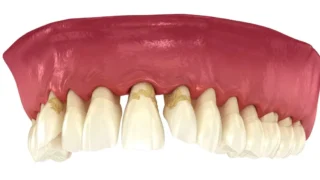
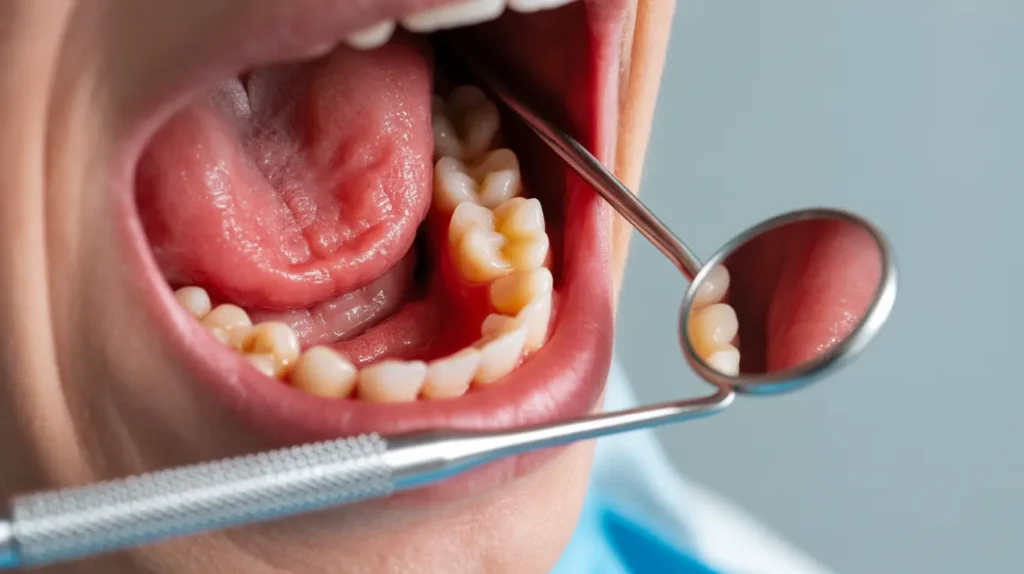
Have you ever brushed your teeth, looked into the sink, and noticed a surprising pinkish hue? If so, you’ve experienced bleeding gums, a common yet often misunderstood signal from your body. At Livera Clinic, we believe that your mouth is a gateway to your overall well-being, and those small drops of blood are essentially your gums trying to strike up a conversation with you.
This phenomenon isn’t just a minor inconvenience; it is a biological indicator that something in the delicate ecosystem of your mouth requires attention. Whether it’s a result of a new flossing routine or a sign of an underlying systemic factor, bleeding gums deserve a deep dive into their origins, implications, and the various ways they can be managed. Let’s embark on a journey through the science of oral health, flavored with a bit of curiosity and expert insight.
The Biological Mechanics Behind Bleeding Gums
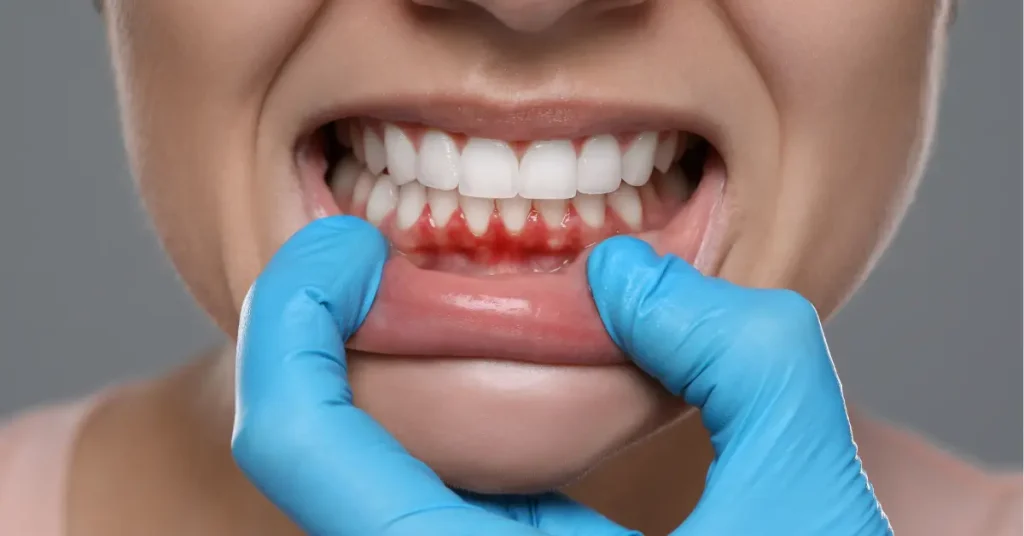
To understand why bleeding gums happen, we first have to look at the anatomy of the gingiva. Your gums are composed of soft, vascular tissue designed to create a tight seal around your teeth, protecting the underlying bone. When this tissue becomes irritated or inflamed a condition known as gingivitis the blood vessels near the surface become fragile and prone to leaking. This is the body’s inflammatory response attempting to flush out perceived threats, such as bacterial biofilm.
The primary culprit is often plaque, a sticky film of bacteria that constantly forms on teeth. If not removed, these microbes release toxins that provoke the immune system. This battle between your body and the bacteria leads to the redness and sensitivity associated with bleeding gums. Interestingly, this isn’t just a local issue; the inflammatory markers produced in the mouth can sometimes travel through the bloodstream, hinting at the fascinating connection between oral health and systemic vitality.
Beyond the bacterial aspect, the mechanical integrity of the tissue matters. If the collagen fibers that hold the gums to the tooth begin to break down, the tissue loses its resilience. This makes bleeding gums more likely during even low-impact activities like eating a crisp apple or using a manual toothbrush. Understanding this biological “alarm system” helps shift the perspective from fear to proactive care.
Common Lifestyle Factors Influencing Bleeding Gums
Believe it or not, your daily habits play a starring role in the health of your gingival tissues. One of the most frequent reasons people notice bleeding gums is a sudden change in their hygiene routine. For instance, if you haven’t flossed in weeks and suddenly decide to be a “flossing superstar,” your gums might react with a bit of blood. This is typically a temporary adjustment period as the tissue toughens up and the localized inflammation subsides.
Dietary choices also weave into the narrative. A lack of Vitamin C or Vitamin K can weaken the capillaries and impair the body’s natural clotting mechanisms, respectively. When the body lacks these essential micronutrients, bleeding gums can become a recurring guest. Furthermore, habits like smoking or vaping restrict blood flow to the gums, which ironically might mask bleeding at first, only to lead to more severe periodontal issues down the line when the tissue finally gives way.
Stress is another undercover agent. High levels of cortisol can suppress the immune system, making it harder for your body to fight off the bacteria that cause bleeding gums. It is a holistic cycle: your mental state affects your physical health, which in turn manifests in your oral cavity. Recognizing these lifestyle links allows for a more comprehensive approach to maintaining a vibrant, blood-free smile.
Medical Perspectives on Persistent Bleeding Gums
Sometimes, the cause of bleeding gums isn’t found in a toothbrush but in a medicine cabinet or a biological milestone. Certain medications, particularly blood thinners or anticoagulants, are designed to prevent clots, which naturally makes the gums more likely to bleed during routine cleaning. Similarly, some medications used for blood pressure can cause gum overgrowth, making it easier for bacteria to hide and trigger bleeding gums.
Hormonal fluctuations are another major scientific factor. Life stages such as puberty, pregnancy, and menopause involve significant shifts in estrogen and progesterone. These hormones increase blood flow to the gingival tissues, making them hypersensitive to even small amounts of plaque. This is why “pregnancy gingivitis” is a well-documented condition where bleeding gums become more prevalent despite a woman’s best efforts at oral hygiene.
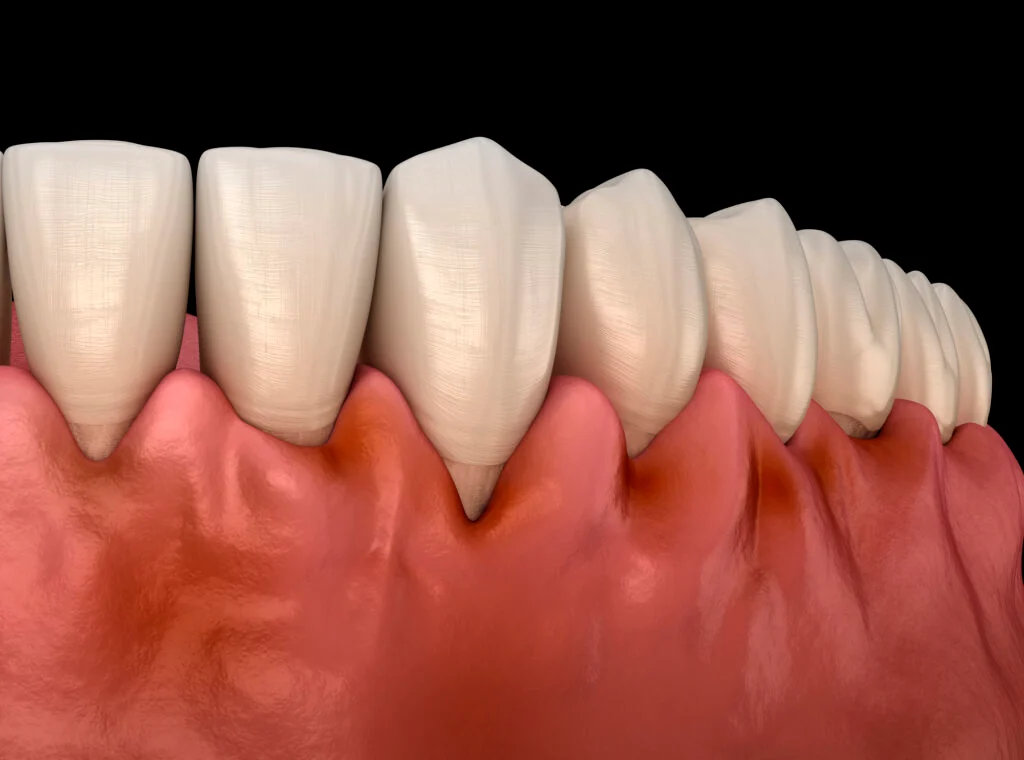
Furthermore, systemic conditions such as diabetes can complicate the situation. Diabetes affects the body’s ability to process sugar, which can lead to higher glucose levels in saliva basically a buffet for bacteria. This increased bacterial load often results in stubborn bleeding gums. By viewing the mouth as a mirror of the body, we can better appreciate how internal health balance is reflected in the color and stability of our gum line.
Professional Approaches to Managing Bleeding Gums
When it comes to addressing the issue, the approach is rarely one-size-fits-all. At a clinical level, the first step in treating bleeding gums is often a professional deep cleaning, known as scaling and root planing. This process involves removing the hardened tartar (calculus) that sits below the gum line, providing a clean slate for the tissue to reattach and heal. It’s like hitting a “reset button” for your oral microbiome.
Innovation in dental technology has also introduced laser therapies. These lasers can target and eliminate diseased tissue and bacteria with incredible precision, often reducing the discomfort and recovery time associated with traditional methods. For those struggling with bleeding gums, these advanced options provide a pathway to health that is both efficient and minimally invasive.
| Treatment Type | Primary Goal | Recommended Frequency |
| Professional Scaling | Remove tartar and plaque | Every 6 months |
| Root Planing | Smooth root surfaces | As needed for deep pockets |
| Laser Therapy | Decontaminate gum pockets | Specific to periodontal cases |
| Nutritional Counseling | Address vitamin deficiencies | Ongoing |
Beyond the chair, professional guidance often includes tailoring a home-care regimen. This might involve recommending specific antimicrobial rinses or interdental brushes that are more effective than traditional floss for certain tooth geometries. The goal is always to create an environment where bleeding gums are no longer the norm, but a distant memory.
Revolutionary Tools for Combating Bleeding Gums at Home
The “how” of daily care has evolved significantly over the last decade. Many people find that switching to an electric toothbrush with a pressure sensor significantly reduces the incidence of bleeding gums. These sensors alert you if you are scrubbing too hard, which is a common cause of mechanical trauma to the delicate gingival margins. It turns out, more force doesn’t mean more clean; it often just means more irritation.
Water flossers have also become a game-changer for those with sensitive mouths. By using a targeted stream of water, these devices can flush out debris from deep between the teeth without the physical friction that sometimes triggers bleeding gums. This is especially helpful for individuals with braces, bridges, or dental implants where traditional flossing might be cumbersome.
| Tool | Benefit for Gums | Best For |
| Electric Toothbrush | Controlled pressure | Everyone |
| Water Flosser | Gentle debris removal | Sensitive gums / Braces |
| Interdental Brushes | Superior plaque removal | Large gaps / Periodontal care |
| Antiseptic Rinse | Bacterial load reduction | Chronic inflammation |
Incorporating these tools is about working smarter, not harder. When you pair the right technology with a consistent routine, the likelihood of experiencing bleeding gums drops dramatically. It’s about finding the specific combination of tools that makes your oral hygiene routine feel less like a chore and more like a self-care ritual.
Long-Term Outlook and the Future of Gum Health
The good news is that in the vast majority of cases, bleeding gums are reversible. The mouth is one of the fastest-healing parts of the human body. With the right intervention and consistent care, inflamed tissues can return to a healthy, pale pink, and firm state in a matter of weeks. The key is not to ignore the signs; early intervention is the best way to prevent gingivitis from progressing into periodontitis.
Looking forward, the field of “Oral Microbiomics” is exploring how we can balance the good and bad bacteria in our mouths through probiotics and targeted therapies. In the future, treating bleeding gums might be as simple as a customized probiotic lozenge that restores the natural harmony of your mouth. Until then, the foundation remains the same: professional expertise combined with diligent personal care.
At Livera Clinic, we see every patient as a unique story. We understand that noticing bleeding gums can be unsettling, but it’s also an opportunity to elevate your health standards. By paying attention to these signals and seeking expert guidance, you aren’t just saving your teeth you are investing in your long-term vitality and the confidence that comes with a truly healthy smile.
Frequently Asked Questions
Why do my gums bleed only when I floss?
This usually indicates that plaque has built up between the teeth, causing localized inflammation. When the floss disturbs this area, the fragile capillaries leak. With consistent flossing, the inflammation subsides, and the bleeding typically stops within 7 to 10 days.
Can stress really cause my gums to bleed?
Yes, science suggests a strong link. Stress triggers the release of hormones like cortisol, which can increase inflammation throughout the body, including the gums. Furthermore, stressed individuals are more likely to neglect their hygiene habits or grind their teeth, both of which contribute to the issue.
Is it ever “normal” for gums to bleed?
While common, it is never considered “normal” in a healthy mouth. Think of it like your scalp bleeding when you brush your hair it’s a sign that the tissue is compromised. It’s always worth investigating the cause rather than dismissing it as a routine occurrence.