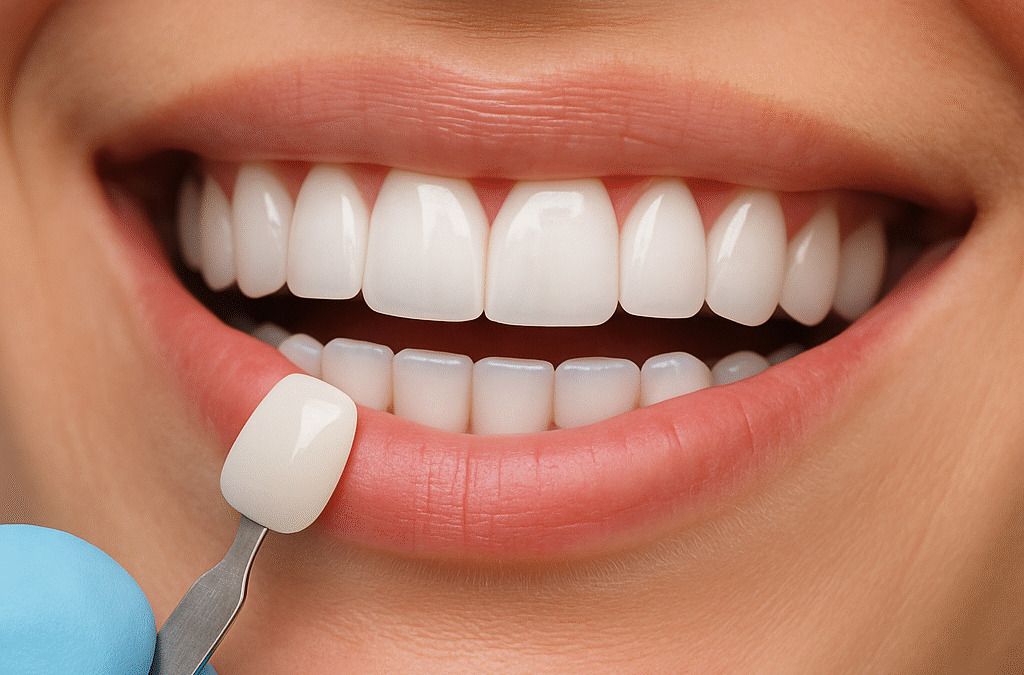
When it comes to achieving a radiant, veneers-enhanced smile, the transformation goes far beyond simple aesthetics. Veneers are thin shells crafted from porcelain or composite materials that adhere to the surface of teeth, altering their shape, color, and alignment. Their rising popularity among celebrities and everyday individuals alike stems from the combination of precision, durability, and natural-looking results, supported by advanced smile makeover.
The appeal of veneers lies not only in cosmetic enhancement but also in subtle dental engineering. Each shell is custom-made to complement the wearer’s facial structure, smile arc, and bite mechanics. In addition, modern adhesive technologies allow for minimally invasive placement, preserving tooth integrity while delivering a lasting visual impact, supported by advanced dental bonding.
How Veneers Transform Tooth Shape and Alignment
Veneers play a unique role in modifying tooth contours. Unlike braces, which gradually shift teeth, veneers provide immediate aesthetic corrections. They can lengthen short teeth, smooth uneven edges, or close small gaps, creating a harmonious appearance without extensive orthodontic intervention.
Dental imaging and 3D modeling are integral in this process. Practitioners analyze each tooth’s dimensions, angulation, and the overall arch curvature to ensure the veneers blend seamlessly with natural teeth. This combination of artistry and science ensures that the final result looks authentic while enhancing smile symmetry, supported by advanced smile simulation.
Material Choices for Durable Veneers
The success of veneers often depends on the material selected. Porcelain is highly favored for its translucency and stain resistance, closely mimicking the natural enamel. Composite resin, on the other hand, offers flexibility and ease of repair while still providing noticeable improvements.
Laboratory testing and clinical studies show that porcelain veneers maintain color stability over many years, making them a preferred choice for those seeking longevity. Composite options, while slightly less durable, allow for quicker adjustments and are often used for younger patients or minor cosmetic tweaks.
The Procedure: From Preparation to Placement of Veneers
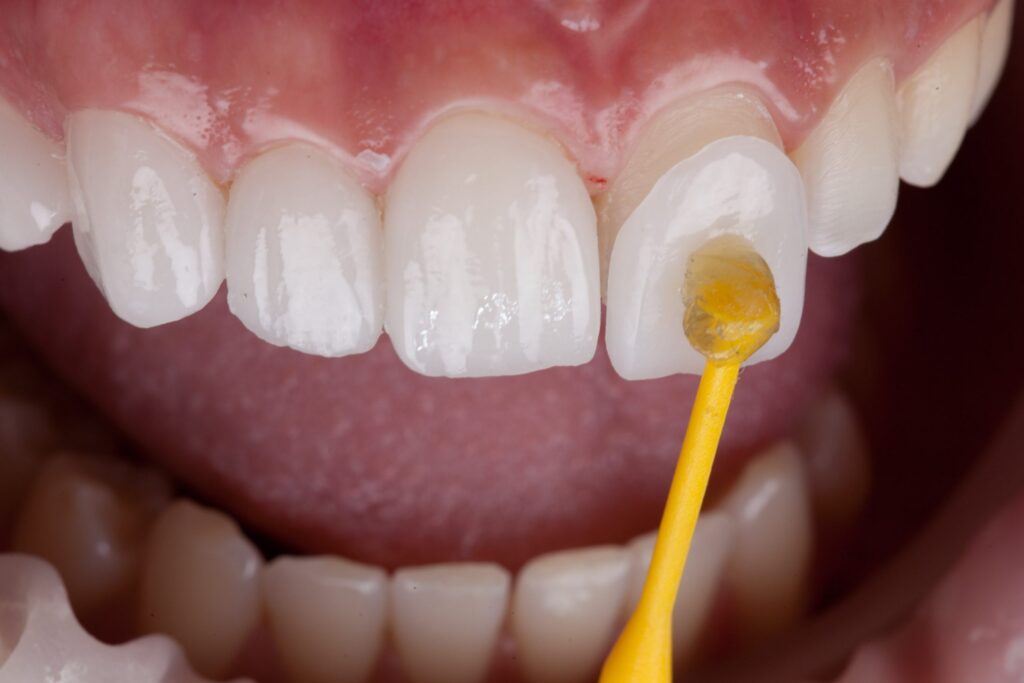
Applying veneers is a meticulous process. Initially, a minimal layer of enamel is removed to accommodate the shell, ensuring a flush fit. Impressions are taken, and temporary veneers may be placed while the permanent shells are fabricated. Once ready, adhesive bonding secures the veneers to the teeth with precision, supported by advanced biocompatible materials.
Throughout the procedure, clinicians consider bite dynamics and jaw movement to prevent stress points that could compromise longevity. Proper placement guarantees comfort, functionality, and aesthetic integration, demonstrating why veneers are a preferred solution for a quick yet impactful smile transformation.
Immediate vs. Long-Term Effects of Veneers
The immediate visual effect of veneers is evident, with brighter, evenly shaped teeth creating an instant confidence boost. However, their long-term influence extends to bite distribution, enamel protection, and even speech mechanics. Carefully designed veneers can improve occlusion while reducing excessive wear on natural teeth, supported by advanced gum contouring.
Ongoing monitoring ensures these benefits persist. Patients are advised to maintain oral hygiene and avoid excessive force, as proper care directly impacts both the aesthetic and functional longevity of veneers.
Addressing Common Concerns About Veneers
Many individuals hesitate before opting for veneers, often due to misconceptions about invasiveness or permanence. While minimal enamel preparation is necessary, advancements in dental adhesives and shell design reduce the risk of damage. Additionally, any needed adjustments can often be performed without removing the veneer entirely, supported by advanced tooth whitening.
Sensitivity may occur initially, but this typically resolves within days. Understanding the balance between aesthetics, durability, and biological compatibility reassures patients that veneers are a scientifically grounded choice for enhancing smiles.
Types of Veneers and Their Unique Advantages
Not all veneers are created equal. The choice of material and design depends on the patient’s aesthetic goals, oral anatomy, and lifestyle. Common types include:
- Porcelain Veneers – Known for exceptional translucency, porcelain veneers mimic natural enamel and resist staining.
- Composite Resin Veneers – These are less invasive, quicker to place, and easier to repair.
- No-Prep Veneers – Ideal for minor adjustments, these require little to no enamel removal.
Each option carries specific advantages. Porcelain offers longevity and a high-end aesthetic, while composite provides flexibility and faster results. No-prep veneers minimize invasiveness, making them appealing for those new to cosmetic dentistry.
How Veneers Enhance Smile Symmetry
Veneers are not only about color improvement. They correct asymmetry, uneven spacing, and slight rotations, enhancing the visual balance of a smile. A balanced smile contributes to perceived attractiveness and can even impact self-confidence.
Using digital smile design software, clinicians can simulate outcomes before placement. This ensures that the veneers integrate seamlessly with existing dental structures, maintaining harmony with facial features and jawline proportions.
Longevity and Durability of Veneers
When properly cared for, veneers can last 10 to 20 years. Porcelain options tend to resist staining and maintain shape over time, while composite may require occasional touch-ups. Regular dental check-ups and consistent hygiene practices are critical to preserving their appearance and function.
Scientific studies show that modern veneers withstand normal chewing forces and daily wear, provided that patients avoid habits such as teeth grinding or biting hard objects.
Maintenance and Care for Veneers
Maintaining veneers is straightforward but essential. Brushing twice a day, flossing, and avoiding excessive consumption of staining foods or beverages helps preserve their appearance.
Specialized tools, like interdental brushes, can prevent plaque buildup around veneer margins. Additionally, routine dental visits allow professionals to check adhesion, enamel integrity, and detect early signs of wear, ensuring the longevity of veneers.
Psychological Benefits of a Veneers-Enhanced Smile
The impact of veneers goes beyond aesthetics. Studies suggest that people with balanced and bright smiles experience increased confidence in social and professional interactions.
This effect is particularly evident in media-facing individuals, but it also extends to everyday situations. Patients often report feeling more self-assured and motivated after receiving veneers, highlighting the interplay between cosmetic dentistry and psychological wellbeing.
Innovations in Veneers Technology
Recent advances in dental technology have revolutionized veneers. CAD/CAM systems, digital impressions, and computer-guided placement allow for unprecedented precision.
These innovations reduce human error, ensure consistent fit, and optimize occlusion. They also make complex transformations achievable with minimal invasiveness, allowing patients to enjoy dramatic aesthetic improvements safely and efficiently.
Addressing Common Misconceptions About Veneers
Many individuals worry that veneers appear unnatural or require extensive tooth removal. In reality, modern techniques minimize enamel reduction and produce results that blend seamlessly with surrounding teeth.
Another misconception is that veneers are fragile. While proper care is essential, high-quality porcelain veneers are resistant to fracture and wear, making them a long-term investment in both beauty and function.
Comparing Veneers with Other Cosmetic Dental Options
Unlike whitening treatments that only address color, veneers correct shape, size, and alignment. Unlike crowns, which may cover the entire tooth, veneers preserve most of the natural tooth structure.
This positions veneers as a versatile, minimally invasive solution that balances aesthetics with biological preservation, offering an optimal pathway for achieving a celebrity-quality smile.
The Role of Veneers in Comprehensive Smile Design
Modern cosmetic dentistry views veneers as a foundational tool in smile design. By addressing multiple variables color, symmetry, proportion, and minor misalignments veneers allow dentists to craft a holistic, individualized smile plan.
Patients benefit from predictable results, minimized risk, and an overall aesthetic that enhances natural beauty without compromising oral health.
Long-Term Effects of Veneers on Oral Health
While veneers are primarily cosmetic, their long-term application can positively influence oral health. Properly fitted veneers can help protect underlying enamel from minor wear and staining.
Studies also suggest that patients with enhanced smile aesthetics are more likely to maintain consistent oral hygiene routines. The psychological motivation provided by a bright, balanced smile encourages brushing, flossing, and regular dental check-ups, indirectly supporting oral health.
Social and Psychological Impacts of Veneers
Veneers don’t just transform smiles they can transform confidence. Patients often report heightened self-esteem, improved social interactions, and a more positive public presence.
Celebrity smiles created with veneers highlight how subtle adjustments can influence perception. Symmetry, uniformity, and brightness not only enhance attractiveness but also impact the way individuals engage in both personal and professional environments.
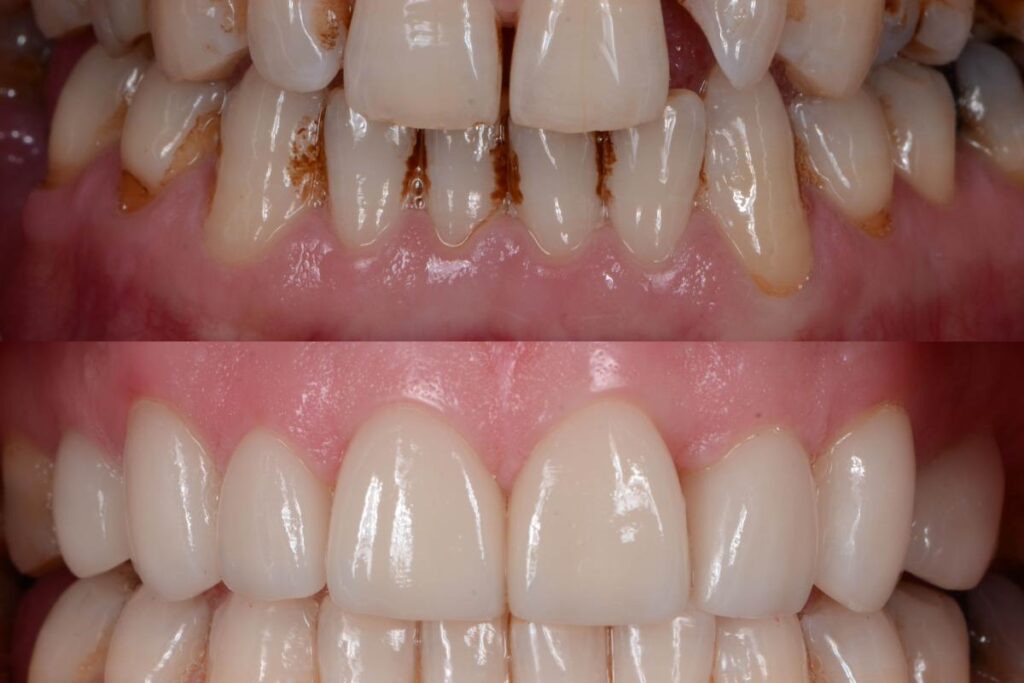
The Procedure: What to Expect With Veneers
The veneers application process is meticulous yet minimally invasive. After initial consultation and digital imaging, enamel may be lightly prepared. Impressions are taken, and custom veneers are fabricated to match the patient’s teeth in shape, size, and color.
Placement involves bonding the veneers with adhesive technology that ensures stability while preserving natural tooth integrity. This careful approach balances aesthetics with long-term function, ensuring predictable, natural-looking results.
Innovations in Veneers Placement and Materials
Modern dental technologies have expanded what’s possible with veneers. CAD/CAM systems, 3D printing, and advanced ceramics allow for precise customization.
Materials are now more durable, stain-resistant, and translucent, enabling natural light transmission and reflection similar to enamel. These innovations allow dental professionals to create dramatic transformations with minimal discomfort and maximal visual impact.
Comparing Veneers With Other Cosmetic Enhancements
When evaluating cosmetic options, veneers are unique in their versatility. Whitening addresses only surface color, while orthodontics primarily correct alignment. Crowns may be more invasive, covering the entire tooth.
Veneers bridge the gap, simultaneously improving color, shape, minor alignment issues, and symmetry, often without extensive tooth preparation. This combination of benefits makes veneers a preferred choice for patients seeking holistic aesthetic improvements.
Maintaining Results: Lifespan and Care for Veneers
Longevity of veneers depends on quality, placement, and patient care. Porcelain options can last 10–20 years with proper maintenance, while composite variants may require periodic touch-ups.
Routine dental visits, consistent oral hygiene, and avoidance of excessive forces such as nail-biting or chewing hard objects help preserve both appearance and function. Proper maintenance ensures that the aesthetic and functional benefits of veneers endure over time.
Lessons From Celebrity Smiles: Applying Veneers Principles
Celebrity smile transformations using veneers demonstrate the intersection of science, art, and psychology. Key takeaways for everyday patients include:
- Prioritize symmetry and proportion.
- Use minimally invasive approaches where possible.
- Maintain long-term oral hygiene for sustained results.
- Consider psychological effects of an enhanced smile.
By applying these principles, anyone can achieve a more confident, visually appealing smile informed by professional cosmetic dentistry standards.
The Power of Veneers in Smile Enhancement
Veneers provide a transformative yet safe method to enhance smiles, blending aesthetics, technology, and biology. They address multiple aspects of dental appearance from color and alignment to symmetry while supporting long-term oral health.
With modern materials, precise placement, and careful planning, veneers allow patients to achieve a celebrity-quality smile that is both natural-looking and enduring. The journey with veneers exemplifies how thoughtful cosmetic dentistry can harmonize visual appeal with functional integrity, leaving patients with confidence and satisfaction for years to come, supported by advanced dental aesthetics.