While pearly white teeth are often the first thing that comes to mind regarding oral health, the well-being of the soft tissues inside the mouth and the function of saliva are just as vital as the teeth themselves. Many people may feel their mouth getting dry from time to time during the day; however, when this becomes a persistent issue, it turns into a problem that significantly lowers the quality of life. The answer to the question of what causes dry mouth can vary from person to person, and your body may be signaling a systemic issue or an intraoral imbalance. In this guide, we have gathered all the details you need to know, from the causes of dry mouth to treatment methods.
Table of Contents
What is Dry Mouth (Xerostomia)?
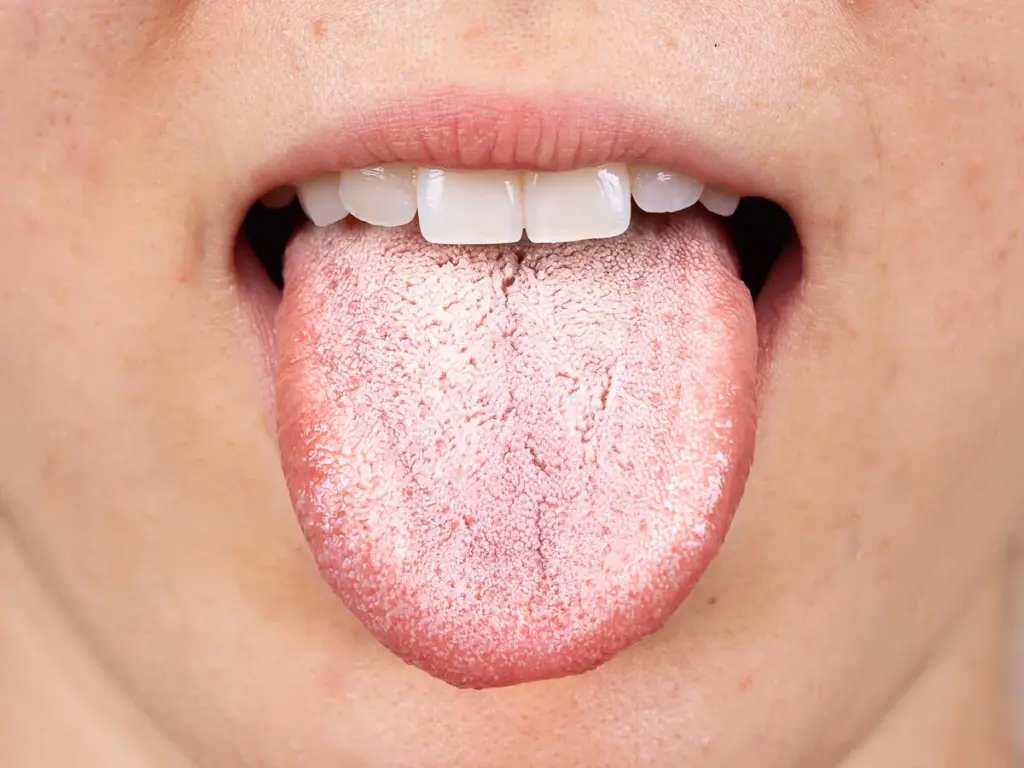
Xerostomia, or dry mouth, is a condition where the amount of saliva secreted by the salivary glands in the mouth decreases or the quality of the secreted saliva changes. Saliva does not just moisten the mouth; it also nourishes tooth enamel with minerals and creates a protective shield over the mouth’s pH balance by neutralizing acids.
When we examine what causes dry mouth, we see that the problem is not merely inadequate water consumption. In a healthy individual, although the saliva flow rate fluctuates throughout the day, it does not drop below a certain level. When this flow decreases, complaints such as a sticky feeling in the mouth, dryness on the tongue, and a burning sensation in the throat begin. If this condition becomes chronic, it paves the way for the disruption of the oral flora and the uncontrolled multiplication of bacteria.
What Causes Dry Mouth?
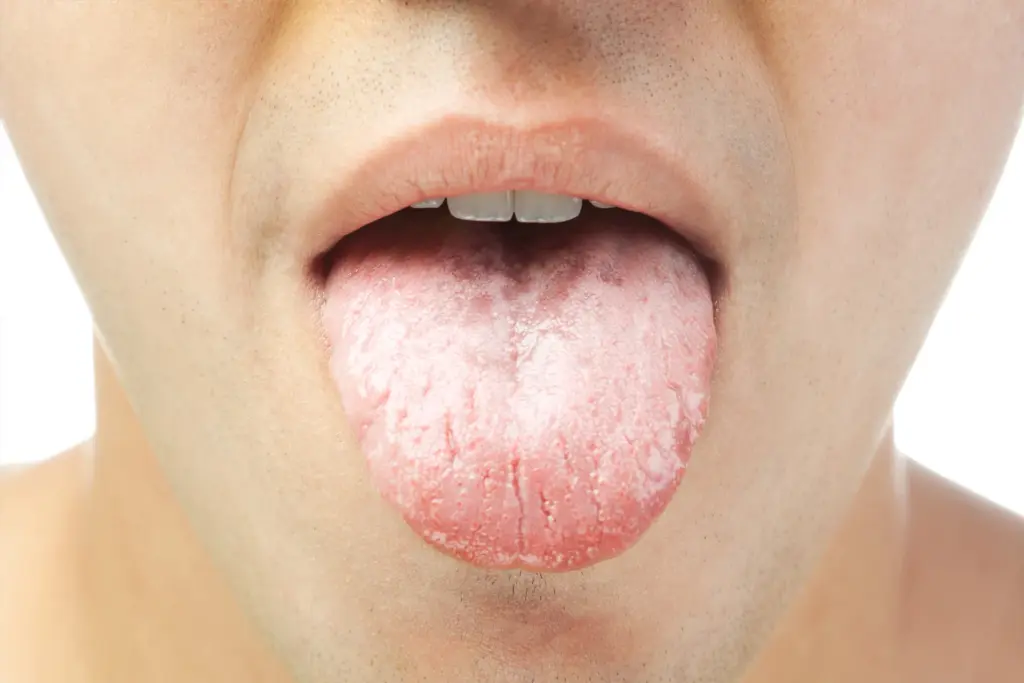
A decrease in saliva production is rarely due to a single reason. It is generally directly related to the body’s overall health status. When seeking an answer to what causes dry mouth in extreme cases, one must look from a broad perspective, ranging from used medications to past illnesses.
Drug Side Effects and Systemic Diseases
One of the most common causes of dry mouth is prescription or over-the-counter medications. Antidepressants, blood pressure medications, antihistamines, and some painkillers can slow down the functioning rate of the salivary glands. Additionally, systemic diseases such as diabetes, Sjögren’s syndrome, Alzheimer’s, and HIV/AIDS can be the answer to why someone experience persistent dry mouth. Especially in diabetic patients, elevated blood sugar can cause the body to lose water, thereby leading to dry mouth.
Lifestyle Factors
Daily habits directly affect oral moisture. The use of cigarettes and tobacco products can dry out the inside of the mouth by disrupting the structure of saliva. Alcohol consumption can increase dry mouth complaints by causing the body to lose water (dehydration). Excessive consumption of very salty, spicy, or caffeinated foods is also among the factors that negatively affect saliva production.
Aging and Hormonal Changes
As we age, the slowing down of body functions can also affect the salivary glands. However, rather than aging itself, the increased use of medication that comes with age is the main trigger for this condition. On the other hand, the question of what causes dry mouth during pregnancy frequently arises. Hormonal changes during the pregnancy process and the body’s increased need for fluids can cause temporary but uncomfortable dry mouth in expectant mothers.
Why Does Dry Mouth Occur at Night?
Many patients do not experience any issues during the day but complain that their mouth is completely dry when they wake up in the morning. The root cause of dry mouth during sleep usually lies in the respiratory tract. Individuals who breathe through their mouth due to nasal congestion, a deviated septum, or sleep apnea find that the airflow rapidly dries out the mucosal layer in the mouth.
Snoring is also frequently seen in those who ask why their mouth is dry in the morning. The habit of mouth breathing eliminates the protective effect of saliva throughout the night. This situation can cause not only dryness but also waking up with severe bad breath in the morning. If you feel a metallic taste and intense dryness in your mouth upon waking, a sleep test or an ENT examination may be necessary.
The Harmful Effects of Dry Mouth on Teeth
Saliva is our mouth’s natural cleanser. It washes away food particles and makes it difficult for bacteria to cling to the tooth surface. When dry mouth begins, this cleaning process is disrupted.
- Risk of Tooth Decay: When saliva decreases, the effect of acidic foods cannot be neutralized. This can lead to rapid erosion of tooth enamel and the progression of cavities much faster than normal.
- Difficulty Swallowing: Saliva ensures that food becomes lubricated. People with dry mouth may experience difficulty swallowing and a decrease in the sense of taste.
- Gum Problems: When gums do not stay moist, they can become irritated and open to infections.
- Bad Breath: The inability to clear out the waste produced by bacteria can cause a heavy odor that affects social life.
What Is Good for Dry Mouth?
If the cause of the dryness is not medication or a chronic disease, relief can be achieved through some lifestyle changes. However, for a definitive solution to what causes dry mouth, a professional diagnosis is absolutely necessary.
In mild cases, the following steps may help:
- Increase Water Consumption: Drinking water frequently and in small sips throughout the day keeps the mouth moist.
- Sugar-Free Gum and Candies: Sugar-free gums containing xylitol can be chewed to stimulate saliva secretion.
- Air Humidifiers: Humidifying the air in the room where you sleep, especially in winter, can reduce nighttime dry mouth.
- Avoid Alcohol and Caffeine: Instead of beverages that dry out the mouth, herbal teas should be preferred.
- Oral Hygiene: Alcohol-free mouthwashes and moisturizing gels can be used.
| Condition | Possible Cause | Featured Symptom |
| Persistent Dryness | Diabetes or Medication Side Effect | Excessive thirst, frequent urination |
| Only Nighttime Dryness | Mouth Breathing / Snoring | Bad breath in the morning |
| Difficulty While Eating | Salivary Gland Issues | Difficulty swallowing, feeling of something stuck in the throat |
| Pregnancy Period | Hormonal Changes | Impairment in the sense of taste |
When Should You See a Dentist?
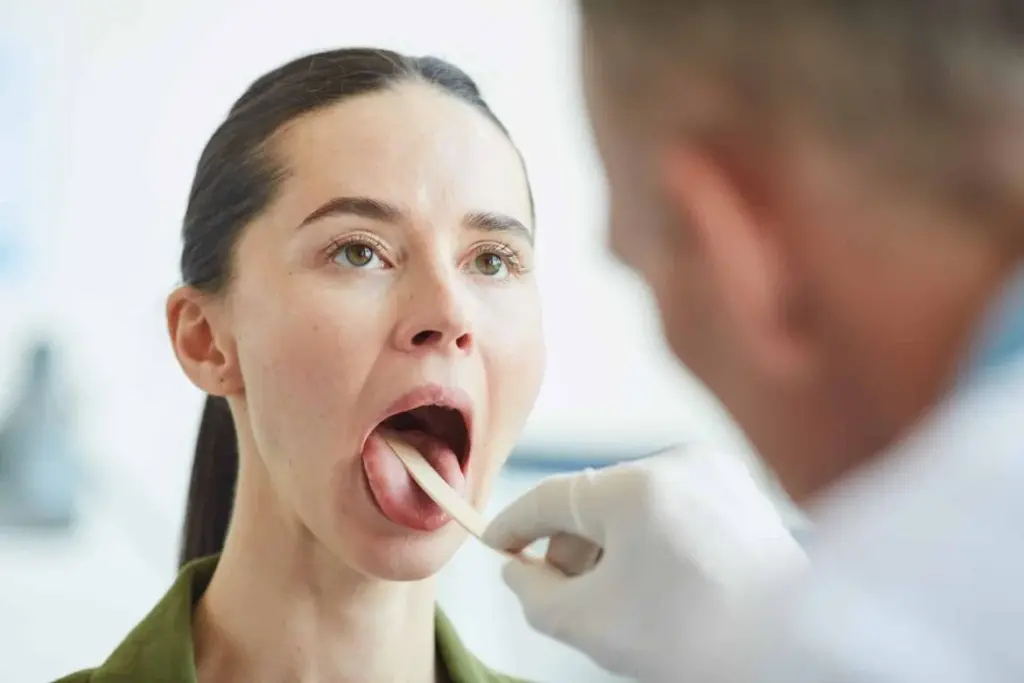
Dry mouth should not be dismissed as a simple feeling of thirst. If you start experiencing bleeding gums, tooth sensitivity, or persistent sores in the mouth along with dry mouth, you should see a specialist without losing time. To diagnose what causes dry mouth, your dentist can measure the amount of saliva and, if deemed necessary, refer you to an internal medicine specialist.
While the risk of tooth decay is reduced with fluoride applications, patients’ comfort can be increased with special treatments that stimulate the salivary glands and artificial saliva gels.
Frequently Asked Questions (FAQ)
Is dry mouth a symptom of diabetes?
Yes, dry mouth is one of the most common early symptoms of diabetes. High blood sugar disrupts the fluid balance in the body and can reduce saliva production.
Why is my mouth dry despite drinking water?
Drinking water only moistens the mouth temporarily. If the problem is due to a structural/chemical cause such as underactive salivary glands or medication use, drinking water will not permanently solve the dryness.
Does toothpaste cause dry mouth?
Some toothpastes and mouthwashes containing “Sodium Lauryl Sulfate” (SLS) or a high alcohol content can dry out sensitive oral tissues.
Does dry mouth cause a burning tongue?
Yes, when the protective and lubricating effect of saliva decreases, the tissues on the tongue can become irritated. Bu durum, özellikle baharatlı ve sıcak gıdalar tüketildiğinde “yanan ağız sendromu” benzeri sorunlara yol açabilir.