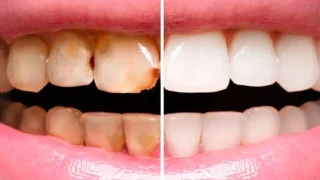
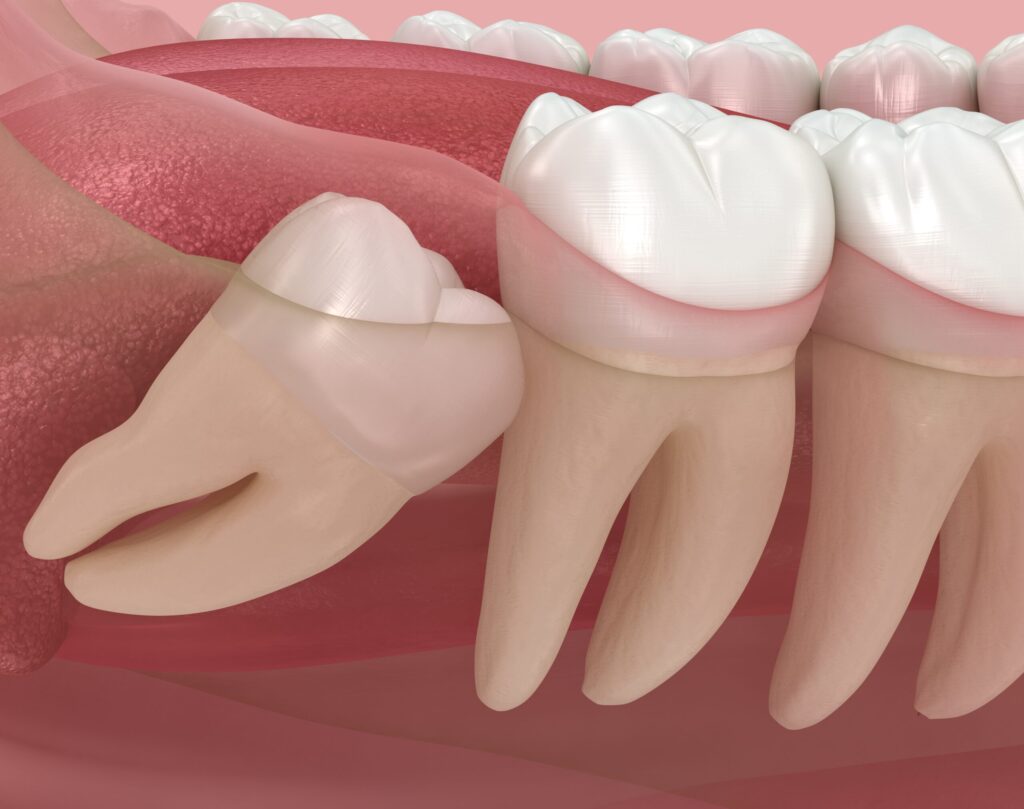
Tooth Extraction is not just the end of a dental problem, but often the beginning of a new phase in oral health planning. At Livera Clinic, one of the most frequently asked questions after this procedure is what can be done to replace the missing tooth. Because a single gap is not only an aesthetic issue but also a functional one that can influence chewing balance and long-term oral stability. When planned correctly, the period after Tooth Extraction can help preserve both function and appearance.
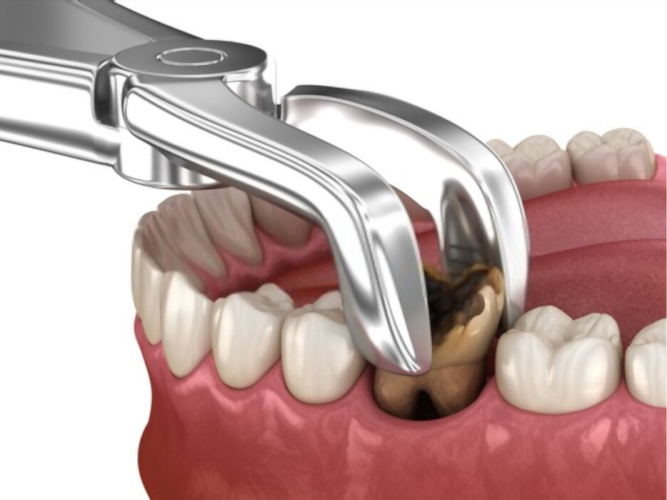
What Changes in the Mouth After Tooth Extraction?
After Tooth Extraction, the empty space does not remain inactive. Adjacent teeth may gradually shift toward the gap, which can affect bite alignment and overall oral harmony. Especially in posterior areas, changes after Tooth Extraction may lead to long-term occlusal imbalances.
Another major change occurs in the jawbone. Once the tooth is removed, the surrounding bone no longer receives stimulation and may begin to lose volume over time. This natural process can influence future restorative options. That is why Tooth Extraction is often considered not just a procedure, but the start of a broader treatment journey.
Dental Implants After Tooth Extraction
Dental implants are one of the most commonly preferred permanent solutions after Tooth Extraction. They involve placing a titanium screw into the jawbone, which acts as an artificial root for a crown.
One of the key advantages of implants is that they do not affect adjacent teeth. Unlike bridges, there is no need to reshape healthy neighboring teeth. For this reason, implants are often considered the most conservative long-term solution after Tooth Extraction.
Comparison of Implants, Bridges, and Dentures
Understanding the available options after Tooth Extraction becomes easier when comparing them side by side. The table below summarizes the three main approaches:
| Method | Advantages | Disadvantages | Suitability |
| Implant | Natural feel, long lifespan | Requires surgical procedure | Adequate bone structure |
| Bridge | Fast solution | Adjacent teeth must be reduced | Single tooth gaps |
| Removable Denture | Affordable | Not fixed | Multiple missing teeth |
Choosing the right option after Tooth Extraction is not just about filling a gap, but about maintaining long-term oral balance. Every patient has different anatomical and functional needs, which makes personalized planning essential.
Bridges After Tooth Extraction
Dental bridges are one of the oldest and most widely used solutions after Tooth Extraction. They work by supporting the artificial tooth with the neighboring teeth on both sides of the gap.
The main advantage of bridges is their relatively fast application. However, a disadvantage is that adjacent healthy teeth need to be reduced to support the structure. Still, for patients seeking quicker results after Tooth Extraction, bridges remain a practical option.
Removable Dentures After Tooth Extraction
Removable dentures are often preferred when multiple teeth are missing after Tooth Extraction. These prosthetics can be taken out and cleaned by the patient, making them a flexible solution.
They are custom-made according to the shape of the jaw and surrounding tissues. However, since they are not fixed, patients may require an adaptation period. In many cases, removable dentures are chosen after Tooth Extraction, especially for patients with extensive tooth loss.
Key advantages include:
- Cost-effectiveness
- Easy cleaning
- Suitable for multiple missing teeth
- No surgical procedure required
Importance of Bone Structure After Tooth Extraction
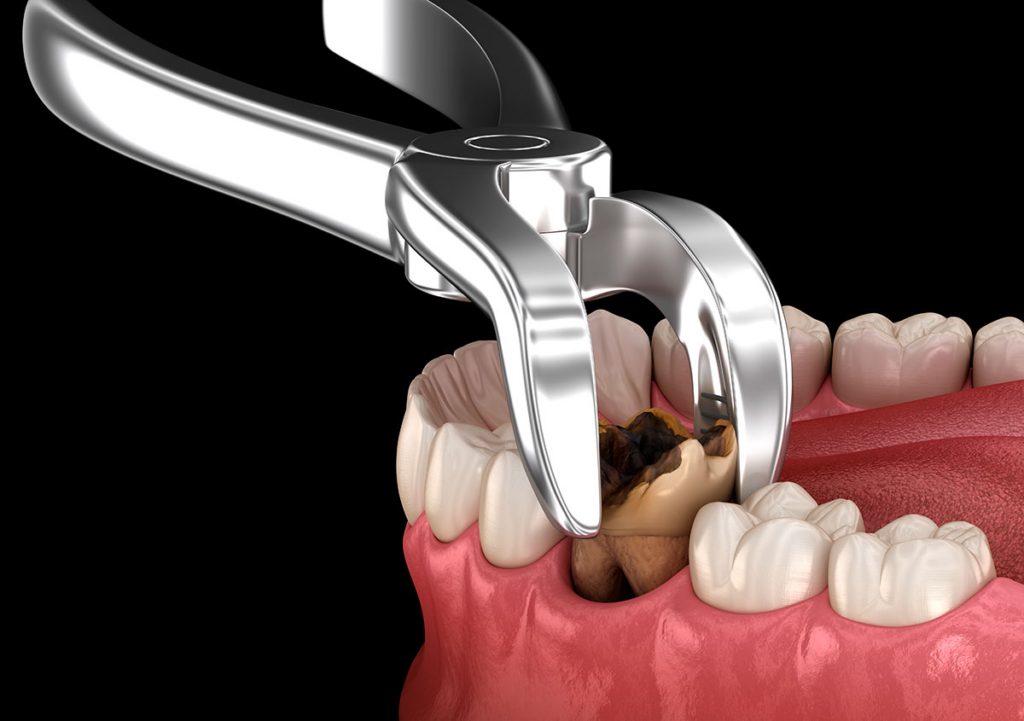
One of the most critical aspects after Tooth Extraction is bone preservation. The jawbone in the extracted area may gradually lose density over time due to lack of stimulation.
This factor is particularly important when planning implant treatment. Without sufficient bone support, additional procedures may be needed in the future. Therefore, the period after Tooth Extraction should focus not only on replacing the tooth but also on maintaining bone health.
Decision-Making Process After Tooth Extraction
Every patient requires a different approach after Tooth Extraction. Factors such as age, bone density, oral hygiene habits, and general health condition all influence the treatment plan.
The decision process typically follows these steps:
- Evaluation of oral and jaw structure
- Bone density assessment
- Understanding patient expectations
- Selection of the most suitable method
Without proper planning after Tooth Extraction, additional interventions may be required later. This is why early evaluation plays a crucial role in long-term success.
Tooth Extraction Is a New Beginning, Not an End
Although Tooth Extraction may initially feel like a loss, it actually provides an opportunity to rebuild oral health when properly planned. With modern solutions such as implants, bridges, and dentures, almost every clinical situation can be restored effectively.
At Livera Clinic, we emphasize that the period after Tooth Extraction is not just a procedure but a comprehensive treatment phase. The real goal is not only to fill the gap but to restore function, aesthetics, and long-term oral stability together.