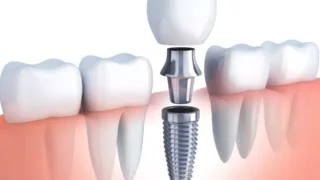
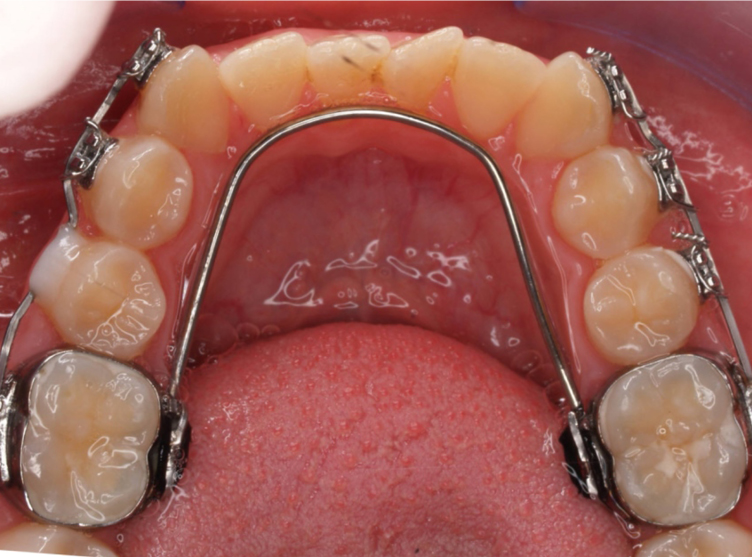
A Teeth Spacer is often mentioned when preparing for orthodontic steps, yet many people are unsure of what this small device actually accomplishes. When thinking about the natural movement of teeth, the behavior of oral tissues and the way the jaw adapts to pressure, understanding how a spacer works becomes both scientific and surprisingly entertaining. This text explains the concept in a clear way while blending in observations drawn from years of clinical research and real world experiences.
In this article, the focus will be on how a Teeth Spacer interacts with the biological environment inside the mouth. Teeth are not rigid pieces fixed in place, but living structures supported by responsive tissues. When a spacer is positioned between them, the surrounding ligaments and bone surfaces begin to interpret this gentle pressure. Scientists often describe this reaction as one of the simplest examples of how dynamic oral tissues truly are.
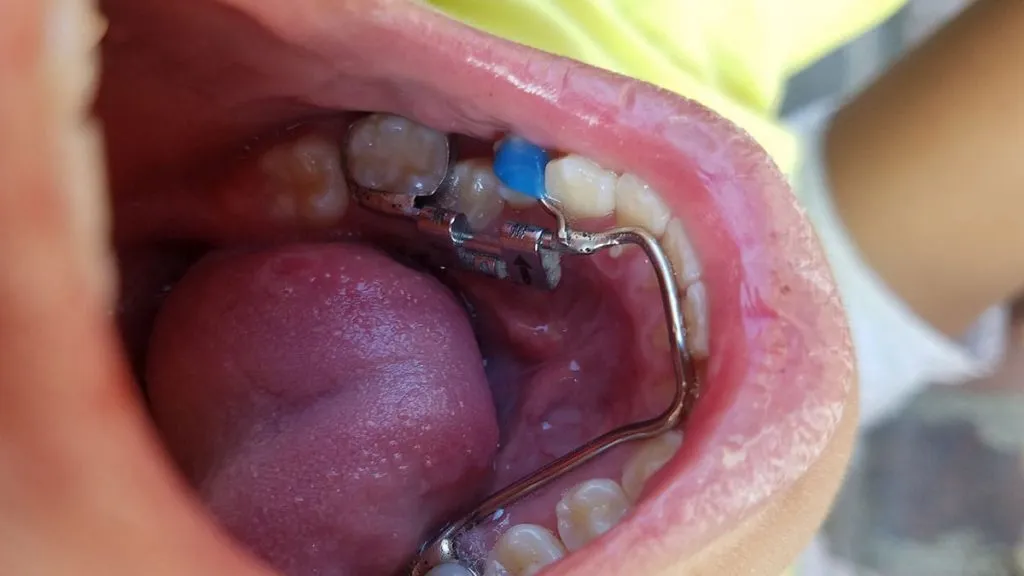
How a Teeth Spacer Creates Space in a Biological System
A Teeth Spacer may appear to be only a tiny object placed between two teeth, yet its influence is much more complex. Teeth respond to changes in pressure because they are supported by the periodontal ligament, a sensitive connective tissue that reacts even to minimal shifts in force. When a spacer is introduced, this ligament enters a short adaptation phase. During this stage, the tissue reorganizes itself and makes room for the new device.
The process is grounded in biomechanics. If teeth are naturally crowded, the addition of a spacer prompts the tissue to adjust its position, allowing a small opening to form. This opening prepares the mouth for an upcoming orthodontic step that requires extra room. Interestingly, people often describe different sensations during this period. Some barely notice the spacer while others feel a mild stretching awareness. This difference is usually related to individual sensitivity levels and the density of the surrounding tissues.
Why a Teeth Spacer Is Often Needed Before Further Adjustments
A Teeth Spacer is usually placed when future orthodontic components need more room to fit correctly. In certain mouths, teeth sit so closely together that placing a band, wire or other device is physically impossible without first creating space. The spacer acts as the preparatory stage, shaping the environment so the next step can be completed smoothly.
This need is not only mechanical but also related to how the oral system naturally behaves. Teeth cannot be shifted into a direction without a defined pathway. By creating a controlled amount of room, the spacer ensures that upcoming movements are predictable and gentle. Some people adapt to this step with little awareness, while others experience slight sensitivity as the tissues respond. This variation highlights how each mouth operates with its own unique biology.
Mechanical Forces Behind a Teeth Spacer Explained Simply
A Teeth Spacer applies a very light and steady amount of pressure to the sides of neighboring teeth. Even though this force is small, it is enough to trigger the natural remodeling ability of the periodontal ligament. The ligament contains cells that sense pressure and begin to reorganize. The surface layer of the jawbone also participates in this response. Although these changes occur at a microscopic level, the result is noticeable once the spacer is removed.
The space created allows the next orthodontic step to be positioned correctly. This controlled opening is important because many devices require a minimal amount of room to function safely and comfortably. Researchers have noted that the presence of a spacer also triggers a short period of increased oral awareness. Since the mouth is rich with sensory receptors, any new shape introduced into this environment is quickly noticed by the nervous system.
Observable Reactions While a Teeth Spacer Is in Place
When a Teeth Spacer is first positioned, people often describe a mild feeling of fullness between the teeth. This is expected because the mouth is highly responsive to small structural changes. Some studies suggest that this heightened sensitivity is one of the reasons teeth are capable of moving with such precision during orthodontic treatment.
As the hours pass, the tissues gradually adjust. Most people find that their chewing and speaking patterns return to normal once the body becomes familiar with the spacer. A small portion of individuals may remain aware of it due to sensory responses in the tissues, but this awareness usually decreases as adaptation progresses. These experiences simply reflect how finely tuned the oral system is to even the smallest changes.
The Temporary Nature of Space Created by a Teeth Spacer
The opening created by a Teeth Spacer is temporary by nature. Teeth always seek balance within the mouth and tend to drift back into unused space if nothing occupies it. This is why a follow up step usually takes place soon after the spacer completes its purpose. If it is removed and no new component is placed, the teeth may begin moving back toward each other.
This behavior reflects the natural design of the oral system. Teeth are constantly influenced by chewing forces, tongue pressure and soft tissue interactions. The body continually aims to distribute these forces evenly. Because of this, any unused gap tends to narrow on its own. Understanding this pattern helps explain why spacers are part of a carefully timed process rather than a long term solution.
Different Types of Teeth Spacer Devices
A Teeth Spacer is not a one-size-fits-all solution. Orthodontists often choose from several designs depending on the patient’s age, oral anatomy, and the specific movement required. Common types include metal springs, elastic separators, and small rubber bands designed for precision placement.
Metal spring spacers provide controlled pressure and are ideal for slightly crowded teeth that need gradual movement. Elastic separators, on the other hand, are flexible and often easier for younger patients to tolerate. Each type works by applying gentle force between teeth, stimulating the ligament and bone to respond. By understanding the differences between these devices, patients gain insight into how even small variations can influence comfort and efficiency during orthodontic preparation.
How a Teeth Spacer Interacts with Oral Biology
The action of a Teeth Spacer is more than mechanical. When a spacer is placed, the periodontal ligament detects the slight separation force. This biological system responds by remodeling surrounding tissue, allowing the teeth to shift naturally. The jawbone itself is dynamic and responds to pressure through cellular adjustments that create subtle changes over time.
Scientific studies have shown that controlled pressure like that of a spacer leads to predictable tooth movement. This biological responsiveness ensures that the gap created is both effective and safe. Moreover, the tissues’ natural elasticity provides a cushion against excessive force, explaining why patients often experience only mild discomfort during the adjustment period.
How Long a Teeth Spacer Typically Stays in Place
The duration a Teeth Spacer remains in the mouth depends on the individual case. For most patients, spacers stay in place for about one to two weeks. This timeframe is sufficient to allow minor tooth movement and ligament adaptation without causing excessive irritation.
During this period, daily activities such as chewing, speaking, and oral hygiene continue with minor adjustments. Some patients notice slight pressure or sensitivity, particularly in the first few days. This is entirely normal and indicates that the spacer is effectively stimulating tissue adaptation. Dental professionals often recommend monitoring the area to ensure comfort and optimal progress.
Comfort Tips for Wearing a Teeth Spacer
While spacers are designed to be minimally intrusive, certain strategies can enhance comfort. Soft foods, careful chewing, and warm saltwater rinses are often recommended to reduce minor discomfort. Over-the-counter pain relief can be used if needed, but most patients tolerate the spacer well once tissues adjust.
Additionally, regular oral hygiene is crucial. A Teeth Spacer can trap food particles between teeth, increasing the risk of irritation or plaque buildup. Using floss threaders or interdental brushes helps maintain cleanliness and prevents inflammation. This approach ensures that the preparation phase is effective while minimizing discomfort and maintaining oral health.
The Role of Teeth Spacer in Overall Orthodontic Strategy
A Teeth Spacer is often the first step in a carefully orchestrated orthodontic plan. By creating room between teeth, it sets the stage for bands, brackets, or aligners that follow. Without this preparatory space, subsequent orthodontic devices may not fit correctly, potentially leading to delays or additional adjustments.
Orthodontists consider spacers as a tactical tool to ensure efficiency and predictability. The small opening allows the treatment team to execute precise movements without forcing teeth, which reduces stress on both tissues and appliances. Understanding this role emphasizes that a spacer is far from a minor accessory it is a critical component of the treatment journey.
How Individual Variations Affect Spacer Effectiveness
Each patient’s response to a Teeth Spacer can differ based on oral anatomy, tissue density, and tooth alignment. Some people experience rapid adaptation, while others may notice slower movement or temporary sensitivity. These variations highlight the importance of personalized planning in orthodontic care.
Dental professionals often evaluate these differences during initial consultations. Factors such as gum thickness, tooth size, and jaw alignment influence spacer selection and duration. This tailored approach ensures that the spacer not only creates the necessary gap but also maintains comfort and safety throughout the process.
Common Misconceptions About Teeth Spacer Use
Many people imagine that spacers will be uncomfortable or immediately obvious when speaking and eating. In reality, most patients adjust quickly, and the device is often barely noticeable. Another misconception is that spacers permanently widen teeth. The gap is temporary and designed to facilitate the next step, after which teeth are guided back to their intended positions within the orthodontic plan.
Understanding these misconceptions can reduce anxiety and improve patient cooperation. When patients know what to expect, including minor pressure or temporary sensitivity, the spacer phase becomes easier to navigate and more effective in preparing for future orthodontic treatment.
Potential Side Effects and How They Are Managed
While generally safe, a Teeth Spacer can occasionally cause minor side effects. These may include temporary discomfort, mild gum irritation, or small gaps that feel awkward. Monitoring these symptoms is important. If issues persist, orthodontists can adjust the spacer or switch to an alternative type to ensure continued progress without unnecessary discomfort.
Most side effects resolve quickly as the tissues adapt. Regular checkups and clear instructions for oral care further minimize potential problems. Awareness and proactive management allow patients to complete the spacer phase successfully and prepare for the subsequent stages of orthodontic treatment.
Monitoring Progress During the Teeth Spacer Phase
A Teeth Spacer requires careful monitoring to ensure the desired gaps are forming properly. Orthodontists often schedule follow-ups within one week of placement to check spacing and assess patient comfort. Any adjustments can be made quickly, preventing complications and optimizing treatment timelines.
Patients are encouraged to observe changes at home. Minor shifts in tooth positioning or slight pressure sensations indicate that the spacer is functioning as intended. By tracking progress, patients gain a better understanding of the treatment’s mechanics and feel more involved in their orthodontic journey.
How Nutrition Impacts Spacer Comfort
Diet plays a subtle but important role when wearing a Teeth Spacer. Soft foods such as yogurt, mashed vegetables, and pasta reduce pressure on teeth and minimize discomfort during chewing. Avoiding hard, sticky, or overly crunchy foods helps prevent displacement or irritation.
Hydration also supports oral health during this phase. Moist tissues are less prone to soreness and inflammation, which can make spacer adjustments smoother. Overall, mindful eating and hydration contribute to a comfortable experience and facilitate efficient tooth movement.
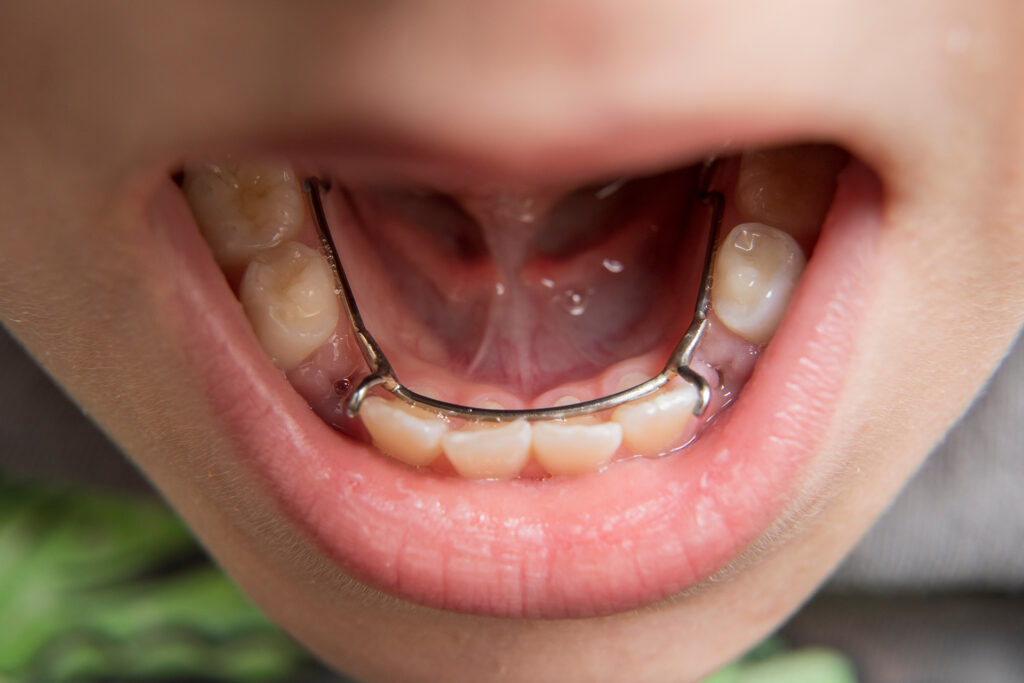
Daily Care Routine With a Teeth Spacer
Maintaining oral hygiene is crucial when a Teeth Spacer is in place. Brushing gently around the device and using floss threaders or interdental brushes prevents food buildup and reduces the risk of gum irritation. Rinsing with water after meals can also help keep the space clean.
Additionally, avoiding habits like chewing pens or biting hard objects preserves the integrity of the spacer. A consistent care routine ensures the treatment progresses smoothly and helps patients feel confident that their oral health is protected throughout this phase.
Psychological Comfort and Spacer Adaptation
Adapting to a Teeth Spacer can involve subtle psychological adjustments. Some patients initially experience minor anxiety about speaking, eating, or the appearance of the device. Understanding that these sensations are temporary and normal helps reduce stress.
Positive reinforcement, clear instructions from the orthodontist, and reassurance from caregivers or family members can make the process more manageable. Patients who are mentally prepared often report less discomfort and a smoother transition to subsequent orthodontic steps.
Long-Term Benefits of Using a Teeth Spacer
Though the placement of a Teeth Spacer is temporary, the long-term benefits are significant. Proper spacing ensures that bands, braces, or aligners fit accurately, reducing treatment delays and improving final alignment results.
Patients often notice that subsequent procedures feel easier and more predictable after the spacer phase. The initial minor inconvenience translates into smoother orthodontic progress, fewer adjustments, and a more comfortable overall treatment experience.
When to Contact Your Orthodontist
It is important to know when a Teeth Spacer may require professional attention. Persistent pain, excessive swelling, or the spacer shifting out of position should prompt a visit. Early intervention ensures safety and keeps the treatment plan on track.
Regular check-ins also allow the orthodontist to answer questions, adjust timing if needed, and provide reassurance about normal sensations. This proactive communication minimizes surprises and maximizes the benefits of the spacer.
Understanding the Value of a Teeth Spacer
A Teeth Spacer is a small but powerful tool in modern orthodontics. From its role in creating precise gaps to its influence on comfort, oral biology, and treatment efficiency, the spacer sets the foundation for successful teeth alignment.
By following care instructions, monitoring progress, and maintaining open communication with the orthodontist, patients can navigate this phase confidently. The temporary adaptation period ensures that the teeth are ready for braces or aligners, ultimately leading to a healthier, more harmonious smile. Understanding and appreciating the purpose of a Teeth Spacer helps patients approach their orthodontic journey with knowledge, confidence, and comfort.