
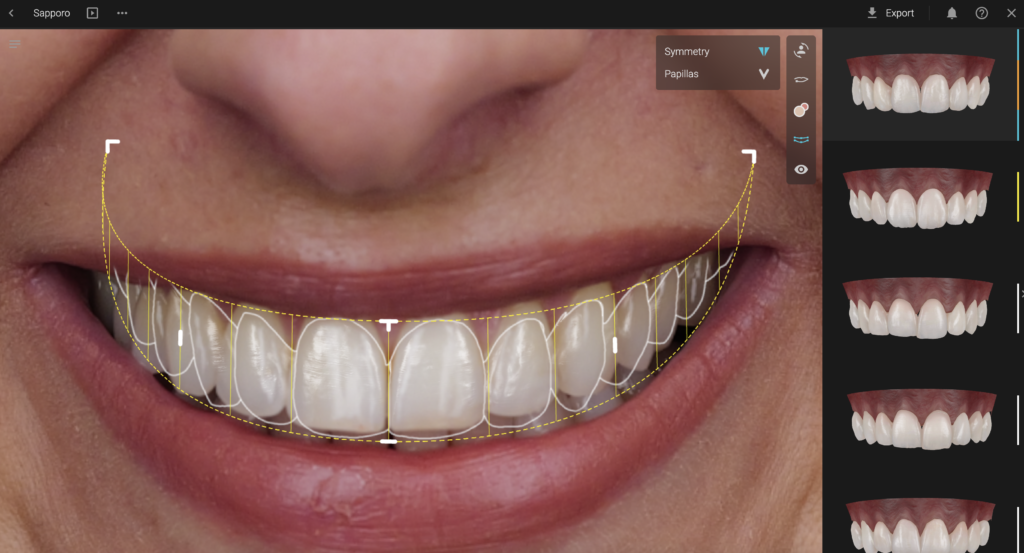
At Livera Clinic, aesthetic dentistry is approached as both a science and an art. In recent years, Smile Design has become one of the most discussed and researched concepts in modern dental aesthetics. A well planned Smile Design is not only about teeth that look white or straight, but about facial harmony, proportion, symmetry, and personal expression.
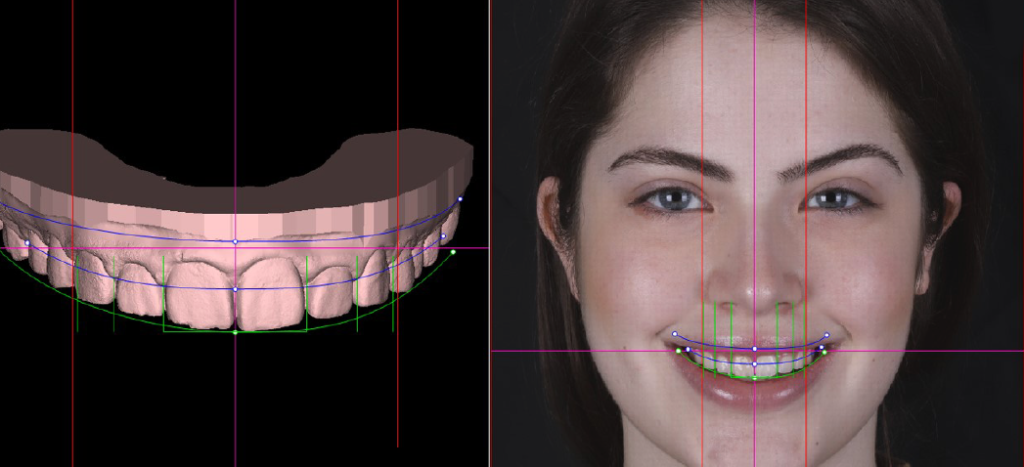
What Is Smile Design and Why It Matters in Modern Dentistry
Smile Design refers to a multidisciplinary planning process where dental aesthetics are evaluated together with facial features, lip movement, gum visibility, and individual personality traits. In academic literature, Smile Design is often described as a visual and functional simulation rather than a single treatment.
From a sociological perspective, research suggests that smiles play a major role in first impressions, social trust, and perceived confidence. This explains why Smile Design has gained popularity not only among celebrities, but also among professionals, speakers, and people active on digital platforms.
Another important aspect of Smile Design is customization. Two patients may receive similar procedures, yet their Smile Design outcomes differ significantly due to facial geometry, age related changes, and aesthetic expectations. This individuality is one of the reasons Smile Design continues to evolve as a research driven discipline rather than a fixed formula.
Digital Smile Design as the Foundation of Smile Design Planning
Digital Smile Design is widely considered the backbone of contemporary Smile Design workflows. It allows clinicians and patients to visualize potential outcomes using facial photographs, videos, and dental scans.
From an analytical standpoint, Digital Smile Design combines elements of dental morphology, facial analysis, and visual perception studies. Ratios such as tooth width to height, smile arc curvature, and midline alignment are evaluated digitally before any procedure is considered.
Beyond visualization, Digital Smile Design also plays a communicative role. It bridges the gap between patient expectations and clinical feasibility. Studies in patient satisfaction indicate that when Smile Design simulations are used early in planning, perceived transparency and trust tend to increase.
Importantly, Digital Smile Design is not a treatment itself. It is a strategic framework that informs decisions about veneers, whitening, orthodontics, or other aesthetic interventions used within a broader Smile Design concept.
Porcelain Veneers Within Advanced Smile Design Concepts
Porcelain veneers remain one of the most recognized tools in Smile Design. These thin ceramic restorations are often associated with dramatic visual changes, yet their role in Smile Design is more nuanced than commonly believed.
From a materials science perspective, modern veneers are engineered to mimic enamel translucency and light reflection. This optical behavior is critical in Smile Design, as overly opaque surfaces can disrupt natural aesthetics.
In Smile Design planning, veneers are typically evaluated in relation to facial symmetry, lip support, and smile dynamics rather than tooth color alone. Research comparing pre planned Smile Design cases with conventional veneer applications suggests that integrated planning leads to more harmonious results.
It is also worth noting that veneers are not always used on every tooth. In many Smile Design cases, selective placement achieves balance while preserving natural structures. This selective approach reflects a growing trend toward conservative aesthetic dentistry.
Teeth Whitening and Its Role in Smile Design Harmony
Teeth whitening is often perceived as a standalone cosmetic procedure, yet within Smile Design, it plays a strategic supporting role. Color analysis is one of the first steps in Smile Design assessments.
From a visual psychology angle, brightness influences how shapes and proportions are perceived. In Smile Design, whitening can enhance contrast between teeth and lips, contributing to a more vibrant appearance without altering tooth anatomy.
Data from aesthetic dentistry surveys indicate that whitening is frequently combined with other Smile Design elements rather than performed in isolation. This layered approach allows for subtle refinements before more structural procedures are considered.
Within Smile Design philosophy, whitening is also reversible and adjustable. This flexibility makes it a valuable diagnostic and aesthetic tool during the early stages of planning, especially for patients exploring Smile Design options.
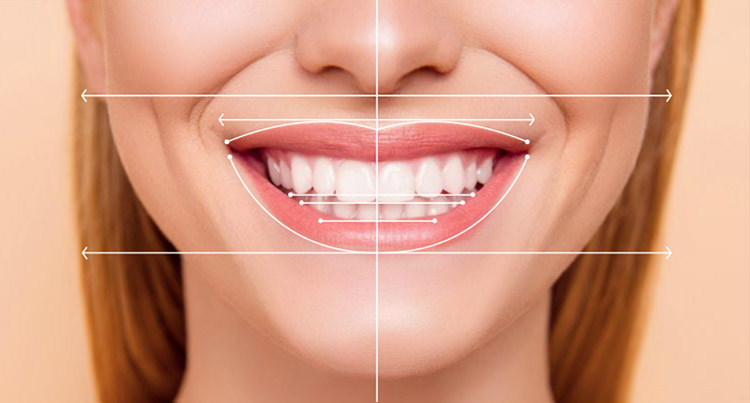
Orthodontic Alignment as a Structural Smile Design Tool
Orthodontic treatments have gained renewed relevance in Smile Design due to advances in clear aligner technology. Alignment is no longer viewed solely as a functional correction but as a foundational Smile Design strategy.
From a biomechanical perspective, tooth positioning affects light reflection, symmetry, and gingival display. These parameters are central to comprehensive Smile Design analysis. Even minor rotations can influence the overall visual outcome.
Clinical observations suggest that orthodontic alignment often reduces the need for restorative procedures later in the Smile Design process. This aligns with current trends favoring minimally invasive solutions.
In modern Smile Design, orthodontics is frequently integrated with digital simulations. This integration allows for predictive modeling and staged planning, reinforcing the analytical nature of contemporary Smile Design practices.
Gum Contouring and Proportion in Smile Design Aesthetics
Gum contouring, sometimes referred to as gingival reshaping, addresses the soft tissue component of Smile Design. While teeth often receive the most attention, gum symmetry and proportion are equally influential.
From an anatomical standpoint, gum levels frame the teeth much like a picture frame shapes a painting. In Smile Design, uneven gingival margins can disrupt visual balance even when teeth are ideally shaped.
Analytical studies in aesthetic perception show that observers subconsciously register gum asymmetries. This is why gum contouring is often included in advanced Smile Design plans, particularly in cases with high smile lines.
Within Smile Design, gum contouring is approached conservatively. The emphasis is on proportional harmony rather than dramatic alteration, reflecting the broader shift toward natural looking outcomes in aesthetic dentistry.
How Smile Design Combines Science, Art, and Personal Identity
What distinguishes Smile Design from traditional cosmetic dentistry is its interdisciplinary nature. It merges dental science, facial aesthetics, material engineering, and even elements of behavioral psychology.
Research driven Smile Design frameworks emphasize data analysis, yet artistic judgment remains essential. No algorithm alone can fully capture individuality, which is why human interpretation continues to play a vital role in Smile Design decisions.
Another defining feature of Smile Design is adaptability. As facial features change over time, aesthetic preferences evolve, and new technologies emerge, Smile Design remains a flexible concept rather than a static protocol.
At Livera Clinic, Smile Design is viewed as an ongoing dialogue between analysis and creativity. This balanced approach reflects how modern aesthetic dentistry is moving beyond trends toward thoughtful, personalized design.
The Future Direction of Smile Design in Aesthetic Dentistry
The popularity of Smile Design is not driven by fashion alone. It reflects a broader cultural shift toward personalization, transparency, and evidence based aesthetics. As digital tools improve and interdisciplinary research expands, Smile Design will likely become even more refined.
Rather than focusing on a single procedure, successful Smile Design outcomes depend on how multiple elements interact. This holistic perspective is what continues to set Smile Design apart as a defining concept in aesthetic dentistry.
For readers exploring this topic, understanding the principles behind Smile Design offers valuable insight into how modern smiles are conceptualized, analyzed, and refined in a scientific yet artistic framework.