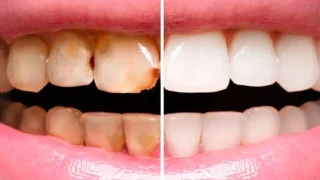
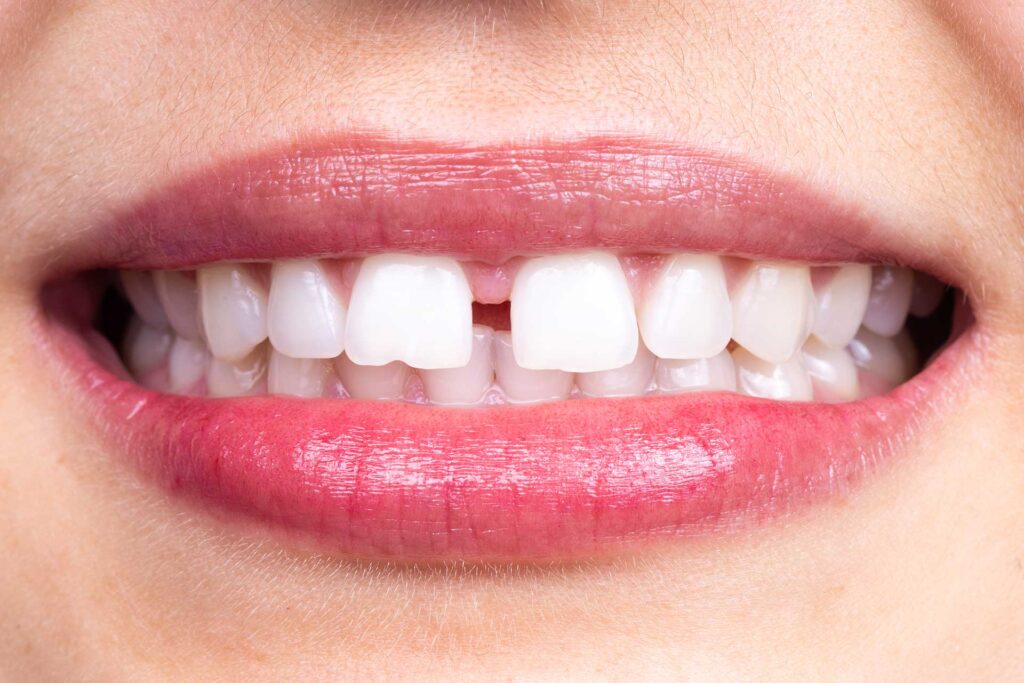
Teeth play a central role in both aesthetics and oral health. When small or large gaps appear between them, many people feel self-conscious about their smile. These gaps, also called diastemas, can arise due to genetics, habits like thumb-sucking, or uneven tooth size. Understanding the most effective ways to address these gaps ensures not only a more confident smile but also healthier teeth overall.
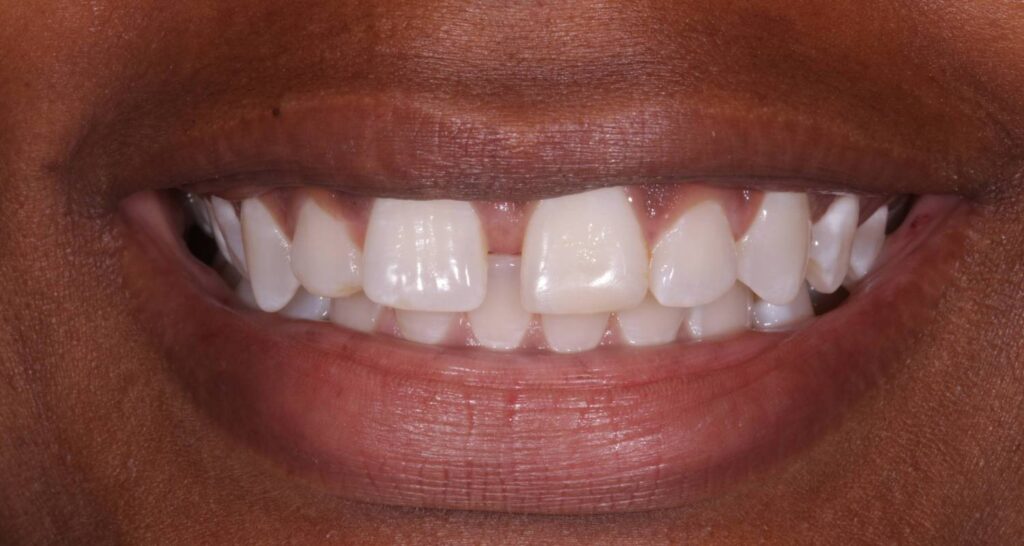
Orthodontic Solutions for Closing Teeth Gaps
One of the most widely recommended approaches for fixing gaps between teeth is orthodontics. Traditional braces or clear aligners apply consistent pressure to gradually move teeth into their correct positions. This method not only addresses aesthetic concerns but also improves bite function.
Orthodontic treatment can take anywhere from a few months to a couple of years, depending on the size of the gaps and the complexity of alignment issues. Modern clear aligners offer a nearly invisible solution, which has made them increasingly popular among adults. Research shows that properly aligned teeth contribute to better oral hygiene, as crowded or gapped teeth are harder to clean effectively.
Dental Bonding as a Quick Fix for Teeth Gaps
Dental bonding involves applying a tooth-colored resin to fill gaps and improve the appearance of teeth. This procedure is minimally invasive, often completed in a single visit, and allows dentists to reshape teeth seamlessly.
Studies indicate that dental bonding is highly effective for minor to moderate gaps. While it doesn’t address the underlying skeletal alignment, it provides a fast and aesthetically pleasing solution. Bonded teeth require proper care to prevent staining, and the resin typically lasts 5–10 years with good oral hygiene.
Veneers for Aesthetic Teeth Alignment
Porcelain veneers are thin shells that cover the front surface of teeth, effectively closing gaps and correcting minor imperfections. This solution is particularly suited for patients seeking a uniform, bright smile without extensive orthodontic work.
Veneers offer both cosmetic and protective benefits. High-quality porcelain mimics the natural translucency of teeth, ensuring a realistic look. Research highlights that well-crafted veneers not only enhance visual appeal but can also strengthen fragile teeth by providing an added layer of protection against wear and tear.
Comparing Teeth Gap Solutions: Efficiency and Longevity
| Solution | Timeframe | Longevity | Aesthetic Result | Maintenance |
| Orthodontics | Months–Years | Long-term | Natural | Regular dental visits |
| Dental Bonding | 1 visit | 5–10 years | Very good | Avoid staining foods |
| Veneers | 1–2 visits | 10–15 years | Excellent | Routine hygiene & check-ups |
This table highlights that each method offers distinct advantages. Orthodontics addresses root alignment and long-term oral health. Bonding is rapid and minimally invasive, while veneers combine aesthetic perfection with moderate durability.

Natural Teeth Gaps: Are They Always a Problem?
Not all gaps between teeth require correction. In fact, a small diastema, particularly between upper front teeth, is often a benign feature that doesn’t affect function or health. Some cultures even consider it a beauty mark. Research suggests that unless the gap causes speech difficulties, misalignment, or food trapping, intervention may be unnecessary.
However, gaps can influence bite and long-term wear patterns. Dental professionals often assess the positioning of teeth and jaw structure before recommending treatment to ensure solutions are both functional and aesthetic.
Factors Influencing the Choice of Teeth Gap Solution
Selecting the right solution for teeth gaps depends on multiple factors:
- Size of the gap: Larger gaps often require orthodontics, while smaller gaps can be addressed with bonding or veneers.
- Patient age: Younger patients may benefit more from braces, while adults may prefer veneers or bonding for quick results.
- Dental health: Underlying issues like gum disease or enamel erosion influence treatment choice.
- Aesthetic goals: The desired appearance of teeth and smile symmetry guides whether subtle or dramatic solutions are ideal.
Understanding these factors ensures that the chosen method not only improves appearance but also supports long-term oral health.
Combining Solutions for Optimal Teeth Appearance
In some cases, dentists recommend combining treatments. For example, orthodontics may first align teeth, followed by bonding or veneers to perfect gaps and shape. Such hybrid approaches offer both functional and aesthetic benefits, ensuring teeth are not only aligned but also visually harmonious.
Combining solutions can also reduce treatment time. While orthodontics corrects bite and spacing issues gradually, immediate cosmetic enhancements can be achieved with veneers or bonding, delivering a satisfying result throughout the process.
Gaps between teeth are a common concern with multiple effective solutions. Orthodontics, dental bonding, and veneers each offer unique benefits and should be chosen based on the gap size, patient preferences, and long-term oral health goals. Whether addressing minor spacing or significant alignment challenges, understanding these options empowers individuals to make informed decisions about their teeth.
By selecting the right method, patients can achieve a confident smile, improved function, and long-lasting results that combine science with aesthetics.