At Livera Clinic, one of the most frequently asked questions we encounter is about tooth contouring, also known as dental reshaping or enameloplasty. This cosmetic dental procedure is designed to improve the appearance of teeth by subtly adjusting their shape, length, or surface. Tooth contouring is not just about aesthetics; it can also support oral health by removing minor imperfections that could cause uneven wear or stress on adjacent teeth. For anyone considering a more harmonious smile, understanding what tooth contouring involves, who benefits most from it, and what the process entails is essential.
Understanding Tooth Contouring: Definition and Key Concepts
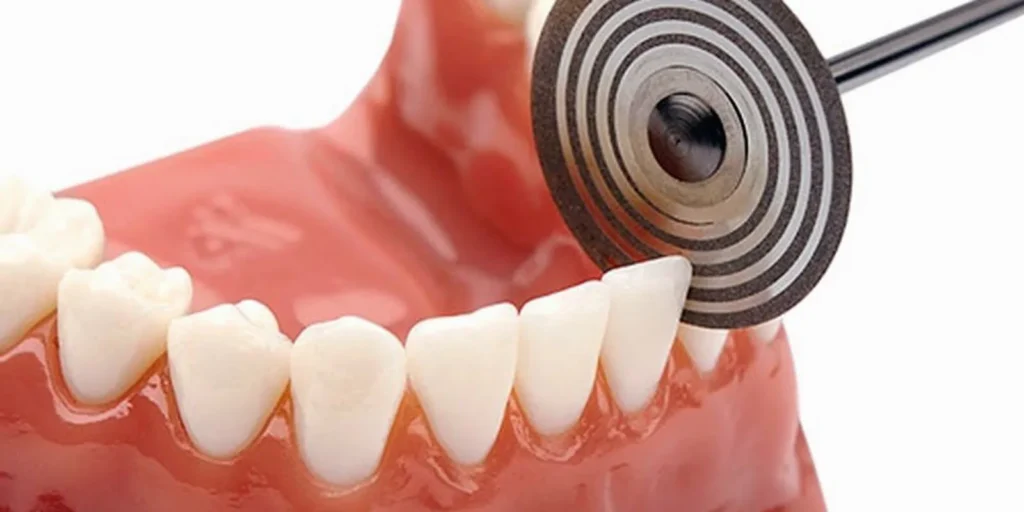
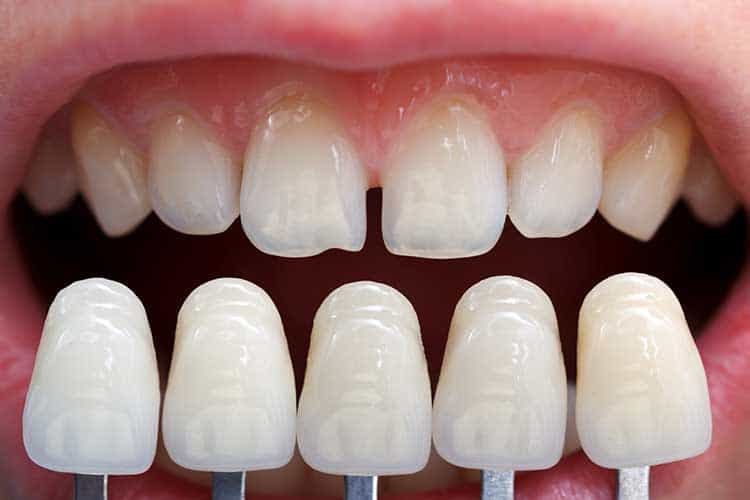
Tooth contouring involves carefully reshaping teeth using specialized dental tools. The process typically focuses on slight adjustments, such as smoothing rough edges, correcting minor overlaps, or shortening slightly elongated teeth. While it is often categorized as a cosmetic procedure, tooth contouring also contributes to better oral mechanics by creating a balanced bite and reducing areas where plaque can accumulate.
In clinical terms, tooth contouring is achieved through minimal removal of enamel, the tooth’s protective outer layer. Enamel is surprisingly resilient, but because it does not regenerate, dentists must exercise extreme precision. Studies published in the Journal of Cosmetic Dentistry suggest that most patients tolerate minor enamel adjustments well, and results are long-lasting when combined with proper dental hygiene practices.
Who is an Ideal Candidate for Tooth Contouring?
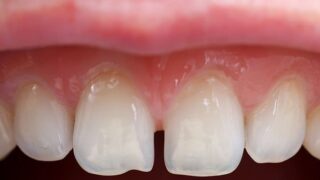
Not every dental patient requires tooth contouring, but certain individuals can benefit significantly. Those with minor dental imperfections such as uneven tooth edges, small chips, or slight misalignment often see dramatic improvements after the procedure. Tooth contouring is also suitable for people who experience discomfort from sharp tooth edges or areas where teeth slightly overlap.
Candidates must have healthy teeth and gums, free from extensive decay or periodontal disease. Dentists often perform a thorough evaluation, sometimes including X-rays, to ensure the procedure is safe and appropriate. For example, patients with excessive enamel wear or significant crowding may require alternative treatments such as veneers or orthodontics.
The Procedure Step by Step: How Tooth Contouring Works
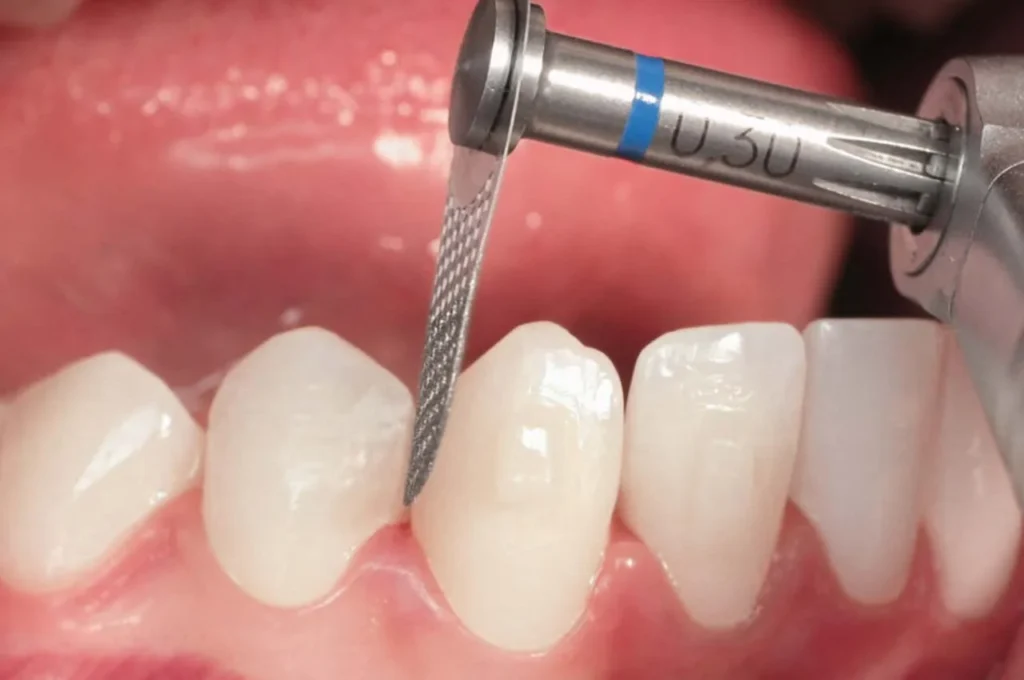
The tooth contouring process is generally quick, often completed in a single dental visit. After a comprehensive assessment, the dentist will mark the areas to be reshaped. Using fine instruments, they remove tiny amounts of enamel to achieve the desired shape. Polishing follows, enhancing smoothness and ensuring the tooth surface reflects light naturally.
A key advantage of tooth contouring is its minimally invasive nature. Unlike crowns or veneers, no anesthesia is typically required, and patients can resume normal activities immediately. Clinical reports indicate that patients often notice improved self-confidence and aesthetic satisfaction within days of treatment.
Benefits of Tooth Contouring Beyond Aesthetics
While many seek tooth contouring for cosmetic reasons, there are several functional advantages:
- Improved Bite Alignment: Slight reshaping can reduce bite stress and prevent uneven wear.
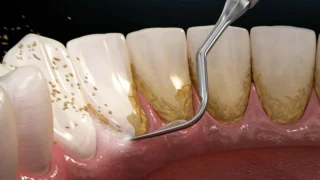
- Enhanced Oral Hygiene: Smoother tooth surfaces are easier to clean, reducing plaque buildup.
- Minimized Tooth Sensitivity: Correcting sharp edges or minor chips can prevent irritation to soft tissues.
Research published in the International Journal of Dental Science highlights that patients undergoing enameloplasty reported significant improvements in both visual appeal and oral comfort. These dual benefits make tooth contouring a versatile option for those seeking subtle but effective dental enhancement.
Comparing Tooth Contouring with Other Cosmetic Dental Procedures
When discussing tooth contouring, it is crucial to understand how it differs from related treatments:
- Veneers: Cover the tooth surface entirely, providing dramatic transformation but requiring more invasive preparation.
- Bonding: Uses composite resin to reshape or repair teeth, ideal for larger imperfections.
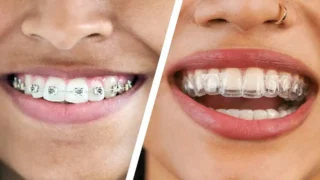
- Orthodontics: Corrects alignment issues over months or years; sometimes combined with tooth contouring for finishing touches.
Unlike these procedures, tooth contouring offers a rapid, cost-effective solution for minor imperfections, making it an appealing first option for patients seeking quick results.
Risks and Considerations in Tooth Contouring
While tooth contouring is generally safe, patients should be aware of potential risks. Overzealous enamel removal can lead to sensitivity, making teeth more prone to discomfort from hot or cold foods. Dentists at Livera Clinic emphasize precision and conservative approaches, ensuring that minimal enamel is removed while achieving optimal results.
Another consideration involves pre-existing dental conditions. Patients with weakened enamel, cavities, or gum disease may need treatment prior to tooth contouring. A thorough dental evaluation, sometimes including digital imaging, ensures safety and reduces the likelihood of complications. By addressing these factors, tooth contouring can remain a low-risk, highly effective cosmetic option.
Aftercare and Maintenance for Tooth Contouring
Post-procedure care for tooth contouring is simple but important. Patients are advised to maintain regular dental hygiene routines, including brushing twice daily with a soft-bristled toothbrush and flossing once daily. Avoiding extremely hard foods in the days following the procedure can prevent accidental chipping.
Polishing during the procedure helps maintain a smooth enamel surface, reducing plaque buildup and discoloration. Routine dental check-ups every six months allow the dentist to monitor the reshaped teeth and make any minor adjustments if needed. When combined with proper oral hygiene, tooth contouring can offer long-lasting aesthetic and functional benefits.
Longevity and Frequency of Tooth Contouring
One of the advantages of tooth contouring is its durability. Because only small amounts of enamel are removed, the reshaping typically lasts many years without requiring repeat procedures. However, natural wear and tear, as well as lifestyle factors like teeth grinding or acidic diets, can influence the long-term results.
Some patients may combine tooth contouring with whitening treatments or other cosmetic procedures for enhanced results. Unlike more invasive options, repeat contouring sessions are infrequent and usually limited to minor touch-ups, preserving tooth integrity while maintaining the desired smile aesthetics.
Scientific Insights and Research on Tooth Contouring
Research consistently supports the efficacy of tooth contouring as both a cosmetic and functional dental procedure. Studies indicate that reshaping minor imperfections not only improves smile aesthetics but also contributes to better bite alignment and reduced enamel wear. Clinical trials reported in the Journal of Esthetic Dentistry show high patient satisfaction rates, with over 85% of participants noting immediate improvement in appearance and oral comfort.
Moreover, comparative analyses between contouring and other cosmetic procedures, such as veneers or bonding, highlight its minimally invasive nature and cost-effectiveness. While veneers offer dramatic transformations, tooth contouring provides subtle, precise enhancements with lower risk and faster recovery.
Psychological and Social Impact of Tooth Contouring
A visually appealing smile can profoundly impact self-esteem and social interactions. Individuals with minor imperfections may feel self-conscious about smiling or speaking in public. By subtly reshaping teeth, tooth contouring can improve confidence and enhance overall well-being.
At Livera Clinic, many patients report feeling more comfortable in social settings and professional environments after tooth contouring. The procedure’s immediate visual impact reinforces positive self-perception, demonstrating that even minor dental adjustments can have meaningful psychological benefits.
Is Tooth Contouring Right for You?
Tooth contouring is a minimally invasive, safe, and effective procedure for those seeking to improve the appearance and function of their teeth. Ideal candidates have minor imperfections, healthy enamel, and realistic expectations. The procedure offers aesthetic, functional, and psychological benefits, with long-lasting results when proper oral hygiene is maintained.
Before undergoing tooth contouring, a professional consultation at Livera Clinic ensures a personalized treatment plan. By carefully considering risks, post-care, and individual dental conditions, patients can enjoy a refined, harmonious smile without extensive intervention.
Comparison of Cosmetic Dental Procedures
| Procedure | Invasiveness | Longevity | Cost | Recovery Time |
| Tooth Contouring | Minimal | Several years | Low | Immediate |
| Veneers | High | 10-15 years | High | Several days |
| Bonding | Moderate | 5-10 years | Moderate | 1-2 days |
| Orthodontics | High | Long-term | High | Months/Years |