When faced with severe tooth decay or trauma, patients often wonder whether Root Canal Treatment or Tooth Extraction is the better option. This decision is not merely clinical; it intertwines with long-term oral health, function, and aesthetics. Choosing between saving a natural tooth and removing it involves weighing benefits, risks, and potential outcomes while understanding the nuances of modern dental procedures.
Understanding the Basics of Root Canal Treatment
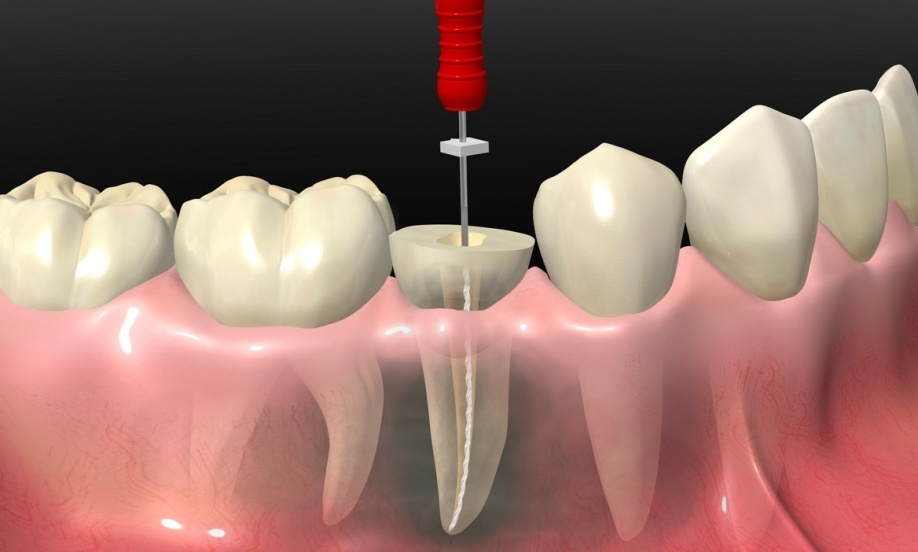
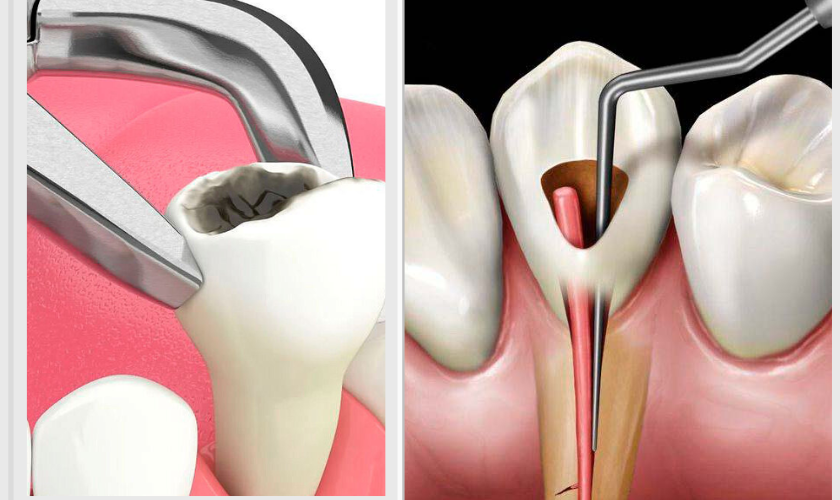
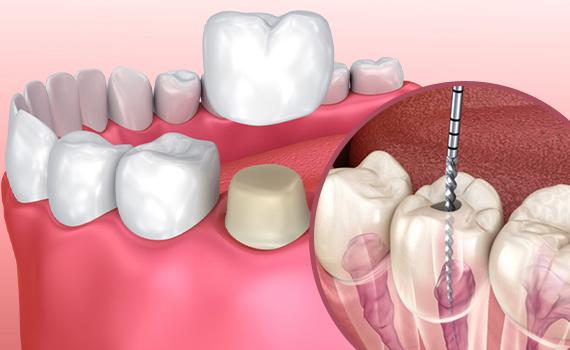
Root Canal Treatment or Tooth Extraction discussions frequently start with a clear understanding of what each procedure entails. Root canal therapy focuses on preserving the natural tooth by removing infected or inflamed pulp, disinfecting the canals, and sealing them with biocompatible materials.
The procedure is often misunderstood as painful or complex, yet modern techniques, including rotary instruments, magnification, and advanced irrigation, have made it highly predictable. Patients retain their natural chewing function, maintain jawbone structure, and avoid the aesthetic and functional challenges associated with missing teeth.
In contrast, tooth extraction removes the entire tooth structure. While extraction resolves infection or pain, it introduces considerations such as bone resorption, adjacent tooth movement, and the need for prosthetic replacements like implants or bridges.
Indications for Choosing Root Canal Treatment
Choosing Root Canal Treatment or Tooth Extraction often depends on the condition of the tooth and surrounding tissues. Root canal therapy is ideal when the tooth is structurally sound or can be restored with a crown after treatment. Key indicators include deep decay that has reached the pulp, traumatic injury to the tooth, or persistent infection that does not respond to antibiotics.
Preserving the natural tooth maintains proprioception the sensory feedback that guides bite force and prevents complications associated with tooth loss. Additionally, modern studies suggest that teeth treated endodontically can function for decades when properly restored and monitored.
When Tooth Extraction Becomes Necessary
Despite the advantages of preservation, there are scenarios where Root Canal Treatment or Tooth Extraction may lean toward extraction. Severely fractured teeth, extensive decay compromising structural integrity, or failed previous endodontic treatments may make tooth removal the most viable solution.
Extraction may also be preferred when periodontal disease has caused significant bone loss, or when patient-specific factors such as systemic health, immune response, or inability to maintain oral hygiene increase the risk of failure. Understanding these clinical indicators helps patients make informed decisions rather than relying solely on anecdotal advice.
Comparing Recovery and Post-Procedure Considerations
Recovery timelines differ notably between Root Canal Treatment or Tooth Extraction. Root canal therapy generally involves minimal post-procedural discomfort, with most patients resuming normal function within a few days. Temporary sensitivity or mild swelling may occur, but pain management is straightforward.
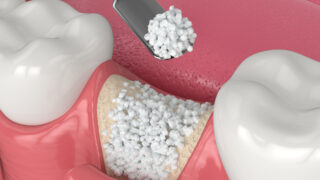
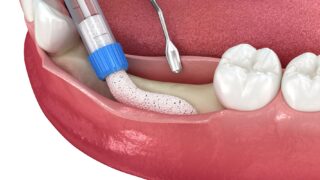
Extraction recovery may require longer healing time, especially for impacted or surgical extractions. Bone and gum tissue remodeling follow tooth removal, which can complicate future restorative options. Patients may need additional procedures such as bone grafts or implants to restore function and aesthetics.
Long-Term Outcomes of Root Canal Treatment
When evaluating Root Canal Treatment or Tooth Extraction, one of the key considerations is longevity. Studies indicate that properly performed root canal therapy, followed by suitable restoration, can maintain tooth function for decades. Natural teeth preserve jawbone integrity, help maintain proper bite alignment, and prevent shifting of adjacent teeth.
In contrast, extracted teeth, if not replaced promptly, can lead to bone resorption, changes in facial structure, and bite complications. Long-term outcomes often favor preservation through endodontic treatment when the tooth can be adequately restored, highlighting the functional and structural benefits of choosing root canal therapy over extraction.
Cost Considerations and Value Analysis
Cost plays a significant role in Root Canal Treatment or Tooth Extraction decisions. Root canal therapy may seem more expensive upfront due to specialized procedures and restoration, but it often avoids the cumulative costs associated with tooth replacement, including implants, bridges, or dentures.
Extraction may appear more affordable initially but may require additional interventions to maintain oral function and aesthetics. Patients who understand the economic implications often find that investing in root canal treatment can offer long-term savings while preserving natural dentition.
Technological Advances Enhancing Root Canal Treatment
Modern dentistry has revolutionized Root Canal Treatment or Tooth Extraction outcomes through technological innovations. Digital imaging, cone-beam CT scans, and microscope-assisted endodontics enhance precision in canal cleaning and shaping. Ultrasonic instruments and biocompatible sealers improve disinfection and sealing efficacy.
These advancements increase the success rates of root canal therapy and reduce the need for extraction. Patients benefit from minimally invasive procedures, shorter treatment times, and higher predictability, making tooth preservation a more viable and effective option.
Patient Experience and Comfort
Root Canal Treatment or Tooth Extraction also differs in terms of patient experience. Root canal therapy typically involves one to two visits, minimal post-procedure discomfort, and rapid recovery. Modern anesthesia and sedation techniques ensure patient comfort throughout the process.
Extractions, especially surgical ones, can involve more postoperative pain, swelling, and dietary restrictions. Healing periods vary depending on complexity, with potential follow-up procedures for restoration. Understanding these differences helps patients manage expectations and make informed choices.
Decision-Making Strategies for Patients
Patients faced with Root Canal Treatment or Tooth Extraction should consider multiple factors: tooth condition, structural integrity, infection severity, systemic health, and personal preferences. Consulting with an experienced endodontist provides a thorough assessment, including imaging, structural analysis, and risk evaluation.
Decision-making strategies include weighing long-term function against immediate cost, evaluating recovery timelines, and understanding the risks of reinfection or failure. Patients who are well-informed are better positioned to choose the treatment that aligns with both clinical needs and lifestyle considerations.
Integrating Multidisciplinary Dental Care
Complex cases often benefit from a collaborative approach when deciding Root Canal Treatment or Tooth Extraction. Endodontists, restorative dentists, and sometimes oral surgeons contribute their expertise to optimize outcomes. Multidisciplinary evaluation ensures that teeth with challenging anatomy or prior failed treatments receive the best chance of preservation.
This integration of skills allows for precise retreatment, tailored restoration planning, and, if necessary, surgical solutions that minimize complications. Patients gain from a holistic perspective, where every aspect of treatment is coordinated for both function and aesthetics.
Preventive Measures to Maximize Root Canal Success
Choosing Root Canal Treatment or Tooth Extraction can hinge on preventive care. Proper oral hygiene, timely dental check-ups, and managing risk factors like bruxism or gum disease help preserve natural teeth after root canal therapy.
Patients are encouraged to follow maintenance plans, including regular cleanings and monitoring for subtle changes such as sensitivity or swelling. These measures reduce the risk of reinfection and can prevent the need for extraction, demonstrating the value of proactive care.
Potential Complications of Tooth Extraction
Tooth extraction, while sometimes unavoidable, carries potential complications. Immediate issues can include excessive bleeding, pain, and swelling. Long-term effects may involve bone resorption, shifting of adjacent teeth, and compromised chewing function.
In some cases, extraction sites may require grafting or implant placement to restore aesthetics and function. Comparing these potential complications with the relatively predictable outcomes of Root Canal Treatment or Tooth Extraction highlights the benefits of attempting tooth preservation first.
Psychological and Behavioral Considerations
Dental procedures influence patient psychology. When evaluating Root Canal Treatment or Tooth Extraction, fear of pain, prior negative experiences, or anxiety can shape decisions. Root canal therapy, when explained clearly and performed with modern anesthesia, can reduce stress and encourage treatment acceptance.
Behavioral strategies, including patient education and pre-procedure counseling, improve compliance and reduce avoidance behaviors. Understanding the psychological component ensures patients feel informed and comfortable, ultimately supporting better oral health outcomes.
When Extraction Becomes Necessary
Although preservation is ideal, Root Canal Treatment or Tooth Extraction decisions sometimes favor extraction. Indications include severe tooth decay, non-restorable fractures, failed prior root canal treatment with persistent infection, or compromised bone support.
Even in these cases, planning for replacement with implants or bridges can restore function and aesthetics. Extraction decisions should be guided by clinical evaluation, patient preferences, and long-term prognosis, balancing immediate relief with long-term oral health.
Future Directions in Endodontics and Tooth Preservation
Advances in dental technology continue to shift the balance toward Root Canal Treatment or Tooth Extraction favoring preservation. Innovations such as AI-guided imaging, laser-assisted disinfection, and bioactive filling materials improve accuracy, reduce infection, and extend tooth longevity.
These developments make root canal therapy increasingly reliable, reducing the need for extraction and supporting patients in maintaining natural dentition. Awareness of these technologies empowers patients to make informed choices grounded in modern endodontic practice.
Making an Informed Choice
Deciding between Root Canal Treatment or Tooth Extraction requires careful evaluation of tooth condition, patient health, financial considerations, and personal preferences. Root canal therapy preserves natural structure, maintains function, and minimizes long-term complications, while extraction may be necessary in severe cases.
By understanding the technical, psychological, and long-term implications of both options, patients can make informed decisions. Consultation with dental professionals ensures that each choice aligns with individual needs, clinical evidence, and overall oral health goals.