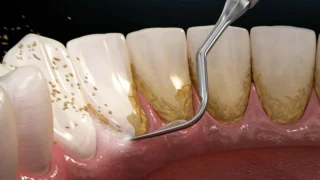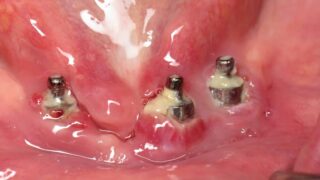
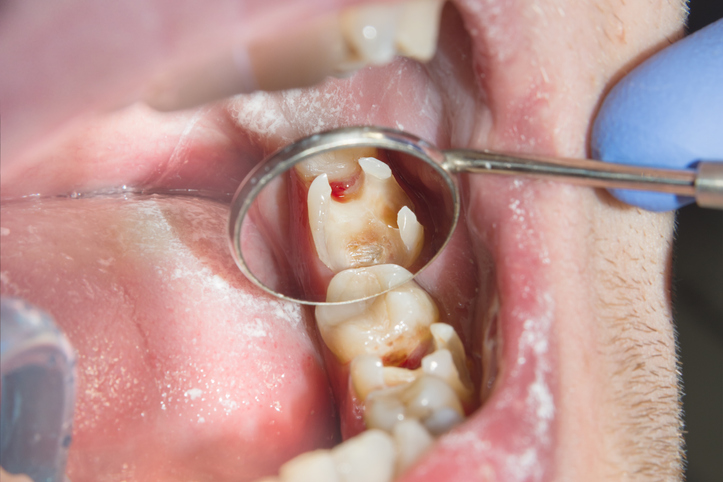
If you experience a sudden twinge in your teeth when drinking cold water or eating hot soup, this is often referred to as Tooth Sensitivity. Sensitive teeth can develop due to various factors, ranging from diet and oral hygiene habits to genetic predisposition. This comprehensive guide, prepared on behalf of Livera Clinic, explores the causes, triggers, and ways to better understand this common condition. Throughout the article, the terms Tooth Sensitivity and Tooth Sensitivity are carefully used to maintain the specified keyword density.
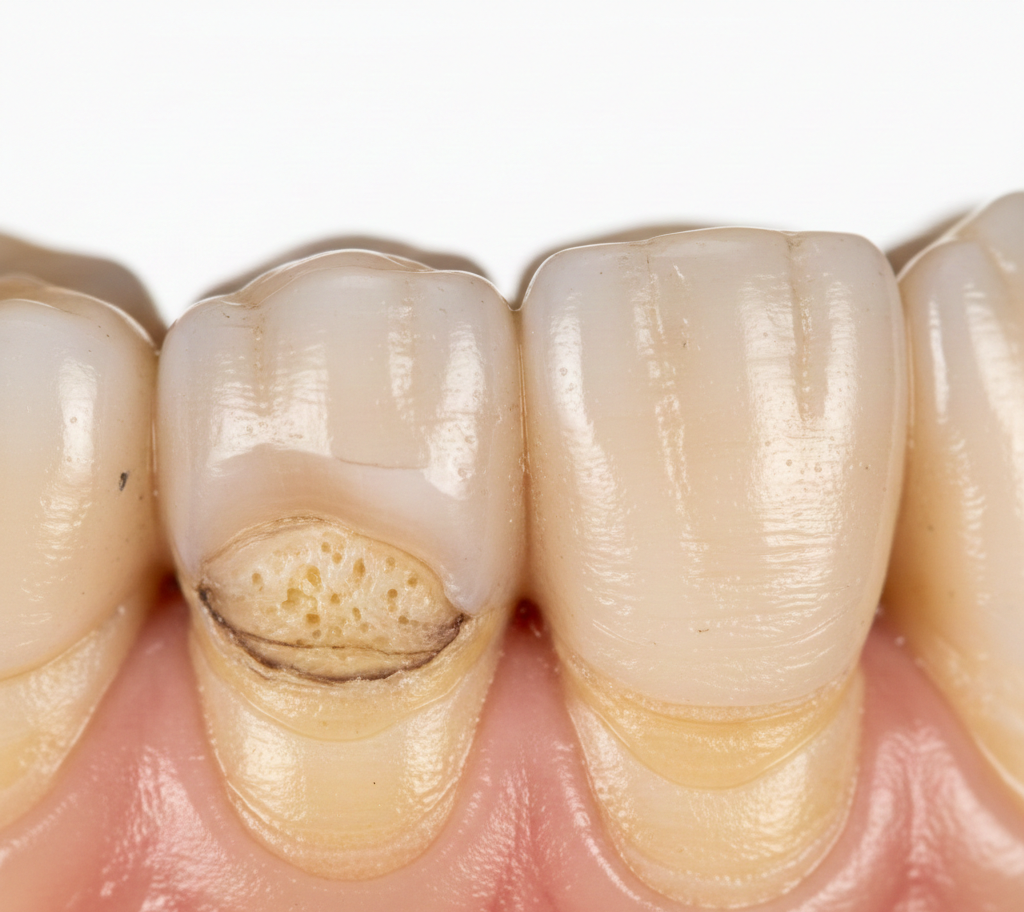
What Is Tooth Sensitivity and How Does It Occur?
Tooth Sensitivity occurs when the enamel wears down or the dentin layer becomes exposed, leading to heightened reactions to external stimuli. These triggers can include hot, cold, sweet, sour, or tactile sensations. Scientific research shows that the sensitivity is caused by fluid movement within microscopic channels called dentin tubules. This fluid movement stimulates nerve endings, resulting in discomfort or sharp twinges. This mechanism explains why some people can drink ice-cold beverages without issue, while others feel pronounced pain.
Sensitivity can also affect social life. Ordering a cold dessert at a restaurant or drinking coffee with friends may suddenly become uncomfortable due to tooth pain. Therefore, sensitivity is not only a physical issue but also something that impacts daily comfort and habits.
Symptoms of Tooth Sensitivity
Symptoms of Tooth Sensitivity vary from person to person but typically appear as brief, sudden twinges. These twinges usually start with a specific trigger and subside quickly once the stimulus is removed. For instance, very cold drinks, extremely hot foods, or sugary treats may trigger this sensation. Some studies suggest that sensitivity levels may even be influenced by psychological factors, meaning people experience different thresholds of discomfort.
Symptoms may sometimes involve a single tooth experiencing short-lived pain. Unlike cavities, which cause prolonged discomfort, sensitivity is generally limited to short reactions to hot or cold stimuli. Recognizing these symptoms is crucial to understanding and managing the condition effectively.
Causes of Tooth Sensitivity
Tooth Sensitivity can result from multiple factors affecting the structures inside the mouth. One of the most common causes is enamel erosion. Acidic drinks, aggressive brushing, or plaque buildup can weaken enamel. When enamel thins, the underlying dentin becomes exposed, triggering sensitivity. This process may initially go unnoticed but gradually causes more pronounced discomfort.
Another key factor is gum recession. When gums recede, dentin surfaces are exposed, increasing sensitivity. Research shows that gum recession often increases with age and can accelerate due to improper brushing techniques. Additionally, bruxism (teeth grinding) wears down enamel over time, further increasing sensitivity. Stress-induced bruxism is particularly relevant in these cases.
Risk Factors for Tooth Sensitivity
Tooth Sensitivity does not affect everyone equally. Some individuals are genetically predisposed to sensitive teeth. Other risk factors include:
- Incorrect brushing techniques
- Using a hard-bristled toothbrush
- Frequent consumption of acidic foods and drinks
- Teeth grinding (bruxism)
- Gum recession
- Age-related thinning of enamel
The table below summarizes how these factors impact Tooth Sensitivity:
| Risk Factor | Mechanism | Sensitivity Impact |
| Aggressive brushing | Enamel wear | High |
| Acidic drinks | Softening enamel | Medium-High |
| Teeth grinding | Dentin exposure | High |
| Gum recession | Dentin tubule exposure | Medium |
| Aging | Enamel thinning | Medium |
This table helps readers quickly understand the main contributors to Tooth Sensitivity.
Scientific Approaches to Reduce Tooth Sensitivity
Many clinical and at-home methods aim to reduce sensitivity by protecting dentin and strengthening enamel. Some approaches include:
- Using desensitizing toothpaste: Blocks dentin tubules to prevent stimuli from reaching nerve endings.
- Fluoride treatments: Strengthen enamel and reduce sensitivity risk.
- Maintaining gum health: Prevents dentin exposure.
- Adjusting diet: Limiting acidic and sugary foods can reduce sensitivity.
Studies show that regular application of these methods can significantly improve sensitivity, though individual responses may vary.
Diet and Tooth Sensitivity
Tooth Sensitivity is directly influenced by dietary habits. Common triggers include:
- Acidic beverages: soda, citrus drinks
- Sugary and sticky foods
- Hot or cold foods
- Highly acidic fruits: oranges, grapefruits
Understanding these triggers helps individuals predict when sensitivity may occur. Research indicates that people who frequently consume acidic or sugary foods are at higher risk for developing sensitivity.
Tooth Sensitivity and Quality of Life
Sensitive teeth affect more than just physical comfort—they impact daily life. Avoiding hot or cold foods can limit social activities. Discomfort while speaking or smiling may affect confidence.
Studies indicate that individuals with Tooth Sensitivity may experience:
- Limiting food choices
- Avoiding social eating or drinking events
- Hesitation to smile or laugh
Thus, sensitive teeth influence both oral health and overall life experience.
Recent Research on Tooth Sensitivity
Recent studies reveal that Tooth Sensitivity is widespread, often unnoticed by many. A 2023 study found that around 30-40% of adults experience sensitivity periodically. Research highlights that sensitivity is influenced not only by enamel erosion or gum recession but also by genetic factors, stress levels, and even oral pH.
Another study noted that many people with sensitivity neglect lifestyle factors such as brushing habits and acidic food consumption. These findings emphasize the importance of both personal habits and clinical interventions in managing sensitivity.
When Tooth Sensitivity Becomes Riskier
Sensitivity can become more noticeable and problematic in certain situations:
- Temporary discomfort after professional teeth cleaning
- Post-whitening procedures
- Teeth with cracks or restorations
- Cold and windy environmental conditions
These scenarios show that sensitivity is affected by environmental and procedural factors in addition to individual dental structure. Some people experience more discomfort during seasonal changes or sudden temperature shifts.
Preventive Approaches for Tooth Sensitivity
Preventing sensitivity involves:
- Proper brushing: Use soft-bristled brushes and circular motions.
- Fluoride application: Toothpaste or mouth rinses can help.
- Limiting acidic and sugary foods: Rinse mouth afterward.
- Controlling teeth grinding: Night guards or counseling may help.
Studies indicate that consistent preventive measures significantly reduce sensitivity and improve overall oral health. These strategies provide practical, evidence-based guidance for managing Tooth Sensitivity.
Tooth Sensitivity is a common but often overlooked issue. It can result from enamel erosion, dentin exposure, gum recession, improper brushing, and lifestyle factors. Current research shows sensitivity is multifactorial and cannot be explained by a single cause.
Understanding its effects, identifying triggers, and applying preventive measures are key to protecting teeth and improving quality of life. This Livera Clinic guide aims to raise awareness and provide scientific insight into managing sensitive teeth. Sensitivity can be temporary or chronic, but lifestyle habits and daily care can help manage it effectively.