Maryland Bridge immediately stands out as a topic of interest because it represents a conservative and visually appealing approach to tooth replacement. Often discussed in modern restorative dentistry, the Maryland Bridge has gained attention for balancing aesthetics, preservation, and practicality without relying on invasive techniques. In everyday conversations, people tend to focus less on technical definitions and more on what this option actually means for appearance, comfort, and long term confidence.
At its core, the Maryland Bridge is known for how gently it integrates into an existing smile. Rather than reshaping multiple surrounding teeth, this solution works with minimal alteration, which is why it frequently appears in discussions about modern dental evolution. The growing popularity of the Maryland Bridge reflects a wider cultural shift toward less aggressive and more preservation focused dental concepts.
Maryland Bridge as a Modern Dental Concept
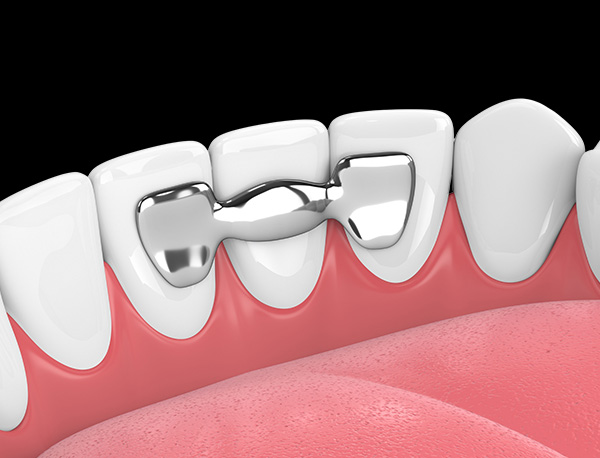
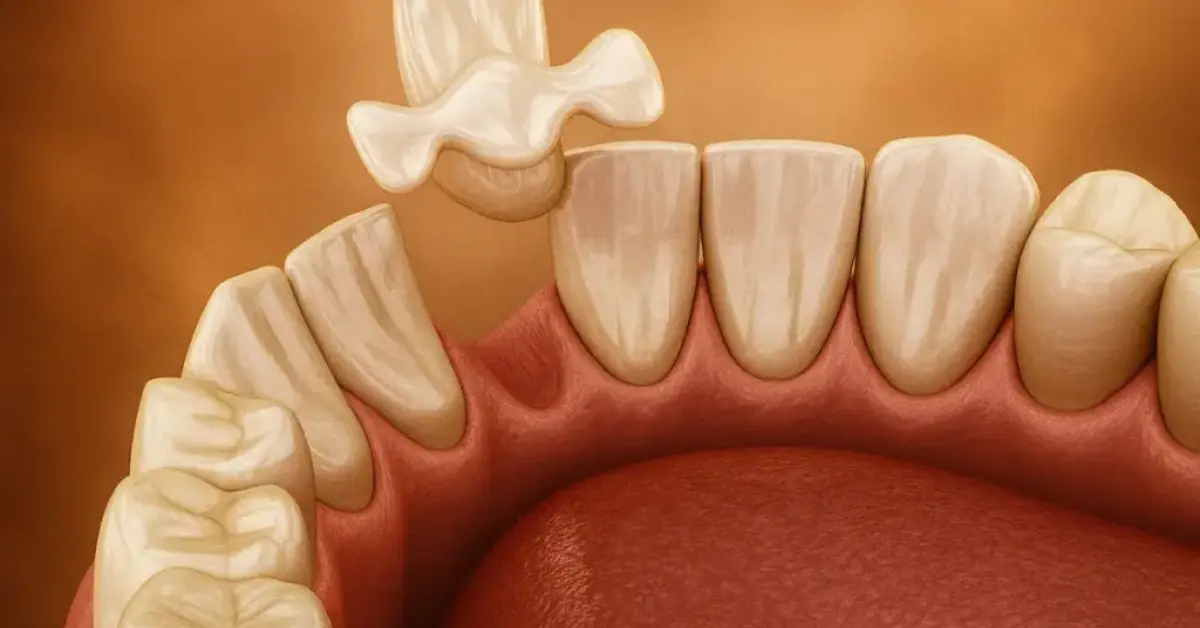
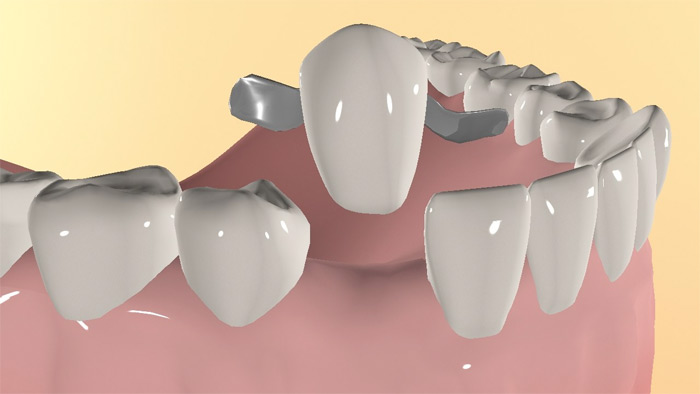
The Maryland Bridge is often described as a minimally invasive dental bridge designed to replace a missing tooth by bonding to adjacent teeth. Instead of using full crowns, it relies on thin wings that attach discreetly to the back of neighboring teeth. This structure allows the Maryland Bridge to maintain a natural appearance while preserving as much original tooth structure as possible.
From a conceptual standpoint, the Maryland Bridge fits neatly into contemporary dental philosophy. Modern approaches increasingly value conservation over replacement. By avoiding extensive reshaping, the Maryland Bridge aligns with this mindset, making it appealing to individuals who prioritize subtlety and balance rather than dramatic change.
Another reason the Maryland Bridge attracts attention is its adaptability. It is often discussed in relation to front teeth, where appearance plays a significant role. Because the materials used can be color matched, the Maryland Bridge tends to blend seamlessly, reinforcing the idea that dental solutions can be both functional and discreet.
Maryland Bridge Design and Structural Logic
Understanding the structure of the Maryland Bridge helps explain why it feels different from traditional bridges. Instead of anchoring through crowns, the design uses a framework that supports a replacement tooth while remaining largely hidden. This approach gives the Maryland Bridge a lighter and less intrusive profile.
The bonding mechanism is central to how the Maryland Bridge functions. By attaching to the enamel surface, it leverages one of the strongest natural dental materials. This design choice supports stability while minimizing alteration. As a result, the Maryland Bridge is often associated with preservation and balance rather than permanence.
From an aesthetic perspective, the Maryland Bridge benefits from advancements in dental materials. Modern ceramics and composites allow the bridge to reflect light in a way that closely mimics natural teeth. This is why conversations around the Maryland Bridge frequently emphasize appearance alongside practicality.
Maryland Bridge Compared to Traditional Bridges
When people compare the Maryland Bridge to conventional dental bridges, the differences become part of the appeal. Traditional bridges typically require shaping neighboring teeth, which can feel irreversible. In contrast, the Maryland Bridge is often viewed as a gentler alternative.
This distinction leads many to frame the Maryland Bridge as a transitional or flexible option. Because it preserves tooth structure, it fits well into long term planning discussions. People exploring dental solutions often see the Maryland Bridge as a way to address current needs without closing future possibilities.
It is also common to hear the Maryland Bridge described as a blend of innovation and restraint. Rather than replacing what already exists, it works alongside it. This philosophy resonates strongly with individuals who value subtle improvements over dramatic interventions.
Maryland Bridge and the Psychology of Choice
Choosing a Maryland Bridge is rarely just about mechanics. Emotional and psychological factors often shape the decision. Many people associate the Maryland Bridge with a sense of control because it does not permanently alter surrounding teeth in the same way other options might.
The idea of reversibility plays an important role here. While no dental solution is truly temporary, the Maryland Bridge is often perceived as less final. This perception can reduce anxiety and make the decision process feel more approachable.
In social and cultural contexts, the Maryland Bridge symbolizes thoughtful decision making. It reflects a preference for balance, aesthetics, and preservation, values that increasingly influence how people approach dental care today.
Maryland Bridge Advantages in Everyday Use
The Maryland Bridge is often discussed positively because of how it fits into everyday life without demanding drastic change. One of the most frequently mentioned advantages of the Maryland Bridge is its conservative nature. Since it typically avoids extensive reshaping of neighboring teeth, it aligns with the idea of preserving what already exists rather than replacing it entirely.
Another advantage of the Maryland Bridge is visual harmony. Because it is commonly used in visible areas of the mouth, aesthetics matter greatly. The materials used in a Maryland Bridge are designed to blend with natural teeth, which helps the smile look uninterrupted. Many people appreciate that the Maryland Bridge does not draw attention to itself, allowing the focus to remain on expression rather than dental work.
Comfort is also part of the conversation. The Maryland Bridge is often described as feeling lighter compared to bulkier alternatives. This can make daily activities such as speaking or smiling feel more natural. Over time, this sense of normalcy becomes one of the quiet strengths associated with the Maryland Bridge.
Maryland Bridge and Preservation Focus
A defining theme around the Maryland Bridge is preservation. Unlike options that rely on extensive structural change, the Maryland Bridge works with the existing dental framework. This makes it appealing to individuals who value minimal intervention and thoughtful planning.
Preservation is not only physical but also psychological. The Maryland Bridge is often perceived as respectful of the original smile. Instead of replacing large sections, it fills a specific gap. This targeted approach reinforces the idea that modern dental solutions can be precise rather than overwhelming.
Because of this preservation focus, the Maryland Bridge is frequently part of broader conversations about sustainable dental choices. People increasingly ask not just what works today, but what keeps options open for the future. In that context, the Maryland Bridge often feels like a balanced answer rather than an extreme one.
Maryland Bridge Limitations to Consider
Despite its appeal, the Maryland Bridge is not without limitations. One commonly discussed point is durability. Because it relies on bonding rather than full coverage, the Maryland Bridge may not handle heavy biting forces as easily as some alternatives. This is why it is often associated with specific areas rather than universal use.
Another limitation of the Maryland Bridge relates to compatibility. The success of bonding depends on factors such as enamel condition and alignment. As a result, discussions around the Maryland Bridge often include careful evaluation rather than assumptions. This reinforces the idea that suitability varies from person to person.
Aesthetic limitations can also arise over time. While the Maryland Bridge blends well initially, changes in surrounding teeth may affect overall harmony. This does not diminish its value, but it highlights the importance of realistic expectations when considering the Maryland Bridge.
Maryland Bridge Versus Other Tooth Replacement Options
When placed alongside alternatives, the Maryland Bridge occupies a unique position. Traditional bridges often emphasize strength, while implants focus on permanence. The Maryland Bridge, by contrast, emphasizes balance and subtlety.
This comparison frequently frames the Maryland Bridge as a middle ground. It offers more stability than removable options while remaining less invasive than permanent solutions. For many people, this middle position feels reassuring rather than limiting.
It is also worth noting that discussions about the Maryland Bridge rarely exist in isolation. People often compare timelines, appearance, and adaptability. In these comparisons, the Maryland Bridge tends to stand out for its conservative philosophy rather than sheer strength.
Maryland Bridge Materials and Innovation
The evolution of materials has significantly shaped how the Maryland Bridge is perceived today. Early versions relied on metal frameworks, which sometimes affected translucency. Modern iterations of the Maryland Bridge increasingly incorporate ceramics and advanced composites that improve visual integration.
This material innovation enhances both appearance and comfort. A well designed Maryland Bridge reflects light more naturally, reducing contrast with surrounding teeth. As a result, conversations about the Maryland Bridge now focus more on refinement than compromise.
Innovation also influences how people think about longevity. While no option is considered permanent in every situation, the modern Maryland Bridge benefits from improved bonding techniques and material science. These developments contribute to its reputation as a thoughtful and evolving solution.
Maryland Bridge in Social and Aesthetic Context
Beyond technical aspects, the Maryland Bridge carries social meaning. Smiles play a central role in communication, and any change to them can feel deeply personal. The Maryland Bridge often appeals to those who want improvement without altering their identity.
In social settings, subtlety matters. The Maryland Bridge is rarely noticeable, which allows interactions to feel natural. This invisibility becomes a form of confidence, where the dental solution supports self expression rather than defining it.
Culturally, the Maryland Bridge reflects a broader shift toward understated enhancement. Instead of dramatic transformations, people increasingly favor options that feel integrated and authentic. In this sense, the Maryland Bridge fits naturally into contemporary aesthetic values.
Maryland Bridge and Long Term Perspectives
Over time, the Maryland Bridge becomes less about the initial decision and more about how it integrates into daily life. Long term perspectives often focus on adaptability rather than permanence. The Maryland Bridge is discussed as a solution that can evolve with changing needs, making it appealing to those who prefer flexibility over finality.
Another long term consideration around the Maryland Bridge is how it fits into broader dental planning. Because it is less invasive, it often leaves room for future alternatives if preferences or circumstances change. This openness is frequently highlighted in discussions where people value having options rather than committing to a single irreversible path.
From a practical viewpoint, the Maryland Bridge tends to be evaluated based on experience rather than promises. Over the years, users often describe it as a quiet companion rather than a constant reminder. This subtle presence contributes to its reputation as a thoughtful and measured choice.
Emotional and Psychological Aspects of the Maryland Bridge
The emotional dimension of the Maryland Bridge is often overlooked, yet it plays a meaningful role in perception. A missing tooth can affect confidence, speech awareness, and social comfort. The Maryland Bridge is frequently associated with restoring a sense of normalcy rather than creating a dramatic change.
Psychologically, the Maryland Bridge appeals to those who value continuity. Instead of redefining a smile, it supports the existing one. This approach can reduce anxiety around visible change and help individuals feel more like themselves during social interactions.
There is also a sense of reassurance tied to subtle solutions. The Maryland Bridge often represents a calm response to a noticeable gap, offering balance instead of intensity. This emotional ease can be just as important as physical considerations.
Maryland Bridge and Lifestyle Compatibility
Lifestyle factors often shape how the Maryland Bridge is perceived. People with active social or professional lives tend to prioritize solutions that do not demand constant attention. In this context, the Maryland Bridge is frequently described as low profile and unobtrusive.
Daily routines such as speaking, smiling, and casual dining are commonly mentioned in relation to the Maryland Bridge. Because it is designed to blend in, it often fades into the background of everyday habits. This seamless integration supports a sense of comfort and consistency.
Compatibility also extends to personal values. Those who favor conservative approaches often find the Maryland Bridge aligned with their preferences. It reflects a mindset that values moderation, adaptability, and respect for existing structures.
Maryland Bridge in a Changing Dental Landscape
As dental trends evolve, the Maryland Bridge continues to hold relevance by adapting rather than competing. While new technologies emerge, the Maryland Bridge remains part of conversations because it represents a philosophy rather than a trend.
In a landscape increasingly focused on customization, the Maryland Bridge fits naturally. It is rarely presented as a one size fits all answer, but rather as one option within a diverse toolkit. This positioning keeps the Maryland Bridge relevant without overstating its role.
The continued interest in the Maryland Bridge also reflects shifting priorities. People now ask how solutions feel, not just how they function. This human centered perspective allows the Maryland Bridge to remain part of modern discussions.
Maryland Bridge Advantages and Disadvantages in Balance
When viewed holistically, the Maryland Bridge is best understood through balance. Its advantages often relate to preservation, subtlety, and adaptability. Its disadvantages usually involve limitations in strength or suitability. Together, these elements create a realistic picture rather than an idealized one.
The conversation around the Maryland Bridge benefits from this balanced framing. Instead of promoting extremes, it encourages thoughtful consideration. This approach aligns with how many people prefer to make decisions today, informed but not pressured.
By acknowledging both sides, the Maryland Bridge becomes easier to place within personal priorities. It is neither a universal solution nor a niche anomaly, but a measured option with a clear identity.
The Maryland Bridge as a Thoughtful Choice
In conclusion, the Maryland Bridge stands out not through bold claims, but through quiet relevance. It reflects a preference for solutions that respect existing structures while addressing specific needs. This philosophy resonates with individuals who value continuity and subtle improvement.
The story of the Maryland Bridge is ultimately about perspective. It invites people to think beyond immediate results and consider how choices fit into broader life narratives. In that sense, the Maryland Bridge is less about replacement and more about connection.
As dental conversations continue to evolve, the Maryland Bridge remains a meaningful reference point. Its advantages and disadvantages coexist, shaping a solution that feels considered, adaptable, and human.