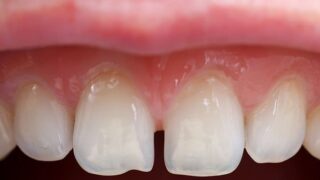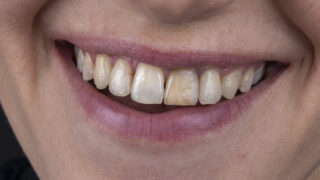
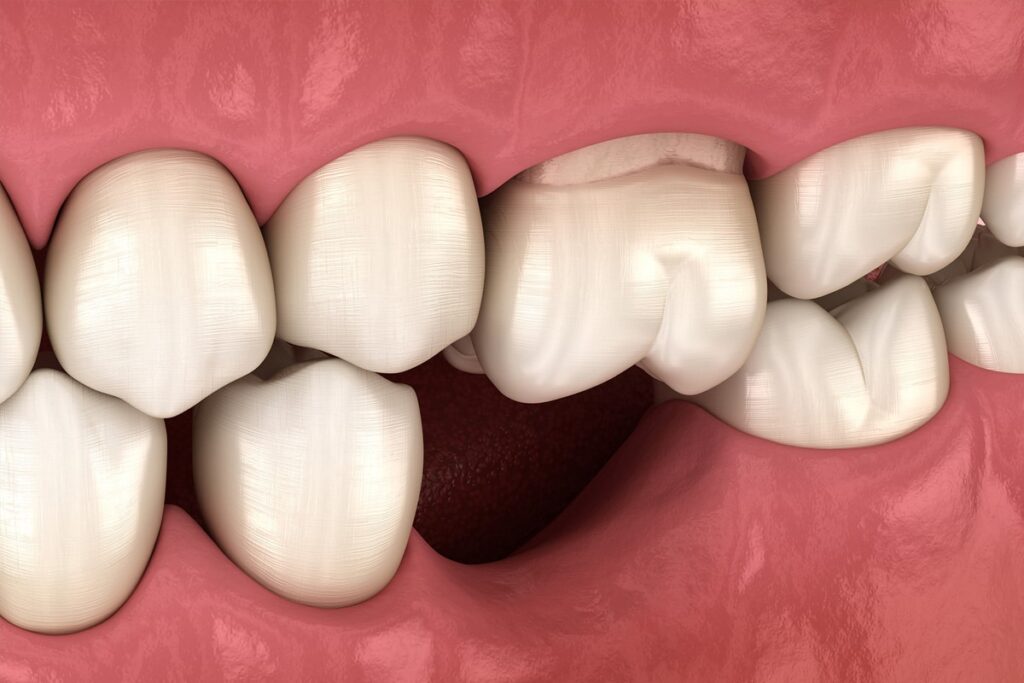
Loose teeth are a dental concern that can affect anyone, from children experiencing natural tooth shedding to adults facing periodontal challenges. Understanding the underlying causes, preventive measures, and treatment options is crucial to maintaining oral health and function. This article explores the multifaceted world of loose teeth, offering insights backed by research, clinical observations, and scientific analysis.
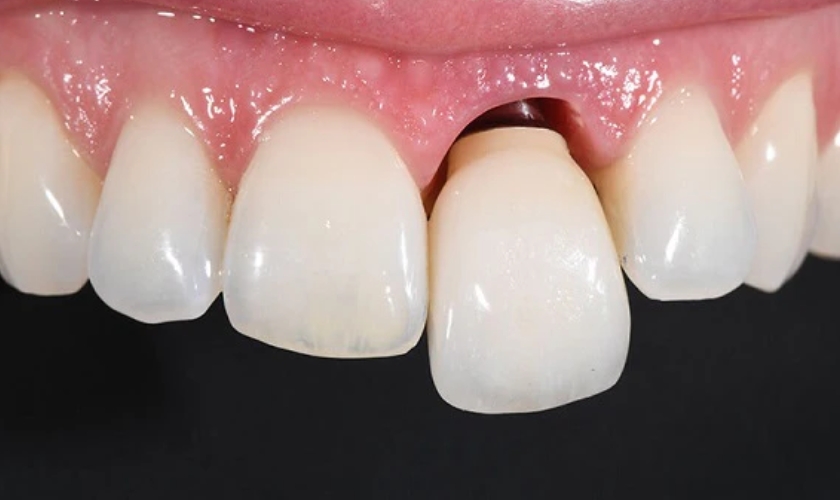
Causes of Loose Teeth
Loose teeth rarely occur without reason. There are multiple factors that can compromise the stability of teeth. One primary contributor is periodontal disease, where chronic inflammation erodes the supportive structures around teeth. Additionally, trauma from accidents or habitual grinding can cause tooth mobility.
In children, loose teeth often indicate natural exfoliation, signaling a transition from primary to permanent dentition. In adults, however, mobility usually warrants attention. Research indicates that advanced gum disease affects nearly 50% of adults over 30, emphasizing the importance of early detection.
Periodontal Disease and Tooth Mobility
Gum disease, medically referred to as periodontitis, can progressively loosen teeth if untreated. Plaque accumulation leads to bacterial invasion of gum tissue, triggering immune responses that degrade connective tissue and alveolar bone. In this scenario, loose teeth are not just cosmetic; they reflect structural compromise.
A 2022 study in the Journal of Clinical Periodontology demonstrated that patients with moderate to severe periodontitis had a 70% higher likelihood of tooth mobility compared to individuals with healthy gums. This statistic underscores the necessity of proactive dental care.
Trauma and Accidents
Sudden injuries, such as falls or sports-related impacts, can dislodge teeth partially or entirely. Even mild trauma can result in slight mobility, which, if ignored, may progress to permanent displacement. Athletes are particularly at risk, which is why mouthguards are strongly recommended during contact sports.
Signs That Indicate Loose Teeth
Identifying loose teeth early can prevent further complications. Common indicators include noticeable shifting of teeth while chewing, increased sensitivity, or slight gaps appearing between teeth. In adults, subtle changes are often overlooked until mobility becomes pronounced.
A practical method to assess mobility at home involves gently pressing a tooth with your tongue or fingers. If movement is detected, it may warrant a dental examination. Dentists use a grading system from 0 (no mobility) to 3 (severe mobility) to evaluate the severity and guide treatment decisions.
Sensitivity and Discomfort
One of the earliest signs of loosening is heightened sensitivity to temperature changes or pressure. Scientific observations suggest that this sensitivity stems from inflammation of the periodontal ligament, the connective tissue anchoring teeth to the jawbone. Ignoring these signs can lead to accelerated deterioration and eventual tooth loss.
Changes in Bite and Alignment
Another subtle warning is alterations in bite. When loose teeth shift, the alignment of surrounding teeth can change, sometimes causing discomfort in the jaw or uneven wear. This phenomenon emphasizes the interconnected nature of dental structures, where mobility in one tooth can affect overall oral harmony.
Risk Factors for Loose Teeth
Understanding who is most susceptible to loose teeth helps prioritize prevention. Age, lifestyle, systemic health conditions, and oral hygiene habits all play pivotal roles. For example, smoking increases the risk of periodontal disease, while diabetes can accelerate gum deterioration.
A comprehensive analysis by the American Dental Association highlights that individuals over 50, smokers, and those with unmanaged systemic conditions show significantly higher incidences of tooth mobility. Genetic predisposition also contributes, making regular check-ups essential for high-risk populations.
Lifestyle and Habits
Habits like bruxism (teeth grinding), nail-biting, or chewing hard objects exert excess pressure on teeth, potentially causing mobility. Longitudinal studies suggest that habitual grinders are twice as likely to develop loose teeth compared to non-grinders, especially if protective interventions are absent.
Nutrition and Oral Health
Adequate nutrition supports bone density and gum health. Deficiencies in vitamin C, vitamin D, or calcium can weaken the periodontium, indirectly contributing to tooth mobility. Incorporating a balanced diet with sufficient micronutrients can therefore play a preventive role.
Treatment Options for Loose Teeth
When it comes to addressing loose teeth, treatment varies depending on severity, underlying cause, and patient age. Mild mobility may require non-invasive interventions, while advanced cases often demand professional dental procedures.
Non-Surgical Approaches
For early-stage tooth mobility, dentists may recommend splinting, a process where the loose tooth is stabilized by bonding it to adjacent teeth. This method reduces stress and encourages healing of surrounding tissues. Additionally, meticulous oral hygiene, including targeted brushing and flossing, can halt progression in cases related to periodontal inflammation.
Adjunctive therapies such as antimicrobial mouth rinses or topical agents may complement mechanical stabilization, enhancing gum health and reducing bacterial load. Regular monitoring ensures that minor mobility does not escalate into tooth loss.
Surgical and Professional Interventions
Severe cases of loose teeth, especially those associated with extensive bone loss, may require more advanced procedures. Periodontal surgery can restore supportive tissue, while bone grafts rebuild compromised alveolar structures. In extreme scenarios, extraction followed by prosthetic replacement may be the most viable option.
Research published in the International Journal of Periodontics & Restorative Dentistry indicates that timely surgical intervention can improve long-term tooth stability in over 80% of patients with advanced mobility, demonstrating the efficacy of professional care.
Natural and Supportive Measures
While professional care is essential, certain lifestyle and dietary measures can support tooth stability. Strengthening the jaw through chewing fibrous foods, maintaining adequate vitamin and mineral intake, and avoiding habits that stress teeth all contribute to preserving mobility.
Herbal and natural adjuncts like green tea, rich in polyphenols, have been associated with anti-inflammatory benefits for gums. While not a replacement for dental treatment, these measures may offer supportive value in a holistic oral care regimen.
Long-Term Prevention of Loose Teeth
Preventing loose teeth involves a combination of regular professional care and proactive daily habits. Routine dental check-ups, proper brushing and flossing techniques, and early intervention for periodontal concerns form the cornerstone of prevention.
Maintenance and Monitoring
Long-term monitoring allows dentists to detect subtle changes before they become problematic. Digital imaging, periodontal probing, and mobility assessment provide a comprehensive picture of oral health over time.
Lifestyle Adjustments
Adopting lifestyle adjustments, such as reducing tobacco use, managing systemic conditions like diabetes, and moderating high-sugar diets, further decreases the risk of tooth mobility. Incorporating these measures ensures that teeth remain anchored and functional for decades.
When to Seek Professional Advice
It is essential to recognize situations that necessitate prompt dental consultation. Persistent mobility, pain, swelling, or changes in bite alignment should trigger professional evaluation. Early intervention significantly increases the chances of saving affected teeth and maintaining overall oral health.
Indicators for Immediate Care
- Persistent sensitivity despite routine oral hygiene
- Visible shifting of teeth or gaps forming
- Pain during chewing or pressure
- Bleeding or inflamed gums
These signs often indicate underlying pathology that cannot be managed effectively with home care alone.
Loose teeth represent a complex interplay of biological, mechanical, and lifestyle factors. From natural exfoliation in children to periodontal disease in adults, the causes are varied, but the importance of early detection and intervention is universal. Combining professional care with supportive measures and preventive habits creates the most robust strategy for preserving oral function and health.
By understanding the multifactorial nature of tooth mobility, patients and clinicians can collaborate effectively, ensuring that loose teeth do not compromise quality of life.