Dental Floss is often described as a small tool with a surprisingly large role in daily oral hygiene routines. From a scientific point of view, Dental Floss represents a mechanical cleaning aid designed to reach areas that a toothbrush naturally misses.
Rather than presenting rigid rules, this guide explores Dental Floss through research based observations, usage habits, and frequently discussed questions. The goal is to offer a clear, engaging, and evidence oriented overview that feels informative rather than instructional.
What Is Dental Floss and Why Dental Floss Matters
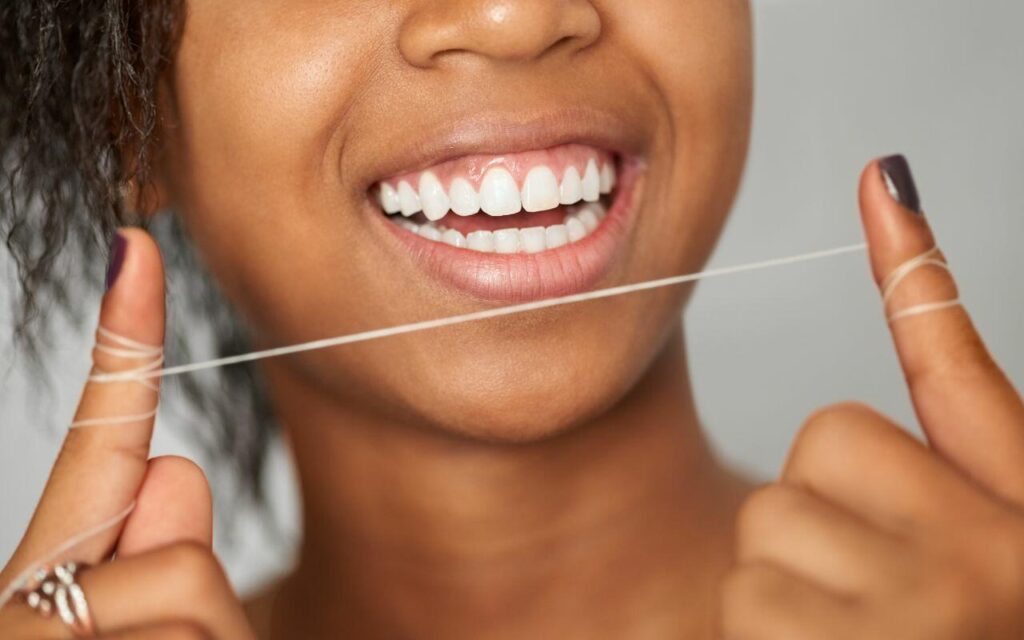
Dental Floss is a thin filament, typically made from nylon or similar synthetic fibers, created to slide between teeth. From a material science perspective, its structure allows it to flex under pressure while maintaining enough resistance to remove debris.
Researchers often highlight that Dental Floss plays a complementary role alongside brushing. While toothbrush bristles focus on exposed surfaces, Dental Floss targets interproximal spaces. These spaces are frequently mentioned in dental literature because they are narrow, humid, and prone to residue accumulation.
Another reason Dental Floss matters is perception. Many people associate flossing with discomfort or complexity. However, studies analyzing user behavior show that familiarity increases confidence. Over time, Dental Floss becomes less of an obligation and more of a routine action integrated into daily habits.
Types of Dental Floss and How Dental Floss Differs by Design
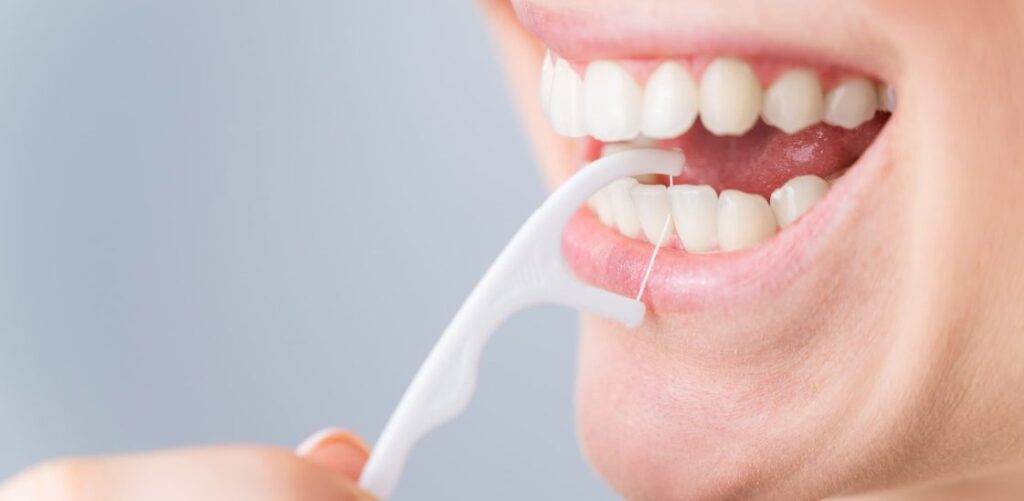
Not all Dental Floss products are identical. Design variations exist to accommodate different spacing, preferences, and tactile sensitivity. Understanding these differences helps explain why Dental Floss usage experiences vary widely among individuals.
The most commonly discussed categories include waxed, unwaxed, multifilament, and monofilament Dental Floss. Waxed Dental Floss tends to slide more smoothly, while unwaxed versions may provide a different friction sensation. Scientific comparisons often focus on glide efficiency rather than superiority.
Texture also plays a role. Some Dental Floss products expand slightly when exposed to moisture, increasing surface contact. This characteristic is often mentioned in research related to plaque disruption. The diversity of Dental Floss designs reflects the complexity of human dentition rather than a one size fits all approach.
How Dental Floss Is Commonly Used in Daily Routines
The way Dental Floss is typically used has been shaped by observational studies and long standing hygiene practices. Rather than strict rules, most descriptions emphasize gentle motion and controlled positioning.
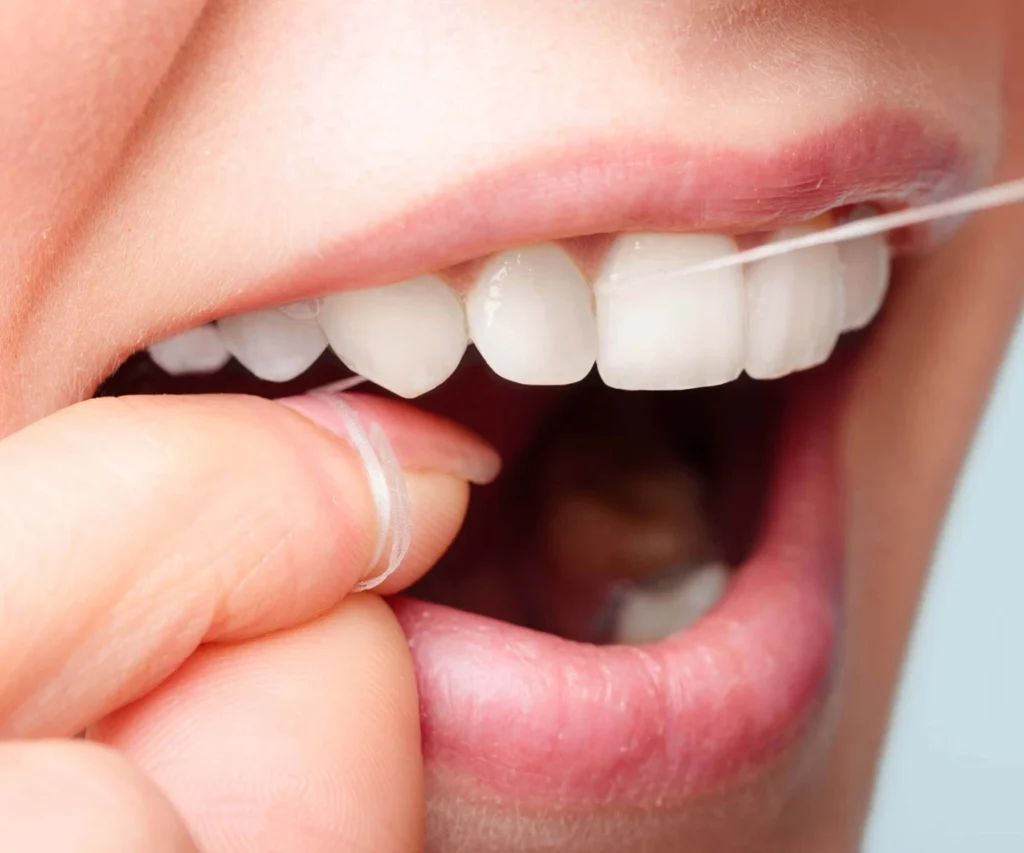
Dental Floss is usually guided between teeth with a slow, deliberate movement. Once positioned, it is curved slightly around the tooth surface. This motion helps Dental Floss adapt to the natural contour of each tooth rather than forcing a straight line.
Timing is another interesting topic. Some people prefer Dental Floss before brushing, others after. Research discussions often focus on personal consistency rather than sequence. What remains consistent is that Dental Floss is treated as an independent step, not a replacement for brushing.
Scientific Observations on Dental Floss and Interdental Spaces
Interdental spaces have been widely examined in dental research due to their limited accessibility. Dental Floss is frequently referenced in academic literature as a tool developed specifically for these zones.
Microscopic analyses suggest that Dental Floss disrupts biofilm structures mechanically. This disruption is temporary, which explains why flossing is discussed as a repeated habit rather than a one time action. Dental Floss does not alter tooth structure, but interacts with surface residues.
Another point often mentioned is pressure control. Studies comparing aggressive versus gentle flossing motions emphasize that effectiveness is linked to technique awareness. Dental Floss performs best when guided thoughtfully rather than hurriedly.
Common Misconceptions About Dental Floss Usage
Despite its simplicity, Dental Floss is surrounded by misconceptions. One common belief is that flossing is unnecessary if brushing feels thorough. Behavioral studies show that perception does not always match interdental cleanliness.
Another misconception involves bleeding. Some users associate initial bleeding with harm, yet research discussions often frame this as tissue sensitivity rather than damage. Over time, familiarity with Dental Floss can influence how tissues respond.
There is also the idea that all Dental Floss products function identically. As mentioned earlier, variations in material and texture can shape user experience. Recognizing these differences helps explain why some people prefer specific types of Dental Floss.
Dental Floss in Modern Oral Hygiene Culture
In recent years, Dental Floss has gained visibility beyond clinical environments. Social media, educational platforms, and preventive health campaigns frequently reference Dental Floss as part of a holistic lifestyle.
From a sociological perspective, Dental Floss symbolizes attention to detail. It represents care for areas that are not immediately visible. This symbolic meaning has contributed to its presence in wellness narratives and branding strategies.
Dental Floss is also discussed in sustainability conversations. Alternatives such as biodegradable Dental Floss reflect changing consumer expectations. These developments show how a simple tool adapts to broader cultural values.
How Dental Floss Relates to Long Term Oral Awareness
Rather than focusing on outcomes, many experts frame Dental Floss as a tool for awareness. Using Dental Floss encourages individuals to engage with their oral environment more attentively.
This awareness extends to texture changes, spacing differences, and sensitivity variations. Over time, Dental Floss becomes a feedback mechanism rather than just a cleaning aid. Research oriented discussions highlight this sensory interaction as a reason flossing habits persist.
Dental Floss also appears in longitudinal studies examining routine adherence. These studies suggest that small, repeatable actions like flossing shape long term hygiene identity. In this sense, Dental Floss contributes to consistency rather than perfection.
The Role of Dental Floss in Professional Dental Discussions
Within professional circles, Dental Floss is often referenced as a baseline tool. It is used as a comparison point when evaluating newer interdental cleaning devices.
Academic articles frequently mention Dental Floss when discussing accessibility and cost effectiveness. Its simplicity allows it to remain relevant even as technology evolves. Dental Floss serves as a benchmark against which innovation is measured.
This professional recognition reinforces the idea that Dental Floss is not outdated. Instead, it remains adaptable and contextually important within modern dental science discussions.
Understanding Dental Floss Beyond Habit
Looking at Dental Floss through a broader lens reveals more than a daily routine. It represents a convergence of material science, behavioral research, and cultural values. Rather than a rigid obligation, Dental Floss functions as a flexible tool shaped by individual habits.
For Livera Clinic readers, understanding Dental Floss means appreciating its role without exaggeration. It is neither a miracle solution nor an optional afterthought. Its value lies in consistency, awareness, and adaptability within personal oral care narratives.
By approaching Dental Floss with curiosity rather than pressure, individuals can better understand why it continues to be discussed, studied, and refined across generations.