When it comes to celebrity transformations, few have sparked as much curiosity as Heidi Montag teeth. From her early days on The Hills to her more recent public appearances, her radiant smile has often been a topic of fascination and speculation. Fans and dental enthusiasts alike have wondered: what exactly changed, and why does her smile look so different now? This captivating transformation tells a broader story not just about beauty and fame, but about self-perception, confidence, and the powerful influence of modern cosmetic dentistry.
The Evolution of Heidi Montag Teeth: From Natural to Glamorous
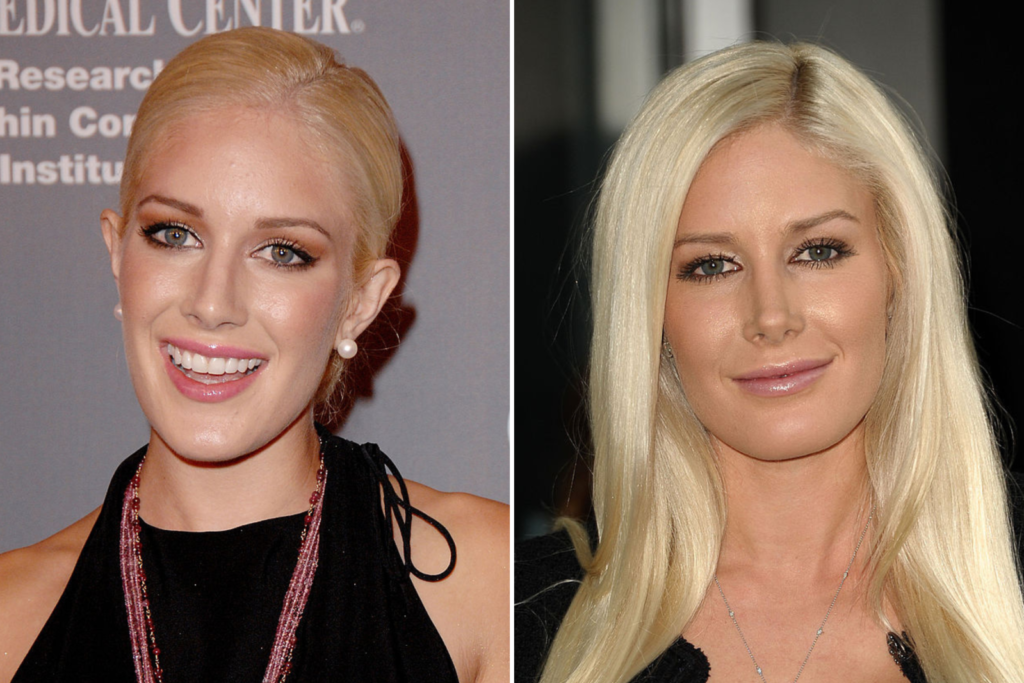
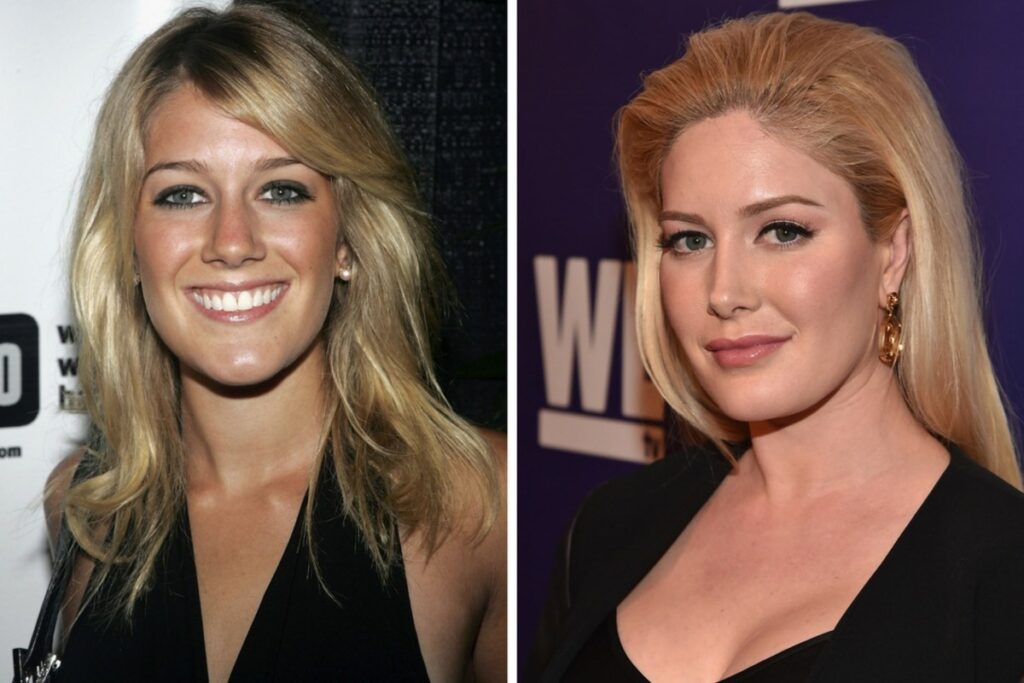
The journey of Heidi Montag teeth mirrors her overall transformation in the public eye. Early photos from her television debut show a young woman with a naturally charming, slightly imperfect smile. Over the years, subtle yet noticeable enhancements began to appear. Her teeth became brighter, more symmetrical, and perfectly aligned hallmarks of modern cosmetic dentistry.
What makes her dental journey fascinating isn’t simply the visual change. It’s the cultural dialogue it has inspired. Celebrities often embody the shifting standards of beauty, and Heidi’s evolution reflects how Hollywood’s ideals have evolved over the past two decades. Today’s smiles are no longer just white; they are engineered to express personality, youth, and confidence.
The Science Behind a Perfect Smile
The secret behind Heidi Montag’s teeth likely lies in advanced cosmetic dental techniques. Procedures such as veneers, professional whitening, and digital smile design have revolutionized how smiles can be transformed.
Veneers, for instance, are ultra-thin shells made from porcelain or composite resin that cover the front surface of the teeth. They can instantly correct discoloration, minor misalignment, or uneven shapes all while maintaining a natural appearance. Whitening treatments, on the other hand, focus on enhancing brightness through safe chemical agents or laser technology.
In Hollywood, these treatments aren’t simply about aesthetics. A bright, even smile has become a professional necessity, symbolizing health, vitality, and camera-readiness. In many ways, Heidi Montag teeth represent the intersection of science, technology, and artistry in modern dentistry.
Psychological Power of a Confident Smile
One of the most fascinating aspects of Heidi Montag teeth transformation is its psychological dimension. Research in behavioral psychology consistently shows that smiling more frequently can elevate mood, increase social connections, and even influence how others perceive you.
Celebrities, who live under the relentless gaze of the public, often find empowerment in perfecting their smiles. For Heidi, whose journey was deeply tied to media scrutiny, a smile makeover may have offered a sense of control and renewed self-esteem. After all, confidence often begins with the ability to smile without hesitation.
To illustrate this, consider findings from a 2023 Journal of Cosmetic Dentistry report, which showed that 78% of patients who underwent aesthetic dental procedures reported feeling more confident in professional and social situations. It’s not surprising, then, that celebrities embrace these enhancements as both aesthetic and emotional investments.
Pop Culture, Perception, and the Influence of Celebrity Smiles
The transformation of Heidi Montag’s teeth did more than just change her appearance it reshaped how audiences perceived her. In pop culture, smiles serve as a silent form of communication, signaling authenticity, warmth, or even status. The entertainment industry’s obsession with “the perfect smile” has inspired countless fans to explore similar cosmetic improvements.
This phenomenon raises an interesting question: does the pursuit of the ideal smile enhance individuality or diminish it? While critics argue that uniform, Hollywood-style smiles can lead to a loss of uniqueness, supporters see them as a form of self-expression. Heidi’s transformation, therefore, becomes not only a story about cosmetic dentistry but also a reflection of cultural ideals around identity and beauty.
Comparing Natural vs. Cosmetic Smiles
To understand the difference, let’s explore a quick comparison between natural and enhanced smiles like Heidi Montag teeth:
| Feature | Natural Smile | Cosmetic Smile |
| Color Tone | Varies naturally | Whiter and uniform |
| Alignment | Slightly irregular | Perfectly symmetrical |
| Shape | Natural variation in tooth size | Sculpted for harmony |
| Reflection | Matte surface | Glossy finish for light reflection |
| Psychological Impact | Authentic, personal | Polished, confident |
This table highlights how technology can refine nature’s design. Neither is inherently better the value lies in how it makes the individual feel. The beauty of modern dentistry is its ability to balance precision with personality.
The Legacy of Heidi Montag’s Smile Transformation
Over time, Heidi Montag teeth have become symbolic of a larger conversation about self-image and authenticity. Her transformation sparked debates across beauty blogs, entertainment outlets, and even academic studies examining how celebrity appearances influence public behavior.
Interestingly, her openness about cosmetic enhancements from dental to surgical has made her a kind of cultural case study in transparency. She blurred the line between reality TV persona and real-life vulnerability, challenging audiences to reflect on their own relationships with beauty and change.
Whether admired or critiqued, her dazzling smile remains a defining feature of her identity. It’s a reminder that behind every transformation lies a personal narrative one of reinvention, resilience, and redefinition.
The Broader Message Behind the Smile
In the end, Heidi Montag teeth symbolize more than just a cosmetic enhancement. They represent evolution not only of an individual but of societal standards and technologies that shape modern beauty. Through her transformation, Heidi inadvertently became part of a larger dialogue about how we see ourselves and what we value in appearance.
Her story invites us to ask deeper questions: Is beauty a pursuit of perfection or authenticity? Does transformation diminish identity or celebrate progress? The answers, much like a smile, are deeply personal.
The Hidden World Behind Celebrity Smile Transformations
When people discuss Heidi Montag teeth, they’re not just talking about her physical appearance they’re touching on an entire industry of art, science, and psychology that exists behind the scenes. Every flawless celebrity smile we see on red carpets or magazine covers represents hours of digital design, dental craftsmanship, and psychological planning. But what exactly goes into creating a smile that looks both natural and camera-ready?
How Celebrity Smiles Are Designed
The process of crafting smiles like Heidi Montag’s teeth often begins long before the first dental procedure takes place. Dentists specializing in aesthetic design use advanced imaging software to simulate how a new smile will look based on the patient’s facial symmetry, lip line, and personality traits. This process known as Digital Smile Design (DSD) allows both the dentist and patient to visualize potential outcomes before committing to treatment.
This approach ensures that the transformation aligns with the individual’s identity rather than simply copying another celebrity’s look. In Heidi’s case, her refined, symmetrical smile complements her facial features while maintaining a sense of individuality. This highlights the modern philosophy of cosmetic dentistry: personalization over perfection.
One of the biggest misconceptions about smile design is that it’s purely superficial. In reality, it’s deeply technical. Specialists analyze bite force, tooth proportion, and even how light reflects on enamel to create a balanced, lifelike effect. Heidi Montag teeth reflect that meticulous balance a harmony between aesthetics and engineering.
The Technology Powering the Perfect Smile
While the glamour of celebrity transformations often takes the spotlight, it’s the invisible technologies that make them possible. Over the last decade, dental innovation has accelerated at a pace few people realize.
Procedures that once required weeks can now be completed in a single visit. Here are a few of the technologies likely used in transformations like Heidi Montag’s teeth:
- CAD/CAM Systems (Computer-Aided Design & Manufacturing): These tools allow dentists to design and mill custom veneers or crowns within hours.
- 3D Intraoral Scanners: These replace messy molds by creating high-precision digital impressions of the mouth.
- Laser Dentistry: Used for whitening, reshaping gums, and ensuring minimal discomfort during procedures.
- Biomimetic Materials: New generations of porcelain mimic the translucency and light behavior of natural enamel.
Together, these innovations form the backbone of the modern smile industry. They allow patients celebrities and everyday people alike to achieve remarkable transformations with less pain, faster recovery, and greater personalization.
When fans discuss Heidi Montag teeth, they’re really seeing the product of years of progress in material science and dental artistry. Her gleaming, balanced smile is as much a triumph of technology as it is of beauty.
Emotional and Financial Investment
A dazzling smile comes with a price not only in money but also in emotion. The transformation process can be intense, involving multiple appointments, temporary discomfort, and a significant lifestyle shift. For celebrities like Heidi, there’s also the added pressure of public scrutiny.
Estimates suggest that high-end smile makeovers can range from $20,000 to $80,000, depending on the complexity and materials used. However, the emotional cost can be just as significant. Celebrities often face relentless judgment, with every detail from their hair to their teeth analyzed and debated online.
For Heidi Montag teeth, the transformation became part of a broader narrative about self-image in Hollywood. Critics debated whether her enhancements reflected insecurity or empowerment. Yet, what often goes unacknowledged is the human element: the desire to evolve, to feel comfortable in one’s own skin (and smile).
Why Celebrity Dental Trends Influence Everyone
The fascination with Heidi Montag’s teeth isn’t an isolated phenomenon it’s part of a larger cultural trend. Research in media psychology suggests that exposure to celebrity beauty ideals influences how people perceive their own appearance. A 2024 study from the American Academy of Aesthetic Dentistry found that 61% of patients seeking smile makeovers cited “celebrity inspiration” as a key motivator.
Social media amplifies this effect. Platforms like Instagram and TikTok have made close-up smiles a focal point of personal branding. Influencers showcase whitening routines, “before-and-after” transformations, and even live-stream dental appointments. The line between medical treatment and entertainment continues to blur.
Heidi’s bright, meticulously crafted smile fits perfectly into this digital landscape. It’s not just a symbol of beauty it’s a statement, an aesthetic standard that millions quietly aspire to.
Natural Beauty vs. Enhanced Aesthetics: Where Do We Draw the Line?
The debate surrounding Heidi Montag teeth also raises philosophical questions about authenticity. At what point does enhancement cross into artificiality? And does that even matter anymore?
Proponents of cosmetic dentistry argue that improving one’s smile is no different from wearing makeup or styling one’s hair it’s a form of self-expression. Critics, however, worry that an obsession with perfection can erode individuality and fuel unrealistic standards.
Interestingly, psychologists note that people often perceive symmetrical, white smiles as more trustworthy and likable. This perception is hardwired into human cognition evolution has trained us to associate healthy teeth with vitality and good genetics. So, even if perfection is an illusion, it still carries social advantages.
Heidi’s smile, then, becomes a cultural artifact a reflection of how beauty standards evolve alongside technology and psychology.
Celebrity Smiles and Their Role in Modern Identity
In a world where image equals identity, Heidi Montag teeth serve as both a mirror and a magnifier of our collective values. Celebrities craft their smiles not merely to look good, but to embody a certain message success, confidence, and resilience.
For many fans, this has an aspirational effect. A smile like Heidi’s represents the possibility of reinvention. It suggests that change is within reach, that one can rewrite their narrative starting with something as small yet symbolic as a smile.
But there’s also a deeper irony: the more we perfect our appearances, the harder it becomes to define authenticity. In chasing flawless beauty, we risk losing the subtle imperfections that make us human. Heidi’s smile captures that paradox beautifully polished yet personal, idealized yet approachable.

What Heidi Montag’s Smile Tells Us About Ourselves
Ultimately, the story of Heidi Montag teeth is a story about transformation not only hers but ours as a culture. It highlights how society’s relationship with beauty, technology, and identity has evolved. We no longer view cosmetic enhancements as taboo; instead, we see them as tools for empowerment and self-expression.
However, it also reminds us of the delicate balance between enhancement and authenticity. Technology can perfect a smile, but only self-acceptance can perfect confidence. The ideal lies not in imitation but in individuality a message that resonates far beyond Hollywood.
The Deeper Meaning Behind the Heidi Montag Teeth Phenomenon
When people think of Heidi Montag teeth, they often picture her radiant, Hollywood-ready smile a symbol of transformation, glamour, and personal evolution. But beneath that surface lies a deeper cultural narrative. Her dental transformation is not just a cosmetic choice; it reflects the modern human condition our desire to evolve, to feel confident, and to align our outer selves with the way we feel inside.
In this final part, we’ll look at how Heidi’s smile became a metaphor for change, how it shaped conversations around self-image, and what it reveals about our collective pursuit of perfection.
How Heidi Montag Teeth Sparked a Broader Conversation About Self-Image
The transformation of Heidi Montag teeth didn’t just change her appearance it triggered discussions about authenticity, mental health, and the pressures of fame. In a world where every detail of a celebrity’s life is magnified, a simple enhancement can become a headline.
Heidi’s openness about her cosmetic procedures including her teeth challenged old stigmas about self-improvement. Rather than hiding behind the illusion of “natural perfection,” she admitted to taking control of her own image. This honesty resonated with fans who have also felt the tension between self-acceptance and the desire to look better.
Her story shows how a single feature a smile can become a lens through which we explore broader cultural themes like empowerment, vulnerability, and individuality. Heidi Montag teeth aren’t just white porcelain veneers; they’re symbols of self-expression in a society obsessed with visibility.
The Rise of the “Perfect Smile” Era
In recent years, the demand for treatments inspired by transformations like Heidi Montag’s teeth has surged globally. Social media trends like “veneers check” and “Hollywood smile” now dominate platforms like TikTok and Instagram, where millions of users share their dental journeys.
According to a 2025 Global Aesthetic Dentistry Report, searches for “celebrity smile design” have increased by over 250% in the past five years. The reason is simple: people no longer see dental procedures as luxury items reserved for stars they see them as investments in confidence.
This cultural shift blurs the lines between aspiration and accessibility. High-definition screens, filters, and constant exposure to flawless images have created new standards. A perfect smile has become a kind of social currency a signifier of success, youth, and modernity.
Yet, amid this perfection-driven culture, the question remains: does the pursuit of beauty make us happier, or just more aware of our flaws?
The Emotional Science of a Smile
From a scientific standpoint, the transformation of Heidi Montag teeth offers fascinating insights into human emotion and perception. Psychologists have long studied the “facial feedback hypothesis,” which suggests that the act of smiling can actually influence our mood. When we smile even artificially our brain releases serotonin, endorphins, and dopamine, the same chemicals associated with happiness.
A 2024 study published in the Journal of Positive Psychology found that people who felt more confident about their smiles were 67% more likely to report satisfaction with their social interactions. In essence, a smile isn’t just a reflection of happiness it can also create it.
For Heidi, that might have been part of the motivation behind her transformation. The smile we project to the world can become a form of self-therapy a way of shaping how we feel, not just how we look.
The Ethical Debate Around Aesthetic Enhancement
Every conversation about Heidi Montag’s teeth eventually circles back to a moral and philosophical question: where should we draw the line between self-improvement and self-alteration?
Critics argue that constant enhancement fuels insecurity and consumerism, while supporters see it as a form of agency a right to design one’s own body. This tension defines the 21st-century beauty landscape.
The truth, perhaps, lies somewhere in the middle. Cosmetic enhancements like veneers are neither inherently vain nor empowering; they are tools. How they’re used and the motivations behind them determine their meaning. For some, a perfect smile is about aesthetics; for others, it’s a symbol of reclaiming control over their narrative.
Heidi Montag teeth exemplify that delicate balance: a personal decision made visible to the world, sparking reflection about identity and authenticity in an age dominated by appearances.
Lessons from Heidi Montag’s Smile Transformation
The legacy of Heidi Montag teeth extends far beyond the entertainment world. It teaches us valuable lessons about confidence, individuality, and the evolving nature of beauty.
Here are a few insights her transformation leaves behind:
- Transformation can be empowering when it’s driven by self-expression, not pressure.
- Authenticity is evolving being honest about change can make you more relatable, not less.
- Technology is a double-edged sword it gives us tools to enhance ourselves, but it also challenges how we define “real.”
- Confidence often begins with comfort feeling good about your smile can change how you engage with the world.
Her story reminds us that beauty is not a fixed ideal but an evolving language one that reflects both individuality and collective culture.
The Cultural Legacy of Heidi Montag Teeth
In the grand narrative of pop culture, Heidi Montag teeth represent more than a cosmetic milestone. They mark a turning point in how we talk about transformation openly, unapologetically, and intelligently.
For decades, celebrities concealed their beauty procedures behind a veil of secrecy. Today, transparency has become the new authenticity. By being candid about her enhancements, Heidi redefined what it means to evolve in public view. Her journey bridged the gap between the illusion of perfection and the reality of self-discovery.
This cultural openness has inspired a new generation to approach self-care including aesthetic treatments with less shame and more curiosity. Instead of asking, “What did she change?” we now ask, “What makes her feel confident?” That’s a powerful shift in perspective.
What a Smile Truly Represents
Ultimately, the story of Heidi Montag teeth reminds us that a smile is far more than an aesthetic feature. It’s a universal language, a reflection of inner emotion, and a symbol of human connection.
Her journey underscores a truth we often overlook: beauty is subjective, but confidence is universal. Whether natural or enhanced, every smile tells a story of courage, reinvention, and the timeless pursuit of happiness.
The next time someone mentions Heidi Montag’s teeth, think of it not as a tale of vanity, but as a portrait of transformation one that mirrors our collective evolution toward self-awareness, acceptance, and authenticity.
Because in the end, a smile whether shaped by nature or by art remains one of the purest expressions of who we are.