In modern restorative dentistry, Dental Posts play a crucial role in reinforcing compromised teeth and ensuring long-term durability of dental restorations. These small yet powerful tools provide internal support for teeth that have undergone endodontic treatment, making them a cornerstone in prosthodontics. From increasing retention for crowns to stabilizing weakened roots, understanding Dental Posts is essential for both dental professionals and patients seeking restorative solutions.
What Are Dental Posts and Why Are They Important?
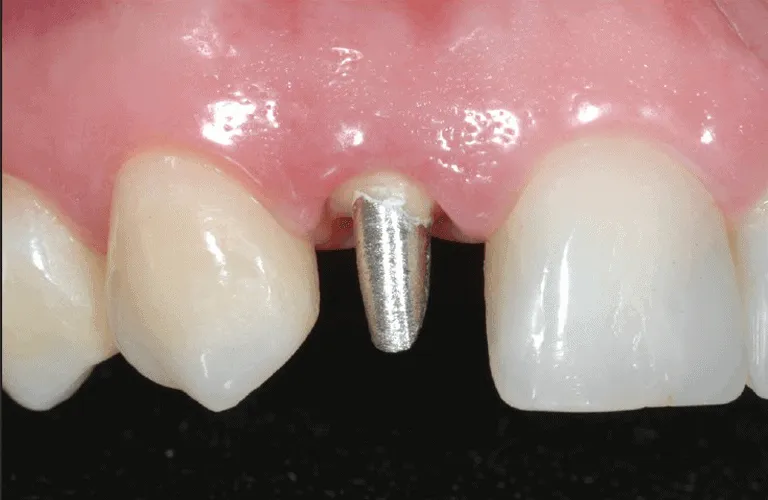
Dental Posts are cylindrical or tapered structures placed inside the root canal of a tooth to provide internal support for restorations like crowns or bridges. Their primary purpose is to distribute stress evenly along the root, preventing fractures in teeth that have lost substantial tooth structure due to decay or trauma.
Recent studies have shown that teeth restored with Dental Posts exhibit significantly higher fracture resistance compared to teeth restored without posts. While the choice of post type depends on root anatomy, remaining tooth structure, and aesthetic requirements, the underlying principle is the same: internal reinforcement enhances longevity.
Interestingly, Dental Posts are not just mechanical supports. They also act as a medium for bonding restorative materials more securely to the tooth structure, which reduces micro-movement and potential failures over time.
Types of Dental Posts
Dental posts can be classified based on material, shape, and placement technique. Each type offers unique advantages depending on the clinical scenario.
- Metallic Posts
Traditional stainless steel or titanium posts have high strength and rigidity. They are ideal for posterior teeth where functional forces are high. However, metallic posts may sometimes pose aesthetic challenges in anterior teeth due to their color. - Fiber-Reinforced Posts
These are made of composite resin embedded with glass or carbon fibers. Fiber posts are more flexible, which allows them to mimic the natural tooth’s resilience. They also provide excellent aesthetic integration in visible areas. - Cast Posts and Cores
Custom-made from dental alloys, cast posts are tailored for teeth with irregular canals or significant structural loss. They combine precision with maximum reinforcement but require more complex laboratory work. - Prefabricated Posts
Ready-made posts that offer convenience and reduced treatment time. These can be metallic or fiber-based and are widely used due to their cost-effectiveness and reliable outcomes.
| Post Type | Material | Best Use | Advantages | Considerations |
| Metallic | Stainless steel/Titanium | Posterior teeth | Strength, durability | Aesthetic limitations |
| Fiber-Reinforced | Glass/carbon fiber | Anterior teeth | Aesthetic, flexible | Slightly lower strength |
| Cast | Dental alloy | Irregular canals | Custom fit, maximum support | Lab work needed, time-consuming |
| Prefabricated | Metal or fiber | Various applications | Cost-effective, fast | Less customization |
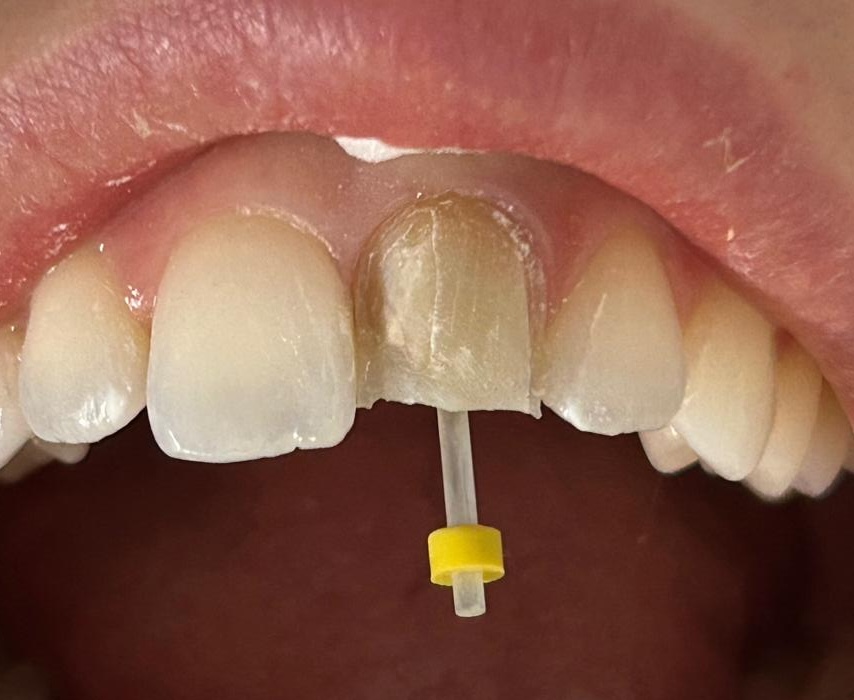
The Dental Post Application Process
The placement of Dental Posts is a meticulous procedure that involves careful planning and precision:
- Endodontic Preparation
The tooth must be free from infection, and the root canal thoroughly cleaned and shaped. The success of post placement heavily depends on proper endodontic treatment. - Post Space Preparation
After obturation, a post space is created by removing a portion of the gutta-percha. The depth and diameter of the space must match the chosen post. - Post Selection and Cementation
The selected post is tried for fit and then cemented using resin or glass ionomer cements. Proper adhesion ensures optimal stress distribution and prevents loosening. - Core Build-Up and Crown Placement
Once the post is secured, a core is built around it to restore the tooth’s shape, followed by the placement of a crown to complete the restoration.
A careful technique ensures the post reinforces the tooth without introducing stress concentrations that could lead to fractures.
Advantages of Using Dental Posts
Using Dental Posts offers multiple benefits beyond simple reinforcement:
- Enhanced Structural Integrity: They distribute occlusal forces evenly along the root, reducing the risk of fracture.
- Improved Retention: Posts increase the retention of crowns or bridges, especially in teeth with minimal remaining tooth structure.
- Aesthetic Benefits: Fiber posts allow for natural-looking restorations, particularly in anterior teeth.
- Longevity of Restorations: By supporting core build-ups, posts prolong the lifespan of dental prosthetics.
Scientific analyses indicate that teeth restored with fiber-reinforced posts maintain better flexural strength, reducing catastrophic failures compared to traditional metal posts.
Choosing the Right Dental Post
Selecting an appropriate post requires evaluating several factors:
- Root Anatomy: Curved or narrow canals may require flexible fiber posts.
- Remaining Tooth Structure: Extensive loss may necessitate custom cast posts.
- Aesthetic Demands: Visible areas benefit from tooth-colored posts.
- Functional Requirements: Posterior teeth under heavy occlusal forces often need rigid metallic posts.
Dentists often use a combination of diagnostic imaging and clinical assessment to determine the optimal post type. Misjudging these parameters can compromise both function and longevity.
Common Myths About Dental Posts
There are widespread misconceptions about Dental Posts, and separating fact from fiction is critical:
- Myth 1: Posts Cause Root Fractures
While incorrect placement or over-preparation may lead to fractures, properly selected and placed posts enhance structural integrity. - Myth 2: All Posts Look the Same
In reality, posts vary in material, design, and flexibility, which influences both strength and aesthetics. - Myth 3: Posts Are Only Needed in Severely Damaged Teeth
Even moderately compromised teeth can benefit from post reinforcement to ensure long-term stability of restorations.
Dispelling these myths helps patients make informed decisions and fosters trust in restorative procedures.
Future Trends in Dental Posts
Emerging technologies in dentistry are reshaping Dental Posts. Biocompatible materials, 3D-printed custom posts, and innovative fiber composites are gaining traction. These advances aim to combine optimal strength, aesthetic integration, and minimal invasiveness.
Researchers are exploring posts that integrate with regenerative dental techniques, potentially allowing natural dentin repair around the post. The future of post restorations lies in harmonizing mechanical reinforcement with biological preservation.
Dental Posts are essential tools in modern restorative dentistry, offering reinforcement, improved retention, and aesthetic solutions. Understanding the types, application process, and benefits ensures informed clinical decisions and successful outcomes. As dental technology evolves, posts will continue to play a pivotal role in preserving both function and appearance in compromised teeth.
By choosing the right post and applying it with precision, dental professionals can achieve durable, reliable, and visually seamless restorations that benefit patients for years to come.