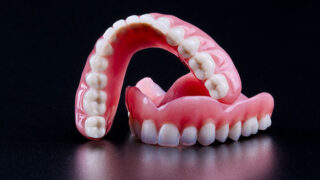
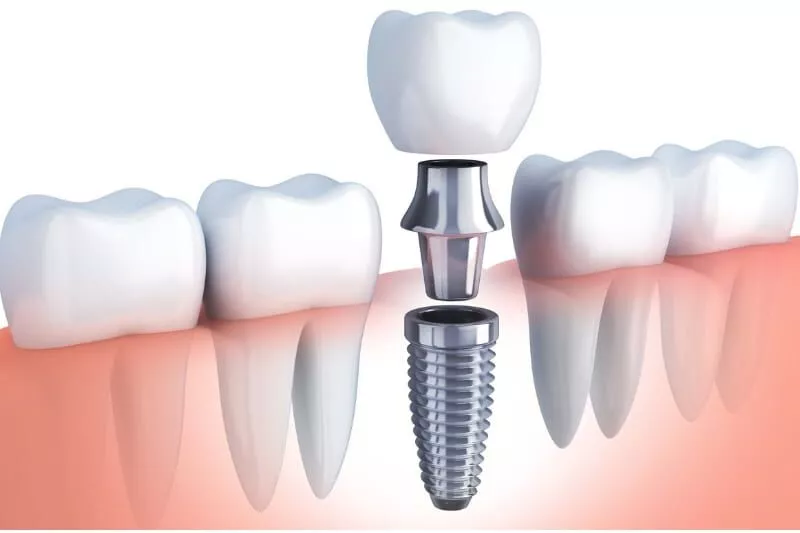
Dental implants have become one of the most discussed solutions in modern dentistry, especially when people wonder how many of them can realistically be placed during a single treatment session. This curiosity is not only about time efficiency but also about how the body, bone structure, and healing capacity interact with multiple implants at once. The idea of placing several dental implants in one visit sounds appealing, yet it opens the door to many nuanced considerations that go beyond a simple number.
At first glance, dental implants may seem like standardized components, but in reality, every mouth presents a unique environment. Jawbone density, spacing between missing teeth, and overall oral dynamics all influence how many implants can be positioned safely in one sitting. Rather than offering a fixed answer, this topic invites a layered discussion where biology, technology, and planning intersect.
Understanding dental implants and session planning
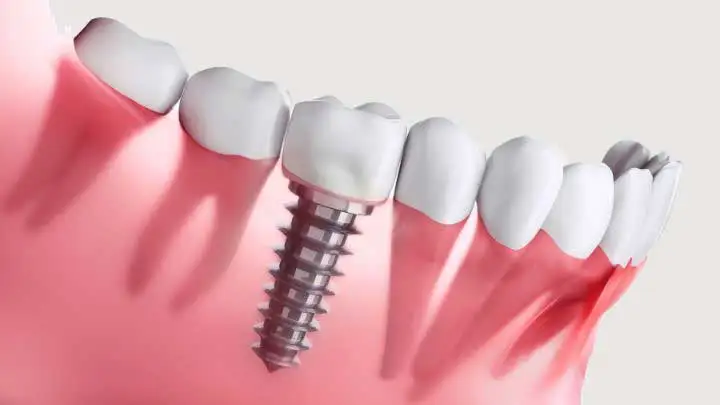
Dental implants are often described as artificial tooth roots, yet this definition barely scratches the surface. Each implant interacts with living bone tissue, relying on a biological process that encourages integration over time. Because of this, session planning for dental implants focuses as much on timing as on placement.
In one session, placing multiple dental implants requires a balance between efficiency and biological tolerance. While some mouths accommodate several implants smoothly, others respond better when procedures are spaced out. Planning sessions involves mapping stress distribution across the jaw and anticipating how the bone will react after placement.
Another overlooked aspect is how visual and functional symmetry affects planning. Dental implants placed in visible areas may demand different considerations than those in posterior regions. This distinction often influences how many implants are placed at once, even if the bone condition appears similar.
Bone structure and its influence on dental implants per session
Bone quality plays a defining role when deciding how many dental implants can be placed in one session. Dense bone may offer more immediate stability, while softer bone requires a more cautious approach. These differences mean that two individuals with the same number of missing teeth may experience very different treatment timelines.
From an analytical perspective, bone volume also matters as much as density. Adequate vertical and horizontal bone dimensions allow multiple dental implants to be positioned without compromising surrounding structures. When bone availability is limited, fewer implants may be placed initially, even if more are planned long term.
Interestingly, bone response is not static. After the placement of dental implants, the bone begins adapting to the new structure. This adaptive process influences whether placing many implants at once feels manageable or overwhelming to the biological system.
Surgical duration and comfort considerations with dental implants
Placing several dental implants in one session naturally extends the length of the procedure. While time alone is not a limiting factor, the cumulative effect of surgical manipulation can shape how many implants are placed comfortably.
Longer sessions require careful pacing. Each additional dental implant adds steps such as drilling, positioning, and stabilization. Even when technology streamlines these steps, the human element remains central. Comfort, focus, and precision are easier to maintain within certain time frames.
There is also a psychological dimension. Knowing that multiple dental implants are being placed can influence how individuals perceive the experience. This perception can subtly affect how the session unfolds, even though the physical process remains controlled and methodical.
Full arch treatments and multiple dental implants at once
One of the most discussed scenarios involves full arch restorations, where several dental implants are placed during a single session. These approaches highlight how strategic placement can reduce the total number of implants needed while still supporting a complete set of teeth.
In such cases, dental implants are positioned in areas of optimal bone support. This allows fewer implants to carry more functional responsibility. While the number placed in one session may appear high, the planning behind it is highly calculated rather than excessive.
This approach also reshapes expectations. Instead of focusing on how many dental implants are placed, attention shifts to how effectively they support long term function. The session becomes less about quantity and more about distribution and balance.
Technology and its role in placing dental implants efficiently
Advances in imaging and digital planning have transformed how dental implants are placed within a single session. Three dimensional scans allow precise mapping, reducing uncertainty and increasing predictability when placing multiple implants.
With guided techniques, dental implants can often be positioned with less invasive steps. This efficiency does not automatically increase the number placed per session, but it does make multiple placements more controlled and less physically demanding.
Technology also supports better visualization of anatomical boundaries. By clearly identifying nerve paths and sinus locations, it becomes easier to decide whether adding another dental implant to the session feels appropriate or unnecessary.
Healing dynamics after placing several dental implants
Healing is not a uniform process, and this variability directly affects how many dental implants are placed at once. When multiple implants are introduced, the body distributes its healing response across several sites simultaneously.
This does not mean healing is compromised, but it does mean the process becomes more complex. Each dental implant creates a localized healing zone, and the interaction between these zones influences overall recovery perception.
Some discussions around dental implants emphasize patience rather than speed. Even when many implants are placed in one session, the body still operates on its own biological timeline, independent of how efficient the procedure felt.
Psychological perception of multiple dental implants in one session
Dental implants are not only a physical intervention but also a psychological experience shaped by expectation, imagination, and prior knowledge. When people hear that several dental implants may be placed in a single session, the mind often fills in gaps with assumptions. These assumptions influence how the entire process is perceived, even before anything actually happens.
Interestingly, perception does not always align with complexity. A session involving multiple dental implants may feel more intense conceptually, yet the lived experience can feel surprisingly streamlined. This contrast highlights how anticipation plays a larger role than the procedure itself. The number of implants becomes symbolic, representing scale rather than sensation.
Another psychological layer comes from visibility. Dental implants placed in areas that affect appearance tend to carry more emotional weight. Even if the session involves the same number of implants, those affecting visible teeth may feel more significant than those placed discreetly in the back of the mouth.
Strategic spacing and distribution of dental implants
When discussing how many dental implants can be placed in one session, spacing matters as much as quantity. Placing implants too close together can affect load distribution, while thoughtful spacing allows the jaw to respond more naturally to change.
Strategic distribution often determines whether multiple dental implants are placed in one visit or divided into phases. This decision is less about limitation and more about optimization. The goal is not to maximize the number of implants per session, but to align placement with long term structural harmony.
From a biomechanical standpoint, evenly distributed dental implants help balance forces created during chewing. This balance becomes especially important when several implants are introduced at once, as the jaw immediately begins adapting to altered stress patterns.
Comparing single session and staged dental implants approaches
There is an ongoing conversation around whether placing many dental implants in one session differs meaningfully from staged placement over time. Both approaches exist within modern practice, and neither is inherently superior. The distinction lies in rhythm rather than result.
A single session with multiple dental implants offers a sense of continuity. Everything happens within one defined timeframe, which some people find mentally efficient. Others prefer staged placement, where each phase feels more contained and gradual.
What is often overlooked is that both paths aim toward the same endpoint. Whether dental implants are placed together or separately, the biological integration process unfolds over time regardless. The difference lies mainly in how the journey is experienced.
Recovery perception after placing several dental implants
Recovery is frequently discussed in relation to dental implants, yet perception varies widely. When multiple implants are placed in one session, recovery may feel broader rather than more intense. This distinction matters when interpreting personal experiences.
Instead of focusing on individual implant sites, the body responds holistically. Each dental implant contributes to a collective healing environment. This can make recovery feel generalized, even if the physical response remains localized at each site.
It is also worth noting that memory plays a role. People often recall recovery based on overall impression rather than specific sensations. In this sense, the number of dental implants placed in one session becomes less important than how smoothly the days that follow unfold.
Long term outlook after multiple dental implants placement
Looking beyond the session itself, the long term outlook of dental implants placed together often becomes part of the broader narrative. Over time, the distinction between implants placed simultaneously or separately tends to fade in memory.
Once integration stabilizes, dental implants function as part of a unified system rather than as individual components. This system based perception reduces focus on how many implants were placed at once and shifts attention to how they work together.
This long view reframes the original question. Instead of asking how many dental implants can be placed in one session, the more meaningful reflection becomes how those implants coexist within daily life months and years later.
Cultural narratives surrounding dental implants sessions
Public conversation around dental implants often simplifies complex decisions into numerical questions. How many implants in one session becomes a headline, even though the answer depends on layered factors.
These narratives shape expectations. When people encounter stories of extensive dental implants placed in a single visit, they may assume this is the norm rather than one of many possibilities. This assumption influences how future information is interpreted.
Understanding these cultural patterns helps contextualize curiosity. The fascination with numbers reflects a desire for clarity in an area where flexibility is actually the defining feature of dental implants planning.
Evolving techniques and their impact on dental implants sessions
Dental implants continue to evolve alongside technology, materials, and clinical philosophy. As techniques advance, the question of how many implants can be placed in one session becomes more flexible rather than more aggressive. The shift is not about pushing limits, but about refining precision.
Modern approaches emphasize predictability. With improved imaging, simulation tools, and placement strategies, dental implants can be planned in a way that minimizes uncertainty. This allows sessions involving multiple implants to feel more controlled, even if the number itself does not dramatically increase.
What stands out is how technique changes perception. A session that once felt complex may now feel routine, not because more dental implants are being placed, but because the process has become smoother and more intuitive.
The role of personalization in dental implants planning
No two implant journeys are identical, and dental implants highlight the importance of personalization more than most dental procedures. The number placed in one session often reflects individual anatomy, expectations, and long term vision rather than a fixed protocol.
Personalization also extends to pacing. Some mouths adapt well to multiple dental implants introduced at once, while others benefit from gradual change. Neither path is inherently better. They simply respond to different biological and psychological rhythms.
This individualized approach explains why broad answers feel unsatisfying. Dental implants planning thrives on nuance, where context matters more than numbers.
How expectations shape the dental implants experience
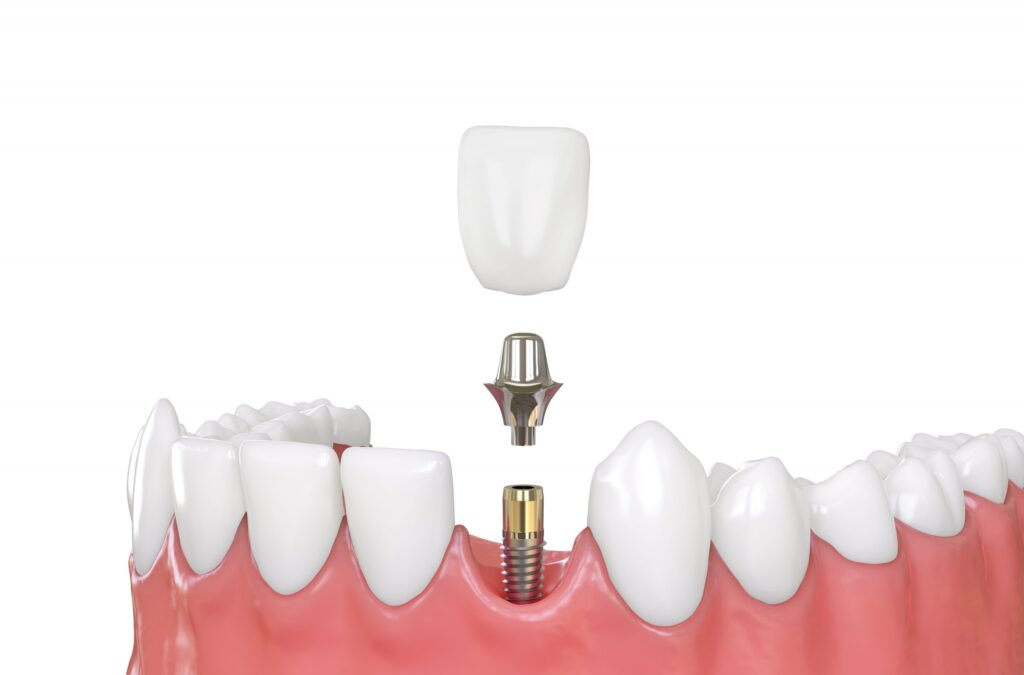
Expectations quietly influence how sessions involving dental implants are remembered. When people anticipate complexity, they often interpret neutral sensations as significant. When expectations are calm, the same experience may feel uneventful.
This effect becomes more pronounced with multiple implants. The idea of several dental implants placed in one session can sound overwhelming, even if the physical experience remains measured and methodical.
Over time, expectation fades and memory simplifies. Many people later recall the outcome rather than the process, reinforcing the idea that dental implants sessions are defined more by results than by numbers.
Time as the final equalizer for dental implants outcomes
Time plays a unique role in shaping how dental implants sessions are evaluated. In the months following placement, attention naturally shifts away from how many implants were placed and toward how they integrate into daily life.
As routines normalize, dental implants become part of the background. Eating, speaking, and smiling no longer feel like conscious actions. At this stage, the original session structure loses relevance.
This time based perspective highlights an important truth. The success of dental implants is rarely judged by the session itself, but by how seamlessly they blend into long term habits.
Reframing the question around dental implants quantity
The question of how many dental implants can be placed in one session often reflects a desire for clarity. Numbers feel concrete. Yet the reality of implant planning resists simplification.
Rather than focusing on maximums, discussions increasingly emphasize balance. How many implants make sense for this jaw, this moment, and this long term plan. In that context, dental implants become part of a strategy rather than a tally.
This reframing encourages a more thoughtful conversation. One that values alignment over accumulation and coherence over speed.
Closing thoughts on dental implants and session decisions
In the end, dental implants tell a story that unfolds over time. A single session, whether it includes one implant or several, represents only a chapter in that story.
What matters most is not the number placed in one visit, but how those implants interact with the body, perception, and everyday life. Dental implants succeed when they stop being noticed.
By viewing the process through this broader lens, the original question finds a quieter answer. Not in a number, but in how well planning, biology, and experience come together.