
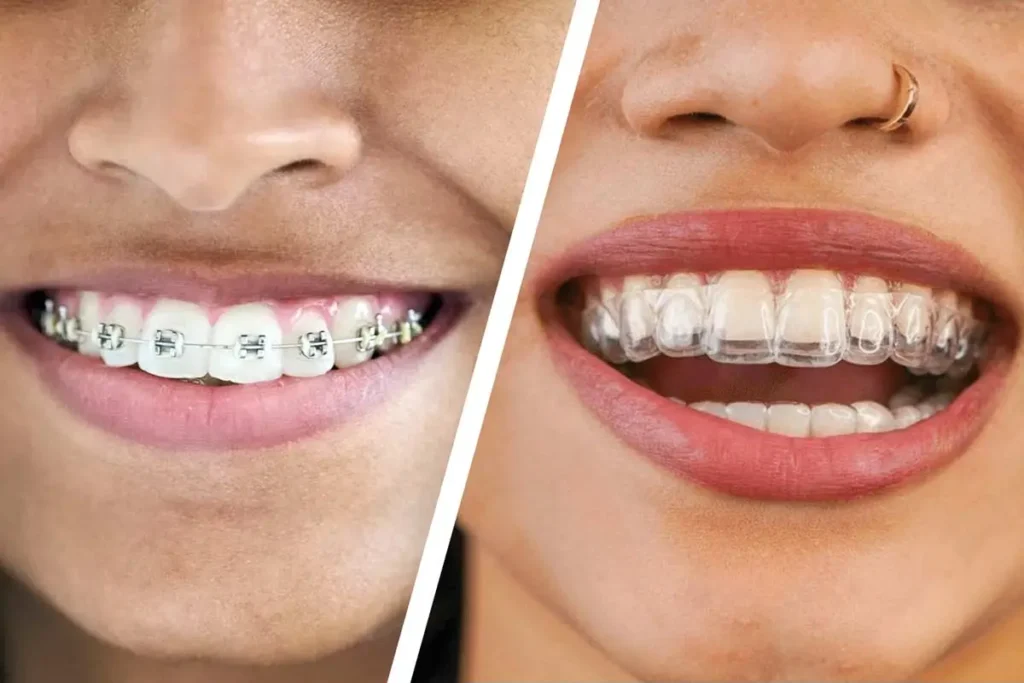
When it comes to correcting dental misalignments, Braces or Clear Aligners often become the focal point of the decision-making process. Both options promise straighter teeth and improved oral aesthetics, yet they operate through different mechanisms and offer distinct experiences. Understanding the nuances between these treatments can make the difference between an ideal smile journey and unexpected frustrations.
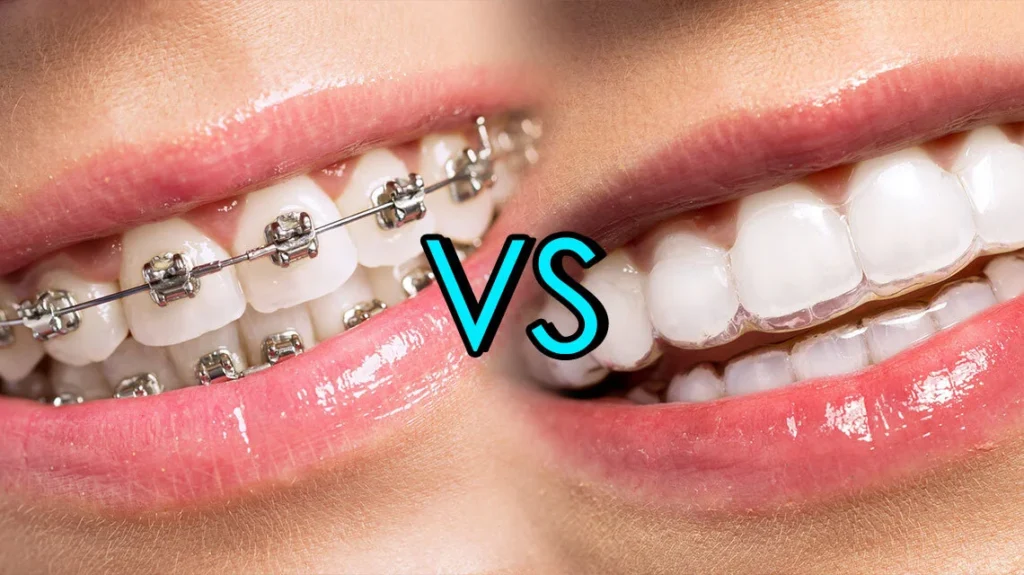
Understanding Braces or Clear Aligners : An Overview
Braces or Clear Aligners serve the same ultimate purpose: realigning teeth and improving bite function. Traditional braces consist of metal or ceramic brackets attached to the teeth, connected by wires and adjusted periodically. Clear aligners, on the other hand, are transparent, removable trays that gradually shift teeth based on a digitally planned sequence.
The main difference lies in visibility and flexibility. Braces offer constant pressure and precise control, often favored for complex dental corrections. Clear aligners appeal to those seeking discretion and the ability to remove the appliance during meals or oral hygiene routines. Both have merits and limitations, which we will explore further.
Advantages of Braces or Clear Aligners
Each orthodontic approach carries unique benefits. Understanding these can help patients make an informed choice:
- Precision and Predictability: Braces excel in handling severe misalignments, rotations, and bite discrepancies with high accuracy.
- Aesthetic Appeal: Clear aligners are nearly invisible, providing a cosmetically appealing option for adults and teens.
- Lifestyle Compatibility: Aligners allow temporary removal, reducing dietary restrictions and simplifying oral care.
- Compliance Monitoring: Braces remain fixed, eliminating concerns about patient adherence to treatment schedules.
Interestingly, studies comparing treatment outcomes indicate that both braces and clear aligners achieve similar alignment results for mild to moderate cases. Complex occlusal corrections, however, still lean toward braces due to mechanical advantages.
Duration and Efficiency: Braces or Clear Aligners
The treatment timeline is often a deciding factor:
- Braces: Typically require 18–24 months, with adjustments every 4–8 weeks.
- Clear Aligners: Average treatment spans 12–18 months but depend heavily on consistent wear (20–22 hours/day).
Patient compliance heavily influences aligner efficiency. Missing even a few hours of wear can extend treatment, while braces maintain continuous force on teeth, ensuring consistent progression regardless of patient diligence. Efficiency studies suggest that for certain malocclusions, braces may provide faster results due to controlled mechanics.
Comfort and Oral Hygiene: Braces or Clear Aligners
Comfort is a crucial factor in daily life. Braces can cause initial soreness, irritation to cheeks and gums, and require careful attention to brushing and flossing around wires. Clear aligners reduce irritation, yet frequent removal and cleaning are essential to prevent plaque accumulation and staining.
Oral hygiene considerations:
| Feature | Braces | Clear Aligners |
| Ease of Cleaning | Challenging, requires interdental tools | Simple, trays removable |
| Food Restrictions | Avoid sticky and hard foods | No restrictions |
| Gum Health | Potential irritation | Minimal irritation |
Patients who prioritize minimal disruption to lifestyle often lean toward clear aligners, whereas those committed to consistent dental hygiene may find braces manageable with proper care.
Cost Considerations: Braces or Clear Aligners
Cost varies based on complexity, material, and duration:
- Traditional braces: $3,000–$7,000
- Ceramic braces: $4,000–$8,000
- Clear aligners: $3,500–$8,000
Insurance coverage can influence affordability. Long-term value should consider treatment duration, follow-up visits, and potential need for refinements. Aligners may require replacement trays or refinements for optimal results, adding to cost over time.
Lifestyle and Appearance: Braces or Clear Aligners
Lifestyle compatibility often determines patient preference:
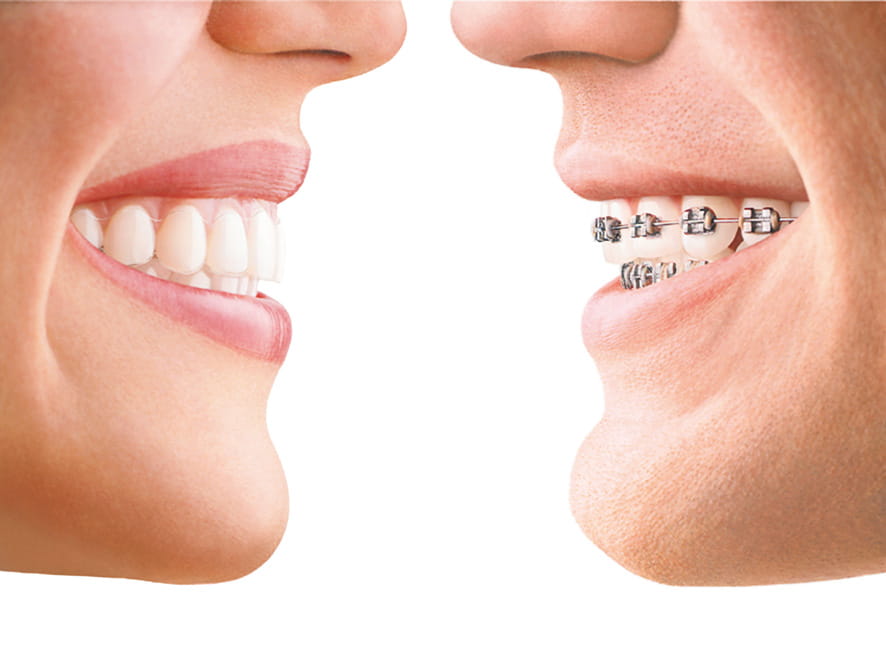
- Braces: Visible, may affect confidence in social or professional settings. Sports guards or protective gear may be needed for active lifestyles.
- Clear Aligners: Nearly invisible, offering flexibility for special occasions, photography, or public appearances.
Adults and teens who prioritize aesthetics typically select aligners, whereas patients seeking maximum correction efficiency may favor braces despite visibility.
Decision Factors for Braces or Clear Aligners
Making a choice requires considering multiple elements:
- Severity of Misalignment: Complex bite or rotated teeth often require braces.
- Age and Compliance: Adults with disciplined schedules can excel with aligners; younger patients may benefit from fixed braces.
- Aesthetic Preference: Social and professional settings may dictate discreet options.
- Budget and Insurance: Financial planning is essential for long-term satisfaction.
- Lifestyle Needs: Diet, oral hygiene, and daily activities can influence suitability.
Each patient’s situation is unique, and a consultation with an experienced orthodontist ensures the best decision.
Which is Right for You?
Deciding between Braces or Clear Aligners is not simply a matter of appearance or convenience. It is an intricate balance of treatment complexity, lifestyle compatibility, comfort, cost, and long-term dental health. Both options are scientifically validated, effective, and capable of transforming smiles. By understanding the advantages, limitations, and personal priorities, patients can make an informed, confident choice. Whether one opts for the precise control of braces or the discreet convenience of clear aligners, the path to a healthier, aligned smile is attainable.