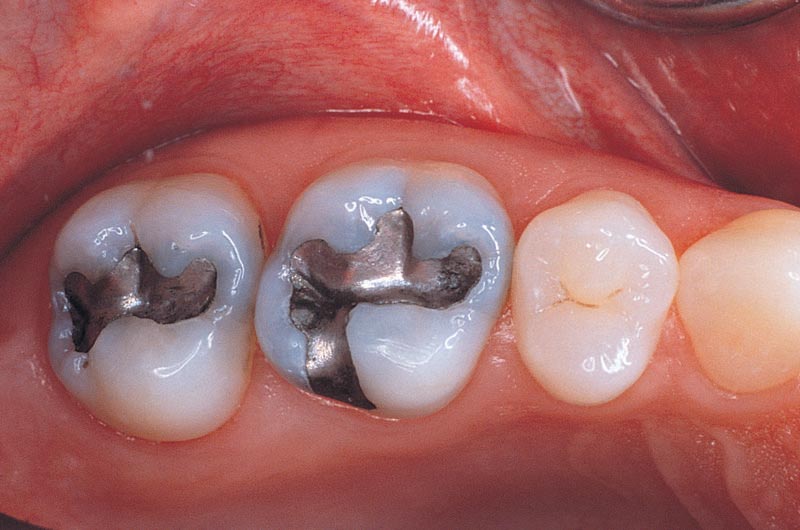
The topic of amalgam fillings often sparks curiosity because these long used dental materials sit at the intersection of science, tradition, and modern oral health discussions. Although they were standard for decades, the way people talk about them today has shifted, leading to new questions about composition, durability, and possible risks. This article explores those questions with a balanced and analytical perspective, avoiding medical prescriptions while highlighting what is known, what is debated, and what remains uncertain.
Understanding the Basic Structure of Amalgam Fillings
When discussing amalgam fillings, most people think of their metallic look and strong reputation for longevity. These restorations are created from a mixture of metals that bind to form a durable surface inside a tooth cavity. Historically, their popularity grew because the material adapted well to chewing pressure and was relatively simple to place.
Although the material seems straightforward at first glance, its internal behavior is surprisingly complex. Different metals inside the mixture expand and contract at different temperatures, influencing the way chewing forces distribute across the tooth structure. Scientists studying material science often focus on this thermal behavior to understand long term performance. Many people are unaware that these tiny fluctuations can evolve into microscopic changes over many years, raising intriguing questions about how these restorations age.
Why Amalgam Fillings Became So Popular
The rise of amalgam fillings decades ago came from a blend of practicality and cost efficiency. Dentists needed a material that could be placed quickly, withstand heavy use, and remain functional for long periods. At the time, these metal based restorations provided exactly that. They were stable even in challenging oral environments and did not require extensive preparation techniques.
The cultural perception of dental restorations has shifted since then, especially with the development of tooth colored alternatives. Yet, the historical use of amalgam still provides valuable insights into how dental materials evolve in response to scientific advancements and patient expectations. Many researchers look back on this transition as a case study in how public perception and scientific evaluation interact.
The Scientific Debate: What Makes Amalgam Fillings Controversial
Conversations around amalgam fillings often focus on their metal composition. This mix, which includes elements that raise questions, has led to decades of debate about potential health concerns. Rather than offering definitive medical claims, it is important to highlight what researchers generally examine. They analyze how materials behave under stress, how they release particles over time, and how environmental conditions might influence these processes.
One interesting area of scientific discussion involves the interface between the filling and natural tooth tissue. Over many years, microscopic gaps can form due to mechanical stress. These changes might not cause immediate problems, yet they contribute to the broader question of how restorations age and how that aging process compares with alternative materials. This is one of the reasons research on dental materials continues to expand, combining chemistry, physics, and long term observation.
How Amalgam Fillings Interact With the Oral Environment
The oral environment is far from static, which invites deeper analysis into how amalgam fillings behave over long periods. Temperature shifts from hot drinks to cold foods create cycles of expansion and contraction. Saliva introduces moisture and enzymes. Chewing generates pressure that varies based on diet and habits. All these factors interact with the metallic structure of the filling, influencing its surface texture, internal stability, and marginal edges.
Researchers examining these dynamics often highlight that each person’s oral environment is unique. For instance, someone who clenches their teeth at night exposes restorations to repetitive micro-stresses, while another person with a softer diet might experience different wear patterns. These differences contribute to the wide range of outcomes observed in long-term studies and explain why some fillings last decades while others need earlier replacement.
Potential Visual and Structural Changes Over Time
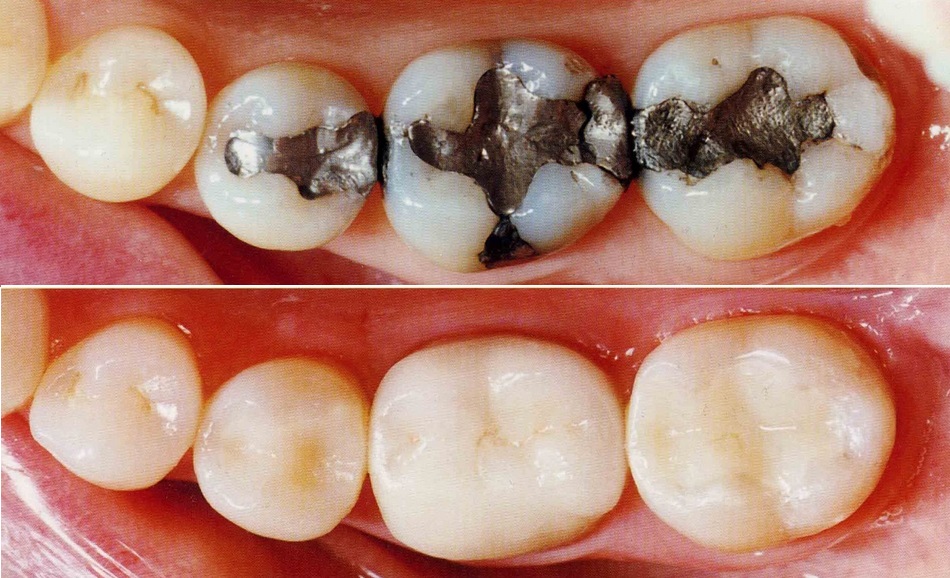
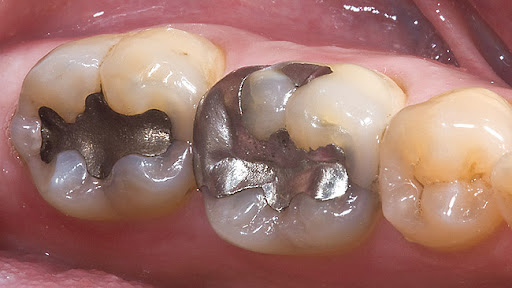
Even without direct symptoms, amalgam fillings may show subtle aesthetic or structural shifts. Their metallic nature means they can darken slightly, creating a contrast with natural tooth color. This change does not necessarily indicate failure, but it often raises questions about longevity and appearance. Some individuals become more aware of these contrasts when photographed in bright lighting or when comparing older dental work to modern cosmetic options.
Structurally, researchers sometimes focus on marginal integrity. Tiny changes at the edges of a filling can influence how well it seals the tooth. Over many years, repeated mechanical pressure can cause the surrounding enamel to appear slightly discolored or develop micro-cracks. These patterns, although small, form part of the broader scientific interest in how restorations age and how modern materials differ in their aging behavior.
Table: Common Observational Changes in Older Dental Restorations
| Observed Change | Possible Influence | Notes |
| Slight darkening | Metal oxidation | Mostly aesthetic, varies by person |
| Edge gaps | Mechanical stress | Depends on bite habits and filling age |
| Surface wear | Chewing pressure | Not always problematic |
| Tooth-metal contrast | Natural enamel shade | More noticeable in bright light |
Environmental and Scientific Discussions Around Metal Components
Debates about amalgam fillings often involve their environmental footprint as much as their personal impact. Researchers and policymakers sometimes examine how the materials behave once removed, how they interact with waste systems, and how regulations evolve in response to broader ecological considerations. This environmental angle adds another layer to the conversation, making the topic relevant beyond dentistry alone.
From a scientific perspective, the focus is typically on trace exposure pathways and material stability. Instead of firm conclusions, the discussion revolves around measurable variables: rates of surface release, how metals bind within the alloy, and how physical or chemical factors influence these processes. The complexity of these interactions makes the topic a continual subject of analysis in dental material science.
Why Some People Become Concerned About Amalgam Fillings
Public concern about amalgam fillings often arises from increased awareness of materials used in healthcare settings. As societies place stronger emphasis on transparency and safety, people naturally ask more questions about substances introduced into their bodies. Media coverage, scientific reports, and anecdotal discussions all contribute to a landscape where curiosity becomes part of routine oral health conversations.
Psychologically, humans tend to pay attention to anything metallic or artificial placed inside the body. This instinct drives the desire to understand how such materials behave over time. Even when research shows mixed outcomes, the emotional reaction can remain strong. This explains why the topic continues to surface in discussions about dental care preferences, alternative materials, and aesthetic considerations.
Modern Alternatives Compared With Amalgam Fillings
As dental materials evolve, public interest often shifts toward how newer options differ from amalgam fillings. Composite resins, ceramic restorations, and hybrid materials are frequently compared in terms of appearance, durability, and long-term behavior. These comparisons do not suggest a single perfect solution, but they highlight how rapidly dental technology changes and how patient expectations transform alongside it.
Some people prefer alternatives based on aesthetics, since composites can blend closely with natural enamel. Others focus on structural performance, exploring whether non-metal materials respond differently to temperature changes or chewing forces. Researchers continue to evaluate these developments, creating a broad spectrum of findings rather than a definitive ranking of materials.
Broader Perceptions Surrounding Dental Metals
Public perception of amalgam fillings extends beyond the dental chair. Cultural attitudes toward metals in the body, increased interest in biocompatibility, and online discussions all shape how people think about older restorative techniques. These perceptions evolve over time, influenced by generational preferences and shifts in design philosophy.
Social narratives also play a role. For instance, as cosmetic dentistry becomes more prevalent, individuals may become more sensitive to visible metallic surfaces. This cultural shift does not indicate an inherent flaw in the material but demonstrates how aesthetic norms influence personal choices. Understanding these perspectives helps explain why some people pursue replacements even when their restorations still function adequately.
Interpreting Scientific Studies About Amalgam Fillings
Scientific literature on amalgam fillings contains decades of data, but interpreting that data requires careful context. Study conditions, population differences, and research methods can produce varied results. Some investigations examine physical wear, while others analyze exposure pathways or patient-reported experiences. This diversity means that conclusions often depend on specific variables rather than universal outcomes.
For individuals trying to understand the scientific landscape, the key is recognizing patterns instead of searching for absolute answers. Many studies highlight the importance of monitoring restorations over time, while others explore how new materials might address different concerns. As with any field of health-related research, the conversation evolves continually.
The Ongoing Debate Around Harms and Safety Concerns
Concerns about potential harms associated with amalgam fillings often stem from the material’s metal mixture. Discussions frequently center on how stable the alloy remains, whether microscopic quantities can be released under specific conditions, and how the body interacts with those trace levels. Instead of presenting final judgments, scientific communities tend to evaluate these questions through ongoing research.
This ongoing dialogue reflects the complexity of the topic. Different people interpret information through personal beliefs, scientific interpretations, or cultural perspectives. As a result, public debates can become nuanced, blending factual observations with individual values. This is why conversations about safety continue even in the absence of definitive agreement.
How Dentists Evaluate Aging Restorations
When dentists assess older amalgam fillings, they often consider several factors simultaneously rather than focusing on a single sign. These factors may include structural integrity, how well the filling seals the tooth, whether surrounding enamel shows signs of stress, and whether any aesthetic concerns affect the patient’s satisfaction. Each of these elements contributes to an overall decision about whether replacement is appropriate.
Observations are also influenced by advances in diagnostic tools. Improved imaging technology, changes in restorative philosophy, and greater attention to patient preferences shape how decisions are made today compared to decades past. These evolving standards explain why some people choose to update older restorations even when they are still functional.
Long Term Cultural Significance of Amalgam Fillings
Beyond physical properties and scientific evaluations, amalgam fillings hold cultural significance as part of dental history. For many generations, they represented the standard approach to restoring decay. Their long presence in public consciousness makes them an important symbol of traditional dental care, even as modern materials gain prominence.
This historical perspective helps explain why opinions vary widely. Some individuals view the fillings as reliable and time tested, while others associate them with outdated practices due to changing aesthetic trends. The contrast between tradition and modernization keeps the conversation active, reinforcing the importance of understanding both the material and the societal context surrounding it.
A Multifaceted Understanding
In the end, the discussion around amalgam fillings is not limited to questions of safety or aesthetics. It involves material science, cultural perception, psychology, environmental considerations, and personal preference. By looking at all these dimensions, individuals gain a more complete understanding of how these restorations function within both the mouth and the wider world.
Rather than relying solely on simple comparisons or singular viewpoints, exploring the topic from multiple angles provides deeper insight. The story of this dental material continues to evolve, shaped by research, technology, and human experience.