
In the world of smile design, the most talked-about and requested application in recent years is undoubtedly the ceramic dental coating method. The demand for results that do not look artificial, are compatible with the gums, and reflect light like a natural tooth has moved ceramic technology to the center of dentistry. This modern approach, which has replaced classic metal-supported porcelains, not only resolves aesthetic concerns but can also preserve the biological balance within the mouth.
The process of ceramic dental coating is more than just choosing a white color suitable for the tooth; it is the process of analyzing the tooth’s form, surface texture, and interaction with light using digital methods. In this article, you will discover in detail why ceramic coatings are the most accurate option.
Table of Contents
What is Ceramic Dental Coating?
To answer the question of “what is ceramic dental coating” in its simplest definition: it is an aesthetic layer placed over the tooth, containing no metal, and produced entirely from specially reinforced ceramic blocks. In traditional coatings, a gray-colored metal support is placed under the tooth to increase durability. However, over time, this can cause bruising at the gum line and give the tooth an unnatural, opaque appearance.
Ceramic dental coating completely eliminates this metal infrastructure. Since the entire restoration consists of porcelain or glass-ceramic, light can pass through the coating, creating a sense of depth just like in natural tooth enamel. This application, also referred to as “full ceramic tooth” in clinical settings, is unrivaled, especially in the front tooth areas where aesthetics are critical.
Why Should You Choose Ceramic Coating?
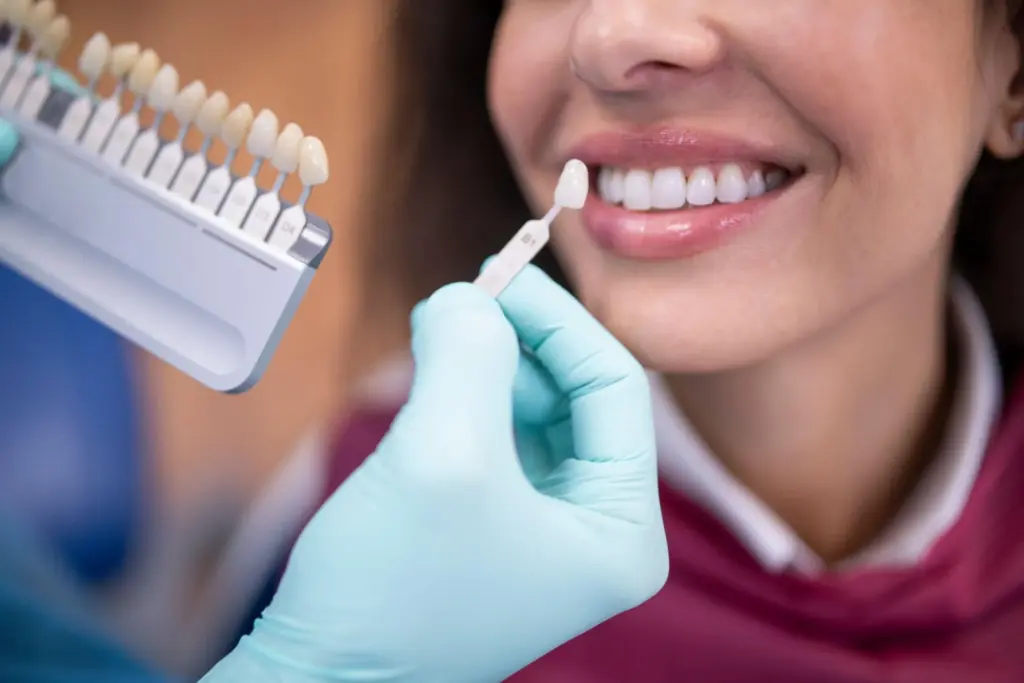
Light is the most important factor that makes a smile look vibrant. Natural tooth enamel absorbs and reflects light. Glass ceramic dental coating is the material that best mimics this physical property. Here are the main reasons to choose this method:
- Perfect Aesthetics: It is the most natural-looking coating since there is no metal reflection.
- Gum-Friendly: Ceramic is a biocompatible substance. So, is ceramic coating healthy? Yes; it does not cause allergic reactions or color changes in the gums.
- Precise Fit: Since it is produced with computer-aided (CAD/CAM) systems, its marginal fit with the tooth is near-perfect; this can minimize the risk of decay forming under the coating.
- Color Stability: It is not affected by external factors such as coffee, tea, or smoking; it can maintain its color for many years.
Differences Between Ceramic Dental Coating and Zirconium
One of the most frequent questions patients ask is: “Ceramic tooth or zirconium?” Actually, both materials are used for aesthetic purposes and contain no metal. However, some key differences determine the choice:
- Aesthetics: Ceramic coatings (especially glass-ceramics like E-max) have higher light transmittance compared to zirconium. Therefore, ceramic is generally preferred for front teeth.
- Durability: Zirconium has a much higher fracture resistance than ceramic. For this reason, zirconium may be more advantageous for teeth in the back area where chewing forces are intense or for long bridges.
- Naturalness: The difference between a ceramic tooth and a porcelain tooth essentially lies in the infrastructure. Since ceramic is produced as a block on its own, it can offer a much deeper image than the ordinary structure of porcelain.
In summary; if a single tooth in the front area is being restored, ceramic is the first choice; if multiple missing teeth in the back area are being corrected, zirconium is the preferred option.
How is Ceramic Coating Applied Step by Step?
Many patients hesitate due to uncertainty about how ceramic dental coating is performed. Although this process varies from patient to patient, it generally proceeds with the following steps:
- Examination and Planning: In the first appointment, the condition of the teeth is examined, X-rays are taken, and the patient’s expectations are noted.
- Preparation: A very thin amount of abrasion (usually between 0.5 – 1.5 mm) is made so that the coating can fit over the tooth. Since the teeth are numbed at this stage, no pain is felt.
- Impression Taking: A 3D model of the teeth is created using classic putty impressions or digital scanners.
- Temporary Teeth: Temporary coatings are fitted to prevent tooth sensitivity until the permanent coatings are prepared.
- Rehearsal and Bonding: The coatings coming from the laboratory are rehearsed. After the color and form harmony is ensured, they are fixed to the tooth with special adhesives (bonding).
How Durable Are Ceramic Coatings?
Durability is the most important factor determining the success of a restoration. The answer to the question of “how many years is the lifespan of a ceramic coating” largely depends on the patient’s oral hygiene. Clinical studies and our experiences show that a well-maintained ceramic dental coating lifespan can extend up to 15-20 years.
However, it should be remembered that ceramic is a glass-ceramic derivative. Hard impacts that could damage your natural tooth (breaking nuts with teeth, opening bottle caps, etc.) can also damage ceramic coatings. Although these restorations are very resistant to pressure, one should be careful against shearing forces.
What Should Those Who Have Ceramic Dental Coating Pay Attention To?
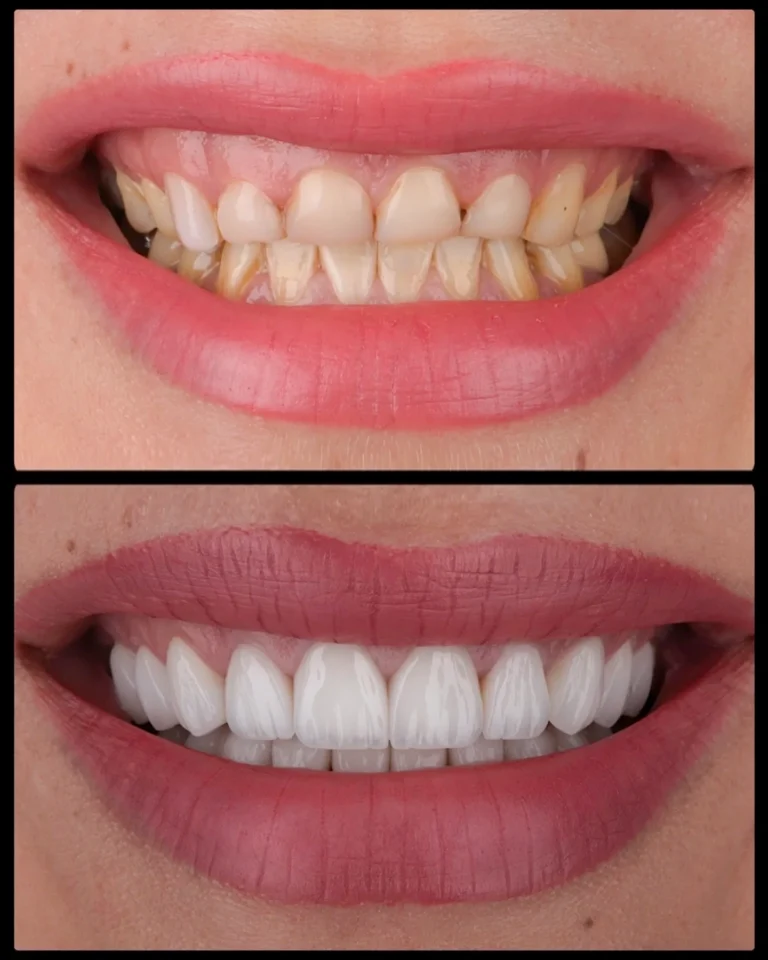
After the treatment is completed, it is important to follow these simple rules to protect your smile:
- Regular Brushing: Brush your teeth at least twice a day with a soft brush.
- Flossing: Cleaning the interfaces where the coatings meet the tooth is critical for gum health.
- Night Guard: If you clench your teeth while sleeping, you must use a night guard to protect your coatings.
- Check-ups: Routine dentist check-ups twice a year allow us to monitor the health of the teeth under the coatings.
Ceramic Dental Coating Prices 2026
Ceramic dental coating prices vary according to the brand of the block used, the detail of the laboratory workmanship, and how many teeth the application will be applied to. As of 2026, exchange rates and technological costs affect prices. However, getting a ceramic coating is not just an aesthetic expense, but an investment in the long-term health of your teeth.
FAQ
Does ceramic dental coating change color over time?
No. The surface of ceramic coatings is polished and smooth. Since they have a non-porous structure, they do not absorb stains from coffee, tea, or cigarettes. With regular brushing, they can maintain their first-day color.
Which teeth can receive ceramic coating?
It is generally used on front teeth where aesthetics are at the forefront, premolars, and in short bridge applications. However, in areas with very long gaps or on the backmost teeth where very intense chewing force is applied, zirconium or chrome ceramic dental coating tooth alternatives can be evaluated.
What is the lifespan of ceramic dental coating?
The clinical success rate is very high. If the patient pays attention to oral hygiene and attends routine check-ups, it can be used comfortably for over 15 years.
Can ceramic dental crowns cause bad breath?
Since ceramic does not contain metal and the marginal fit with the tooth is digitally adjusted to the millimeter, it does not cause food accumulation. Therefore, properly maintained ceramic coatings do not cause odor.