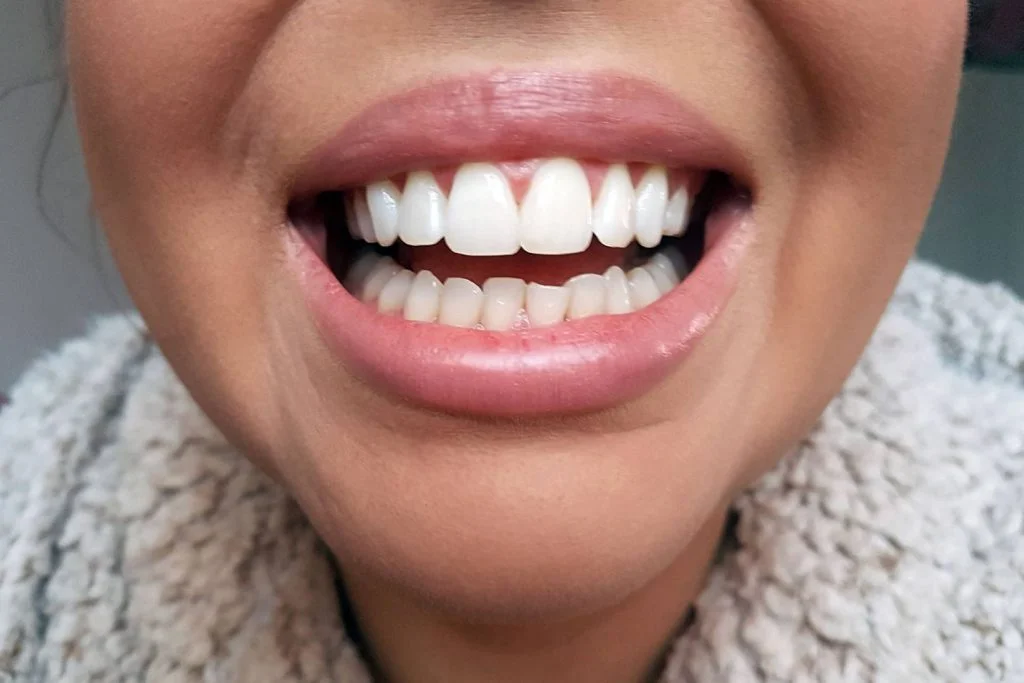
In modern dentistry, aesthetics go beyond mere visual improvement; it is a process of preserving tissue integrity and functional balance. Teeth shaping is a minimally invasive discipline applied to correct asymmetries and formal irregularities in the smile line.
Performed within the biological limits of the tooth enamel, the process of teeth shaping aims to create a character harmonious with the overall morphology of the face. In the Livera approach, this application is not a simple filing process but a micro-aesthetic engineering where the natural form of the tooth is rediscovered.
Table of Contents
What is Teeth Shaping and How is it Clinically Defined?
Often referred to in medical literature as “tooth recontouring” or “odontoplasty,” this procedure involves selective shaping of the outermost layer of the tooth—the enamel. Many patients ask, “What is teeth shaping?” Effectively, it is the process of achieving perfect harmony with facial features by rearranging the shape, length, or surface structure of teeth through minute abrasions or aesthetic additions.
The primary goal in this process is to eliminate micro-defects that disrupt aesthetic perception without risking the structural integrity of the tooth. Within the discipline of cosmetic dentistry, these interventions—sometimes as small as a tenth of a millimeter—can transform a patient’s entire facial expression.
How is Teeth Shaping Done? Biological and Technical Process
The success of the application depends on respecting the biological limits of the tooth’s hard tissues. When examining “how is front teeth shaping performed” or “how to fix tooth shape” from a clinical perspective, the process follows these stages:
- Digital Smile Design and Planning: Before any intervention, the patient’s smile is simulated digitally. This stage involves the mathematical calculation of how much material will be removed or added.
- Enamel Analysis: The enamel thickness in the target area is evaluated. Following a minimally invasive approach, only superficial corrections are planned to avoid approaching the living tissue (dentin/pulp).
- Micro-Shaping: The cutting edges and corners of the teeth are reformulated using specialized abrasives. During this stage, chewing functions and bite balance are constantly monitored.
- Surface Integrity and Polishing: After shaping, the enamel surface is smoothed to return it to its natural texture and luster.
When Should Teeth Shaping Be Preferred?
Teeth shaping often acts as a “complementary” treatment in cases where orthodontic treatment is not required but visual harmony is lacking. It may be preferred for:
- Smoothing jagged edges caused by wear and tear.
- Softening canines or incisors that are overly sharp or angular.
- Correcting the visual “chaos” created when one tooth appears longer than another.
- Aesthetically camouflaging small, non-traumatic cracks that develop over time.
Teeth Shaping Procedures
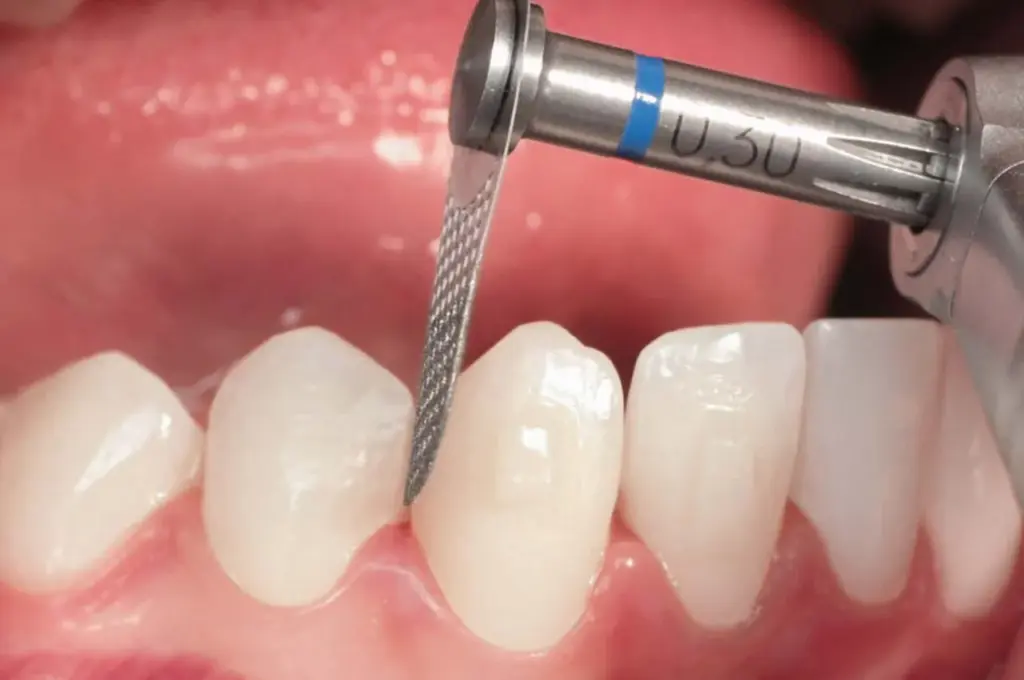
Teeth shaping is a treatment protocol tailored to the patient’s needs rather than a single technique. While some cases only require removing excess form, others may require additions. Core methods include:
Tooth Contouring (Filing)
Tooth contouring is the most common micro-aesthetic method used to remove irregularities, burrs, or slight asymmetries at the tips of the teeth. By removing a very thin layer from the outermost enamel, the tooth’s contour is redrawn. Usually requiring no anesthesia, this is preferred for softening sharp corners and harmonizing the smile line.
Tooth Reduction
Tooth reduction is a method used to provide balance when one tooth is significantly larger or longer than the others. This millimetric intervention, performed according to clinical analysis without damaging the functional structure, increases overall symmetry. It can also be used to regulate contact points or prepare the surface before aesthetic veneers.
Composite Bonding
Teeth shaping performed by adding biocompatible materials to the tooth instead of removing parts is called composite bonding. This method is used to close small gaps (diastemas), repair broken tips, or extend tooth length. By applying and curing special resins layer by layer to match the natural tooth color, this technique provides aesthetic results with minimal intervention.
Advantages and Effects of Teeth Shaping
Teeth shaping is frequently preferred by both patients and dentists due to its various benefits:
- Speed: Final results are usually achieved in a single session.
- Painless: Since there are no nerve endings in the enamel layer, it is a comfortable procedure.
- Naturalness: Because the tooth’s own tissue plays the leading role, the risk of an “artificial” look is minimal.
Note: In rare cases where the enamel layer is very thin, temporary sensitivity may occur. The experience of the dentist is vital for correct case selection.
What is Gum Contouring?
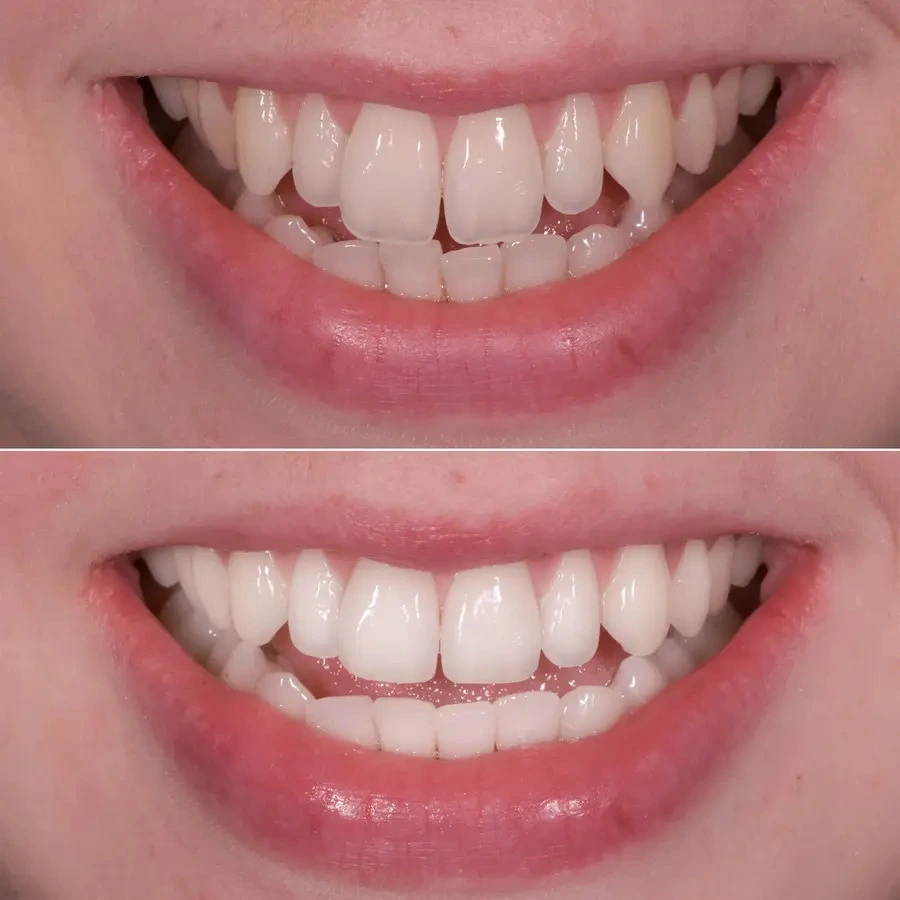
For an aesthetic smile, how the gums frame the teeth is just as important as the shape of the teeth themselves. Gum contouring is also known as “pink aesthetics.” Laser gum contouring is a popular modern choice as it is bloodless and offers rapid healing. This procedure makes the teeth appear more prominent and completes the symmetry of the smile line.
Post-Treatment Care: What to Watch Out For
Following teeth shaping, adhering to specific care rules is critical for maintaining the aesthetic form and the adaptation of the tooth tissue.
Sensitivity Management and Nutrition
- Temperature Balance: Extreme hot or cold drinks may cause momentary tingling. Opting for room-temperature foods increases comfort during the first 48 hours.
- Staining Foods: If composite bonding was used, the material has a potential for staining. Avoid highly pigmented foods like coffee, tea, red wine, or dark sauces for the first few days.
- Avoiding Hard Foods: Do not stress the shaped tooth tips with hard substances like nutshells, ice, or hard candy.
Oral Hygiene and Habits
- Gentle Brushing: Use a soft-bristled toothbrush and low-abrasive toothpaste to avoid irritating the gums or newly shaped enamel.
- Parafunctional Habits: Habits like teeth grinding (bruxism), nail-biting, or chewing on pens can lead to micro-fractures. If these habits exist, using a night guard can prolong the life of the restoration.
Frequently Asked Questions
Does teeth shaping hurt?
No. Since the procedure is performed on the dental enamel where there are no nerves, it is painless. You may only feel a slight vibration during the contouring process.
Is tooth filing and shaping harmful?
If performed by an expert dentist within the limits of the enamel, it is not harmful. However, if done incorrectly, it can lead to sensitivity. Professional application is critical.
How much does teeth shaping cost in 2026?
Prices vary depending on the number of teeth, the method used (contouring vs. bonding), and the dentist’s expertise. A total cost is determined after a physical examination.
How long does bonding last?
Bonding materials are quite durable. With good oral care and regular check-ups, they can last between 5 to 10 years. They can be easily repaired or repolished if wear occurs over time.
Does tooth filing cause decay?
No; on the contrary, smoothing out rough or jagged tooth edges can make it harder for bacterial plaque to adhere, contributing to better oral hygiene.