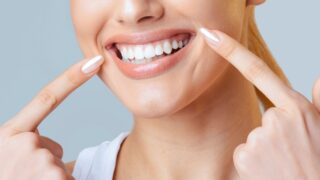
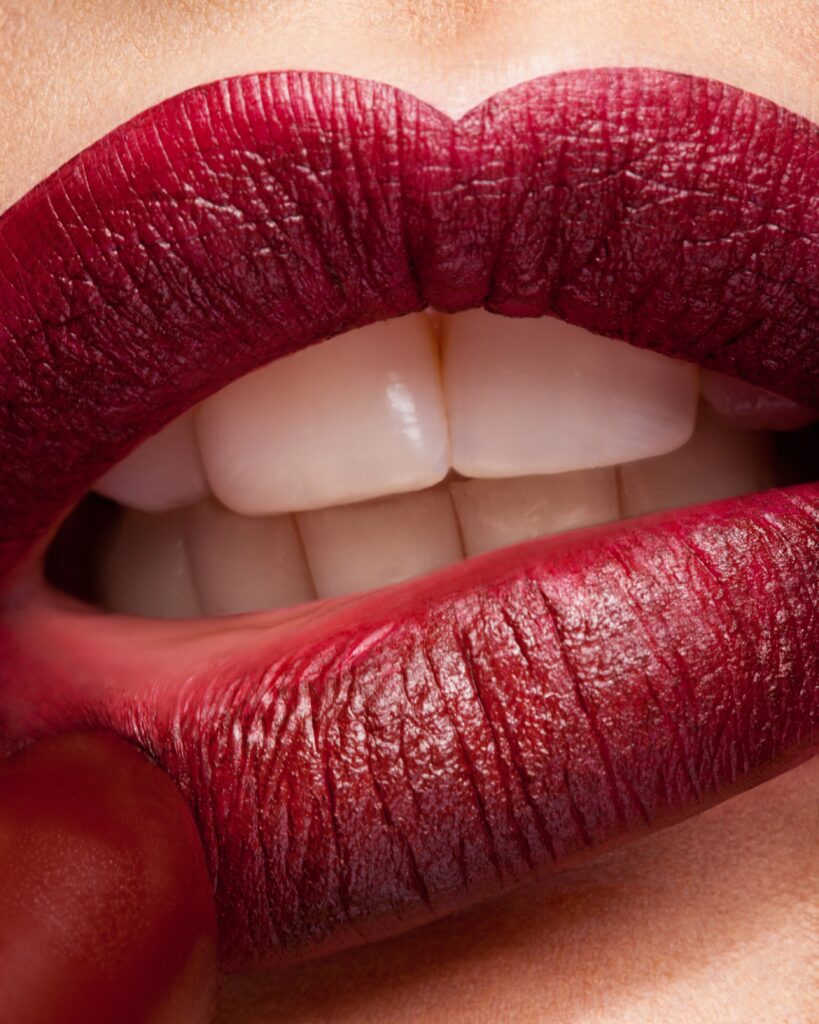
For many people who are curious about dental implants, the first question is not about surgery, bone or healing. It is, very simply: “Will everyone see them when I smile?” The idea of replacing a missing tooth is comforting, but nobody wants a solution that looks obviously artificial.
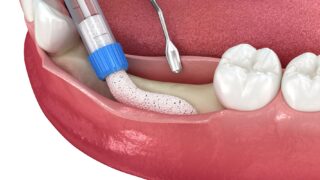
You will see that in most well‑planned cases dental implants are designed to be almost indistinguishable from natural teeth. But “almost invisible” depends on many subtle factors: gum shape, bone structure, bite pattern, even the way light hits enamel and ceramic. Understanding these details can help you ask better questions, compare treatment options and feel more in control of your smile journey. This process involves alveolar ridge (the bony ridge that supports the teeth).
How Do Dental Implants Work Aesthetically?
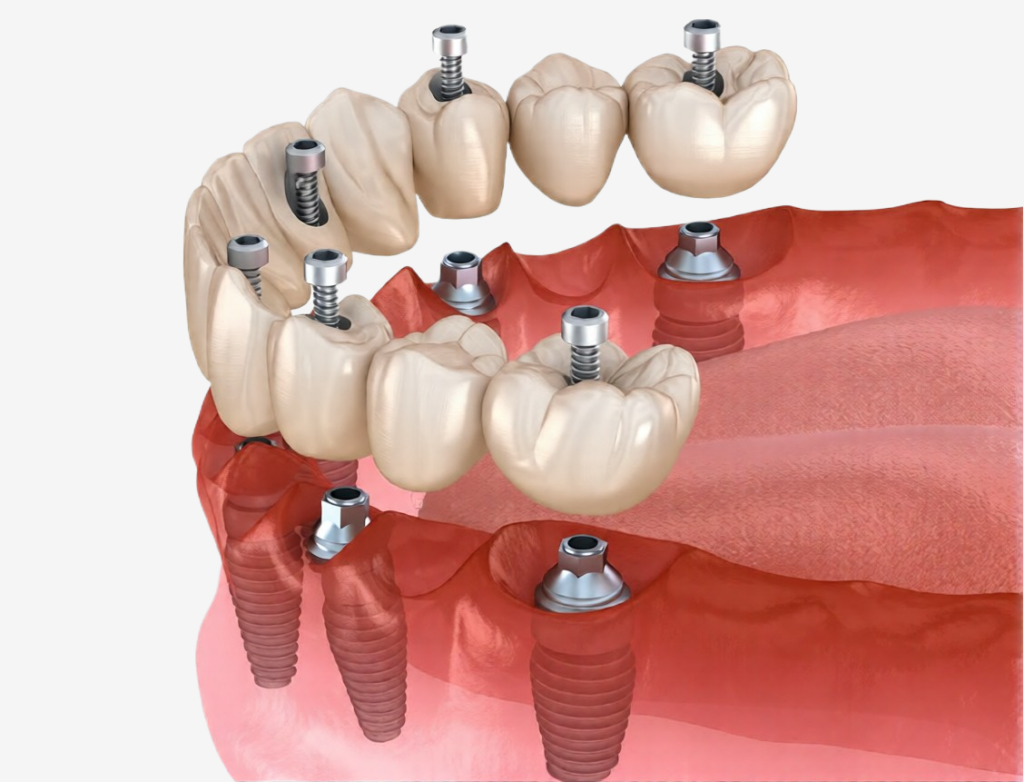
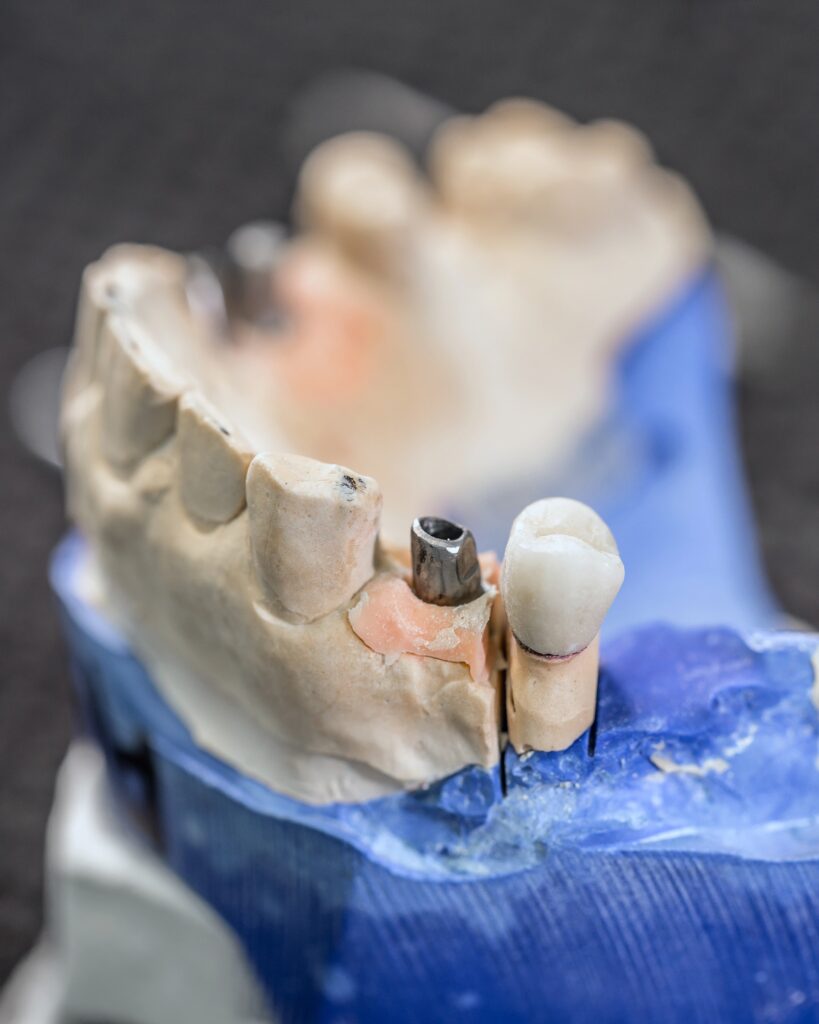
From an aesthetic point of view, dental implants are more than screws in bone. An implant case usually has three main elements:
- The titanium or zirconia fixture placed in the jawbone
- The abutment that connects the fixture to the visible part
- The crown that you actually see in the mouth
Only the crown should be visible when you smile. The other two parts are hidden below the gumline, where they function like a natural root system. When you see a well‑done implant restoration, what you are really seeing is a carefully shaped porcelain or zirconia crown that mimics the surrounding teeth in color, shape and surface texture.
Clinicians who work with dental implants often describe the aesthetic challenge as “imitating nature under difficult conditions.” The missing tooth area may have lost bone or gum volume, which changes how the light and shadow fall in that part of the smile. Implant dentistry tries to rebuild not just the tooth, but also the supporting architecture so that the entire region looks symmetrical and harmonious, supported by advanced titanium alloy.
When Are Dental Implants Noticeable in a Smile?
Even though the goal is invisibility, some dental implants can look noticeable in certain situations. This does not necessarily mean the treatment has failed, but it may look less natural than expected. A few common reasons include:
- Crown color that does not match the neighboring teeth
- Gums that have receded, revealing the implant margin
- A metallic “shine‑through” in very thin gum tissue
- Differences in tooth length, width or alignment
Interestingly, visibility is not just about the implant itself. It is also about the person’s smile style. Some people show only their lower teeth when they smile. Others display almost all of their upper gum (“gummy smile”). The more gum that is visible, the more demanding the aesthetics of dental implants become, especially in the front upper jaw, supported by advanced delayed loading.
Dentists often talk about the “esthetic zone,” typically the upper front six teeth. Implants placed in this region are where small deviations are most easily noticed by the human eye. Further back in the mouth, tiny differences in shade or gum contour are less likely to be visible, simply because they fall outside the main focus area of the smile.
Factors That Affect the Visibility of Dental Implants
Not all dental implants are equally easy to hide. Several biological and technical factors interact to determine the final look. Many of these are assessed before treatment even begins.
1. Gum Thickness and Biotype
People naturally have different types of gum tissue. A “thick” biotype tends to be denser and more resistant to recession, while a “thin” biotype can be more translucent and fragile. Thin gums may sometimes allow a grayish hue of metal components to appear, especially in very bright light.
In cases where gum thickness is limited, some clinicians prefer specific implant designs, white zirconia abutments, or additional soft tissue procedures. The idea is to reduce any risk that dental implants will show through the gum line or appear darker than neighboring teeth.
2. Bone Volume and Shape
When a tooth is lost, the surrounding bone often shrinks over time. This can flatten the natural curvature that supports the gums. If the bone is significantly reduced, the gum can look “collapsed,” creating black triangles or uneven tooth lengths around dental implants.
Some treatment plans include bone grafting or contouring procedures to rebuild this foundation. The goal is not just strength, but also form. A well‑shaped ridge supports the gum in a more natural position, which in turn supports a lifelike emergence of the implant crown from the tissue.
3. Crown Design and Porcelain Aesthetics
In aesthetic dentistry, the crown on dental implants is a small piece of customized optical engineering. Key features include:
- Shade and translucency matching the adjacent teeth
- Surface texture that reflects light similarly to enamel
- Correct proportion in length and width
- Natural‑looking contact points with neighboring teeth
If the patient’s natural teeth have unique features – small white spots, slight rotations, or a particular gloss – a skilled lab technician may intentionally incorporate similar nuances. Paradoxically, perfect uniformity can sometimes look more artificial than carefully designed imperfection.
Front Teeth vs Back Teeth: Where Do Dental Implants Show More?
The position in the mouth strongly affects whether dental implants catch attention. Front teeth are almost always under visual scrutiny, while back teeth mainly contribute to chewing and only appear in wide smiles or laughter.
Front (Anterior) Teeth
In the front, the human eye is extremely sensitive to tiny asymmetries. We subconsciously notice:
- Small differences in gum height
- Slight changes in tooth angle
- Variations in brightness or translucency
That is why anterior dental implants require especially careful planning. The color of the underlying abutment, the depth of implant placement, and the contouring of the gums all influence the final appearance. Even the position of the midline (the imaginary line between the two central incisors) can make or break the natural impression.
Back (Posterior) Teeth
In the premolar and molar regions, the functional aspects of dental implants tend to dominate. Patients often focus more on comfort and chewing efficiency than on aesthetics. That said, in individuals with very broad smiles, a poorly matched crown far back in the mouth can still be visible, particularly in photographs.
Because of their location, back teeth implants may offer more flexibility in materials or design. A slightly different shade or occlusal shape is less likely to stand out, which can simplify decision‑making in some situations.
Modern Materials and Techniques That Make Dental Implants Look Natural
One reason dental implants are increasingly popular is the rapid evolution of biomaterials and digital planning. The visual realism achievable today is very different from early generations of implant restorations.
Advanced Materials
Several modern material combinations are used to make implant crowns blend in:
- Titanium fixtures with ceramic or titanium abutments
- Zirconia abutments for better color in the esthetic zone
- Porcelain or monolithic zirconia crowns customized to shade
Zirconia components, being naturally white, can be especially helpful under thin or translucent gums. This can reduce the risk of a gray margin and help dental implants look more like they are emerging from natural tissue rather than from metal.
Digital Planning and Guided Placement
Digital workflows have also transformed how implants are positioned. 3D imaging and planning software allow clinicians to virtually place the implant in relation to bone, gums and the future crown. This “prosthetically driven” approach starts with the desired final tooth shape and works backwards.
By planning the angle and depth in advance, the team can optimize where the crown will emerge, how it aligns with the bite, and how it supports the gum contour. Many dental implants today are placed with surgical guides designed on computers, which can increase precision and predictability.
For readers interested in technical overviews, organizations such as the International Team for Implantology and journals like the Clinical Oral Implants Research periodically publish research about these digital protocols and their aesthetic outcomes.
Can People Tell the Difference Between Implants and Natural Teeth?
A frequent concern is whether friends, coworkers or even dentists can easily spot dental implants. Studies in dental literature often use “esthetic scores” rated by both professionals and laypeople. The general pattern suggests that when implants are carefully integrated, many non‑experts cannot reliably distinguish them from real teeth in photographs. This process involves immediate loading (placing a temporary tooth on the same day as implant surgery).
However, real‑life perception is more complex. People see smiles in motion, under variable lighting and from different angles. They may notice:
- Repeated reflection patterns on ceramic surfaces
- Differences in how the tooth edges wear over time
- Subtle changes in gum contour when talking or laughing
This does not necessarily mean dental implants look “fake,” but simply that trained eyes may detect that a restoration is present. For most patients, the more important question is practical: “Do I feel confident when I smile, speak, or eat in social situations?”
Clinically, many teams aim for what could be called “social invisibility.” That is, in daily interactions at normal distances, the implant‑supported tooth does not draw attention or invite questions. Only very close examination, often by dental professionals, might reveal the presence of a prosthetic component.
How Lighting, Photography and Aging Affect Implant Visibility
Visibility of dental implants is dynamic. It can change with lighting conditions, camera settings, and even the aging of surrounding natural teeth.
Lighting and Photography
Flash photography, studio lights, or strong sunlight can exaggerate small color and translucency differences. A tooth that looks perfectly integrated under normal indoor lighting might appear slightly different in high‑contrast photos. This effect is not unique to implants; it also occurs with veneers, crowns, and even teeth that have been whitened.
Some patients notice their implant tooth more in selfies or professional photos than in the mirror. This can be related to:
- The angle of light relative to the tooth surface
- Camera white balance and color correction
- The level of zoom and focus on the smile
Because of this, some practitioners who work frequently with aesthetic dental implants may use photography during the design phase to anticipate how the restoration will look in real‑world images.
Aging of Teeth and Gums
Natural teeth gradually change color over time due to diet, habits and enamel wear. Gums can also recede slightly with age, which modifies smile dynamics. An implant crown, however, does not age in the same way. Its shade remains relatively stable.
Over the years, this difference can make dental implants stand out if surrounding teeth become darker or more translucent. In some cases, people decide to adjust the color of their natural teeth, or replace an older crown, to maintain harmony across the entire smile.
Psychological and Social Dimensions of “Visibility”
The visibility of dental implants is not just optical; it is also psychological. Two people with similar results can feel very differently about how obvious their implant is. Personal history, prior dental experiences and self‑image all play a role.
Some individuals feel a sense of relief simply from having a functional tooth in place, regardless of minor aesthetic differences. Others are highly attuned to every detail and may focus on a slight asymmetry that most observers would never notice. This is where open communication with the dental team can help align expectations and technical possibilities, supported by advanced sinus augmentation.
From a social perspective, many people find that once they are used to their dental implants, the anxiety about being “found out” gradually diminishes. Daily activities like eating in public or smiling in photos become more automatic, and the mind redirects attention elsewhere. The implant transitions from something new and “visible” in the person’s self‑perception to just another part of their mouth, supported by advanced bone density.
Comparing Dental Implants with Bridges and Dentures in Terms of Visibility
When people evaluate dental implants, they often compare them with other options such as fixed bridges or removable dentures. Visibility and natural appearance are important elements in this comparison.
Fixed Bridges
A traditional bridge uses adjacent teeth as supports. Because the restoration is bonded over these teeth, it can sometimes create slightly bulkier contours at the gumline. Over time, if the bone under the missing tooth area shrinks, a small gap can appear between the bridge and the gum.
Compared to some bridges, well‑contoured dental implants can offer a more natural emergence profile, especially when the bone and soft tissue are carefully managed. However, bridges do not include a metal fixture in the bone, which means there is no implant body that might show through thin tissue.
Removable Dentures
Removable partial dentures often have metal clasps or acrylic components that may be visible when talking or laughing. They can also move slightly under function, which some people interpret as “looking false,” even from a distance.
Implant‑supported solutions, whether single crowns or full‑arch prostheses, are designed to be fixed in place. This stability can contribute to a more natural look and feel. At the same time, removable options can sometimes allow more gum‑like acrylic in areas where bone is severely resorbed, which influences how lips and cheeks are supported.
For readers seeking broader context on tooth replacement, professional organizations like the American College of Prosthodontists provide general educational materials on the aesthetics of different prosthetic options.
How Livera Clinic Approaches Aesthetic Planning with Dental Implants
Livera Clinic, like many modern centers focusing on dental implants, typically emphasizes a multidisciplinary and patient‑centered approach rather than viewing implants as purely mechanical devices.
Treatment planning often involves:
- Detailed photographic and radiographic analysis
- Evaluation of smile line, lip mobility and gum display
- Discussion of expectations regarding color, symmetry and overall look
The team may work closely with dental technicians who specialize in cosmetic ceramics. Instead of simply ordering a “tooth‑colored crown,” they try to replicate the fine details that make each smile unique. This may include the way light scatters on the incisal edge, micro‑texture on the enamel, or the gradient of translucency from gumline to tip.
By approaching dental implants as part of a larger facial appearance rather than isolated objects, the goal is to reduce their “visibility” not only technically but also in the person’s self‑perception.
Are Dental Implants Visible When You Smile?
Whether dental implants are visible when you smile depends on a network of factors: gum thickness, bone structure, crown design, light conditions and personal expectations. Modern materials and digital planning have significantly improved the ability to create implant‑supported teeth that blend with their surroundings, especially in the hands of experienced teams, supported by advanced dental prosthesis.
In many everyday situations, well‑executed implants can become socially invisible; people around you simply see a complete, functional smile. At the same time, it is realistic to recognize that no restoration is identical to a natural tooth in every detail, under all lighting and photographic conditions.
For anyone considering dental implants, understanding these nuances can be empowering. It allows more informed questions, clearer priorities and a more collaborative relationship with the clinicians involved. Livera Clinic’s role in this process is to help patients navigate the technical complexity in a way that ultimately supports something simple: feeling comfortable with the way their smile looks, whether in the mirror, across a table, or in a photograph that will be kept for years. This process involves osseointegration (the biological process where bone tissue fuses directly with the titanium implant surface).