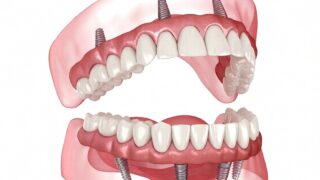
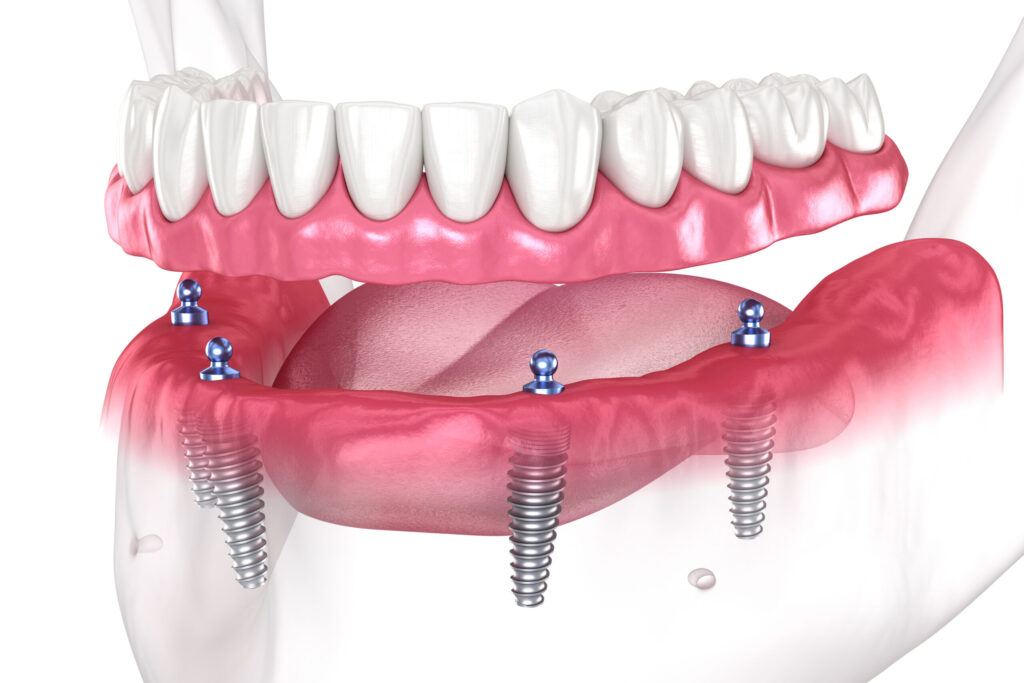
Bone Loss is one of the most common concerns among patients who are considering dental implants. Many people who have been told they have insufficient jawbone immediately assume that implants are no longer an option. At Livera Clinic, we often meet individuals who believe that Bone Loss automatically means living with removable dentures for life. Yet modern dentistry tells a more nuanced story, supported by advanced titanium alloy.
Dental science has evolved dramatically over the past two decades. Today, the relationship between Bone Loss and implant placement is better understood than ever before. With advanced imaging technologies, regenerative techniques, and individualized treatment planning, solutions may exist even in cases that once seemed impossible. This process involves abutment (the connector piece between the implant and the crown).
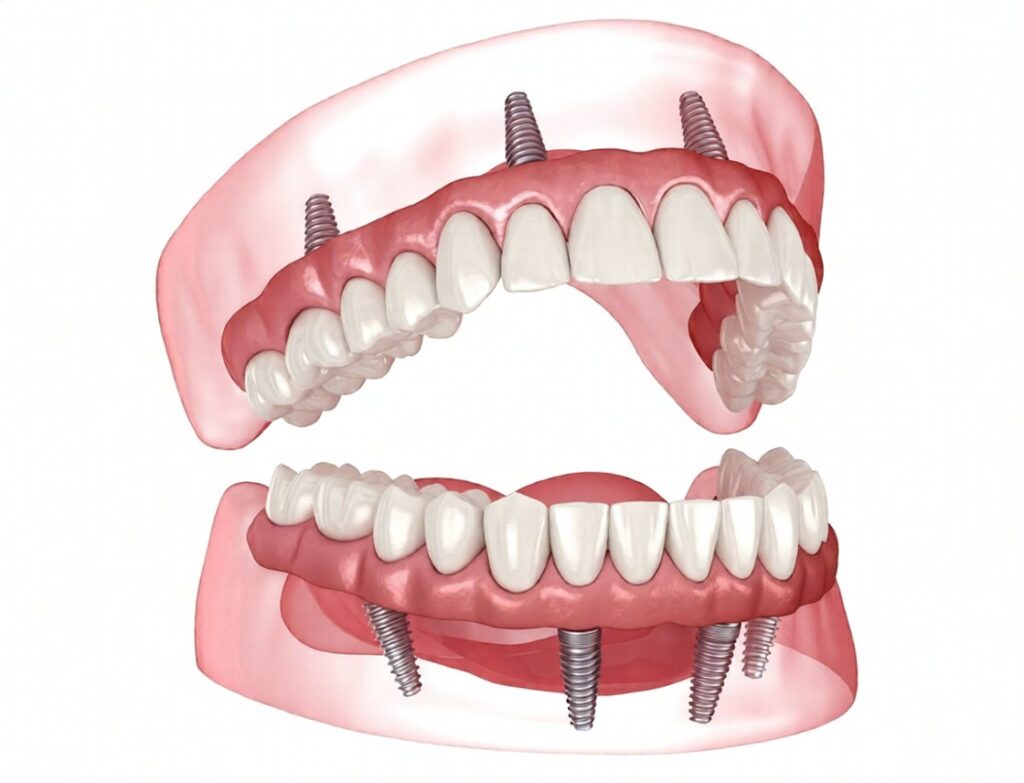
Understanding Bone Loss: Why Does It Happen?
Bone Loss in the jaw does not occur randomly. It is usually the result of biological processes triggered by tooth loss, periodontal disease, trauma, infection, or long-term denture use. The jawbone functions like muscle when stimulated, it remains strong; when unstimulated, it gradually resorbs. This process involves endosteal implants (implants placed directly into the jawbone).
When a tooth is lost, the surrounding bone no longer receives mechanical stimulation from chewing forces. Research shows that measurable Bone Loss can begin within the first year after extraction. Over time, this process may lead to thinning of the alveolar ridge, changes in facial structure, and difficulties in placing implants, supported by advanced dental prosthesis.
Other contributing factors include:
- Advanced periodontal disease
- Chronic inflammation
- Smoking and systemic conditions
- Genetic predisposition
- Long-term removable prosthesis use
Understanding the cause of Bone Loss is crucial because treatment planning depends not only on how much bone is missing, but why it was lost in the first place.
How Bone Loss Affects Dental Implant Stability
Dental implants rely on a biological process called osseointegration. This is the fusion between titanium implant surfaces and surrounding bone tissue. When Bone Loss reduces bone density or volume, achieving stable osseointegration can become more complex.
However, complexity does not necessarily mean impossibility. Modern implant systems are designed with varied lengths, diameters, and surface treatments to adapt to different bone conditions. In cases of moderate Bone Loss, shorter or narrower implants may be considered.
Below is a simplified comparison of bone conditions and potential implant considerations:
| Bone Condition | Possible Approach | Considerations |
| Mild Bone Loss | Standard implants | Careful imaging required |
| Moderate Bone Loss | Short implants or angled placement | Detailed planning essential |
| Severe Bone Loss | Bone grafting or sinus lift | Multi-stage treatment may be needed |
Each case requires three-dimensional imaging such as CBCT scans. At Livera Clinic, digital planning tools allow for precise mapping of bone structure, minimizing guesswork and enhancing predictability.
Modern Solutions for Patients with Bone Loss
One of the most significant advances in implant dentistry is regenerative therapy. Patients with Bone Loss may benefit from procedures designed to rebuild lost bone volume before implant placement.
Common approaches include:
- Bone Grafting: Autogenous, allogenic, or synthetic materials may support regeneration.
- Guided Bone Regeneration (GBR): Barrier membranes help direct bone growth.
- Sinus Lifting: Frequently used in upper jaw cases with posterior Bone Loss.
- Zygomatic Implants: Anchored in cheekbone structures when upper jaw Bone Loss is extensive.
Scientific literature suggests that bone grafting procedures have high success rates when carefully planned. However, outcomes depend on systemic health, smoking habits, and oral hygiene.
Interestingly, studies also show that controlled mechanical stimulation after healing may encourage bone remodeling. This highlights the dynamic nature of Bone Loss it is not always irreversible.
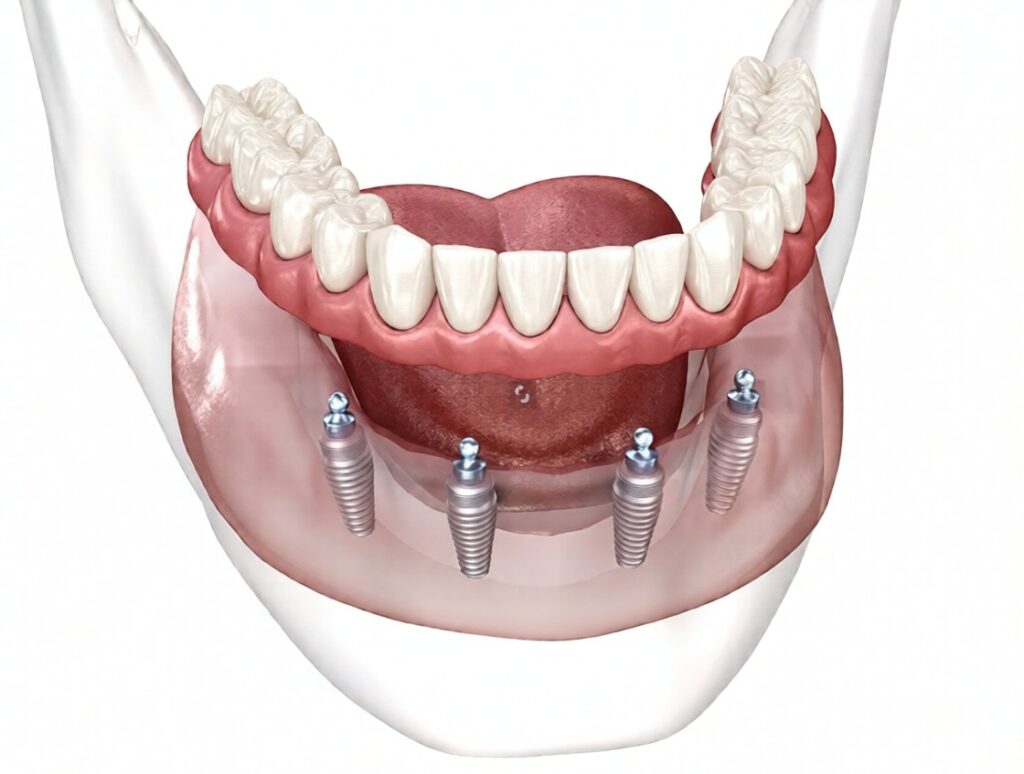
Is Bone Loss Always a Barrier to Implants?
The short answer: not necessarily. While severe Bone Loss may require additional procedures, it rarely represents an absolute contraindication in healthy individuals.
Dental research increasingly emphasizes individualized evaluation rather than blanket exclusion. Factors that influence decision-making include:
- Bone density quality
- Anatomical limitations
- General health status
- Patient expectations
- Long-term maintenance capacity
At Livera Clinic, a multidisciplinary perspective is often applied. Radiographic evaluation, digital simulation, and prosthetic planning are integrated before any decision is made. This structured approach ensures that cases involving Bone Loss are analyzed comprehensively rather than superficially. This process involves immediate loading (placing a temporary tooth on the same day as implant surgery).
It is also worth noting that age alone is not a decisive factor. Bone metabolism differs among individuals, and chronological age does not always correlate directly with Bone Loss severity.
Scientific Insights: What Research Suggests About Bone Loss and Implants
Clinical studies over the last decade have provided encouraging data. Research published in peer-reviewed implantology journals suggests that patients with controlled Bone Loss who undergo regenerative procedures can achieve survival rates comparable to those without significant bone reduction, supported by advanced implant-supported denture.
However, these findings often emphasize careful case selection. For example:
- Smokers with advanced periodontal Bone Loss may face higher complication rates.
- Patients with untreated systemic diseases may experience delayed healing.
- Proper post-operative care significantly influences outcomes.
One meta-analysis comparing short implants to grafted sites found similar medium-term survival rates. This indicates that innovative implant designs may sometimes reduce the need for extensive augmentation in cases of moderate Bone Loss.
Such findings demonstrate how evidence-based dentistry continues to reshape assumptions.
The Psychological Impact of Bone Loss and Tooth Loss
Beyond biology, Bone Loss carries emotional and social dimensions. Facial changes due to jawbone resorption can affect self-esteem. Difficulty chewing may influence nutrition and quality of life.
Patients often describe feeling prematurely aged because progressive Bone Loss alters facial contours. This psychological component underscores why comprehensive consultation is essential. Implant planning is not merely mechanical it involves understanding the patient’s expectations and lifestyle, supported by advanced delayed loading.
At Livera Clinic, treatment discussions include visual simulations that help patients see potential structural outcomes. Transparency in planning helps reduce anxiety and builds realistic expectations, especially in cases involving moderate to advanced Bone Loss.
Preventing Further Bone Loss After Implant Placement
Implants themselves can play a protective role. By restoring functional chewing forces, they may help stimulate surrounding bone tissue. While implants do not “cure” Bone Loss, they can contribute to maintaining existing bone levels when properly integrated.
Preventive strategies often discussed in clinical literature include:
- Maintaining meticulous oral hygiene
- Scheduling regular professional monitoring
- Managing systemic health factors
- Avoiding excessive occlusal overload
Long-term research indicates that peri-implant health is crucial. Inflammatory conditions around implants can lead to secondary Bone Loss, known as peri-implantitis. This highlights the importance of maintenance and patient compliance.
The journey does not end with surgery; in many ways, it begins there.
A Personalized Approach to Bone Loss and Dental Implants
So, can dental implants be placed in people with Bone Loss? Contemporary dentistry suggests that in many cases, yes though not always without careful planning. The presence of Bone Loss changes the strategy, not necessarily the possibility.
Advancements in regenerative techniques, digital diagnostics, and implant design have significantly expanded treatment options. What once seemed a limitation may now represent a manageable clinical challenge. Yet every patient is unique. The extent, cause, and progression of Bone Loss must be evaluated individually, supported by advanced sinus augmentation.
At Livera Clinic, the philosophy centers on scientific evidence, transparent communication, and personalized solutions. Rather than offering absolute promises, the goal is to explore possibilities grounded in research and clinical experience.
Because in modern implant dentistry, Bone Loss is not the end of the conversation it is the beginning of a carefully structured one.