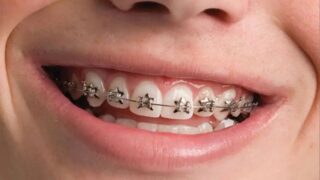
Braces are among the most widely discussed orthodontic treatment methods when people think about achieving a harmonious smile. Many individuals wonder how long it takes to straighten teeth with Braces, yet the answer is rarely simple because tooth alignment is influenced by biological, mechanical, and behavioral factors. Orthodontic treatment is not only a cosmetic procedure but also a long-term dental health investment that reshapes bite function and oral harmony.
The process of aligning teeth through Braces resembles a slow architectural renovation rather than a rapid makeover. Teeth move gradually within the jawbone under controlled pressure. This biological response allows periodontal tissues to adapt without causing excessive trauma. Patients often expect quick visual results, but orthodontic science shows that stability and precision are more valuable than speed when correcting malocclusion patterns.
Understanding How Braces Move Teeth
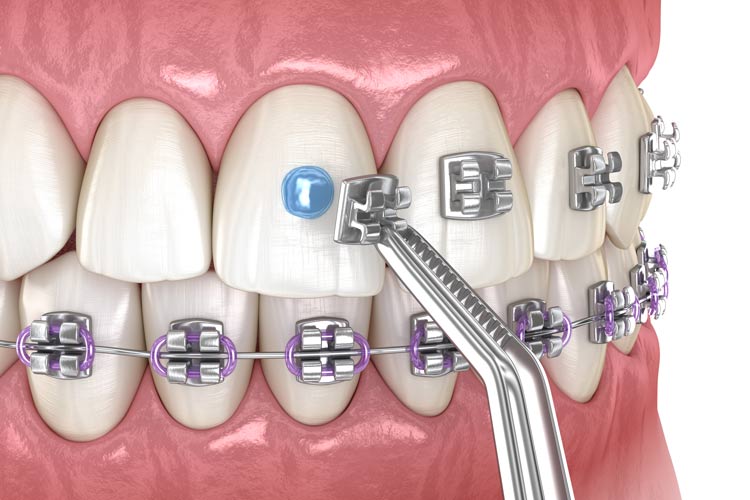
The mechanism behind Braces is based on applying continuous, gentle pressure to teeth. When orthodontic wires and brackets exert force, the bone surrounding the tooth undergoes remodeling. On the pressure side, bone resorption occurs, while bone formation happens on the tension side, allowing the tooth to gradually shift position.
This biological movement is supported by cellular activity involving osteoclasts and osteoblasts, the specialized cells responsible for bone remodeling. The sensation patients feel during early stages of Braces treatment is usually a sign that the periodontal ligament is responding to mechanical stimulation. Discomfort usually decreases as the oral tissues adapt.
The effectiveness of Braces depends on how consistently the orthodontic system delivers controlled force. Modern orthodontics uses advanced alloy wires that maintain elasticity over time. This innovation helps ensure predictable tooth movement and reduces the frequency of adjustment visits.
Factors That Affect Treatment Duration of Braces
Treatment duration for Braces varies significantly between individuals. One of the primary determinants is the severity of dental misalignment. Mild spacing issues may be corrected faster, while complex bite problems require longer mechanical correction phases.
Patient compliance is another crucial factor in Braces therapy. Missing scheduled adjustments, failing to maintain oral hygiene, or ignoring dietary restrictions can slow progress. Orthodontists often emphasize that treatment success is a partnership between professional guidance and patient behavior.
The quality of bone metabolism also influences how quickly Braces work. Individuals with faster cellular turnover may experience more rapid tooth repositioning, whereas others may require extended stabilization periods. Genetic factors, hormonal balance, and general health conditions can subtly shape orthodontic outcomes.
Stages of Tooth Alignment With Braces
Orthodontic correction using Braces typically follows several clinical phases. The initial alignment phase focuses on correcting severe crowding and establishing preliminary tooth positioning. During this stage, patients may notice visible improvement, although complete structural harmony is not yet achieved.
The middle phase of Braces treatment involves detailed bite correction. Orthodontists adjust arch relationships, control rotation issues, and fine-tune vertical and horizontal alignment. This stage often requires patience because microscopic movements are performed to optimize dental contact patterns.
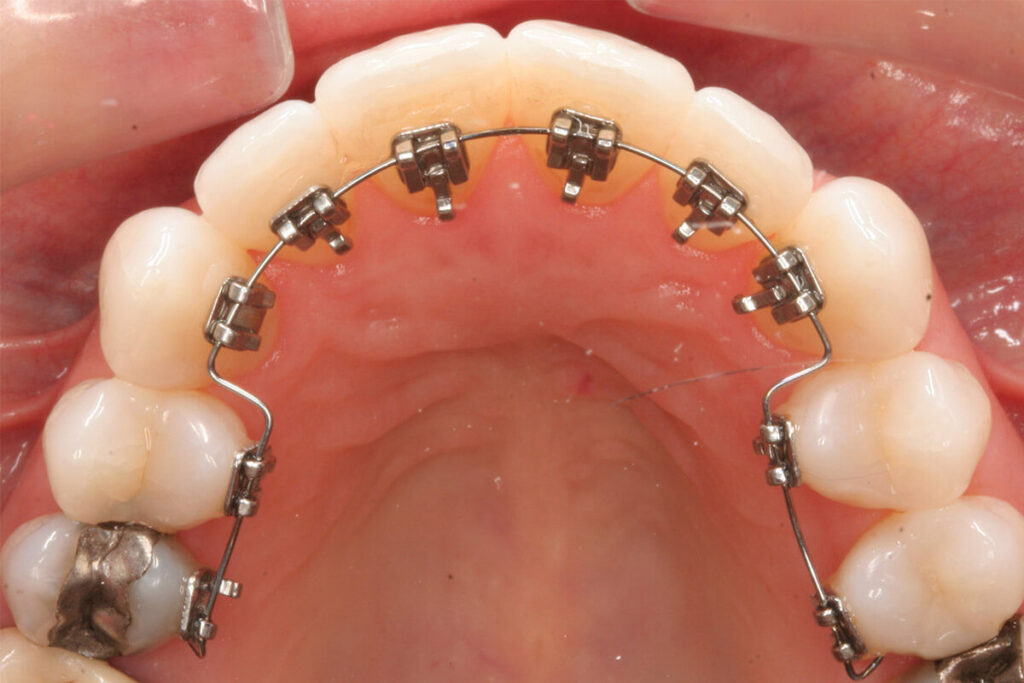
The final phase focuses on stabilization and retention preparation. Teeth that have been moved with Braces must adapt to their new positions within surrounding bone tissue. Without proper stabilization, there is a natural biological tendency for teeth to slowly return toward their original locations.
Age and Biological Response During Braces Treatment
Age plays a complex role in how the body responds to Braces therapy. Younger patients often experience faster tooth movement because their bone structures are more adaptable and cellular activity is relatively high. However, orthodontic treatment is not limited to children or adolescents.
Adult orthodontics using Braces has become increasingly common in modern dental practice. Although adult bone tissue remodels more slowly compared to younger individuals, technological advancements in orthodontic materials help maintain effective pressure distribution.
Psychological motivation may also influence treatment outcomes. Adults who consciously follow treatment guidelines tend to maintain better oral hygiene and dietary discipline during Braces therapy. Emotional commitment can indirectly support biological healing processes.
Daily Life and Comfort While Wearing Braces
Living with Braces requires small lifestyle adaptations. Hard or sticky foods may interfere with bracket stability and prolong treatment time. Many orthodontists recommend soft food consumption during initial adaptation periods.
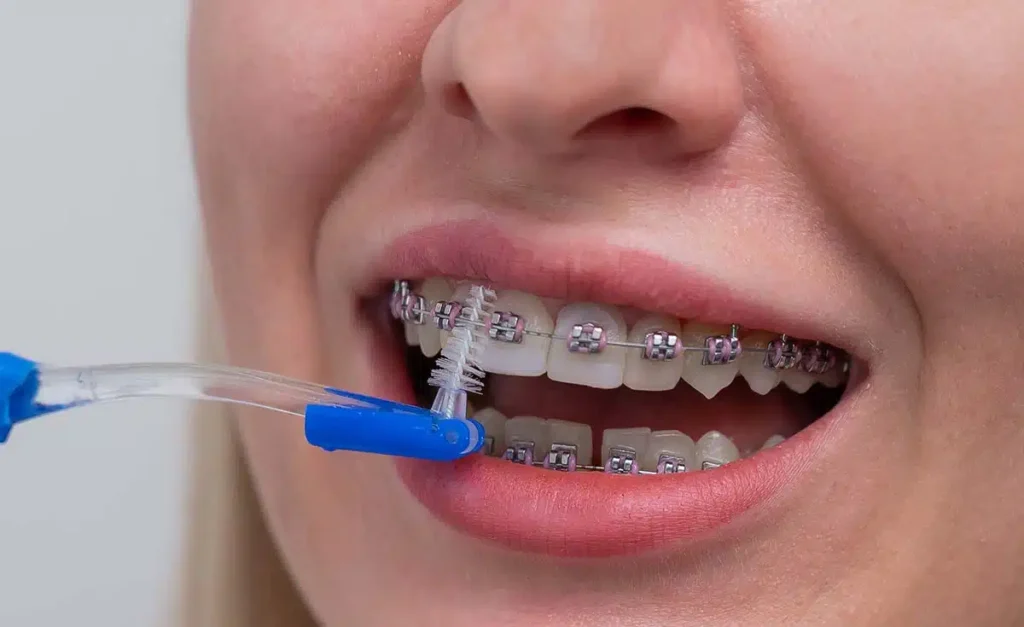
Oral hygiene becomes more important when using Braces. Food particles can easily accumulate around brackets and wires. Regular brushing techniques and interdental cleaning tools help maintain periodontal health during treatment.
Speech adaptation is another interesting aspect of wearing Braces. Some individuals experience temporary pronunciation changes when treatment begins. The tongue and lips gradually adjust to the new intraoral environment as neuromuscular coordination improves.
How Long Does It Really Take to Straighten Teeth With Braces?
The average duration of Braces treatment is often estimated between one and three years, but this range should not be considered universal. Simple alignment cases may require shorter therapy periods, whereas complicated skeletal discrepancies demand longer correction cycles.
Retention therapy after active Braces treatment is equally important. Retainers are commonly used to preserve tooth position and prevent relapse. The stabilization period may sometimes last longer than the active correction phase itself.
Technological progress in orthodontics continues to influence treatment efficiency. Computer-assisted planning, improved alloy materials, and better force calibration methods contribute to more predictable outcomes in Braces therapy.
Straightening teeth with Braces is a gradual transformation process shaped by biological adaptation, mechanical precision, and patient cooperation. Instead of focusing solely on speed, modern orthodontic philosophy prioritizes long-term dental stability and functional harmony. Every smile has its own developmental rhythm, which is why treatment duration can vary.
Understanding how Braces work helps patients maintain realistic expectations and stay motivated throughout therapy. Orthodontic correction is not simply a cosmetic improvement but a structural adjustment that supports oral health, facial balance, and chewing efficiency.