A Broken Front Tooth can feel overwhelming at first glance. Because front teeth shape your smile, speech, and facial balance, even a small chip may draw immediate attention. At Livera Clinic, we frequently observe how a Broken Front Tooth influences not only dental function but also confidence, social comfort, and daily habits such as eating or speaking. Understanding what happens biologically and mechanically when a Broken Front Tooth occurs makes the repair journey far less intimidating.
What Happens When a Broken Front Tooth Occurs?
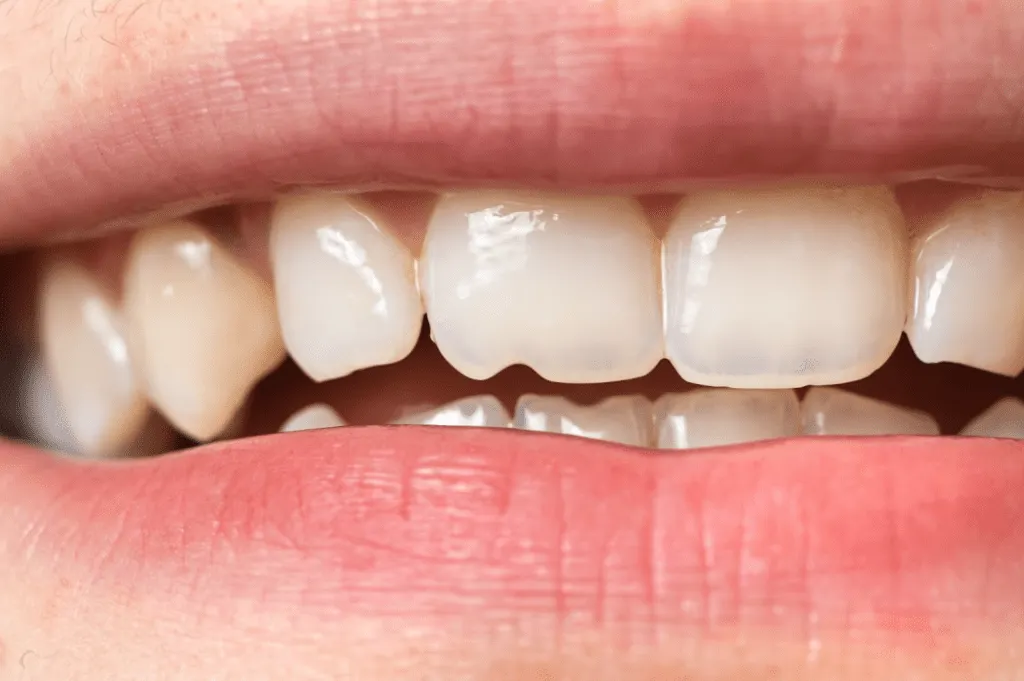
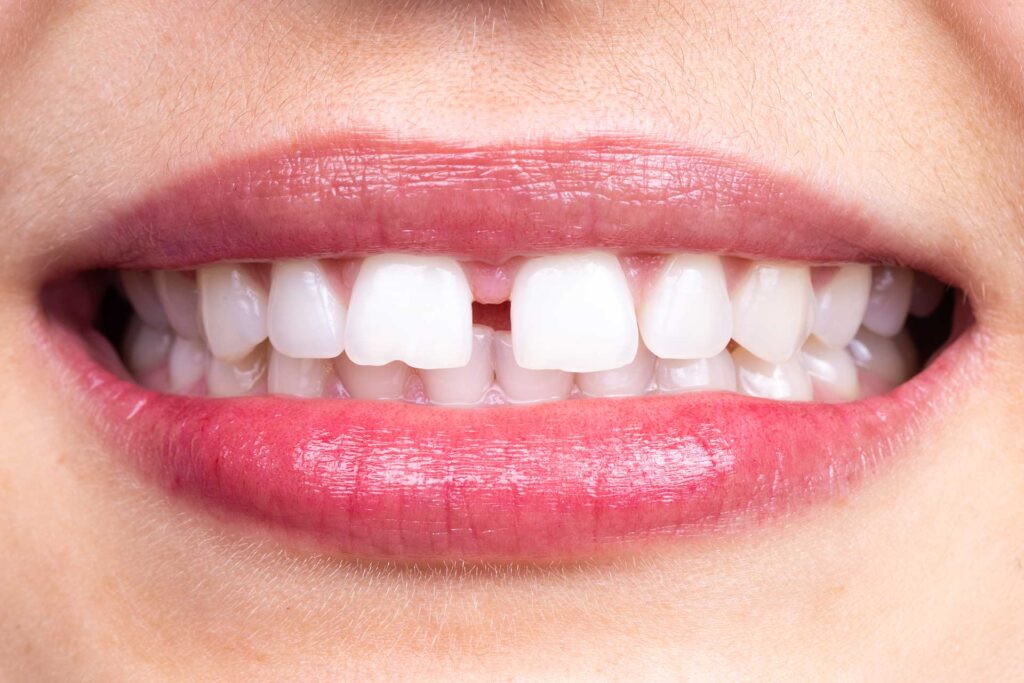
A Broken Front Tooth may result from trauma, biting on hard food, sports injuries, previous large fillings, or structural weakening caused by enamel erosion. Front teeth, especially incisors, have thinner enamel compared to molars. When force exceeds the tensile strength of enamel and dentin, cracks or fractures appear.
The severity of a Broken Front Tooth varies significantly. Some fractures affect only enamel, while others extend into dentin or the pulp chamber. The depth and angle of the fracture influence sensitivity, bacterial exposure, and long term prognosis.
Dentists often categorize a Broken Front Tooth into simplified clinical patterns:
- Enamel chip
- Enamel and dentin fracture
- Pulp exposure
- Root level fracture
- Combined crown root involvement
Each category reflects a different structural compromise. The more internal the fracture extends, the more complex the repair strategy becomes.
Diagnostic Process for a Broken Front Tooth
When evaluating a Broken Front Tooth, visual inspection is only the starting point. Modern dental assessment integrates multiple diagnostic layers. High resolution imaging, vitality testing, and occlusal analysis all contribute to understanding the full picture.
A Broken Front Tooth may look minor externally yet hide internal microcracks. Digital radiography helps detect root fractures, while transillumination techniques reveal enamel crack lines invisible to the naked eye. In some cases, 3D imaging provides additional insight into fracture orientation.
At Livera Clinic, assessment focuses on three critical dimensions:
| Diagnostic Factor | Why It Matters | Influence on Repair |
| Fracture Depth | Determines structural loss | Guides material choice |
| Pulp Vitality | Indicates nerve health | Affects need for endodontic therapy |
| Bite Alignment | Identifies stress distribution | Prevents re fracture |
This layered evaluation ensures that treatment planning for a Broken Front Tooth is not reactive but strategically preventive.
Conservative Solutions for a Broken Front Tooth
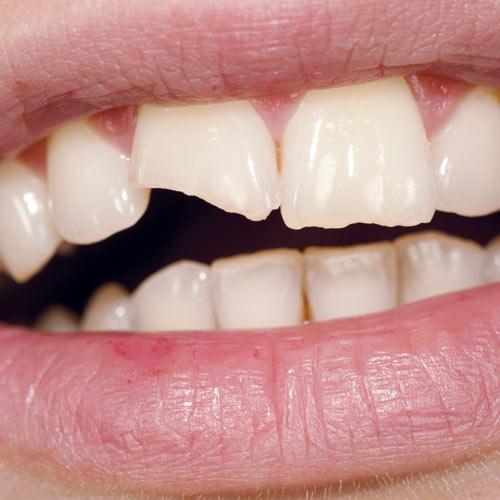
Not every Broken Front Tooth requires extensive intervention. In cases where only enamel is affected, composite bonding is frequently considered. Dental composites are resin based materials engineered to mimic natural enamel translucency.
A Broken Front Tooth restored with composite bonding benefits from minimal tooth reduction. The dentist sculpts the material directly onto the enamel surface, layer by layer. Each layer is polymerized with a curing light, creating micromechanical retention.
Scientific literature suggests that adhesive dentistry has significantly improved in the last two decades. Modern bonding agents enhance enamel adhesion strength, reducing marginal leakage and improving durability.
However, composite restorations may require periodic maintenance. Over time, surface polish can diminish, especially in patients with strong bite forces. Even so, for a small Broken Front Tooth, composite bonding often offers a balance between conservation and aesthetics.
Porcelain Veneers and Crowns for a Broken Front Tooth
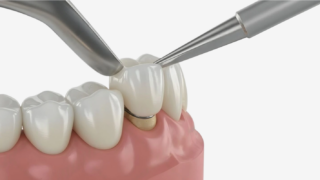
When structural loss is more pronounced, indirect restorations may be discussed. A Broken Front Tooth involving a large portion of enamel and dentin may benefit from porcelain veneers or full ceramic crowns.
Porcelain materials are engineered to simulate light transmission patterns similar to natural enamel. For a Broken Front Tooth, ceramic restorations can recreate symmetry, surface texture, and color gradients.
Veneers are typically selected when sufficient enamel remains. Crowns are considered when the fracture compromises a greater percentage of tooth circumference. These restorations are fabricated in dental laboratories using CAD CAM technology, ensuring precise fit and occlusal harmony.
Key considerations include:
- Remaining tooth structure
- Bite force intensity
- Aesthetic expectations
- Long term maintenance plan
A properly designed ceramic restoration for a Broken Front Tooth integrates seamlessly into the smile line while maintaining biomechanical integrity.
Root Canal Considerations in a Broken Front Tooth
If a Broken Front Tooth exposes or damages the pulp tissue, internal inflammation may develop. In such scenarios, endodontic therapy may be evaluated before final restoration.
The pulp contains nerves and blood vessels. When trauma disrupts this tissue, bacterial contamination becomes a risk factor. Root canal treatment involves removing inflamed pulp, disinfecting the canal system, and sealing it with biocompatible materials.
Following internal therapy, a Broken Front Tooth typically requires reinforcement. Fiber posts may be placed within the canal to support the final crown structure. These posts distribute stress along the root, reducing fracture risk.
It is important to note that not all fractured teeth require root canal therapy. Vitality tests and imaging guide the decision process rather than assumptions based solely on visible damage.
Can a Broken Front Tooth Heal Naturally?
Unlike minor soft tissue injuries, a Broken Front Tooth does not regenerate enamel naturally. Enamel lacks living cells capable of structural repair. However, the surrounding tissues such as gingiva and periodontal ligaments can adapt and stabilize following trauma.
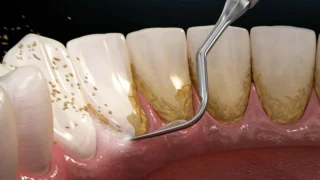
In very small enamel chips, smoothing and polishing may be sufficient to prevent further crack propagation. Even so, a Broken Front Tooth left untreated can accumulate plaque along rough edges, increasing the likelihood of discoloration or sensitivity.
Scientific observations indicate that early evaluation reduces secondary complications. Addressing a Broken Front Tooth at an early stage often simplifies restoration and preserves more natural structure.
Psychological and Functional Impact of a Broken Front Tooth
A Broken Front Tooth is not merely a structural dental issue. Studies in dental psychology highlight the strong link between anterior tooth appearance and self perception. Smiling patterns may change subconsciously after dental trauma.
Speech articulation may also be affected. Certain phonetic sounds rely on incisor edge positioning. When a Broken Front Tooth alters that edge length, pronunciation may subtly shift.
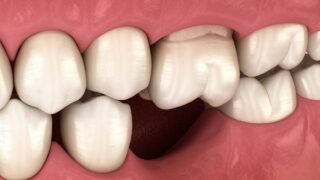
From a functional perspective, uneven edges can modify bite distribution. Over time, compensatory chewing patterns may increase stress on adjacent teeth. Therefore, repairing a Broken Front Tooth contributes to both mechanical balance and social ease.
Longevity and Maintenance After Repairing a Broken Front Tooth
The lifespan of a restored Broken Front Tooth depends on material selection, oral hygiene, and occlusal forces. Composite restorations may last several years with appropriate care, while ceramic restorations often demonstrate longer durability in clinical follow ups.
Maintenance involves:
- Regular dental examinations
- Professional polishing when needed
- Monitoring bite alignment
- Avoiding excessive mechanical stress
A Broken Front Tooth repaired with modern materials can function predictably when integrated into a personalized care plan. Research shows that restoration survival rates improve when occlusal load is evenly distributed.
At Livera Clinic, long term planning emphasizes structural preservation rather than temporary cosmetic enhancement. The objective is to ensure that a repaired Broken Front Tooth remains stable within the broader context of oral biomechanics.
Repairing a Broken Front Tooth with Confidence
Experiencing a Broken Front Tooth can initially feel distressing, yet contemporary dentistry offers a spectrum of scientifically grounded solutions. From conservative bonding to advanced ceramic reconstructions, each pathway is tailored to structural depth, tissue vitality, and aesthetic goals.
A Broken Front Tooth is ultimately a manageable condition when approached through careful diagnosis and individualized planning. By understanding fracture patterns, material science, and long term maintenance principles, patients can navigate the restoration process with clarity rather than uncertainty.
Livera Clinic approaches every Broken Front Tooth case with analytical precision, modern technology, and aesthetic sensitivity. The focus remains on preserving natural structure while restoring harmony, function, and confidence.