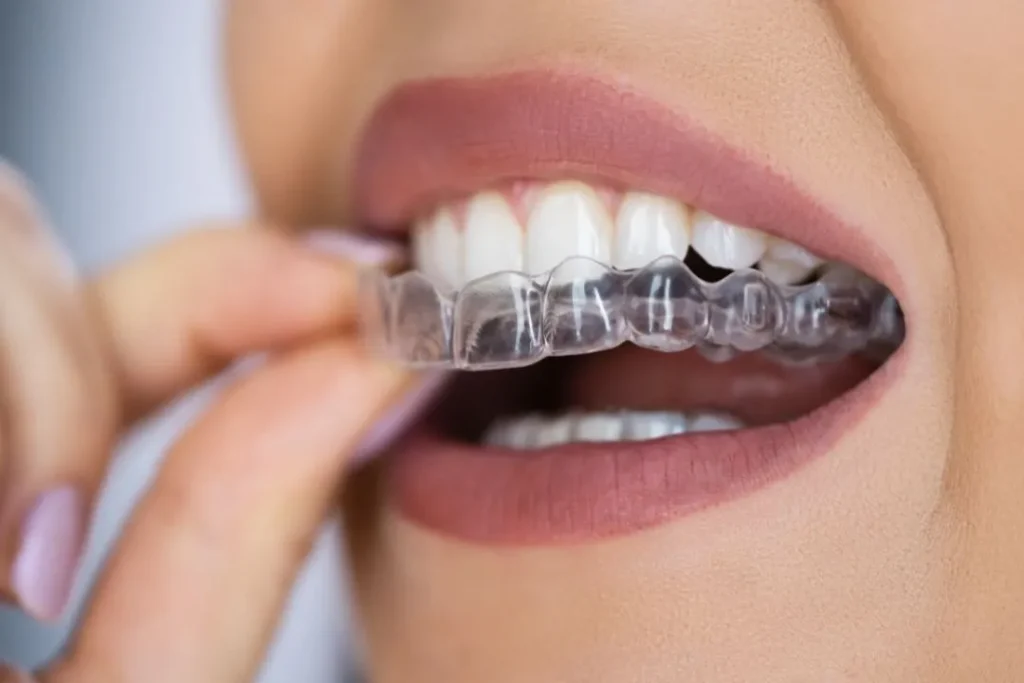
Invisalign has revolutionized the field of orthodontics, offering a discreet and comfortable alternative to traditional braces. For individuals dealing with an overbite, this modern treatment not only improves the alignment of teeth but also enhances overall oral health and facial aesthetics. Understanding how Invisalign works for overbite correction is essential for anyone considering this treatment option.
What is an Overbite and How Can Invisalign Help?
An overbite occurs when the upper front teeth extend too far over the lower front teeth. While a slight overbite is common and often harmless, excessive overbites can lead to dental issues such as enamel wear, jaw discomfort, and speech difficulties. Traditional braces have been the standard solution, but Invisalign provides a modern alternative that aligns teeth gradually without the metal brackets and wires.
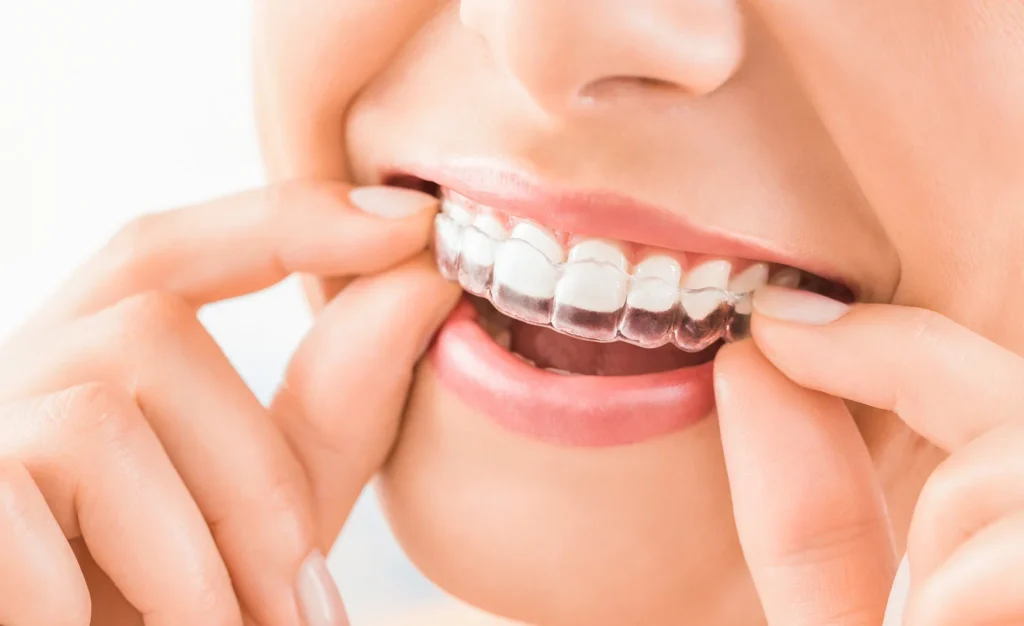
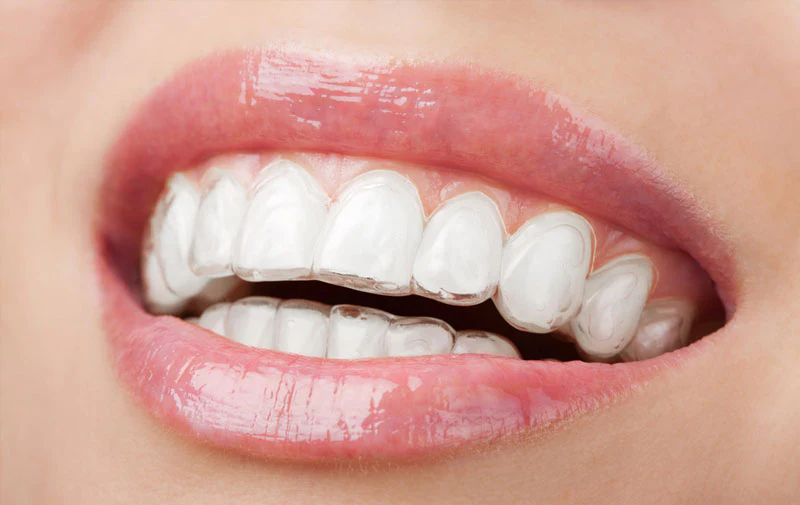
Invisalign works by using a series of custom-made, clear aligners that are designed to shift teeth incrementally into their ideal positions. Each aligner is worn for about two weeks before progressing to the next in the series. This method allows for precise adjustments while minimizing discomfort, making it particularly suitable for overbite correction.
Recent studies have shown that patients using Invisalign for mild to moderate overbites experience improved occlusion and bite alignment within months, though complex cases may require longer treatment durations. The ability to remove aligners for eating and oral hygiene also sets Invisalign apart from traditional orthodontics, contributing to a healthier dental environment throughout treatment.
Advantages of Invisalign Over Traditional Braces for Overbite
Choosing Invisalign for overbite treatment offers several notable benefits:
- Aesthetic Appeal – The nearly invisible aligners allow patients to maintain their appearance during treatment, making it ideal for adults and teens who prefer a discreet solution.
- Comfort – Smooth plastic aligners reduce irritation to gums and cheeks, unlike metal braces that can cause sores.
- Hygiene – Removable aligners facilitate proper brushing and flossing, reducing the risk of cavities and gum inflammation.
- Predictability – Advanced 3D imaging predicts the movement of teeth, providing a clear visualization of the expected results.
Clinical data suggest that Invisalign can achieve results comparable to traditional braces for overbite correction in many cases, particularly when patients adhere to the recommended wear schedule. Moreover, studies in orthodontic journals emphasize that aligner therapy reduces treatment-related pain and improves patient satisfaction.
How Invisalign Aligners Are Designed for Overbite Correction
Each set of Invisalign aligners is crafted based on a detailed 3D scan of the patient’s teeth. The digital treatment plan, often called a ClinCheck, outlines the step-by-step movement required to correct the overbite. Aligners exert gentle pressure on targeted teeth, gradually guiding them into the proper occlusal relationship.
The aligners for overbite correction often include specific features such as:
- Precision attachments: Small tooth-colored bumps bonded to teeth to enhance aligner grip.
- Bite ramps: Strategic aligner thickness adjustments to guide the lower jaw into alignment.
- Sequential adjustments: Each aligner slightly differs from the previous to maintain constant yet gentle pressure.
These design elements ensure that Invisalign can address both dental and skeletal aspects of overbite, although more severe skeletal overbites may require supplementary orthodontic interventions.
Duration and Expected Results of Invisalign Treatment for Overbite
The length of Invisalign treatment varies depending on overbite severity and patient compliance. Mild overbites may be corrected within 6 to 12 months, while more significant cases can take 18 to 24 months. Regular dental check-ups are essential to monitor progress and make necessary refinements.
Patients can expect the following outcomes:
- Improved bite alignment and occlusion
- Enhanced facial profile and symmetry
- Reduced risk of enamel wear and gum issues
- Increased confidence in smiling
Research published in the American Journal of Orthodontics highlights that treatment success is closely tied to wearing aligners for at least 20–22 hours per day. Consistent wear ensures predictable tooth movement and minimizes delays in treatment progress.
Lifestyle and Maintenance Considerations with Invisalign
One of the most significant advantages of Invisalign is its adaptability to daily life. Aligners are removable, allowing patients to eat without restrictions and maintain excellent oral hygiene. However, proper care is crucial to ensure effective treatment:
- Cleaning: Rinse aligners regularly and brush them gently to prevent plaque buildup.
- Storage: Always store aligners in their protective case when not in use to avoid damage.
- Compliance: Consistent wear is essential; skipping aligner time can prolong treatment.
Additionally, patients are encouraged to avoid consuming colored beverages like coffee or tea while wearing aligners to prevent staining. Maintaining a balanced oral care routine enhances treatment results and supports long-term dental health.
Potential Challenges and Limitations of Invisalign for Overbite
While Invisalign offers many advantages, certain limitations exist:
- Complex overbites: Severe skeletal overbites may require supplementary orthodontic appliances or minor surgery.
- Patient compliance: Success relies on diligent wear; non-compliance can delay results.
- Attachment visibility: Some attachments may be slightly noticeable, though far less than traditional braces.
Orthodontic evaluations prior to treatment help identify whether Invisalign alone is sufficient or if combination therapies are recommended. Patients with minor to moderate overbites generally achieve excellent outcomes with careful adherence to their personalized treatment plan.
Comparing Invisalign with Other Overbite Correction Methods
When assessing overbite correction options, it is important to compare Invisalign with alternative treatments:
| Treatment Option | Visibility | Comfort | Hygiene | Treatment Time | Suitability for Overbite |
| Traditional Braces | High | Moderate | Moderate | 18–36 months | Mild to severe |
| Invisalign | Low | High | High | 6–24 months | Mild to moderate |
| Lingual Braces | Low | Moderate | Moderate | 18–30 months | Mild to moderate |
| Orthognathic Surgery | N/A | High | High | Variable | Severe skeletal overbite |
This comparison demonstrates how Invisalign balances aesthetics, comfort, and effectiveness, making it a preferred choice for many patients seeking a modern solution.
Is Invisalign Right for Overbite?
Invisalign has emerged as a highly effective, discreet, and comfortable solution for correcting overbites. By combining precise aligner design, predictable tooth movement, and lifestyle convenience, it offers patients a compelling alternative to traditional braces. While certain complex cases may require additional intervention, mild to moderate overbites are often corrected successfully with Invisalign alone. Patients who commit to consistent wear and follow their orthodontist’s guidance are likely to experience excellent outcomes, improved oral health, and a confident smile.