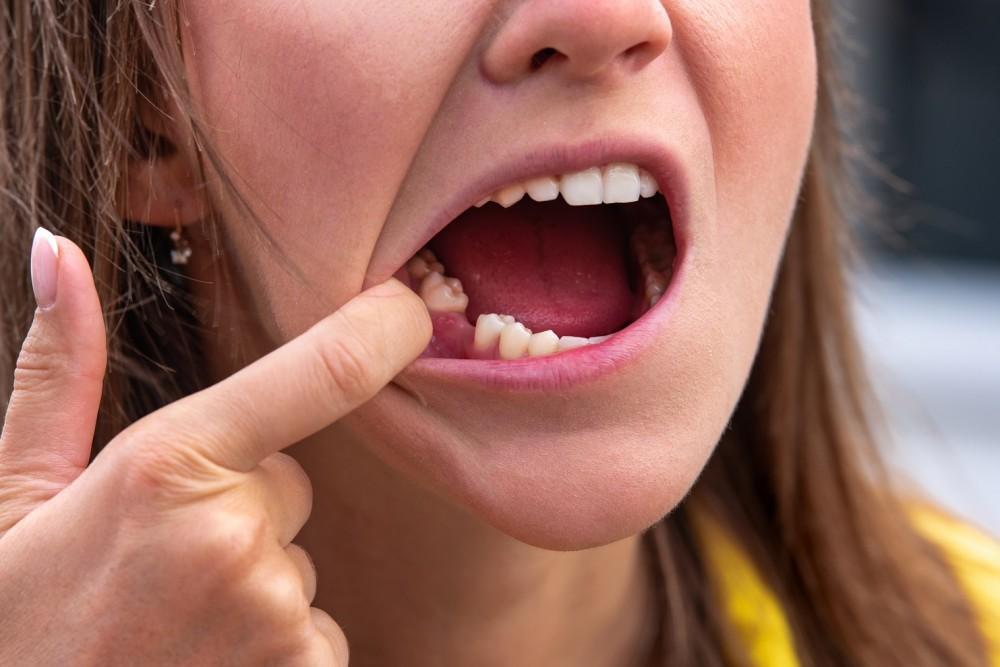
Tooth Loss is often perceived as a purely aesthetic concern, yet it is actually a multidimensional process that can influence chewing ability, speech patterns, facial structure and even social confidence. Despite advances in oral care products and increased access to information, the number of people experiencing Tooth Loss has not significantly decreased. One major reason is that Tooth Loss frequently progresses silently, with early signals going unnoticed.
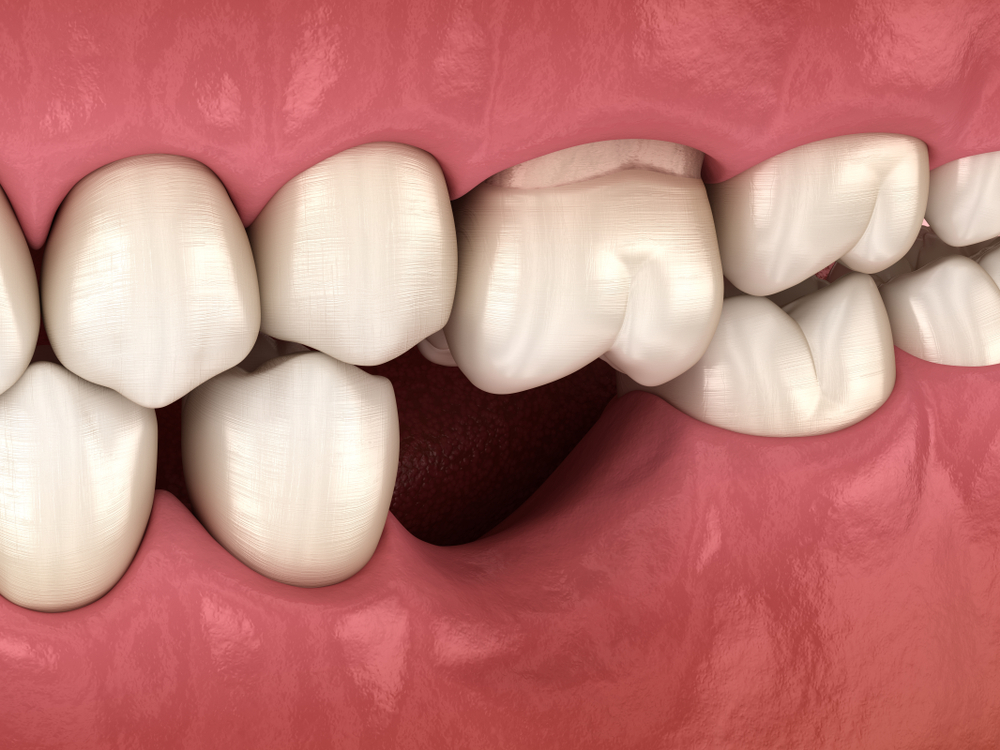
What Is Tooth Loss and Why Is It So Common?
Tooth Loss refers to the absence of one or more natural teeth from the oral structure. This may occur suddenly due to trauma or gradually as a result of long term biological processes. Modern lifestyle factors, dietary habits and stress related behaviors are frequently discussed in scientific literature as elements that may increase the likelihood of Tooth Loss.
Studies indicate that many individuals experiencing Tooth Loss are unaware of the progression until it reaches an advanced stage. This delayed awareness helps explain why Tooth Loss remains a relevant topic even in societies with advanced dental knowledge.
The Relationship Between Tooth Loss and Gum Conditions
When discussing Tooth Loss, gum related changes are often one of the first factors mentioned. Gum tissue plays a critical role in supporting teeth and maintaining oral stability. Alterations in this tissue may, over time, contribute to an increased risk of Tooth Loss.
Scientific analyses suggest that prolonged inflammatory changes in gum tissue can influence underlying bone structures. This may weaken the support around the tooth, indirectly contributing to Tooth Loss. However, it is important to note that not every gum issue inevitably leads to Tooth Loss, as individual biological responses vary.
Dental Decay as a Contributing Factor to Tooth Loss
Another widely discussed element related to Tooth Loss is dental decay. Tooth decay typically begins at the enamel level and may progress deeper if left unmanaged. Clinical observations indicate that untreated decay can, in certain cases, increase the likelihood of Tooth Loss.
What matters most is not the presence of decay itself, but how the process evolves. Early detection often allows the tooth to remain functional, whereas prolonged neglect may alter the structural integrity of the tooth and raise Tooth Loss risk. In this sense, Tooth Loss should be viewed as a process rather than an isolated event.
How Physical Trauma Can Lead to Tooth Loss
Tooth Loss is not always the result of biological changes. Physical trauma such as sports injuries, falls or traffic accidents can also cause a healthy tooth to be displaced or lost. Trauma related Tooth Loss often occurs unexpectedly, which can make the experience psychologically impactful as well.
Clinical insights show that individuals who experience trauma induced Tooth Loss may undergo a shift in how they perceive their oral health. This highlights that Tooth Loss can involve emotional and behavioral dimensions in addition to physical ones.
Tooth Loss and the Aging Process
Aging is frequently associated with Tooth Loss, yet the relationship is not as straightforward as commonly assumed. As people age, natural changes may occur in teeth and surrounding tissues. However, these changes alone do not automatically result in Tooth Loss.
Expert perspectives emphasize that aging may create conditions where Tooth Loss becomes more likely, but it is rarely the sole determining factor. Long term oral habits, genetic predisposition and environmental influences play equally significant roles. In this context, Tooth Loss is better understood as the outcome of accumulated factors rather than age itself.
How Preventive Perspectives Around Tooth Loss Are Shaped
Tooth Loss is not always inevitable. Various studies suggest that increased awareness of oral health may influence how individuals perceive and manage Tooth Loss risk. Instead of focusing on a single habit, researchers emphasize the importance of a comprehensive perspective.
Daily oral routines, periodic evaluations and personal awareness of oral changes may contribute to slowing processes associated with Tooth Loss. Rather than presenting fixed rules, it is more realistic to recognize that Tooth Loss risk is shaped by individual dynamics.
What Current Research Reveals About Tooth Loss
Recent academic research highlights that Tooth Loss is not limited to oral structures alone. Some publications suggest potential associations between Tooth Loss, quality of life, nutritional habits and social interaction patterns.
These findings indicate that individuals experiencing Tooth Loss may adapt in different ways depending on personal and environmental factors. As a result, Tooth Loss is increasingly viewed as a topic that benefits from multidisciplinary evaluation.
Why Understanding Tooth Loss Matters
Gaining knowledge about Tooth Loss can enhance individual awareness and support more informed personal decisions. While information alone does not prevent outcomes, it may help individuals interpret changes more consciously.
This article, prepared by Livera Clinic, approaches Tooth Loss without alarmist language or deterministic assumptions. Instead, it aims to provide a realistic and human centered understanding. In many cases, Tooth Loss reflects a long term process rather than a sudden occurrence.
Understanding Tooth Loss Is the First Step in Managing the Process
Tooth Loss cannot be attributed to a single cause. It is shaped by biological, environmental and behavioral factors interacting over time. For this reason, having accurate and balanced information about Tooth Loss is an essential starting point.
This content is designed to serve as a comprehensive reference for anyone seeking a deeper understanding of Tooth Loss. Supported by scientific insights and written with a reader focused approach, it offers a thoughtful perspective on a complex topic.