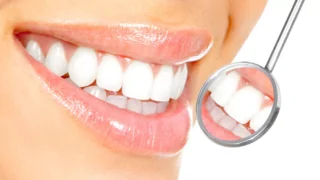
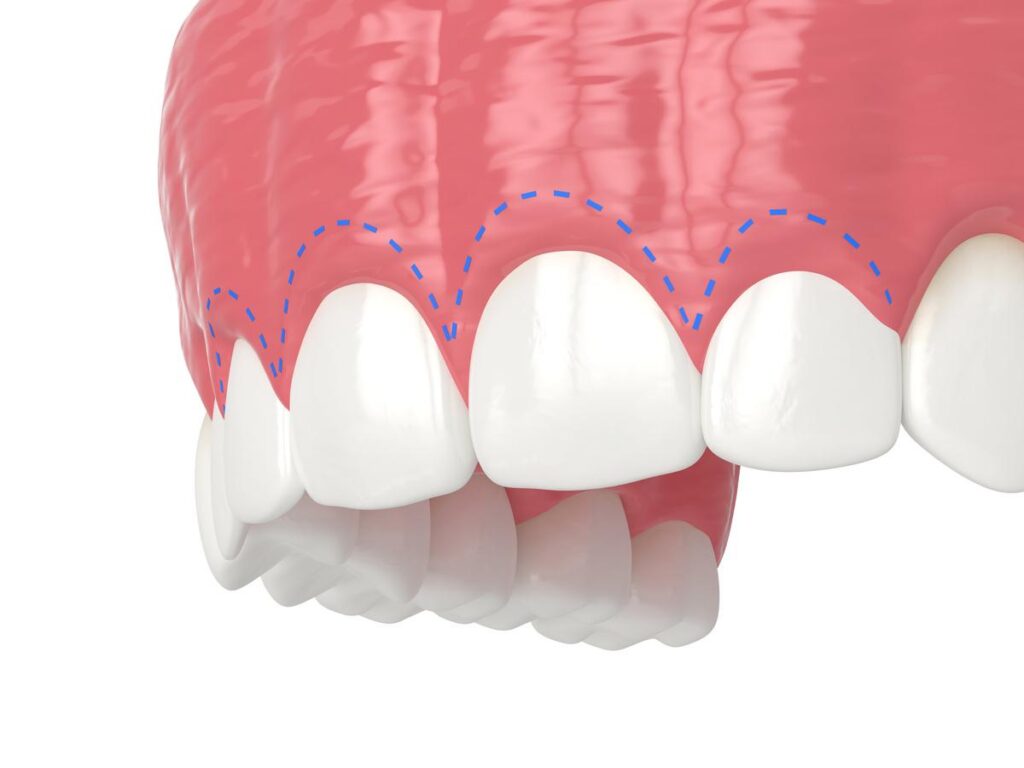
A Gummy Smile is a condition where an excessive amount of gum tissue is visible when smiling. While often considered a minor aesthetic concern, it can significantly impact self-esteem and facial harmony. Understanding the underlying causes and exploring the available treatment options can help individuals make informed decisions about managing this common dental and facial concern, supported by advanced smile makeover.
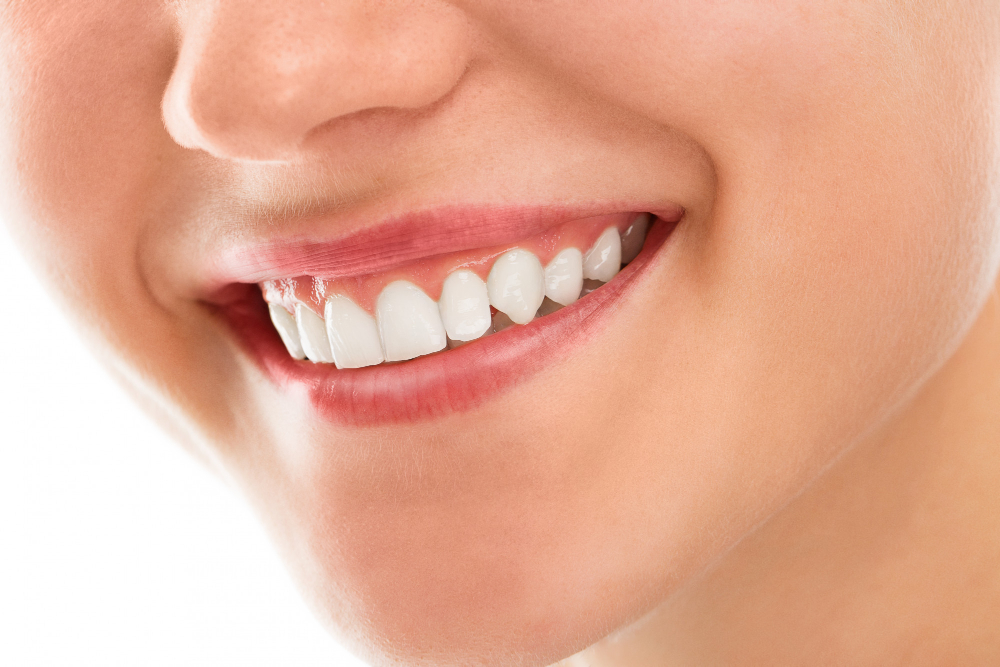
What Is a Gummy Smile?
A Gummy Smile occurs when the upper gums are overly exposed during smiling, usually revealing more than 2-4 millimeters of gum tissue. While some gum visibility is natural, excessive exposure can draw attention away from the teeth and alter facial proportions, supported by advanced tooth whitening.
Research indicates that about 10% of adults exhibit noticeable gum exposure when smiling. This condition is more prevalent in women due to differences in facial anatomy, though men can also experience it. Beyond aesthetics, a Gummy Smile can sometimes indicate underlying dental or skeletal issues that may warrant assessment by a professional, supported by advanced dental aesthetics.
Common Causes of Gummy Smile
The development of a Gummy Smile is multifactorial, often involving a combination of skeletal, dental, and muscular factors. Understanding these causes is crucial for selecting the most effective treatment approach, supported by advanced biocompatible materials.
- Excessive Gum Tissue (Gingival Hyperplasia)
Overgrowth of gum tissue can occur due to genetics, hormonal changes, or prolonged medication use. This excess tissue covers more of the teeth than normal, resulting in a pronounced gummy appearance. - Altered Tooth Eruption
When teeth fail to emerge fully, they can appear shorter than they actually are, leaving more gum exposed. This condition is often identified in adolescence and can be linked to delayed dental development. - Hyperactive Upper Lip
In some individuals, the muscles controlling the upper lip are overactive. This hyperactivity causes the lip to rise excessively during smiling, revealing more gum tissue. Studies in facial dynamics emphasize the role of lip movement in gummy smile prevalence. - Skeletal Factors
Vertical maxillary excess, a condition where the upper jaw grows disproportionately, can create a permanent gummy smile. This structural cause often requires orthodontic or surgical interventions.
Diagnosing a Gummy Smile
Proper diagnosis involves evaluating dental, periodontal, and facial structures. Clinicians often use a combination of visual examination, dental X-rays, and 3D imaging to assess the extent of gum exposure.
Key diagnostic factors include:
- Gum-to-tooth ratio
- Lip mobility and resting position
- Tooth length and alignment
- Jawbone structure and symmetry
By identifying the primary cause, dental professionals can recommend targeted treatment options that maximize aesthetic results while minimizing invasiveness.
Non-Surgical Treatments for Gummy Smile
For mild cases, non-invasive interventions may be sufficient to reduce gum exposure and enhance smile aesthetics. These include:
- Botulinum Toxin (Botox) Injections
Botox can temporarily relax the muscles responsible for elevating the upper lip, decreasing gum visibility during smiling. Effects typically last 3-6 months, making this a reversible and low-risk solution. - Orthodontic Approaches
Braces or clear aligners can help reposition teeth and adjust the gum-to-tooth ratio. In cases of altered tooth eruption, orthodontic extrusion can improve tooth length and reduce gum display. - Gingival Contouring
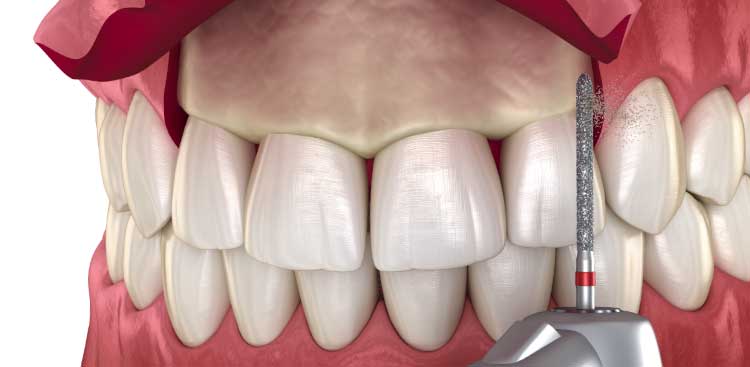
This procedure involves reshaping the gum line using lasers or scalpels to create a more balanced tooth-to-gum ratio. It is often combined with other treatments for optimal results.
Surgical Solutions for Gummy Smile
When structural factors like vertical maxillary excess or severe hyperactive lips are involved, surgical interventions may be necessary.
- Crown Lengthening Surgery
This procedure removes excess gum tissue and sometimes bone to expose more of the natural tooth structure. Crown lengthening can significantly improve smile aesthetics, especially in cases of gingival hyperplasia. - Orthognathic Surgery
For individuals with vertical maxillary excess, jaw repositioning surgery may be recommended. This procedure involves moving the upper jaw to achieve facial harmony and reduce gum exposure permanently. - Lip Repositioning Surgery
This technique shortens the upper lip muscle to limit excessive elevation during smiling. Recovery is typically quick, and the results are long-lasting.
Factors Influencing Treatment Choice
Selecting the appropriate treatment depends on several factors, including:
- Cause of gummy smile
- Severity of gum exposure
- Patient age and facial anatomy
- Desire for temporary or permanent correction
- Recovery time and invasiveness of the procedure
An interdisciplinary approach involving orthodontists, periodontists, and maxillofacial surgeons often yields the best results. Studies suggest that combining multiple treatment modalities can enhance smile aesthetics while maintaining natural function, supported by advanced gum contouring.
Post-Treatment Considerations and Maintenance
After treatment, maintaining oral hygiene and attending follow-up appointments is essential for preserving results. Specific considerations include:
- Monitoring gum health and tissue regeneration
- Avoiding excessive lip strain immediately after procedures
- Regular dental check-ups to prevent recurrence of gum overgrowth
Patients often report increased self-confidence and satisfaction with their smiles after successful intervention. Long-term outcomes are generally favorable when treatments are tailored to individual anatomical and functional needs, supported by advanced smile simulation.
Scientific Insights and Emerging Trends
Recent studies in cosmetic dentistry emphasize a shift toward minimally invasive approaches and personalized treatment planning for Gummy Smile. Techniques like laser gingivectomy, Botox modulation, and digital smile design allow clinicians to predict outcomes with higher accuracy, supported by advanced dental bonding.
Furthermore, research highlights the psychological impact of a gummy smile, showing improvements in social confidence and emotional well-being following aesthetic correction. This underscores the importance of considering both functional and psychosocial aspects when addressing the condition, supported by advanced porcelain veneers.