
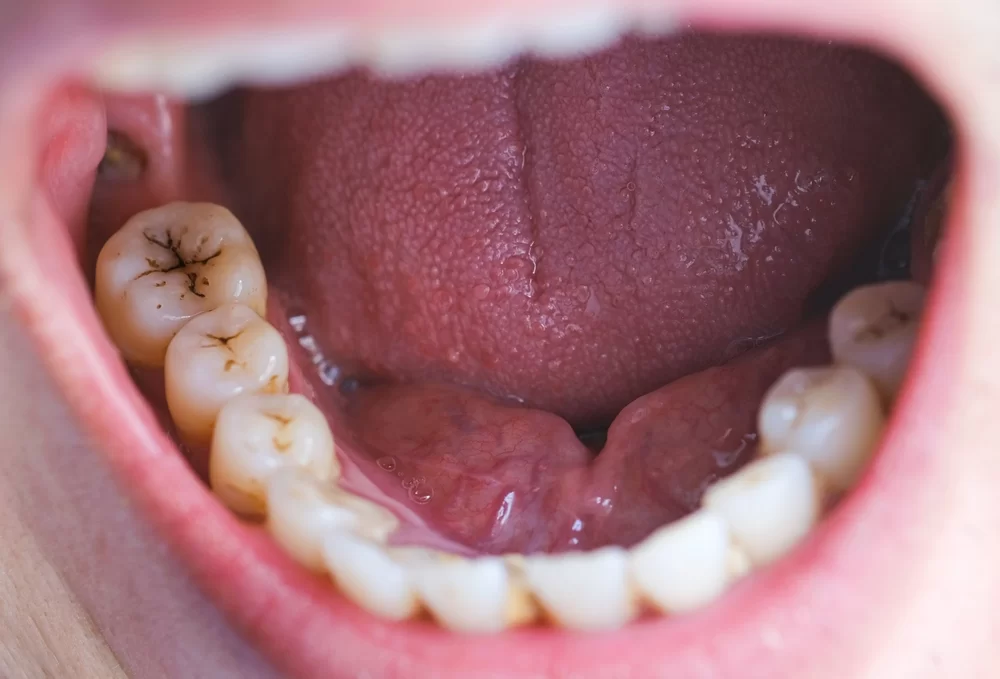
Dental Caries is considered one of the most common oral health conditions in modern societies. In daily life, many people unknowingly experience different stages of dental caries. What begins as a microscopic loss of enamel can gradually progress into deeper tissue damage, ultimately leading to the formation of a cavity.
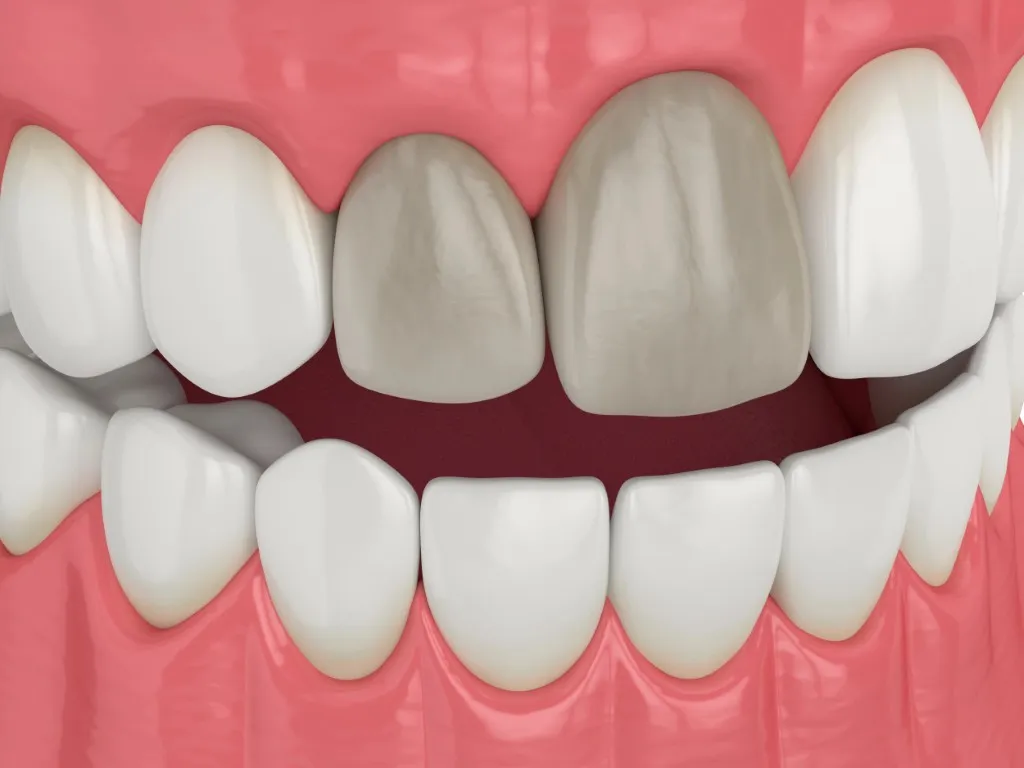
What Is Dental Caries and How Does It Develop?
Dental Caries is a biochemical process that begins when bacteria on the tooth surface convert food residues into acids. This acidic environment weakens the mineral structure of tooth enamel. Over time, this weakening can progress from invisible mineral loss to noticeable structural damage.
Scientific studies indicate that dental caries does not result from a single cause. Oral microbiota, saliva composition, dietary habits, and genetic factors all influence how quickly and in what manner dental caries develops. For this reason, the progression of dental caries can vary significantly from one individual to another.
Key Differences Between Dental Caries and Cavities
While Dental Caries refers to the overall disease process, a cavity represents an advanced outcome of that process. In other words, every cavity is preceded by dental caries, but not every case of dental caries necessarily leads to cavity formation.
A cavity is a visible and tangible hole in the tooth structure. At this stage, the enamel has been breached and the dentin or even deeper tissues may be affected. Research shows that when dental caries is identified early, cavity formation can often be prevented.
Stages of Dental Caries Development
Dental Caries is not a single stage condition. It typically progresses through distinct phases, each of which is significant for diagnosis and management.
- Early dental caries with enamel demineralization
- Moderate dental caries advancing into the dentin
- Advanced dental caries approaching the pulp tissue
- Formation of a visible cavity
Each stage may present different signs. In particular, early dental caries often goes unnoticed, allowing the process to continue silently.
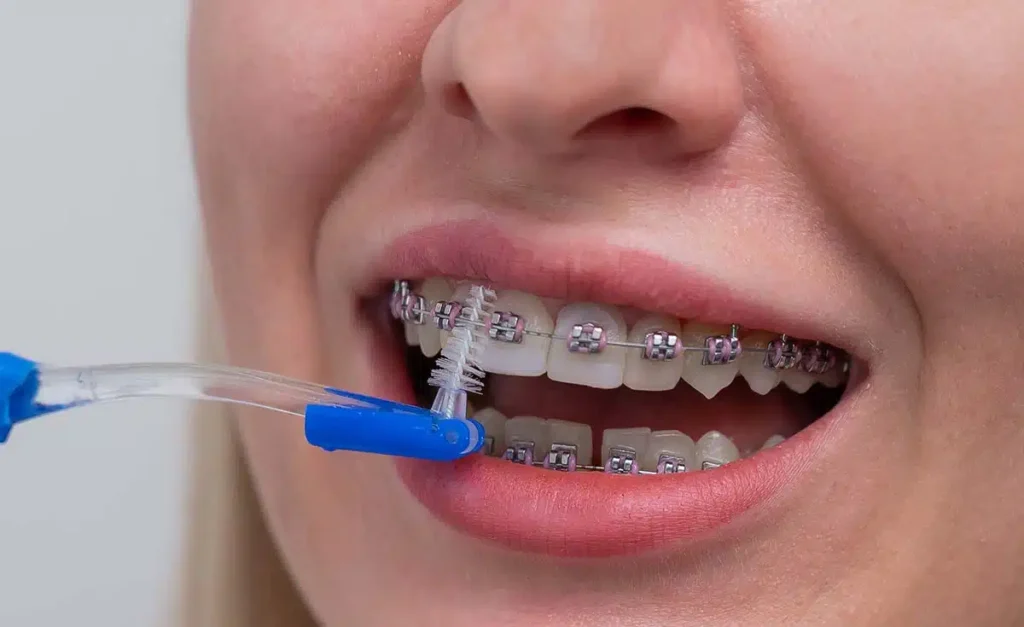
Common Signs and Indicators of Dental Caries
The symptoms of Dental Caries vary depending on its depth and location. In some cases, individuals experience no noticeable symptoms, while in others, daily comfort may be affected.
Common indicators include sensitivity to hot, cold, or sweet stimuli. Additionally, discoloration, dullness, or rough areas on the tooth surface may signal dental caries. In more advanced stages, cavity formation can lead to food impaction and pressure related discomfort.
How Are Dental Caries Treatment Approaches Determined?
Approaches to managing Dental Caries are shaped by the stage of progression. When dental caries is identified at an early stage, methods aimed at preserving tooth structure may be considered. In more advanced cases, restorative options become relevant.
Scientific literature suggests that early detected dental caries often allows for more conservative management strategies. When cavities are present, restorative procedures such as fillings aim to restore both function and form. Each approach is planned based on the extent and location of the dental caries.
Factors Influencing the Risk of Dental Caries
Numerous factors contribute to the risk of Dental Caries. Some are linked to lifestyle habits, while others are biological in nature. Studies show that frequent consumption of sugary foods accelerates the development of dental caries.
Saliva quantity and composition also play a critical role in dental caries dynamics. Saliva helps neutralize acids and supports the remineralization of tooth surfaces. When this balance is disrupted, the progression of dental caries may become more likely.
The Impact of Dental Caries on Daily Life
Dental Caries can influence more than just oral health. Changes in chewing efficiency may indirectly affect dietary habits. Aesthetic concerns also represent a social dimension of dental caries.
Several studies indicate that advanced dental caries cases can negatively affect overall quality of life. As a result, the condition is often evaluated not only as a localized oral issue but also as a factor linked to general well being.
What Do Scientific Studies Say About Dental Caries?
Recent academic research highlights that dental caries cannot be explained solely by individual oral hygiene practices. The balance of oral microbiota has emerged as a key determinant in caries development.
Some reports indicate that certain bacterial species increase the risk of dental caries, while others may offer a protective effect. These findings suggest that future dental caries management strategies could become increasingly personalized.
Why Understanding Dental Caries and Cavities Matters
Dental Caries may appear to be a simple surface level issue, but in reality, it is a complex and dynamic process. Understanding the distinction between caries and cavities helps clarify the stage of progression involved. This article, prepared on behalf of Livera Clinic, aims to provide a balanced, scientific, and comprehensive perspective on dental caries.
Designed as a reference resource for anyone seeking in depth information, this content evaluates dental caries not only in terms of outcomes, but also through its development and broader implications, fostering a more informed awareness.