Dental hygiene has evolved far beyond basic brushing and flossing, introducing specialized tools designed to reach areas that ordinary toothbrushes cannot. One such tool is the interface brush, a compact yet highly effective instrument engineered to clean the spaces between teeth and around dental appliances.
Understanding the Interface Brush
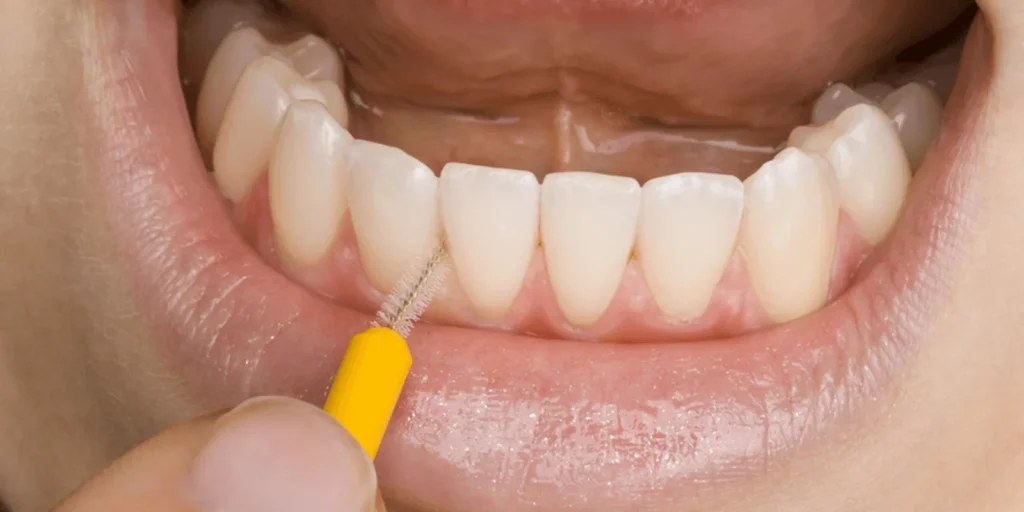
An interface brush is a small, flexible brush specifically designed to clean narrow gaps that are often inaccessible with standard toothbrushes. Unlike conventional brushes, its bristles are arranged in a conical or cylindrical shape, allowing it to slide between teeth and around orthodontic devices, bridges, and implants.
The primary goal of the interface brush is to remove plaque, food debris, and bacteria in interproximal regions—the tiny spaces where gum inflammation often begins. Its design is rooted in both dental research and ergonomics, ensuring users can reach difficult areas without damaging soft tissues or dental restorations.
In addition, interface brushes often come in various sizes and stiffness levels, making them adaptable to different oral anatomies. This versatility ensures that each user can select a brush suitable for their unique dental structure, enhancing overall oral health maintenance.
Key Benefits of Using an Interface Brush
Incorporating an interface brush into daily oral care routines offers multiple advantages beyond traditional brushing. Some of the scientifically observed benefits include:
- Plaque Reduction: Clinical studies indicate that interproximal cleaning significantly reduces plaque accumulation, decreasing the risk of gingivitis.
- Improved Gum Health: Regular use of an interface brush stimulates the gums and reduces inflammation, especially in tight spaces.
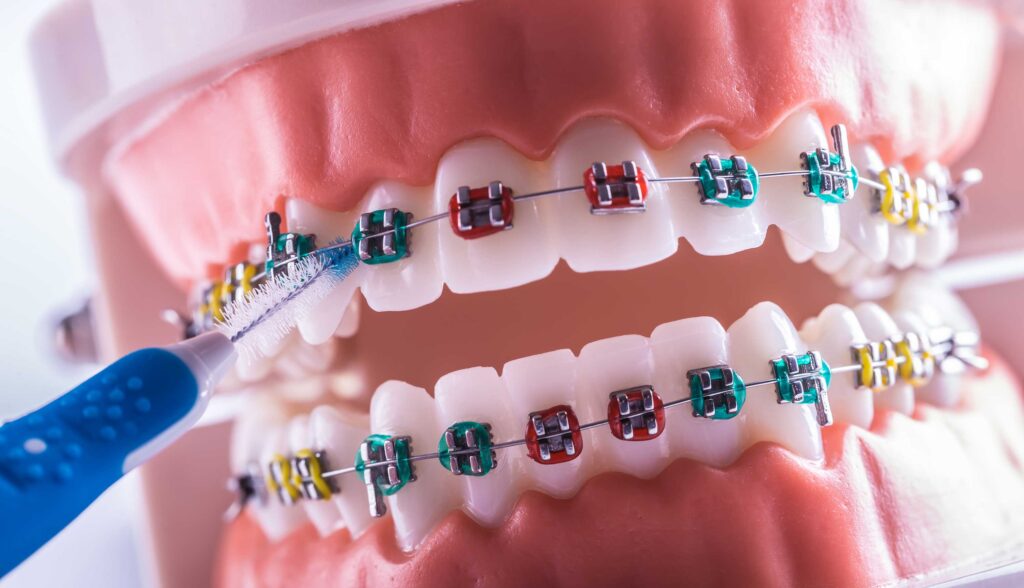
- Enhanced Orthodontic Hygiene: For individuals with braces, bridges, or implants, interface brushes are more effective than flossing alone in reaching difficult spots.
Moreover, some research suggests that consistent use of interproximal brushes may reduce overall bacterial load in the mouth, potentially contributing to better systemic health.
Types of Interface Brushes
Not all interface brushes are created equal. Understanding the types and their specific purposes can help optimize oral care:
- Conical Interface Brushes: Tapered at one end, ideal for tight contacts and narrow gaps.
- Cylindrical Interface Brushes: Uniform diameter, useful for larger interproximal spaces or around implants.
- Soft vs. Firm Bristles: Soft bristles are recommended for sensitive gums, while firmer bristles may be preferred for heavy plaque removal.
Dental experts often recommend having multiple sizes and types on hand, as oral cavities vary and a one-size-fits-all approach rarely achieves optimal results.
How to Use an Interface Brush Properly
Proper usage of an interface brush maximizes effectiveness and minimizes potential damage. Here’s a step-by-step approach:
- Select the Correct Size: Choose a brush that fits snugly between teeth without forcing.
- Insert Gently: Angle the brush slightly and slide it between the teeth, avoiding sudden pressure.
- Move with Care: Use back-and-forth or circular motions to dislodge debris.
- Rinse After Use: Clean the brush thoroughly to prevent bacterial accumulation.
For individuals with dental appliances, such as braces or bridges, slight adjustments in technique may be required. A small angle or rotation can make the brush reach beneath wires and around brackets without dislodging orthodontic components.
Interface Brush vs. Dental Floss
While dental floss remains a cornerstone of oral hygiene, interface brushes offer unique advantages that complement flossing:
- Efficiency: Brushes can clean larger gaps more quickly than floss.
- Versatility: Easier to maneuver around implants, bridges, and braces.
- Comfort: Some users find brushes less likely to cause gum irritation compared to floss.
However, dental professionals often advise a combination approach: using floss in extremely tight contacts and interface brushes in accessible interproximal spaces. This dual strategy enhances plaque removal and reduces the likelihood of gum disease.
Scientific Evidence Supporting Interface Brushes
Multiple studies have validated the effectiveness of interface brushes in promoting oral health. Research published in dental journals shows that:
- Plaque Index Improvement: Participants using interproximal brushes demonstrated significantly lower plaque levels than those using only traditional brushing.
- Gingival Health Enhancement: Gum inflammation scores decreased consistently in groups using interface brushes daily.
- User Compliance: Individuals reported higher satisfaction and adherence due to ease of use compared to floss.
These findings underscore the importance of integrating specialized cleaning tools into preventive dental care. It is not merely a cosmetic addition but a scientifically supported method to maintain oral hygiene.
Choosing the Right Interface Brush for Your Needs
Selecting the ideal interface brush depends on several factors:
- Gap Size: Measure or estimate the space between teeth. Smaller gaps require thinner brushes.
- Dental Appliances: Bridges, implants, and braces may necessitate specialized brush designs.
- Gum Sensitivity: Softer bristles reduce the risk of irritation and recession.
Many dental professionals recommend trying several sizes initially and adjusting based on comfort and effectiveness. Regular replacement every few weeks ensures optimal hygiene and prevents wear-related inefficiency.
Practical Tips for Maintaining Your Interface Brush
Maximizing the lifespan and effectiveness of an interface brush involves proper maintenance:
- Rinse after Each Use: Prevents bacterial growth on bristles.
- Air Dry: Store in a ventilated holder to reduce moisture accumulation.
- Replace Regularly: Worn or bent bristles lose cleaning efficiency.
These steps, though simple, contribute significantly to oral health by maintaining the integrity of your cleaning routine.
The interface brush is a small but powerful ally in the pursuit of comprehensive oral hygiene. By targeting interproximal spaces that traditional brushes and floss might miss, it helps reduce plaque, improve gum health, and maintain appliances more effectively. Livera Clinic encourages an informed approach: understanding brush types, selecting the appropriate size, and mastering proper technique. While it complements conventional brushing and flossing, its unique design offers enhanced accessibility, comfort, and scientifically proven benefits. For anyone seeking to elevate their dental care routine, the interface brush is an indispensable tool.