Tartar is a stubborn dental deposit that forms when plaque mineralizes on teeth, creating hardened layers that cannot be removed by regular brushing alone. Understanding how tartar develops and the techniques used for its removal is essential for maintaining oral health. While many people associate tartar solely with cosmetic concerns, it plays a pivotal role in oral hygiene, influencing gum health and potentially contributing to cavities if neglected.
What is Tartar and Why It Forms
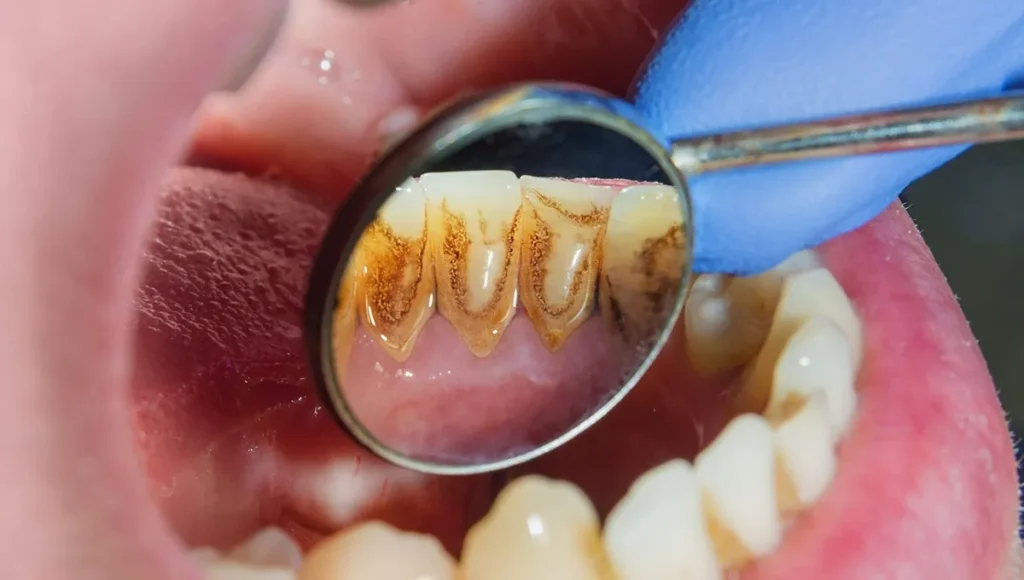
Tartar, also known as dental calculus, forms when plaquea sticky biofilm composed of bacteria and food particlesremains on the teeth for an extended period. Minerals present in saliva, particularly calcium and phosphate, interact with this plaque, turning it into a hard deposit. The transformation from plaque to tartar can occur within 24 to 72 hours, but fully hardened deposits typically develop over weeks.
Notably, tartar often accumulates along the gum line and in areas difficult to reach with brushing and flossing. Its rough surface provides a perfect environment for additional plaque adherence, accelerating bacterial colonization and increasing the risk of gum inflammation and cavities. Oral health studies indicate that even slight accumulation of tartar can impact gingival tissue health and contribute to periodontitis if left untreated.
Common Areas Affected by Tartar
Certain regions of the mouth are more prone to tartar buildup. The inner surfaces of the lower front teeth, molars, and areas near salivary glands see higher deposition rates due to saliva flow and food debris collection. Research shows that individuals with irregular brushing habits or diets high in sugars and starches are more susceptible to tartar accumulation.
Understanding where tartar tends to form helps in planning professional cleaning strategies. For example, the lingual surfaces of lower incisors often harbor stubborn tartar, necessitating targeted removal with specialized tools. Even consistent home oral care may be insufficient in these regions, highlighting the importance of regular professional dental visits.
Professional Techniques for Tartar Removal
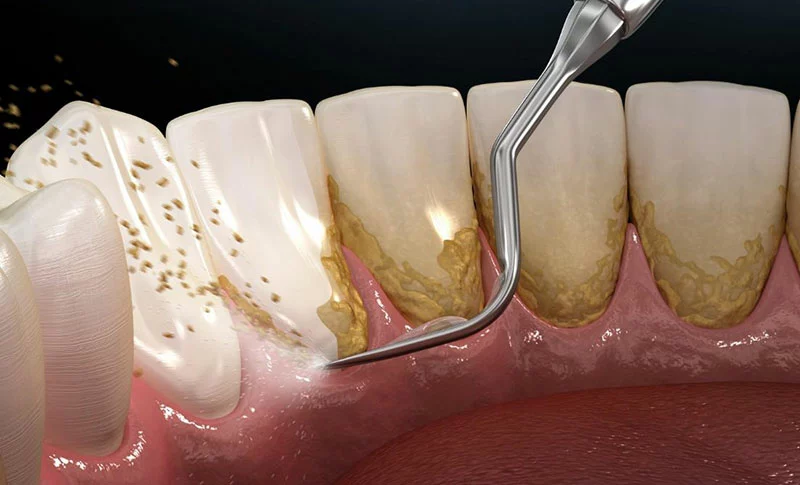
Removing tartar requires mechanical intervention. Dental professionals employ instruments such as ultrasonic scalers, which vibrate at high frequencies to break tartar into smaller fragments. Hand scalers are then used to meticulously scrape away remaining deposits, particularly in sensitive areas near the gum line.
Ultrasonic devices also emit a gentle water spray, which cools the tooth surface and flushes debris. Clinical trials demonstrate that combining ultrasonic and manual scaling is more effective in removing subgingival tartar than either method alone. The process is generally painless, though some patients may experience minor sensitivity during or after treatment.
Scaling and Root Planing
For more advanced tartar buildup, especially below the gum line, a procedure called scaling and root planing is performed. Scaling removes tartar and plaque from the tooth surfaces, while root planing smooths the root to discourage further bacterial adherence.
Studies in periodontology emphasize that this procedure can reduce gum inflammation, bleeding, and pocket depth in patients with moderate to severe gum disease. It is particularly important for individuals prone to tartar accumulation, as untreated deposits can lead to chronic periodontal issues.
Preventing Tartar Buildup
While removal is essential, preventing tartar is equally important. Effective oral hygiene, including twice-daily brushing with fluoride toothpaste, flossing, and the use of antimicrobial mouth rinses, reduces plaque accumulation. Regular dental check-ups for professional cleaning also minimize tartar formation before it hardens.
Dietary considerations play a role as well. Limiting sugar intake, avoiding sticky foods, and chewing fibrous vegetables can help naturally reduce plaque, indirectly lowering tartar buildup. Research suggests that patients who maintain consistent oral care habits experience a significantly lower incidence of tartar and associated gum issues.
Advanced Methods for Tartar Removal
In cases where tartar is extensive or located below the gum line, dentists may employ advanced removal methods. Laser-assisted scaling, for example, uses targeted light energy to break down tartar and reduce bacterial colonies. Studies show that laser treatments can be particularly effective for patients with sensitivity issues, as the technique minimizes mechanical contact with tooth surfaces.
Another method is air polishing, which combines a fine abrasive powder with a pressurized water jet. This technique not only removes tartar but also polishes the enamel, reducing rough surfaces where plaque could adhere. Clinical observations indicate that air polishing is highly efficient for surface tartar and staining, making it popular for cosmetic-focused dental care.
Role of Home Care in Tartar Management
Even after professional removal, maintaining tartar-free teeth requires diligent home care. Brushing at least twice daily with fluoride toothpaste, flossing, and using interdental brushes for hard-to-reach areas are critical strategies. Electric toothbrushes with oscillating heads have been shown to reduce plaque and tartar formation more effectively than manual brushes in several clinical trials.
Mouth rinses containing antimicrobial agents like chlorhexidine can also suppress bacterial growth. However, these should be used selectively under dental supervision to prevent long-term side effects such as staining or altered taste. Consistency in daily care is vital, as tartar can begin forming again within 24–48 hours if plaque is not adequately controlled.
Impact of Diet on Tartar Formation
Diet plays a subtle but significant role in tartar development. High-sugar diets feed oral bacteria, accelerating plaque formation that eventually mineralizes into tartar. Sticky and starchy foods tend to adhere to teeth longer, increasing the risk of hard deposits.
Conversely, fibrous foods like raw vegetables and fruits help mechanically clean tooth surfaces while stimulating saliva production. Saliva naturally buffers acids and supplies calcium and phosphate, which can influence tartar composition. Research indicates that dietary adjustments, combined with rigorous oral hygiene, reduce both the quantity and hardness of tartar deposits.
Long-Term Maintenance and Regular Checkups
Routine dental visits are essential for long-term tartar control. Professional cleanings every six monthsor more frequently for high-risk patientsensure that tartar is removed before it contributes to gum disease or enamel erosion. Dentists may also provide personalized cleaning schedules based on tartar accumulation patterns and patient history.
In addition to clinical monitoring, patient education is critical. Understanding the factors that contribute to tartar formation helps patients make informed choices about brushing techniques, flossing, and dietary habits. Studies confirm that informed patients maintain healthier gums and fewer tartar deposits over time.
Special Considerations for Sensitive Teeth
Some patients experience sensitivity during tartar removal, especially when deposits are near the gum line. Desensitizing agents, topical fluoride, and careful instrument selection can mitigate discomfort. Laser-assisted methods are increasingly popular for these individuals, as they reduce physical contact while effectively breaking down tartar.
Moreover, gradual removal strategies for extensive tartar help prevent tissue irritation. Scaling can be performed in multiple short sessions, allowing gums to heal and minimizing post-procedure sensitivity. Clinical evidence suggests that these approaches enhance patient comfort while maintaining optimal oral hygiene outcomes.
Psychological Factors and Motivation in Tartar Control
Managing tartar is not only a physical task but also a psychological challenge for many patients. Studies in behavioral dentistry show that individuals who understand the consequences of tartar buildupsuch as gum disease, bad breath, and tooth discolorationare more likely to adhere to daily oral hygiene routines.
Motivation plays a critical role. Visual reminders, progress tracking, and setting achievable goals can improve consistency in brushing, flossing, and using antimicrobial rinses. Dental apps that track oral hygiene habits have been linked to better patient compliance, particularly for young adults and tech-savvy individuals.
Technological Innovations in Tartar Removal
Dental technology has advanced significantly, offering new tools for tartar management. Ultrasonic scalers, for example, use high-frequency vibrations to loosen tartar deposits efficiently while reducing manual effort. Research indicates that ultrasonic methods remove both supragingival and subgingival tartar more effectively than traditional hand scaling alone.
Additionally, smart toothbrushes equipped with sensors can detect areas with high plaque accumulation. These devices provide real-time feedback, helping users focus on areas prone to tartar formation. Combining technology with traditional care routines enhances long-term oral health outcomes.
Special Populations and Tartar Risks
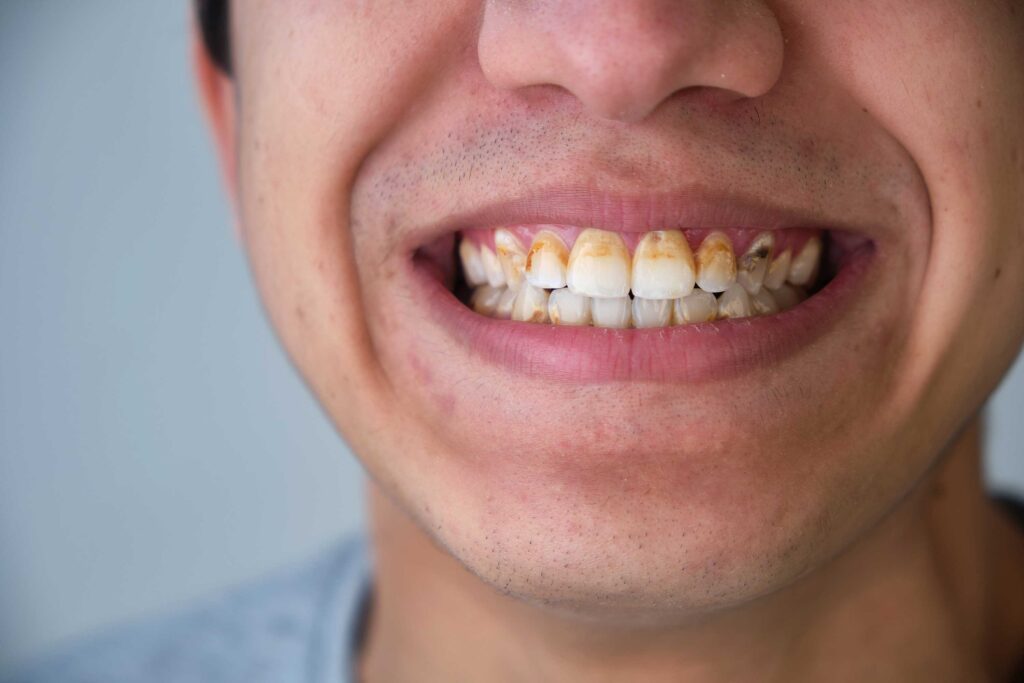
Certain groups are more prone to tartar accumulation, including smokers, individuals with diabetes, and patients with limited manual dexterity. Smokers exhibit faster tartar buildup due to changes in saliva composition and oral microbiome imbalance. Similarly, diabetic patients are at higher risk for periodontal complications, where tartar serves as a catalyst for gum inflammation.
For elderly patients or those with motor impairments, adaptive toothbrushes, water flossers, and professional cleanings are crucial. Tailoring interventions based on individual risk factors improves tartar management and overall oral health outcomes.
Preventive Approaches Beyond Brushing
Preventing tartar goes beyond brushing and flossing. Dental sealants, for instance, provide a protective barrier on tooth surfaces, reducing areas where plaque can accumulate and mineralize. Chewing sugar-free gum increases saliva flow, which helps naturally wash away food particles and reduce tartar formation.
Regular use of interdental brushes, tongue scrapers, and antimicrobial mouth rinses complements standard hygiene routines. Evidence suggests that combining multiple preventive strategies results in a synergistic effect, significantly reducing tartar buildup over time.
Role of Professional Dental Advice
Consulting with a dentist is crucial for personalized tartar management. Dentists can identify high-risk areas, evaluate oral microbiome health, and recommend tailored home care techniques. Professional advice often includes the optimal frequency of cleanings, fluoride treatments, and dietary adjustments to minimize tartar formation.
Education about proper brushing angles, flossing technique, and the timing of oral hygiene routines empowers patients to take control of their oral health. Studies confirm that patients who receive professional guidance exhibit lower rates of tartar recurrence and improved gum health.
Nutrition and Tartar Formation
Dietary choices directly influence tartar development. Consuming high-sugar foods and beverages encourages bacterial growth, leading to rapid plaque formation, which eventually mineralizes into tartar. Acidic foods can erode enamel, creating rough surfaces that facilitate tartar adherence.
Conversely, foods rich in calcium, phosphate, and fibrous content can support enamel strength and mechanically clean teeth during chewing. Drinking adequate water throughout the day dilutes acids, aids saliva production, and reduces tartar accumulation. Research emphasizes the importance of combining nutritional awareness with oral hygiene practices for effective long-term tartar control.
Tartar and Systemic Health Connections
Emerging research links chronic tartar accumulation and periodontal disease with systemic conditions such as cardiovascular disease, diabetes, and respiratory infections. Inflammatory markers associated with gum disease can enter the bloodstream, highlighting the importance of tartar management beyond oral aesthetics.
Patients who maintain low tartar levels and optimal gum health demonstrate better overall health outcomes. This reinforces the notion that dental care, including tartar prevention, is integral to holistic health management.
Future Trends in Tartar Management
The future of tartar prevention includes personalized dentistry and microbiome-focused approaches. Probiotics designed to balance oral bacteria, slow-release fluoride delivery systems, and AI-powered toothbrushes represent the next frontier in minimizing tartar formation.
Advancements in minimally invasive laser techniques and ultrasonic devices promise more efficient removal with reduced discomfort. Research in biomaterials aims to develop coatings for teeth that resist tartar deposition, potentially transforming preventive dentistry. Comprehensive Tartar Control
Effectively managing tartar requires a multifaceted approach combining professional care, home hygiene, dietary awareness, and lifestyle choices. Understanding the underlying mechanisms of tartar formation, recognizing individual risk factors, and utilizing modern dental technologies can significantly enhance oral health outcomes.
Patients who adopt structured routines, stay informed, and engage with dental professionals not only maintain cleaner teeth but also support systemic health. While tartar is a persistent challenge, a proactive, educated, and consistent approach ensures long-term success.