Dental Bridge is one of the most commonly discussed tooth replacement concepts because it sits at the crossroads of function, appearance, and everyday comfort. When people first encounter the term Dental Bridge, they often imagine a fixed structure that simply fills a gap. In reality, the idea extends far beyond that simple image. A Dental Bridge is as much about balance and interaction as it is about replacement.
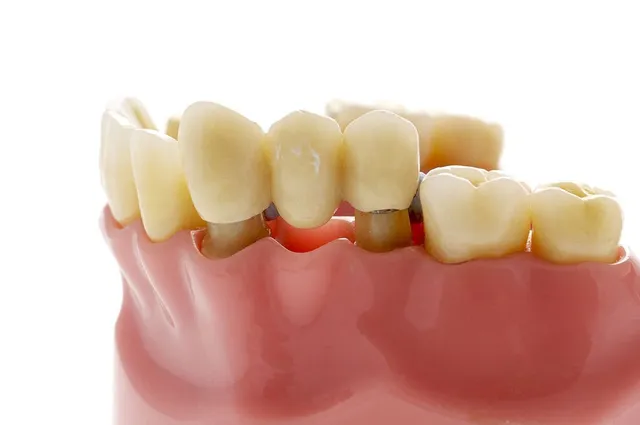
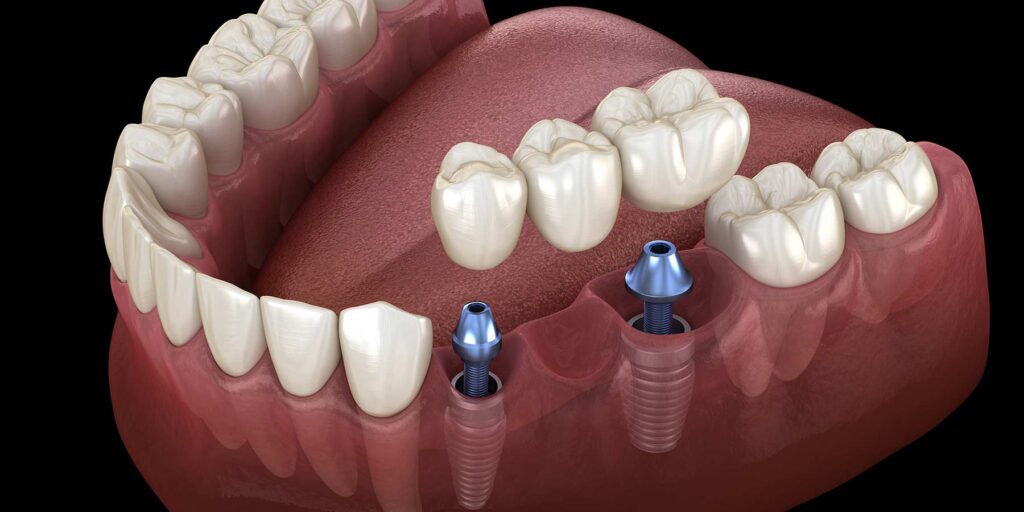
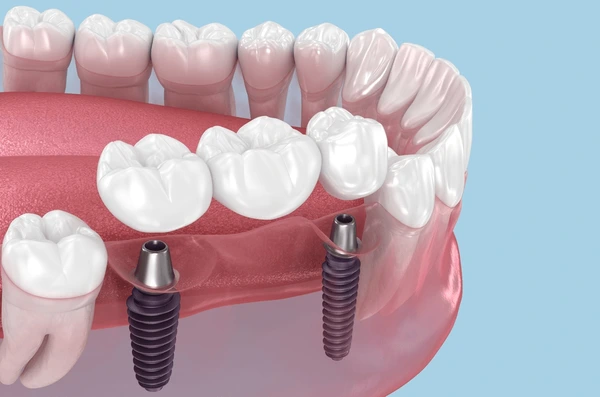
At its core, a Dental Bridge works by spanning the space left by missing teeth, connecting existing teeth on either side. Yet this mechanical description only scratches the surface. The reason Dental Bridge solutions continue to attract attention lies in how they interact with bite patterns, facial structure, and long term oral harmony. Understanding this broader context helps explain why bridges remain relevant despite the rise of alternative options.
From a conceptual standpoint, Dental Bridge designs reflect how dentistry blends engineering with perception. The structure must carry force, distribute pressure, and visually align with surrounding teeth. This dual role makes Dental Bridge discussions both technical and deeply human, shaped by how people experience their smiles in daily life.
Dental Bridge as a Concept Beyond Tooth Replacement
When people talk about a Dental Bridge, they are rarely just talking about a missing tooth. The conversation usually includes questions about stability, appearance, and how the mouth adapts over time. A bridge functions as a system rather than a single unit, relying on neighboring teeth to create continuity.
One important aspect of Dental Bridge design is how it responds to movement. Teeth are not static objects. They shift slightly when chewing, speaking, or clenching. A well designed Dental Bridge accounts for this natural motion, allowing forces to flow across the structure instead of concentrating in one area. This is why bridges are often discussed in relation to overall bite dynamics.
Another layer involves perception. People often assess a Dental Bridge not by how it functions, but by how invisible it feels. When the bridge blends seamlessly into the smile, it fades from conscious awareness. This psychological comfort is one of the reasons Dental Bridge solutions continue to be favored in visible areas of the mouth.
Dental Bridge Types and Structural Logic
Although the term Dental Bridge sounds singular, it actually covers several structural approaches. Each type is built around the same core idea but adapted to different oral environments. Understanding these distinctions helps explain why Dental Bridge pricing and expectations vary.
A traditional Dental Bridge relies on adjacent teeth for support. These teeth act as anchors, holding the bridge in place. In contrast, cantilever designs extend from one side only, while resin bonded bridges use a more conservative attachment method. Each variation reflects a different balance between stability, preservation, and visual impact.
What unites all Dental Bridge types is their reliance on shared load. Unlike removable options, a bridge distributes pressure across multiple points. This distribution influences how the jaw responds over time, which is why planning plays such a central role in Dental Bridge discussions.
How Dental Bridge Design Reflects Oral Balance
A Dental Bridge is often described as a structural solution, but its design is deeply influenced by balance. Balance here does not only mean symmetry. It also refers to how forces are shared and how visual proportions are maintained within the smile.
For example, the width and height of a bridge tooth are rarely chosen in isolation. They are adjusted in relation to neighboring teeth, gum contours, and even facial proportions. This attention to proportion explains why Dental Bridge fabrication is often described as both precise and interpretive.
Balance also affects longevity. When forces are evenly distributed, supporting teeth experience less strain. This relationship between design and durability is one of the reasons Dental Bridge costs are often linked to planning complexity rather than materials alone.
Dental Bridge and the Role of Materials
Material choice plays a subtle but significant role in how a Dental Bridge performs and appears. Different materials interact with light, pressure, and wear in distinct ways. These interactions shape how the bridge ages and how it is perceived over time.
Some materials are chosen for their strength, while others are selected for translucency and surface texture. In front facing areas, visual integration tends to receive more attention. In less visible zones, structural resilience may take priority. This flexible approach highlights why Dental Bridge solutions are rarely one size fits all.
Interestingly, people often associate heavier materials with durability and lighter ones with aesthetics. In practice, Dental Bridge design aims to blend these qualities rather than prioritize one exclusively. This blend is what allows bridges to function quietly in the background of daily life.
Dental Bridge Prices and the Idea of Value
When discussing Dental Bridge prices, numbers alone rarely tell the full story. Cost is influenced by multiple factors including design complexity, material selection, and the number of supporting teeth involved. This layered structure explains why price ranges can feel broad.
Value, in this context, is not simply about affordability. Many people evaluate a Dental Bridge based on how well it integrates into their routines. Comfort, confidence, and visual consistency often weigh just as heavily as financial considerations. This subjective dimension shapes how people interpret pricing information.
From an analytical perspective, Dental Bridge costs often reflect time and expertise rather than just physical components. Planning, customization, and adaptation all contribute to the final figure. Understanding this helps frame pricing as a reflection of process rather than a static fee.
Dental Bridge Expectations at the Start of the Journey
Early expectations around a Dental Bridge tend to focus on immediate outcomes. People want to know how it will look, how it will feel, and how quickly it will become familiar. These questions reveal that bridges are experienced emotionally as well as physically.
What often surprises people is how perception changes over time. Initial awareness gradually gives way to familiarity. As the Dental Bridge becomes part of everyday function, attention shifts elsewhere. This adaptation process is a key theme in long term satisfaction.
By understanding Dental Bridge concepts beyond surface level definitions, expectations become more grounded. Rather than viewing the bridge as a single event, it becomes part of an evolving oral narrative shaped by use, perception, and time.
Dental Bridge and the Making Process in Real Life
A Dental Bridge does not simply appear as a finished object. Its creation is a layered process shaped by observation, measurement, and gradual refinement. While the term “making” might sound mechanical, the reality is far more adaptive. Each Dental Bridge is shaped by how the mouth already functions rather than forcing the mouth to adapt to it.
The process begins with understanding space. The gap left by missing teeth is not an empty slot but an active zone where neighboring teeth, gums, and bite forces interact. A Dental Bridge must respond to these interactions. This is why impressions, digital scans, or models are used to capture not only shape but also relationships between teeth.
What makes the Dental Bridge process distinctive is that it balances predictability with interpretation. Technical steps follow a sequence, yet the final form is adjusted based on visual flow and comfort. This balance explains why bridges often feel tailored rather than manufactured.
Dental Bridge and the Role of Supporting Teeth
Supporting teeth play a central role in how a Dental Bridge functions and feels over time. These teeth act as anchors, sharing the load created by chewing and speaking. Their condition, position, and alignment influence both design and expectations.
Rather than serving as passive supports, these teeth become part of a unified system. A Dental Bridge connects them into a shared structure, meaning changes in one area can influence another. This interconnectedness is why bridges are often discussed in terms of harmony rather than isolation.
From a perception standpoint, people often sense stability through this shared support. When pressure feels evenly distributed, confidence tends to increase. This is one of the quieter benefits often associated with well planned Dental Bridge solutions.
Dental Bridge and Bite Dynamics
A Dental Bridge interacts directly with bite dynamics, even if that interaction is not immediately noticeable. Every time the jaw closes, forces travel across teeth in specific patterns. A bridge must fit into these patterns without disrupting them.
If the height or angle of a Dental Bridge is slightly off, the bite may feel unfamiliar. Conversely, when alignment matches natural motion, the bridge quickly fades into the background of daily function. This sensitivity is why bite analysis is a recurring theme in Dental Bridge planning.
Interestingly, many people only become aware of bite dynamics after receiving a bridge. The experience can highlight how subtle movements influence comfort. In this way, a Dental Bridge often brings awareness to aspects of oral function that were previously unnoticed.
Dental Bridge and Visual Continuity
Visual continuity is one of the defining expectations around a Dental Bridge, especially in visible areas. People rarely evaluate a bridge tooth on its own. Instead, they assess how it fits into the rhythm of the entire smile.
Elements such as shape, spacing, and surface texture all contribute to this continuity. A Dental Bridge that mirrors the natural variation of surrounding teeth tends to feel more authentic. Perfect uniformity can sometimes appear less natural than slight asymmetry.
This approach reflects a broader shift in dental aesthetics. Rather than aiming for idealized forms, Dental Bridge design often embraces realism. The goal is not to stand out but to belong.
Dental Bridge Prices and the Influence of Customization
Customization plays a major role in how Dental Bridge prices are perceived. Bridges that require more detailed planning, visual adjustments, or material blending often reflect that complexity in cost. This does not necessarily mean higher prices across the board, but it does explain variation.
People sometimes compare Dental Bridge prices without accounting for differences in design depth. Two bridges may appear similar at a glance while involving very different levels of customization. Understanding this helps frame cost as a reflection of effort rather than category.
From an economic perspective, Dental Bridge pricing often aligns with time investment. The more a bridge is shaped around individual features, the more value is placed on planning and execution rather than standardization.
Dental Bridge and Adaptation Over Time
Adaptation is a recurring theme in the Dental Bridge experience. While placement marks a clear moment, integration happens gradually. Muscles, tongue movement, and chewing patterns adjust subtly as the bridge becomes familiar.
This adaptation is rarely dramatic. Instead, it unfolds quietly as awareness decreases. Many people describe a point where they stop thinking about their Dental Bridge entirely. That moment often signals successful integration.
Over time, the bridge becomes part of routine expression and function. This long term perspective helps explain why Dental Bridge discussions often focus less on the day of placement and more on how it fits into daily life months or years later.
Dental Bridge and Long Term Perception
A Dental Bridge is rarely judged only in the moment it becomes part of the mouth. Its real evaluation happens over time, through daily habits like eating, speaking, and smiling. As weeks pass, perception often shifts from awareness to familiarity. What once felt new gradually becomes expected.
This long term perception is shaped less by technical details and more by how naturally the bridge blends into routine. When a Dental Bridge aligns with existing movement and sensation, attention fades. The bridge is no longer perceived as an addition, but as a continuation of what was already there.
Interestingly, people often reassess their Dental Bridge months later and realize how little they think about it. That absence of thought is often interpreted as success. Comfort, visually and functionally, becomes quiet rather than noticeable.
Dental Bridge and Material Behavior Over Time
Materials play a subtle but important role in how a Dental Bridge ages visually and sensorially. Over time, interaction with light, temperature, and daily use can influence surface perception. These changes are usually gradual and often go unnoticed until compared with earlier impressions.
Rather than remaining static, a Dental Bridge becomes part of a living environment. Surrounding teeth, gums, and facial expressions continue to change, and the bridge is perceived within that shifting context. This is why long term discussions often focus on consistency rather than perfection.
From an observational standpoint, people tend to value bridges that maintain harmony as the mouth changes. A Dental Bridge that continues to feel aligned with its surroundings often maintains a sense of natural presence.
Dental Bridge and Personal Confidence
Confidence is one of the least measurable yet most discussed aspects of the Dental Bridge experience. Because bridges often address visible gaps, they interact directly with self perception. This interaction is rarely immediate. It builds as comfort increases.
As individuals grow accustomed to their Dental Bridge, behaviors like smiling freely or speaking without hesitation often return naturally. These changes are subtle, yet they shape how people describe their experience overall. The bridge itself becomes less important than the confidence it supports.
This connection explains why conversations around Dental Bridge solutions often extend beyond structure. They touch on identity, expression, and ease in social environments, areas where technical metrics fall short.
Dental Bridge and Comparison With Other Options
In broader discussions, a Dental Bridge is often considered alongside other smile related solutions. What sets it apart in perception is its fixed nature and its reliance on existing teeth. This creates a different sense of integration compared to removable or surface based options.
Rather than sitting on top of the smile, a Dental Bridge becomes part of it. This embedded quality influences how people describe their experience. The bridge feels less like a temporary solution and more like a structural element within the mouth.
Because of this, people often frame their Dental Bridge experience in terms of continuity. The focus shifts from what was replaced to how smoothly daily function continues.
Dental Bridge Prices and Value Interpretation
When reflecting on Dental Bridge prices, people often connect cost with long term value rather than immediate outcome. Value is interpreted through durability, comfort, and how seamlessly the bridge integrates into everyday life.
Rather than viewing price as a standalone figure, many see it as a reflection of planning depth, material behavior, and customization. A Dental Bridge that feels stable and visually consistent over time often reinforces the perception that the investment made sense.
This interpretation highlights an important distinction. Dental Bridge prices are not only about materials or procedures. They are also about time, adaptation, and sustained satisfaction.
Dental Bridge as a Functional Narrative
Over time, a Dental Bridge becomes part of a personal narrative rather than a clinical event. It blends into routines, expressions, and habits. The initial focus on making and pricing gives way to lived experience.
Rather than representing a single decision, the Dental Bridge reflects an ongoing relationship between structure and perception. It adapts as the individual adapts, quietly supporting function and appearance without demanding attention.
In this sense, a Dental Bridge is not defined by how it is made alone, but by how it is lived with. Its success is measured less by visibility and more by how naturally it becomes part of everyday life.