The concept of Invisible Braces has transformed how people think about orthodontic treatment. Once associated only with visible metal wires and brackets, teeth alignment is now often discussed through a more subtle, aesthetic lens. Today, Invisible Braces stand at the intersection of dental science, material innovation, and modern lifestyle expectations.
From social confidence to functional alignment, Invisible Braces are commonly mentioned in conversations about discreet orthodontic options. Yet their purpose, variations, and underlying principles are often misunderstood.
Understanding Invisible Braces in Modern Orthodontics
Invisible Braces generally refer to orthodontic systems designed to straighten teeth while minimizing visual impact. Unlike traditional metal braces, these systems rely on transparent or tooth colored materials. This distinction is not purely cosmetic. It reflects broader changes in patient expectations and technological capabilities.
In orthodontic literature, Invisible Braces are often discussed as part of a shift toward patient centered care. Studies frequently highlight how appearance during treatment can influence compliance, motivation, and overall satisfaction. The materials used in Invisible Braces are typically engineered polymers or ceramics, selected for optical clarity and structural stability.
Another defining aspect of Invisible Braces is their adaptability. They are used across a wide age range, from adolescents to adults who may be revisiting orthodontic care later in life. This versatility has contributed to their growing presence in both academic discussions and clinical environments.
How Invisible Braces Are Used for Teeth Alignment
The primary function of Invisible Braces is to guide teeth into improved alignment over time. This process relies on controlled force application, a principle consistent across all orthodontic systems. What differs is how that force is delivered and perceived.
In practice, Invisible Braces are used to address spacing, crowding, rotation, and certain bite irregularities. The mechanics behind them are carefully planned, often supported by digital modeling and imaging. These tools allow practitioners to visualize tooth movement stages before treatment even begins.
The use of Invisible Braces is also influenced by lifestyle considerations. Because they are less noticeable, they are frequently chosen by individuals who prioritize discretion in professional or social settings. This does not change their functional goal, but it does shape how and why they are selected.
Types of Invisible Braces and Their Structural Differences
When discussing Invisible Braces, it is important to recognize that the term encompasses more than one system. Each type is defined by its material composition and method of attachment.
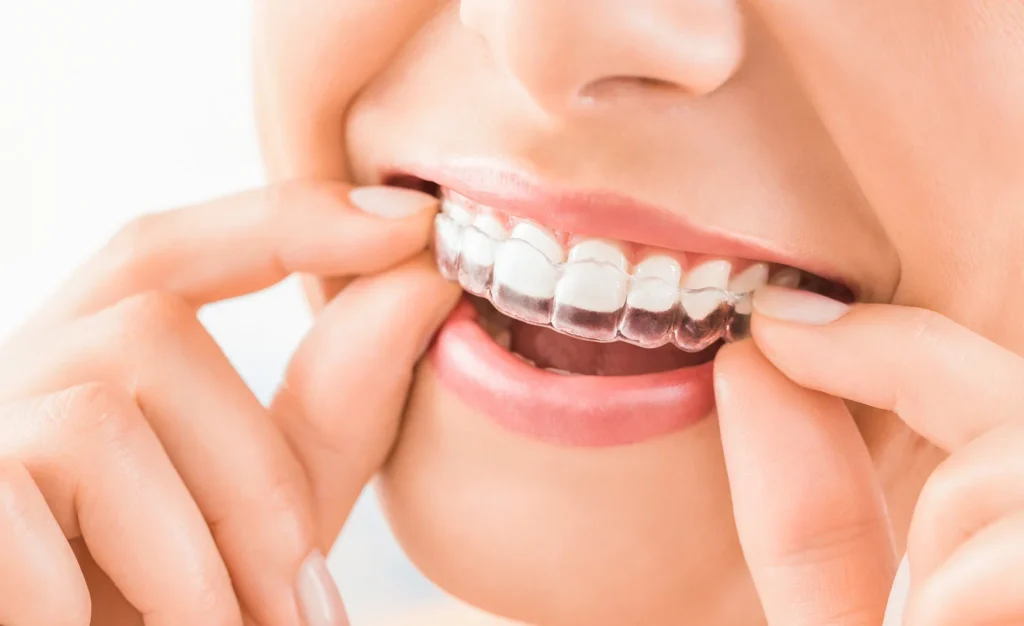
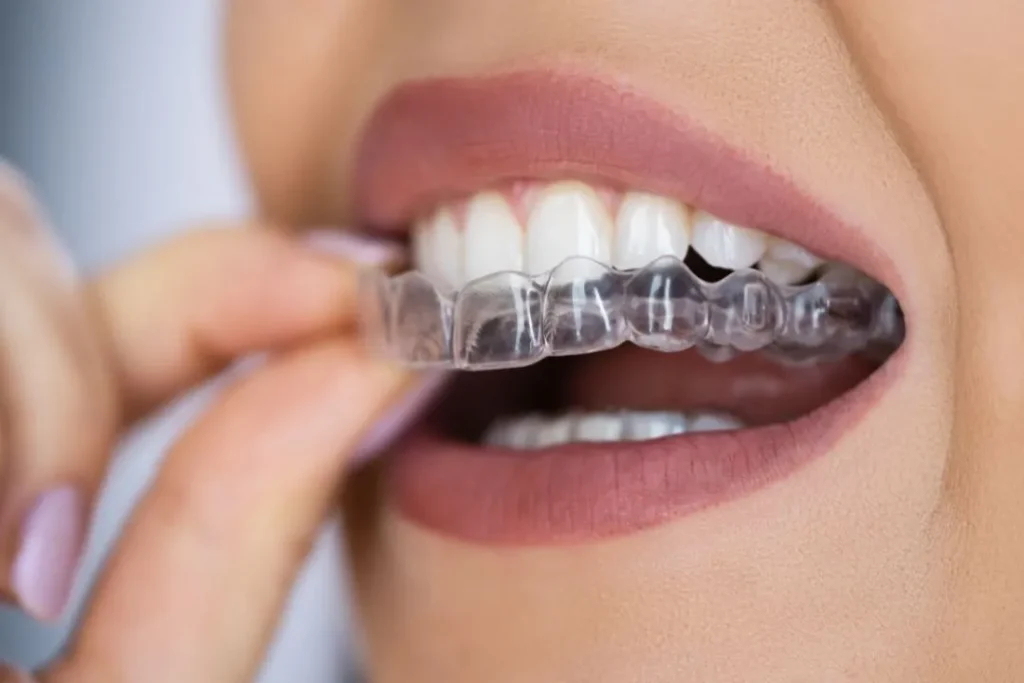
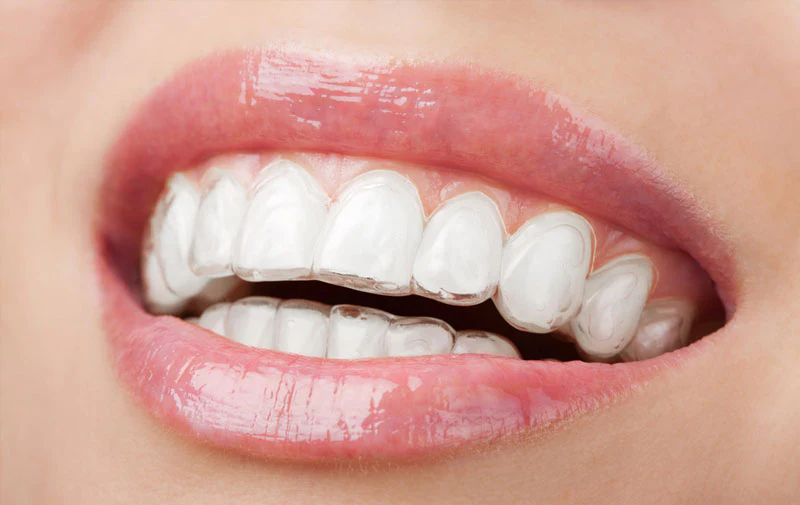
Ceramic based Invisible Braces use brackets designed to blend with the natural tooth color. These brackets are bonded similarly to metal ones but are visually softer. Clear aligner systems, often grouped under the same umbrella, use removable transparent trays that fit over the teeth.
From a structural perspective, fixed Invisible Braces and removable systems differ significantly. Fixed options remain attached throughout treatment, while removable aligners rely on sequential tray changes. Both approaches are widely studied, with ongoing research comparing efficiency, comfort, and patient adaptation.
Invisible Braces Versus Traditional Braces
Comparisons between Invisible Braces and traditional braces are common in orthodontic discussions. These comparisons are not limited to appearance, although aesthetics often dominate public perception.
Traditional braces use metal components that are highly durable and predictable in force delivery. Invisible Braces, on the other hand, aim to balance effectiveness with subtlety. Research often explores whether visual discretion affects treatment outcomes indirectly through improved patient cooperation.
Another distinction lies in material response. Ceramic or polymer based Invisible Braces interact differently with oral conditions such as temperature changes or staining agents. These factors are frequently analyzed in clinical studies, contributing to a more nuanced understanding of how different systems perform over time.
The Role of Invisible Braces in Aesthetic Dentistry
Aesthetic dentistry is no longer limited to whitening or veneers. Orthodontic alignment plays a crucial role, and Invisible Braces have become a central topic in this broader field.
In aesthetic focused practices, Invisible Braces are often discussed as part of smile design planning. The goal is not only straighter teeth, but harmony between facial features, lip support, and dental proportions. This holistic approach has been reinforced by interdisciplinary research involving orthodontics, prosthodontics, and facial analysis.
The appeal of Invisible Braces in aesthetic contexts also reflects cultural shifts. Visual documentation, social media presence, and personal branding have all influenced how individuals perceive orthodontic treatment. Clear systems align with these evolving values without altering the fundamental science behind tooth movement.
Materials and Technology Behind Invisible Braces
The development of Invisible Braces is closely tied to advances in material science. Transparency, strength, and biocompatibility are key requirements, and achieving all three simultaneously presents ongoing challenges.
Modern Invisible Braces often utilize advanced ceramics or multi layer polymers. These materials are tested for resistance to discoloration, fracture, and wear. Research papers frequently examine how these properties influence long term performance and patient experience.
Digital technology also plays a significant role. The planning and monitoring of Invisible Braces treatments increasingly rely on software driven simulations. These tools contribute to precision, but they also generate large datasets that fuel further research and innovation in orthodontics.
Who Commonly Chooses Invisible Braces and Why
Demographic studies provide interesting insights into who tends to choose Invisible Braces. While they are often associated with adults, younger patients are also represented, particularly in environments where aesthetic concerns are emphasized.
Motivations for selecting Invisible Braces vary. Some individuals prioritize appearance, others value perceived comfort or flexibility. Surveys often reveal that the decision is influenced by a combination of personal, social, and informational factors rather than a single defining reason.
Understanding these motivations helps contextualize the growing interest in Invisible Braces. It also highlights why educational content, like this guide from Livera Clinic, plays an important role in shaping informed expectations.
Limitations and Considerations of Invisible Braces
Despite their popularity, Invisible Braces are not presented in scientific literature as universally ideal. Like all orthodontic systems, they come with specific considerations.
Material sensitivity, maintenance requirements, and suitability for complex cases are frequently discussed topics. Some research suggests that certain tooth movements may respond differently depending on the type of Invisible Braces used. These findings underscore the importance of individualized assessment.
From an analytical perspective, the conversation around Invisible Braces benefits from acknowledging both strengths and limitations. This balanced view supports realistic understanding rather than oversimplified expectations.
The Broader Impact of Invisible Braces on Orthodontic Trends
The rise of Invisible Braces reflects broader trends within healthcare. Personalization, technology integration, and aesthetic awareness are reshaping many medical fields, and orthodontics is no exception.
Academic journals increasingly frame Invisible Braces as part of a patient experience revolution. The focus extends beyond clinical outcomes to include emotional and social dimensions of treatment. This shift has influenced how orthodontic success is defined and measured.
At Livera Clinic, discussions around Invisible Braces are informed by this evolving landscape. The topic is approached not as a static solution, but as an ongoing dialogue between science, technology, and human behavior.
Why Invisible Braces Continue to Attract Attention
The enduring interest in Invisible Braces is not accidental. It is the result of decades of research, material innovation, and changing societal values. By offering a discreet approach to teeth alignment, Invisible Braces have expanded the conversation around orthodontic care.
Rather than replacing traditional methods, Invisible Braces have diversified the options available. They invite questions, comparisons, and deeper exploration, making them a rich subject for both academic analysis and patient curiosity.
As orthodontics continues to evolve, Invisible Braces will likely remain a focal point. Understanding what they are used for, how they function, and why they matter provides meaningful context for anyone interested in modern dental science.